
Reviewed · RAFTING & KAYAKING
3-Day Algonquin Park Canoe Trip
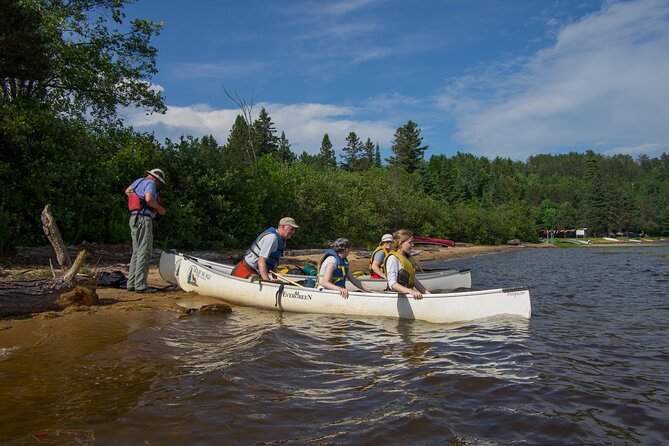
Algonquin Park shows its best side from a canoe, where the only schedule is set by your paddle, the weather, and the chance of seeing a moose at the water’s edge. This three-day trip takes you into the interior by way of Pen Lake, with tents, meals, permits, equipment, and a guide supplied.
I like the small group of up to eight and the way the trip mixes instruction with real backcountry travel. I also like the light Kevlar canoes, which make the 300-meter portage far less punishing than it would be with a heavy boat. Guide Robin has experience handling mixed skill levels, including people who have never canoed or camped before.
The catch is that this is still a wilderness trip, not a gentle sightseeing cruise. You need strong physical fitness, must carry your share of the gear, and should be ready for rain, bugs, uneven ground, and changing conditions. Sleeping bags, flashlights, parking, and transportation from Toronto are not included.
In This Review
- Key points about the three-day Algonquin canoe trip
- A practical introduction to Algonquin wilderness travel
- Day 1: Learning the basics and reaching Pen Lake
- Day 2: Choosing between river, lake, and beach routes
- Day 3: An early paddle, wildlife, and ancient pictographs
- What the price includes, and what it does not
- Fitness, weather, and the gear you should prepare
- Who will enjoy this trip most
- Booking, timing, and cancellation details
- Should you book the Algonquin canoe trip?
- FAQ
- Where does the canoe trip start?
- What time does the activity begin?
- How many people can join the group?
- What is the minimum age?
- Are meals and camping included?
- Do I need to bring a sleeping bag and flashlight?
- Can I request vegetarian meals?
Key points about the three-day Algonquin canoe trip
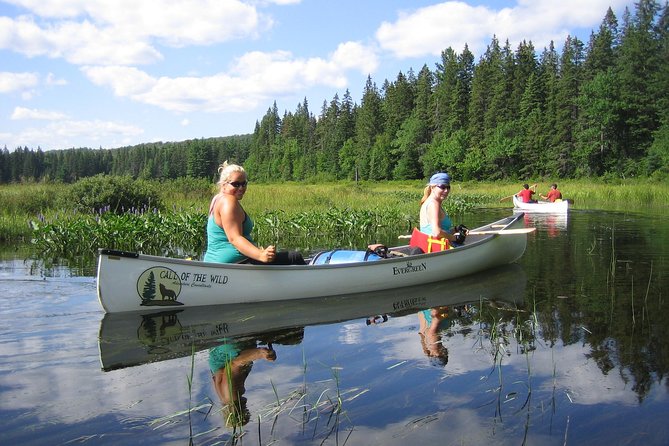
- Pen Lake access: Paddle about three hours on the first day, including a 300-meter portage, before setting up your remote camp.
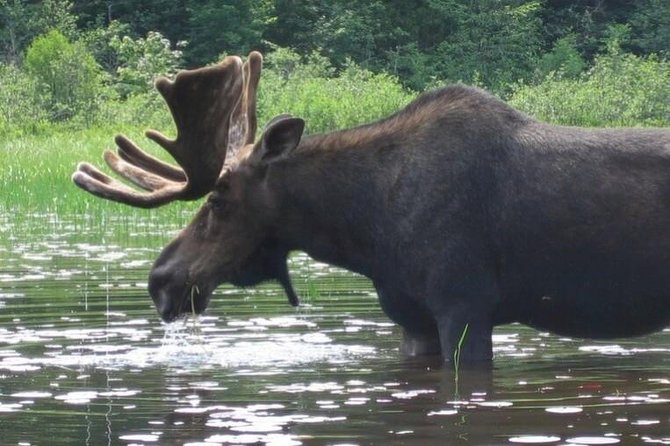
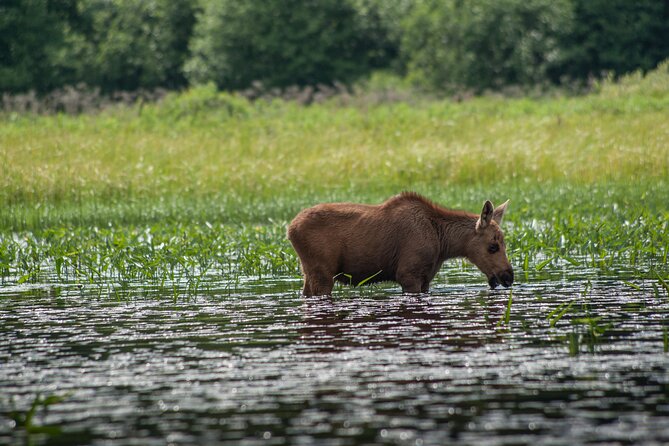
- Moose country: Early mornings and quiet shoreline paddles offer some of the best chances to see moose and deer.
- Real backcountry camping: You carry tents, food, and camp supplies in the canoes, then cook fresh meals over a campfire.
- Flexible second day: Explore Pen Lake, the South Madawaska River, beaver dams, or the route toward Welcome Lake and its sandy beach.
- Cultural history: The return paddle includes a stop at ancient pictographs painted by Indigenous people centuries ago.
- Practical value: The $493.87 price includes two nights of camping, meals, park fees, guide service, and required canoe equipment.
A practical introduction to Algonquin wilderness travel
This trip is designed for a short, useful introduction to canoe camping. In three days, you learn how to steer and pack a canoe, carry it over a portage, set up a wilderness camp, prepare food outdoors, and move safely through a remote park setting.
You will not leave as an expert canoeist. You should, however, finish with a clear sense of how a Canadian canoe expedition works. That makes this a good choice if you want more than a quick paddle but do not have the time, equipment, or confidence to plan a longer trip yourself.
The group meets in Madawaska, Ontario, at 1:00 pm. The activity ends back at the same meeting point on the third day. If you are coming from Toronto, optional transportation may be available, but you pay for it directly. That detail matters because the listed price does not cover your journey to the starting point.
The small-group format is another strength. With no more than eight people, the guide can correct your paddling, help with loading, and keep an eye on the group during portages. A larger group would make the same route slower and less personal.
More rafting & kayaking in Ontario:
- 6 Hour Algonquin Park Canoe Trip
★ 5.0 · 86 reviews - Rouge River Classic Whitewater Rafting Package
★ 4.5 · 42 reviews - Wet and Wild Elaho Exhilarator Rafting
★ 5.0 · 625 reviews
Day 1: Learning the basics and reaching Pen Lake
The opening instruction covers the essentials: how to handle the canoe, work with your paddling partner, steer, and move safely around obstacles. You receive practical coaching rather than a long classroom session, then put the skills to use on the water.
The canoes are expedition-weight Kevlar models. Their light weight is a real advantage when you reach the 300-meter portage, especially since the group must also carry tents, food, and personal equipment. They are also fast on the lake, so you can cover ground without fighting a heavy hull.
Kevlar has a tradeoff. It is more fragile than tougher canoe materials, so you must take care around rocks and shallow water. Listen closely when the guide explains how to lift and set down the canoe. This is not the place to drag it over a rough shoreline.
The first paddle takes about three hours, including the portage. That sounds manageable, but carrying a loaded canoe and walking over uneven ground adds effort. You should be prepared to help with shared gear rather than treating the portage as a simple stroll.
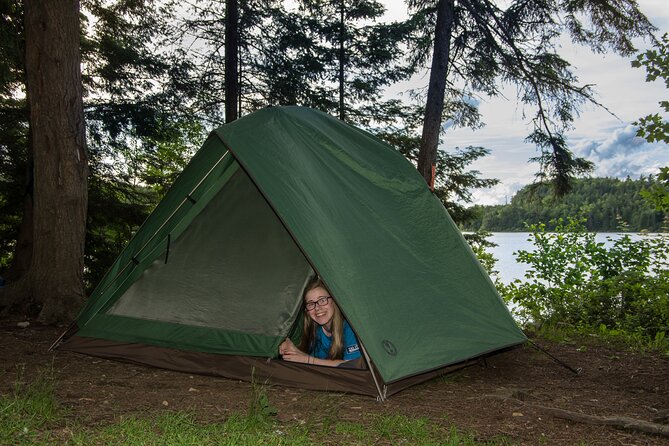
Once you reach camp, the group sets up tents and organizes supplies. You are carrying your shelter and food into the park, so the camp has a proper backcountry feel rather than the convenience of a drive-in campground. The guide helps you establish camp and explains how to live safely beside the lake and its wildlife.
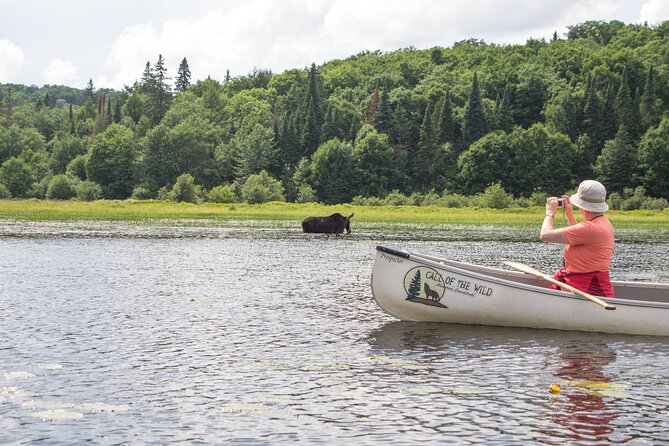
You then have time to explore the surrounding water. Several large rapids in the area were once used as log chutes, offering an unusual reminder of the park’s working past. The route is also known for moose along the shoreline. More than half a dozen have been seen in this area over a two-day period, though wildlife sightings are never guaranteed.
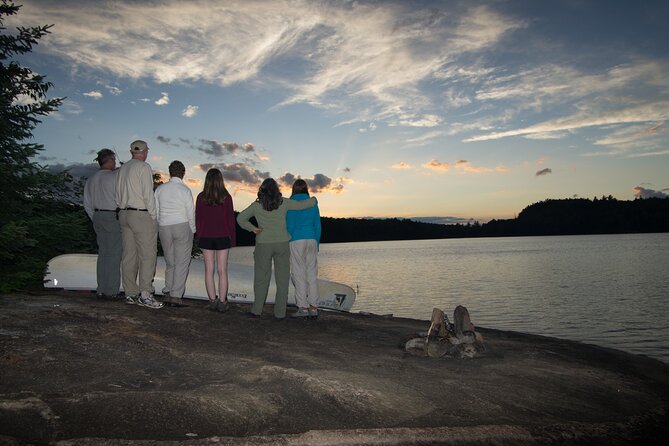
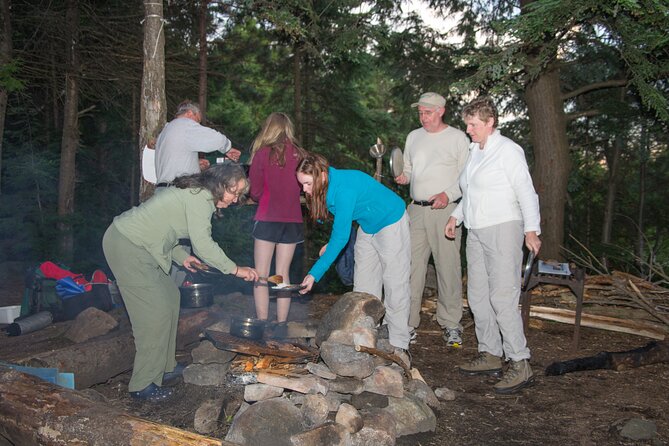
Dinner is prepared on site with fresh food and eaten beside a campfire. Afterward, the clear Algonquin sky becomes part of the experience. You may see the Milky Way, count satellites, or hear wolves calling far away. These details are not staged attractions. They depend on weather, season, and luck, which is exactly why they feel special.
Day 2: Choosing between river, lake, and beach routes
The second day gives you the most freedom. You can spend it exploring the lake near camp by canoe, watching the shoreline for moose, or take on more paddling and portaging.
One option leads toward the South Madawaska River. The river is slow moving, but the route includes several beaver dams. You may need to get out of the canoe and pull it over the dams, so bring water-friendly shoes or sandals. This is a small but important packing tip. Regular footwear that stays wet and muddy can make the rest of the day uncomfortable.
Another possible outing heads toward Welcome Lake. The route involves paddling partway down the lake, completing a couple of portages, and finishing with a 1.7-kilometer hike. Welcome Lake is known for its sandy beach, making it a fine picnic destination on a sunny day.
The exact choice depends on where camp is established and on the group’s ability, weather, and conditions. That flexibility is useful, but it also means you should not expect a fixed sightseeing schedule. You are joining a wilderness outing where the guide adapts the day rather than promising every option at once.
I like this second-day design because it lets you choose your level of effort. You can keep exploring the home lake, or add portages and a longer hike if you want a fuller physical challenge. Still, the less strenuous option is not effortless. Even a relaxed canoe day means repeated paddling, getting in and out of the boat, and helping with camp life.
Wildlife watching works best when you slow down. Keep your eyes on the marshy edges and quiet coves, especially in the morning and evening. A moose may be standing in plain sight, but a noisy group moving quickly along the shore is less likely to see one.
Day 3: An early paddle, wildlife, and ancient pictographs
The final morning begins with an early breakfast. You pack the tents, reload the canoes, and start paddling back toward the meeting point.
The early start has a practical reward. Moose and deer often come to the shoreline to drink, so the quiet return journey may offer one last wildlife opportunity. Keep your camera ready, but do not let photography distract from safe paddling or from keeping the canoe balanced.
The route also includes a stop at ancient pictographs painted by Indigenous people centuries ago. This adds cultural depth to a trip that might otherwise focus only on scenery and outdoor skills. The pictographs are a reminder that Algonquin is not simply a recreational setting. People have used and traveled through these waterways for generations.
The return journey is also when the physical side of the trip becomes most obvious. You are packing and paddling after two nights outdoors, so fatigue can affect your balance and patience. Follow the guide’s directions, keep your gear organized, and use the early hours to move steadily rather than rushing.
A few more Ontario trips to weigh up
- Algonquin Park: Deluxe 4-Day/3-night Canoeing/Camping
★ 5.0 · 5 reviews - Banff National Park Big Canoe Tour
★ 5.0 · 303 reviews - From Toronto: Algonquin Park Canoeing & Hiking Adventure
★ 4.6 · 291 reviews - Banff National Park: Big Canoe River Explorer Tour
★ 4.7 · 286 reviews
What the price includes, and what it does not
The cost is $493.87 per person. For a three-day, two-night wilderness trip, that is a solid value if you need an introduction without buying or renting a full kit yourself.
The price includes:
- Two nights in tents
- A professional guide
- National Park fees
- Meals listed for the trip
- Canoes and required group equipment
The all-inclusive setup removes several planning jobs. You do not need to arrange park permits, plan camp meals, or figure out which canoe route is suitable for a first trip. You also benefit from a guide who can handle the practical details of loading, portaging, camping, and wildlife safety.
Do not read all-inclusive as fully door-to-door. You must bring personal items such as a sleeping bag and flashlight. Parking requires a separate permit, and transportation from Toronto is optional and paid directly. Ask about those costs before booking so the advertised price does not become an unpleasant surprise.
The value is strongest for beginners, families, and people on a tight schedule. An experienced canoe camper with a complete kit may prefer to plan independently. For someone starting from zero, the included gear, food, permits, and instruction can easily justify the cost.
Fitness, weather, and the gear you should prepare
The operator requires a strong physical fitness level, and you should take that seriously. The trip involves several hours of paddling, a loaded canoe, a 300-meter portage, possible extra portages, hiking toward Welcome Lake, and getting over beaver dams on the river option.
Children must be accompanied by an adult, and the minimum age is eight. That does not mean every eight-year-old will find the trip easy. A child should be comfortable outdoors, able to follow safety instructions, and prepared for physical work and changing weather.
The trip runs in all weather conditions. Bring clothing that works when wet, plus suitable footwear for portages and water crossings. Sandals or other shoes that can get wet are especially useful if you choose the South Madawaska River route.
You supply the personal items that make sleeping outdoors possible. The information provided specifically calls out sleeping bags and flashlights, so check the final packing instructions carefully and do not assume every camping item is included.
A vegetarian meal option is available if you request it during booking. Use the special requirements field to state this in advance. Do not wait until the meeting point, since food planning happens before the trip.
Who will enjoy this trip most
This outing suits you if you want a genuine taste of wilderness camping but only have three days. It is also a good match if you like learning by doing and do not mind sharing camp tasks with a small group.
Families with older children may appreciate the short format and the mix of canoeing, wildlife, campfires, and beach time. First-time canoeists are welcome, and guide Robin has handled groups with mixed skill levels. The instruction is enough to get you moving, but you still need to arrive ready to work.
You may want a different type of experience if you expect polished facilities, a fixed sightseeing timetable, or a low-effort paddle. There are no promises of moose, wolves, perfect weather, or a particular second-day route. That uncertainty is part of wilderness travel, but it is not for everyone.
The strongest praise here centers on the sense of achievement. Beginners get to face slightly challenging conditions, learn canoe operation, portage, and camp safely, then spend the evening under a clear sky. The trip asks something from you, and that effort is what makes the experience feel real.
Booking, timing, and cancellation details
Confirmation is sent within 48 hours of booking, subject to availability. The trip is usually booked well ahead, with an average booking time of about 43 days, so planning early is sensible if your dates are fixed.
You can cancel for a full refund up to six full days before the local start time. Cancelling two to six full days ahead may provide a 50 percent refund. Less than two full days ahead is nonrefundable, and late changes are not accepted.
The departure point is Madawaska, Ontario, postal code K0J 0C3. Since the activity returns there, arrange your parking and transport with care. If the minimum group size is not reached and the operator cancels, you are offered another date or experience, or a full refund.
Should you book the Algonquin canoe trip?
Book it if you want a compact, guided introduction to Canadian canoe camping and are ready for real physical effort. The price covers the expensive and awkward parts of planning, while the small group keeps the instruction personal.
Skip it if you want a soft adventure, guaranteed wildlife, or a simple boat ride. Bring the right personal gear, accept that weather will shape the days, and expect to carry, paddle, cook, and camp as part of the group. If that sounds appealing, this three-day route offers a practical first step into Algonquin Park, with moose country, campfire meals, star-filled nights, and ancient pictographs along the way.
FAQ
Where does the canoe trip start?
The trip starts in Madawaska, Ontario, at postal code K0J 0C3. It ends back at the same meeting point.
What time does the activity begin?
The scheduled start time is 1:00 pm.
How many people can join the group?
The maximum group size is eight travelers.
What is the minimum age?
The minimum age is eight years old. Children must be accompanied by an adult.
Are meals and camping included?
Yes. The price includes two nights in tents and meals according to the schedule, including breakfast, lunch, and dinner where specified.
Do I need to bring a sleeping bag and flashlight?
Yes. Personal items such as sleeping bags and flashlights are not provided. The necessary group equipment is included, but you should check the packing instructions before departure.
Can I request vegetarian meals?
Yes. A vegetarian option is available. State your requirement in the Special Requirements field when booking.
More 3-Day Experiences in Ontario
- 3 Days 2 Nights Tour in New York
★ 5.0 · 125 reviews - Algonquin Park 3-Day Deluxe Camping & Canoeing Adventure
★ 4.5 · 52 reviews - 3 Day and 2 Night Tour: Toronto, 1000 Islands, and Niagara Falls
★ 5.0 · 46 reviews - 3 Days 3 Cities Tour: Montreal, Quebec, Ottawa from Toronto
★ 4.1 · 32 reviews
Just added around Ontario
- Wine Tasting and Pairing Afternoon Tour★ 5.0 · 126 reviews
- Thousand Islands Helicopter Tour★ 5.0 · 100 reviews
- Toodle Tour in Port Hope Ontario★ 5.0 · 6 reviews
- Private Singhampton Caves Hiking Tour, Collingwood/Blue Mountain★ 5.0 · 32 reviews
- Rouge River Classic Whitewater Rafting Package★ 4.5 · 42 reviews
- Private Nottawasaga Bluffs Caves Hiking Tour,Collingwood/Creemore★ 5.0 · 28 reviews
- Thousand Islands Two Castle Helicopter Tour★ 5.0 · 52 reviews
- Guided Craft Beer Tour in Niagara★ 4.5 · 6 reviews
Rafting & Kayaking, compared.
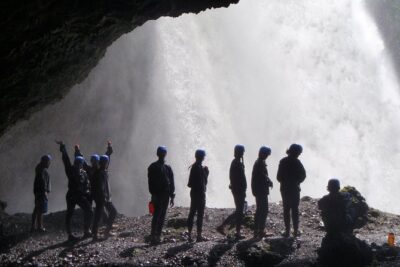
Clearwater, BC, Rafting, Finish in Canadas waterfall capital!
Read our review →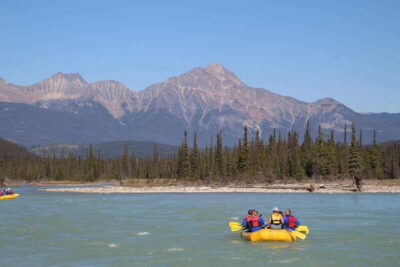
Jasper National Park: 2-Hour Whitewater Rafting
Read our review →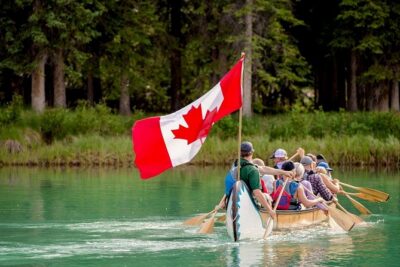
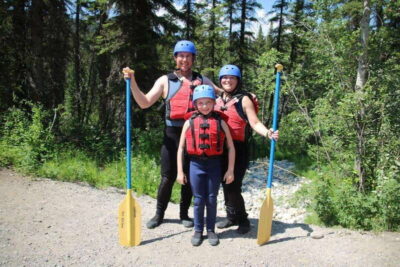
Afternoon Kananaskis River Whitewater Rafting Tour
Read our review →Browse the lists this tour appears in