
Reviewed · WILDLIFE & BEAR VIEWING
Campbell River: Grizzly Bear-Watching Tour with Lunch
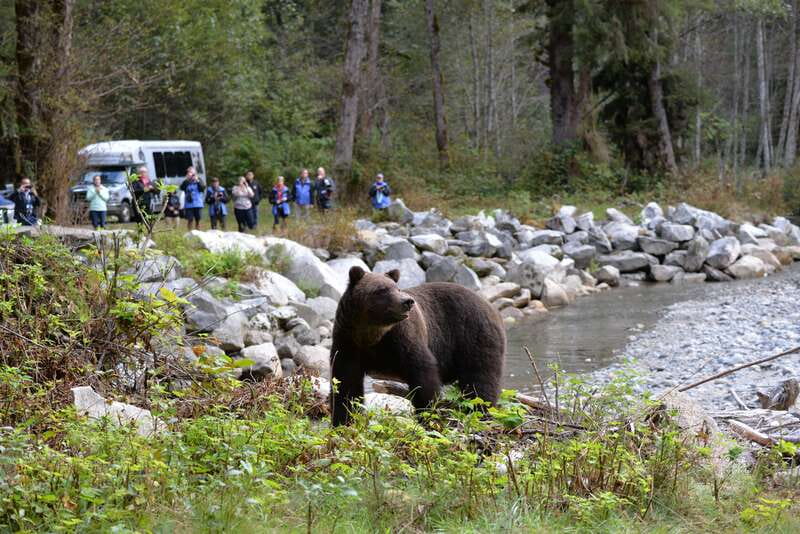
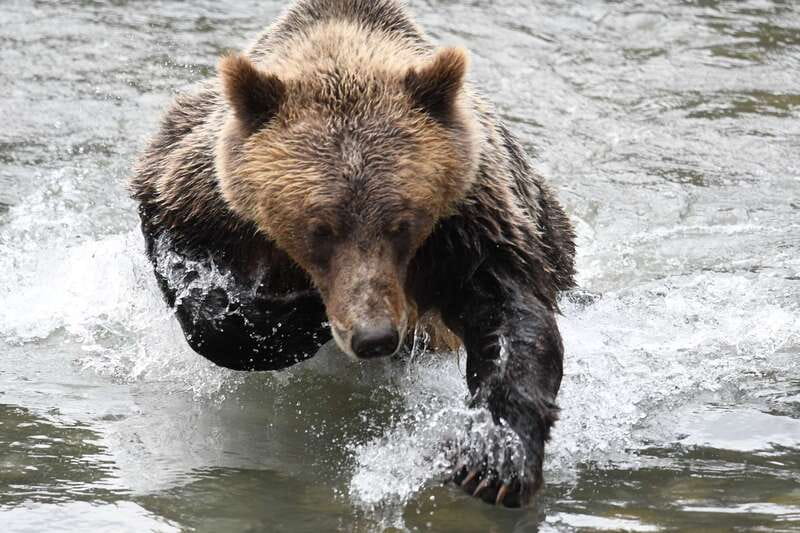
Grizzly bears come to Orford Bay and nearby rivers to feed on spawning salmon before winter. This full-day trip takes you from Campbell River by boat into Homalco territory, then by bus to raised viewing platforms and ground sites where you can watch wild bears at a careful distance. The setting is the star, with fjord scenery, salmon streams, and thick coastal forest all around you.
I like two things here. First, Homalco guides connect the wildlife to the land and culture, rather than treating the bears as a quick photo stop. Second, the boat ride can add whales, sea lions, or orcas to the day. The main consideration is time: the journey is long, and the actual bear search lasts about three hours, with wildlife sightings never guaranteed.
In This Review
- Key points
- From Campbell River to Bute Inlet
- Why Homalco guides change the experience
- Three hours among the bears at Orford Bay
- Choosing the best month for bear watching
- Lunch beside the estuary
- What the $460 price really covers
- Comfort, clothing, and physical demands
- The conservation and cultural value
- Who should book this Campbell River tour?
- FAQ
- Where does the Campbell River grizzly bear tour meet?
- How long does the tour last?
- Are bears guaranteed on this tour?
- What months are best for seeing grizzlies?
- What is included in the price?
- What should I bring?
- Can children or wheelchair users join?
- Should you book it?
Key points
- A full-day route into Bute Inlet: Travel from Campbell River across the Salish Sea, with possible marine wildlife sightings along the way.
- Homalco-led interpretation: Indigenous guides explain grizzlies, salmon, local traditions, and the continuing ties between the Homalco people and this territory.
- Three hours at Orford Bay: Use viewing towers and selected ground locations based on where bears are active.
- Best bear odds in September: Salmon draw the largest number of bears then, while October offers quieter viewing and changeable weather.
- Lunch beside the estuary: Eat at the dock with open views toward Orford Bay and the surrounding mountains.
- A responsible wildlife experience: Part of the tour price supports bear conservation, salmon restoration, Homalco language and cultural programs, and employment.
From Campbell River to Bute Inlet
Your day begins at the Homalco Wildlife & Cultural Tours office at Coast Marina in Campbell River. Arrive 15 minutes before departure. Parking is across the street at Tyee Plaza Shopping Centre, but you need to avoid spaces reserved for the Coast Discovery Inn.
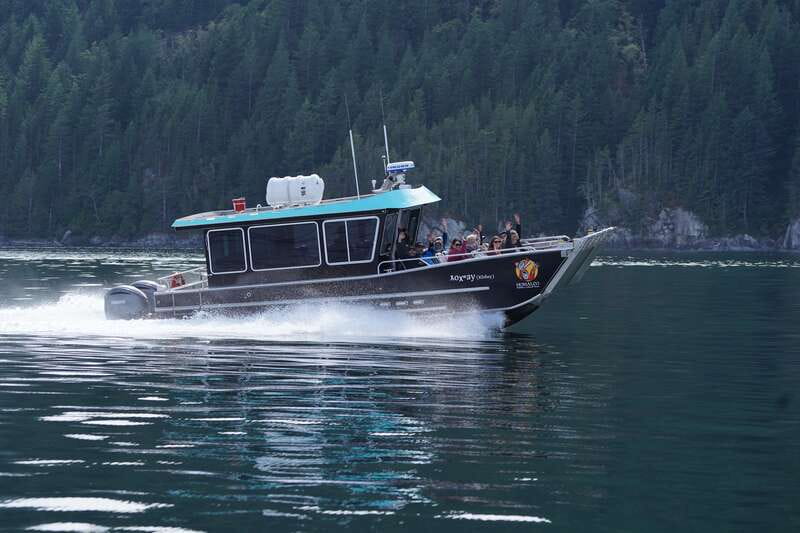
The first major part of the trip is by boat. You travel through the Salish Sea toward Bute Inlet, one of British Columbia’s striking fjords. The ride is not just a transfer. It gives you a broad look at the waterways that connect Campbell River with the traditional territory of the Homalco First Nation.
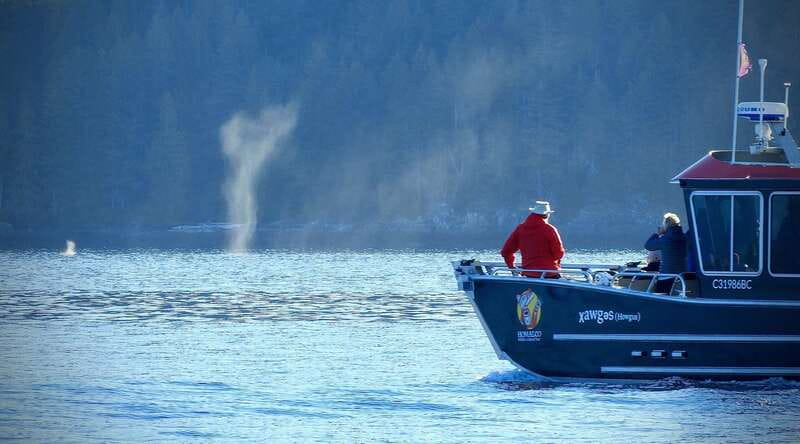
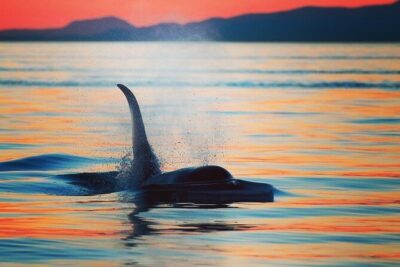
The scenery changes as the boat moves toward the inlet. You see steep coastal mountains, forest, and sheltered water, with chances to spot marine life. The boat crew may look for humpback whales, orcas, and sea lions. One outing recorded two pods of orcas and a humpback whale, while another included humpbacks, sea lions, and orcas before reaching Bute Inlet.
That wildlife search adds real value to the trip, but keep your expectations in the right place. The crew looks for animals when conditions allow, yet the boat ride is not a separate whale-watching tour. Encounters may be brief, and the route can change with the weather. If you need a fast, guaranteed bear sighting, this is not the right format. If you enjoy a full day shaped by nature, the uncertainty is part of the deal.
More Wildlife & Bear Viewing in Vancouver Island
- Campbell River: Whale & Wildlife Discovery Cruise
★ 4.8 · 143 reviews - Campbell River: 4 Hour Whale & Wildlife Zodiac Boat Tour
★ 4.7 · 133 reviews - Campbell River: Bute Inlet Grizzly-Watching Tour & Boat Ride
★ 5.0 · 61 reviews
Why Homalco guides change the experience
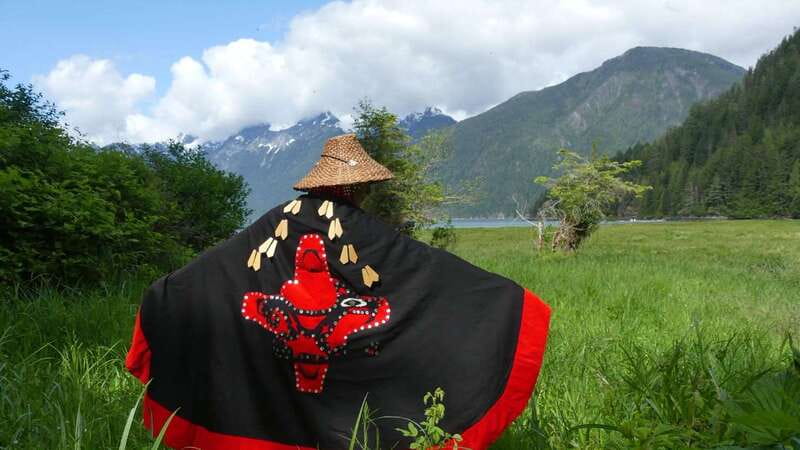
The bear viewing takes place on the traditional territory of the Homalco people. That matters because you are not simply arriving at a remote site, taking pictures, and leaving. The guides explain the relationship between the salmon, bears, waterways, and the people who have lived with this territory for generations.
Guides such as Kaylin and James have welcomed groups at the Homalco camp, while other departures have included Janet, Guy, and Dude. On the boat, naturalists including Holly and Debra have helped identify marine animals and answer questions. The exact team can vary, but the format remains personal, with a small group and direct contact with the guides.
I especially like the way the bear story is tied to salmon. Grizzlies begin moving toward the Orford Bay area around mid-August, preparing to eat heavily before winter hibernation. As salmon move from the bay into the rivers to spawn, the bears have a seasonal food source that has drawn them to these channels for thousands of years.
The tour also uses the Homalco word χawgəs for grizzly bear. Small details like this help you understand that the experience is rooted in place and language, not just wildlife photography. The guides share information about bear behavior, salmon, Homalco culture, and the land as you move between viewing areas.
Three hours among the bears at Orford Bay
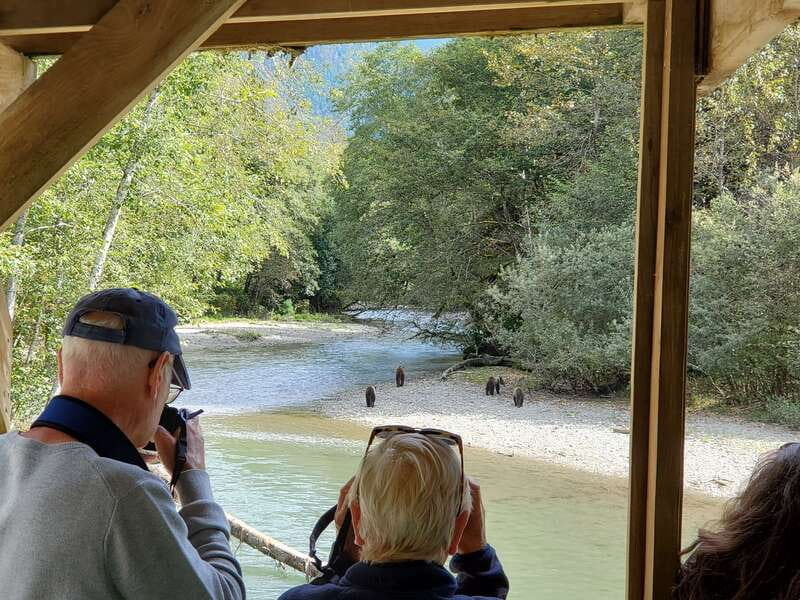
When you reach Orford Bay, the experience shifts from boat travel to a land-based search lasting about three hours. Indigenous guides transport you by bus to several raised viewing platforms and selected ground locations.
The guides choose locations based on where the bears are active. The Orford River and Algard Creek have different salmon-spawning channels, so there is no single fixed lookout that works every day. This flexible plan gives the group a better chance of finding bears, though it also means the route and timing can change.
The viewing towers let you watch from above in a more comfortable position. Ground viewing sites can bring you closer to the action, but the animals remain wild and the group must follow the guides’ instructions. One group saw a bear at about five meters, while others watched mothers and cubs from a greater distance. You should treat close sightings as luck, not as a promise.
The most encouraging part is the respectful behavior built into the experience. You are not walking up to bears or trying to attract them. You watch from designated areas while the guides read the situation and keep the group under control. Bring a camera, but keep your attention on the animal rather than spending the whole time behind a screen.
You might see one bear, several bears, or none. The tour company cannot guarantee sightings, and weather, salmon movement, and bear behavior all affect the day. Some outings have produced six, eight, or ten grizzlies, including cubs. Those numbers show what is possible in good conditions, not what you should expect as a minimum.
Choosing the best month for bear watching
The season runs through a period of changing bear behavior. Your choice of date affects the type of experience you are likely to have.
August usually brings the warmest and most pleasant weather. Grizzlies are moving down from higher areas, but the salmon may not yet be moving far up the rivers. During the first part of the month, bears may spend more time feeding on grasses, berries, and shellfish while waiting for the salmon run.
September is generally the strongest month for bear numbers because salmon are moving through the rivers. It is also the busiest period, and coastal rain becomes more common. If your priority is maximizing the chance of seeing several bears, September makes sense. You should also be ready for wet weather and a fuller boat or viewing schedule.
October offers a quieter and more intimate feel. Fall colors and changing weather add atmosphere, but daylight hours are shorter and conditions are less predictable. October can be a fine choice if you prefer a calmer outing and accept that the weather may be rougher.
Climate change has affected weather, salmon timing, and bear behavior. The seasonal pattern above is useful, but it is not a timetable. Nature does not check the brochure before changing its plans.
More wildlife & bear viewing in Campbell River:
- Campbell River: Full-Day Grizzly Bear Tour With Lunch
★ 4.6 · 32 reviews - Campbell River: Whale Watching and Wildlife Viewing Day Tour
★ 4.9 · 23 reviews - Campbell River: Grizzly Bear Expedition with Lunch
★ 4.9 · 11 reviews - Victoria Whale and Wildlife Cruise
★ 5.0 · 1,729 reviews
Lunch beside the estuary
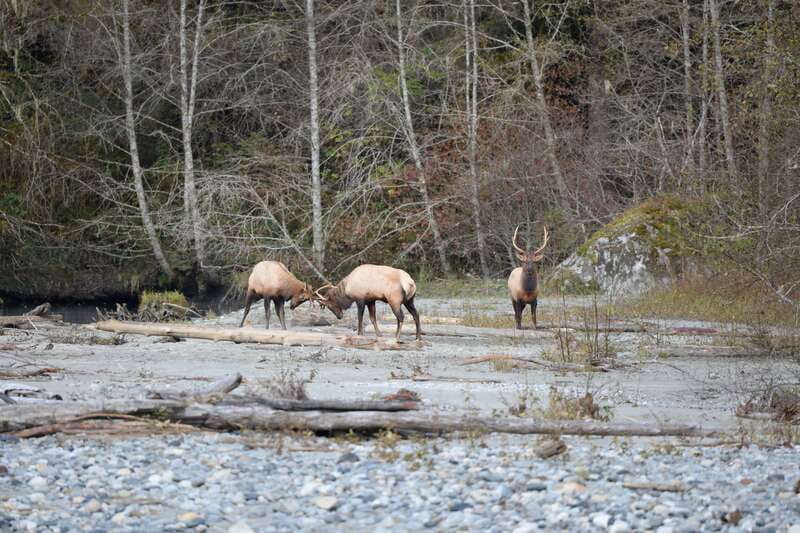
Lunch is served at the dock in Orford Bay, with an open view across the estuary and toward the mountains. This is a practical break after the land portion, but it is also one of the nicest pauses in the day because you remain surrounded by the setting that brought you here.
The meal has included a large sandwich, a cookie, and a hot drink. Snacks and drinks are also provided during the outing. Gluten-free needs have been accommodated on at least one departure, but you should communicate dietary requirements before booking or as early as possible.
Do not expect a restaurant meal or a long menu. Think of lunch as substantial field food served in a remote location. The sandwich and hot drink should help you through a long day, especially if the weather turns cool. Bring your own extra food only if you have specific dietary needs, since the supplied details do not promise a wider range of choices.
What the $460 price really covers
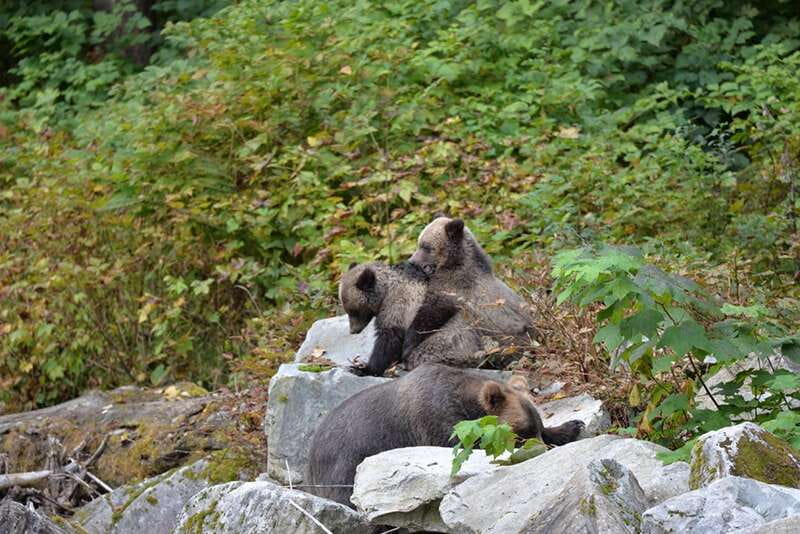
At $460 per person, this is an expensive day. The cost makes more sense when you look at what is included: boat transportation from Campbell River, transport at Orford Bay, a live English-speaking guide, marine wildlife searching, Indigenous cultural interpretation, bear viewing, lunch, snacks, and drinks.
You are also paying for access to a remote area that would be difficult to reach independently. The boat journey into Bute Inlet, the local transport, the viewing structures, and the guide team all require planning and operating costs. A portion of the price supports bear conservation, salmon restoration, Homalco language and cultural renewal, and employment and career opportunities for Homalco people.
The value depends on your priorities. I think the price is easier to justify if you want more than a wildlife checklist. You receive a long day of scenery, cultural context, marine searching, and bear watching in a protected setting. If you only care about seeing a grizzly for a few minutes, the cost may feel steep, especially on a day with poor conditions.
Small-group travel helps here. You have more chance to ask questions and hear the guide than you would on a large coach outing. The trade-off is that the schedule is full, so some wildlife encounters may feel brief. One departure spent roughly two and a half hours actively looking for bears during a trip lasting around seven and a half hours, with other animal sightings along the way but little time stopped for them.
Comfort, clothing, and physical demands
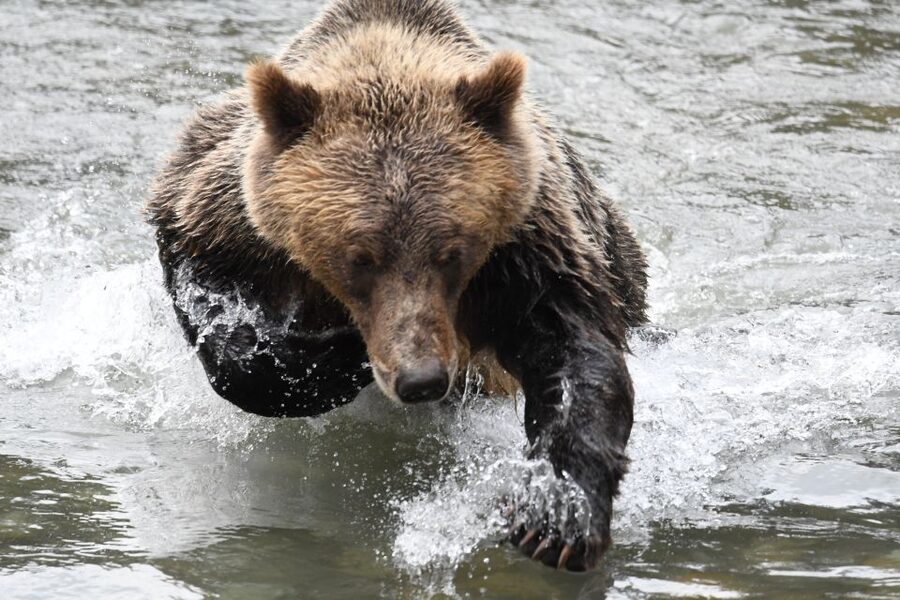
This is not a strenuous wilderness trek, but it is not an easy urban excursion either. You ride a boat, transfer to a bus, walk around viewing areas, and spend much of the day outdoors. Raised platforms and ground locations make the bear search manageable, but the tour is not suitable for wheelchair users or people with back problems.
Wear warm clothing, hiking shoes, and rain gear. Coastal British Columbia weather can change quickly, especially in September and October. Biodegradable sunscreen and insect repellent are useful, and binoculars can help you study animals that remain well away from the viewing platforms.
The boat has toilet facilities. You should not join if you are feeling unwell or have a cold. Children under 10 cannot take part, and anyone aged 10 to 17 must be accompanied by an adult. Drones, tripods, alcohol, and drugs are not allowed.
A camera is welcome, but large tripods are not. Pack light and keep your equipment easy to handle during bus transfers and at the platforms. Rain protection for your camera can be just as useful as rain protection for yourself.
The conservation and cultural value
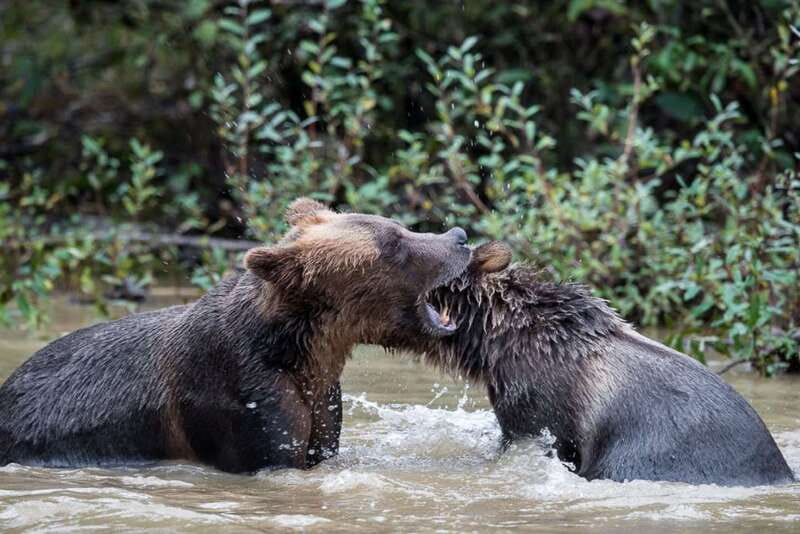
A good wildlife tour should leave the animals alone and give something back to the place. This one directs part of its income toward bear conservation and salmon restoration, both of which support the seasonal cycle you are there to witness.
Funding also supports Homalco language and cultural renewal. That gives your booking a purpose beyond entertainment. You are entering a working cultural territory with local guides, not simply using a scenic location as a backdrop.
The guides’ role is important. They explain how bears prepare for winter, why salmon are central to the ecosystem, and how the Homalco people remain connected to the land. This makes the bear sightings more meaningful. You understand the feeding season as part of a long cycle rather than as a staged animal show.
You still need to behave carefully. Listen to the guide, stay in the assigned areas, and avoid sudden attempts to get closer for a photograph. The best sighting is one in which the bear continues its normal behavior and the group leaves it undisturbed.
Who should book this Campbell River tour?
I would choose this experience if you have a full day available in Campbell River and want a serious wildlife outing with cultural interpretation. It suits adults, older children who can manage a long day, photographers who accept unpredictable conditions, and anyone drawn to coastal scenery as much as to bears.
It is also a strong choice if you want your money to support local conservation and Homalco cultural work. The First Nation-led approach gives the day a sense of place that a standard wildlife cruise may not provide.
I would hesitate if you dislike boat travel, need a fixed schedule, have mobility or back concerns, or will be disappointed by a quiet bear day. The journey is long, and no one can control salmon timing or bear movement. September offers the best general chance of multiple bears, but it also brings more rain and more people. October is calmer but less reliable for weather.
The tour offers free cancellation up to two days before departure, and you receive a full refund if the operator cancels. Still, check the start time when booking because the 510-minute duration makes this a full-day commitment.
FAQ
Where does the Campbell River grizzly bear tour meet?
Meet at the Homalco Wildlife & Cultural Tours office at the Coast Marina. Arrive 15 minutes before departure. Parking is available across the street at Tyee Plaza Shopping Centre, but do not use spaces marked for the Coast Discovery Inn.
How long does the tour last?
The stated duration is 510 minutes, or eight and a half hours. The trip includes boat travel, the Orford Bay land experience, bear viewing, lunch, and the return journey.
Are bears guaranteed on this tour?
No. Wildlife sightings are not guaranteed because bears, salmon, weather, and marine animals behave unpredictably. The guides use several viewing areas to search for bears where activity is strongest.
What months are best for seeing grizzlies?
September typically has the highest number of bears because salmon are moving through the rivers. August usually has warmer weather, while October offers quieter viewing with shorter days and more changeable conditions.
What is included in the price?
The $460 per person price includes a tour guide, transportation during the activity, lunch, snacks, and drinks. Hotel pickup and drop-off are not included.
What should I bring?
Bring warm clothes, rain gear, hiking shoes, a camera, biodegradable sunscreen, insect repellent, and binoculars. Conditions can change, so waterproof layers are especially useful.
Can children or wheelchair users join?
Children under 10 cannot join. Passengers aged 10 to 17 must be accompanied by an adult. The tour is not suitable for wheelchair users or people with back problems.
Should you book it?
Book this tour if you want a full day built around wild nature, Homalco culture, and the chance to see grizzlies feeding near salmon streams. The strongest parts are the local guides, the journey into Bute Inlet, and the chance to add orcas, humpbacks, or sea lions before reaching the bears.
Skip it if you need guaranteed sightings, a short excursion, or a highly predictable timetable. At $460, the price demands realistic expectations. You are paying for access, expertise, conservation support, and a rare setting, not a guaranteed number of bears.
For the best odds of a memorable bear day, aim for September and pack for rain. If you prefer fewer people and can accept shorter days, October may suit you better. Either way, go ready to watch patiently. The bears set the schedule.
More Lunch Experiences in Campbell River
- Campbell River: 6 Hour Zodiac Whale Watching Tour w/ Lunch
★ 4.6 · 31 reviews - Campbell River: Whale Watching Cruise with Lunch
★ 4.9 · 20 reviews - Campbell River: 6 Hour Covered Whale Watching Tour w/ Lunch
★ 3.8 · 11 reviews - Niagara Falls Day Tour Includes Boat Cruise, Winery Stop & Lunch
★ 4.5 · 1,820 reviews
Just added around Campbell River
- Campbell River: Whale Watching and Wildlife Viewing Day Tour★ 4.9 · 23 reviews
- Campbell River: Kayaking and Whale Watching Tour★ 4.6 · 8 reviews
- Campbell River: Whale Watching Cruise with Lunch★ 4.9 · 20 reviews
- Campbell River: Whale & Wildlife Discovery Cruise★ 4.8 · 143 reviews
- Campbell River: Grizzly Bear Expedition with Lunch★ 4.9 · 11 reviews
- Campbell River: Salish Sea Whale Watching Adventure★ 4.6 · 64 reviews
- Campbell River: Bute Inlet Grizzly-Watching Tour & Boat Ride★ 5.0 · 61 reviews
- Campbell River: Full-Day Grizzly Bear Tour With Lunch★ 4.6 · 32 reviews
Wildlife & Bear Viewing, compared.
Jasper National Park: Evening or Morning Wildlife Watch Tour
Read our review →
Jasper Wildlife & Sightseeing Tour with Maligne Lake Cruise
Read our review →
Wildlife and Waterfalls Tour with Maligne Cruise
Read our review →
Cowichan Bay Half Day Whale & Wildlife Adventure
Read our review →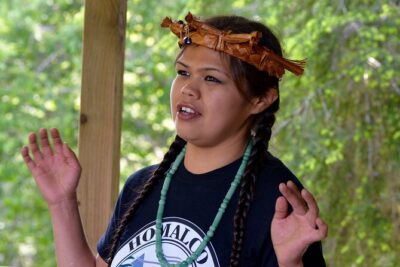
Great Bears of Bute: Grizzly Bear Viewing & Indigenous Cultural Tour
Read our review →Browse the lists this tour appears in