
Reviewed · HIKING & TREKKING
Canmore: Lost Towns and Untold Stories Hiking Tour – 3hrs
The most interesting part of this three-hour Canmore hike is what lies under the brush: old wagon roads, discarded objects, and traces of mining towns that once had working communities. You follow a guide into Kananaskis Country, where the mountain views share the stage with stories about early 1900s life and the people who left these places behind.
I like the personal scale of the outing, with hiking groups advertised at no more than six, and I like that the park pass is already covered in the $66.60 price. Guides Jacob and Ben bring different local details into the walk, from unusual trees to animal tracks and recent bear scat. The catch is the terrain: some short sections are steep, so this is not a gentle stroll.
In This Review
- Key points at a glance
- Following wagon roads into Canmore’s past
- What the three hours feel like
- Jacob, Ben, and the value of a local guide
- Wildlife, trees, and the need to pay attention
- How strenuous is the trail?
- The scenery is part of the reward
- Is $66.60 a fair price?
- Who should book this hike?
- My take on the Lost Towns hike
- FAQ
- Where does the Canmore Lost Towns hike start?
- How long does the hiking tour last?
- What is included in the price?
- Do I need to bring food and water?
- Is the hike suitable for children and people with medical conditions?
- What happens if the tour is canceled?
Key points at a glance
- Lost mining towns: Follow overgrown wagon roads and find physical traces of settlements that have faded from the map.
- Small-group feel: The hike is designed for groups of no more than six, although the overall activity limit is listed as 12 people.
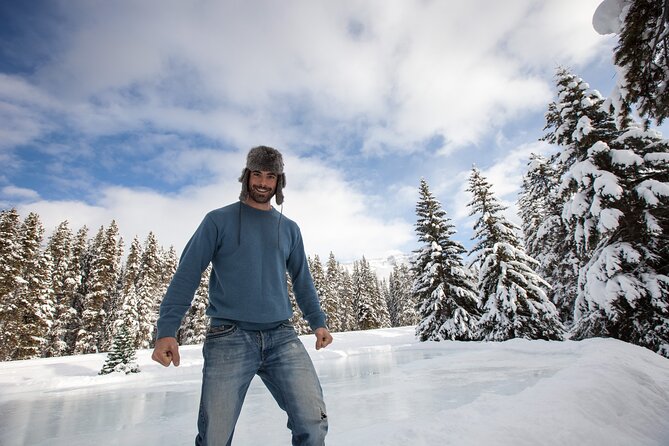
- Guides who add context: Jacob and Ben explain local plants, mountain life, early 1900s communities, and signs of wildlife.
- Wildlife awareness: You may see game animals, and bear signs are possible, so stay alert and follow your guide’s instructions.
- Useful seasonal gear: Hiking poles are available on request, and ice cleats are supplied when conditions require them.
- Simple half-day plan: Meet at Canmore Recreation Centre, hike in Kananaskis Country, and return to the same meeting point.
Following wagon roads into Canmore’s past
This outing is less about reaching a famous viewpoint and more about learning how to read the ground beneath your boots. The route heads along overgrown wagon roads toward old mining settlements, giving you a look at how people once moved supplies and lived in the Canadian Rockies.
You might find remnants left behind when the townsfolk moved on. Those objects matter because they make the story tangible. Instead of hearing only dates and names, you can connect the past to a broken item, an old route, or a trace of a former settlement.
The route is in Kananaskis Country, an area known for mountain scenery and outdoor recreation. The tour description does not give a precise trail name or a detailed elevation profile, so you should not book it expecting a fixed list of landmarks. The appeal is the combination of guided exploration, local stories, and changing trail conditions.
I like that the guide leads you back along the route at the end rather than leaving you to find your own way. The return gives you time to think through what you have seen, and it keeps the outing easy to understand: meet, hike into the area, explore the old sites, and return to Canmore.
A few more Canmore trips to weigh up
- Banff/Canmore Moraine Lake & Lake Louise– Hike, Canoe or Sightsee
★ 5.0 · 104 reviews - Wilderness and Wildlife Hiking Tour – 3hr Hike
★ 5.0 · 18 reviews - Discover Ancient Pictographs – Guided Canyon Hiking Tour 3H
★ 5.0 · 18 reviews
What the three hours feel like
The tour lasts about three hours, which is long enough to make the outing feel substantial without taking up an entire day. You get time for the walk itself, pauses for views, and explanations about the former communities and natural surroundings.
This is not a fast-paced fitness hike. Guides stop when the trail gets steep and allow time to catch your breath. That said, the route does include climbs, and the short steep sections can still feel demanding if you are not used to uneven mountain trails.
One person who joined during a quieter season had the hike go ahead as a solo outing, even though only one booking had been made. That suggests the experience can feel personal when numbers are low, but you should remember that minimum booking requirements still apply. If the minimum number is not met, the operator may cancel and offer another date, another activity, or a full refund.
The stated small-group size is a real advantage. A group of up to six makes it easier to hear the guide, ask questions, and pause without holding up a large line of people. The additional information also gives a maximum of 12 participants for the activity, so confirm the expected group size when booking if that point matters to you.
Jacob, Ben, and the value of a local guide
A good guide is especially useful on a route built around remains and clues rather than grand monuments. Jacob is described as friendly and entertaining, with the ability to explain the area’s past, local trees, and animal traces without turning the walk into a lecture.
Ben brings similar strengths. On his outings, the focus has included mountain vegetation, life in the early 1900s, objects abandoned when residents left, and signs of wildlife. That mix helps keep the three hours varied. You are not simply walking from point A to point B while someone recites facts.
The guides also seem willing to adjust the pace. That matters on a trail with short climbs, especially for mixed-age groups. You can stop to take in the views and regain your breath rather than feeling pushed to maintain a strict pace.
I would ask your guide questions as you go. The route’s value depends heavily on the stories and observations brought to it. Ask about the mining settlements, the wagon roads, the objects you find, the trees around you, and the animal signs. A curious approach will make the experience feel more like fieldwork than an ordinary woodland walk.
Wildlife, trees, and the need to pay attention
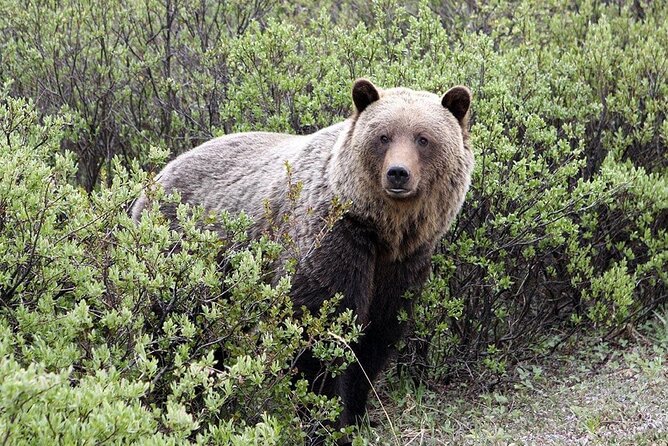
The tour asks you to keep watch for bears and other local wildlife. Past groups have seen game animals and fresh bear scat, but those sightings are not guaranteed. The useful point is that your guide can help you notice signs you might otherwise walk past.
Bear scat is a reminder that this is a genuine mountain outing, not a constructed heritage attraction. You should listen carefully to the guide’s safety instructions and stay alert along the route. The provided details do not promise a wildlife encounter, so book this for the combination of nature and local stories, not for a guaranteed animal sighting.
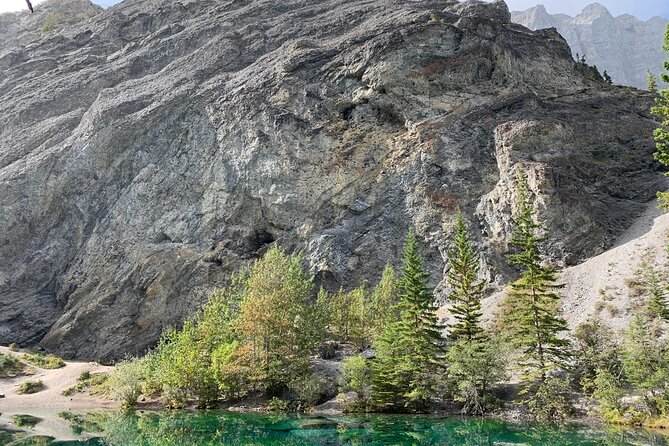
The natural side of the tour includes more than wildlife. Guides point out local vegetation and unusual trees, helping you connect the old settlement story with the place itself. You may come away knowing more about the plants underfoot as well as the people who once used the roads.
This is one of the tour’s strongest features. The past and the outdoors are not treated as separate subjects. Old roads run through living forest, and animal signs can appear near traces of human activity. You get a better sense of how temporary the mining towns were and how quickly nature can cover the evidence.
Same province, a completely different day out:
- Canmore Caving Adventure Tour
★ 5.0 · 356 reviews - Canmore Caving Explorer Tour
★ 5.0 · 277 reviews - Canmore: Bow River Scenic Float Tour
★ 4.9 · 257 reviews - Moraine Lake & Louise – Morning or Sunset Tour from Banff/Canmore
★ 5.0 · 194 reviews
How strenuous is the trail?
You should have a reasonable level of walking fitness for this tour. The route includes overgrown roads and steep sections, although the steep climbs are described as short. The guide can pause for breaks, but the hike still asks you to handle uneven ground and elevation changes.
The tour is not suitable for people with mobility issues, back problems, recent surgeries, or serious medical conditions. Pregnant people are advised not to participate, and children under eight are not permitted. Most other participants can take part, but you should judge your own comfort with a three-hour mountain walk honestly.
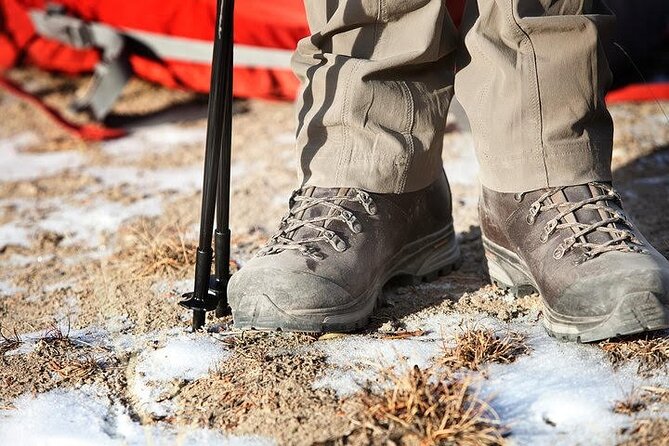
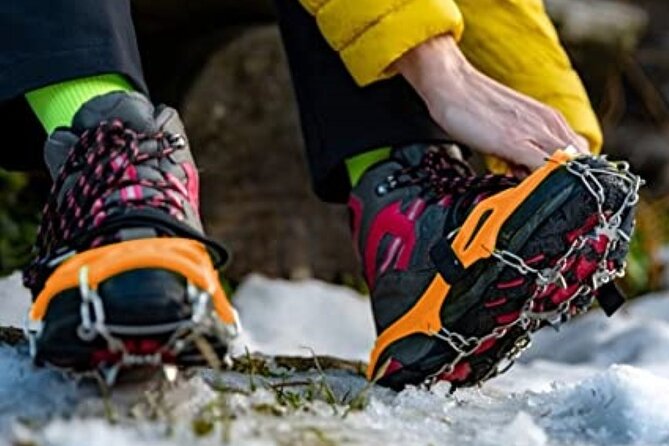
Hiking poles are available if you request them. These can help on climbs and descents, especially if the ground is loose or uneven. Ice cleats are supplied when conditions require them, which is useful during icy periods. You should still wear proper outdoor footwear and bring clothing suited to changing mountain weather, since the tour takes place outside and requires good weather to operate.
Bring your own bottled water and snacks. They are not included. This is a small detail, but it matters on a three-hour hike, particularly if you are joining after breakfast or lunch and expect to be outdoors for the full period.
Service animals are welcome. The meeting point is near public transportation, and the activity begins and ends at Canmore Recreation Centre, at 1900 8 Ave, Canmore, Alberta. Returning to the starting point keeps the transport plan simple, especially if you are staying in Canmore and do not want to arrange a separate pickup.
The scenery is part of the reward
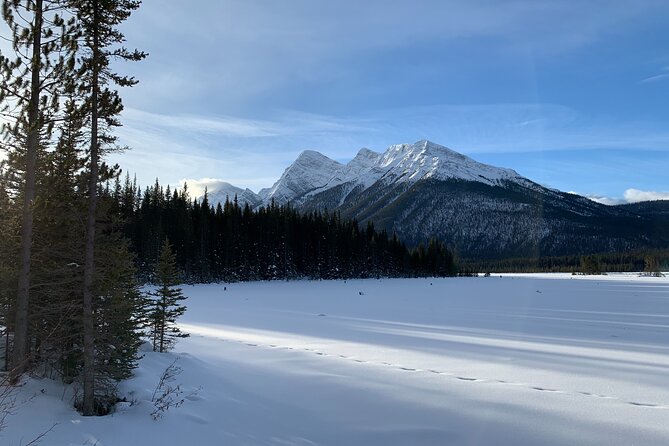
The route offers mountain views along with the historical stops. You can expect pauses where the guide lets you take in the surroundings, particularly after steeper sections. The scenery gives the walk a strong visual payoff even when the remains of the mining towns are modest.
Keep your expectations sensible. This is not presented as a large preserved town with standing buildings and a full museum collection. You will be exploring remnants, roads, and objects in an outdoor setting. For me, that makes the route more atmospheric, but it may disappoint anyone hoping for a major architectural site.
The best moments are likely to come from the contrast: a quiet trail, a broad mountain view, and a small clue that people once worked and lived there. The guide’s explanation helps turn an ordinary-looking patch of forest into a place with a story.
The timing also works well for a Canmore itinerary. Three hours leaves room before or after the tour for other plans, while still giving you enough time to feel that you have spent a proper half-day outdoors. The experience is offered in English, so you should be comfortable following spoken explanations during the walk.
Is $66.60 a fair price?
At $66.60 per person, the price is reasonable if you want a guided outing rather than simply walking on your own. The value comes from the certified guide, interpretation of the mining sites, small-group format, park pass fee, and seasonal equipment such as poles or ice cleats when needed.
You are not paying for food, drinks, or transportation to the trailhead. Bottled water and snacks are extra, and you make your own way to the Canmore Recreation Centre. If you already have outdoor gear and know the area well, you may prefer a self-guided walk. But without a guide, you could easily pass the old wagon roads and settlement remains without understanding what you are seeing.
The price also makes sense for solo visitors. One person may be able to join even when the booking period is quiet, and the group format gives you a natural way to meet other people. The tour is social without requiring you to organize a private party.
The strongest value comes when the guide is active in the experience. Ask questions, look closely at the remains, and take time to notice plants and animal signs. If you treat the outing as a simple walk, the cost may feel high. If you want local interpretation and a clearer connection to the area’s past, it is easier to justify.
Who should book this hike?
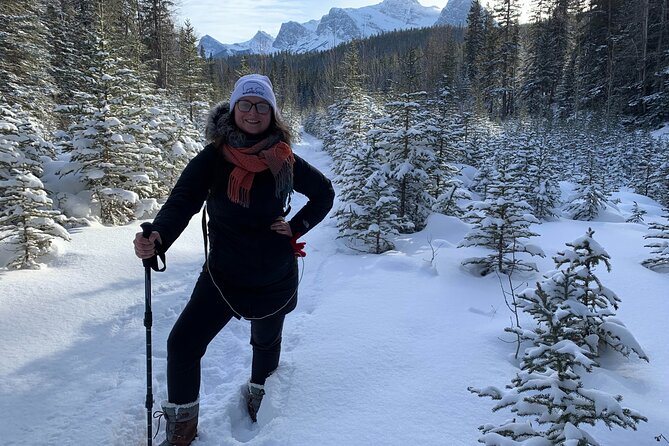
I would recommend it to you if you enjoy short hikes with a strong sense of place. It suits people who want mountain scenery but also want to understand what happened in the area, rather than simply taking photographs from a viewpoint.
It is particularly good for:
- Solo visitors who want a structured outdoor activity and a chance to meet a small group.
- Couples or friends who enjoy local stories, old routes, and light exploration.
- Visitors with enough fitness for a three-hour walk that includes short steep climbs.
- People interested in early mining communities, plants, wildlife signs, and outdoor history.
- Anyone who prefers a guided route through less obvious sites.
I would think twice if you want a flat path, a gentle sightseeing walk, or a guaranteed wildlife encounter. The route is not suitable for children under eight or for people with the listed health and mobility concerns. You also need to be comfortable outdoors in conditions that may change, since poor weather can cause a cancellation.
Free cancellation is available up to 24 hours before the start time. Changes or cancellations made within 24 hours are not refunded. If poor weather or insufficient bookings cancel the activity, you can choose another date or experience, or receive a full refund.
My take on the Lost Towns hike
This tour works because it keeps its focus narrow: walk old roads, search for traces of abandoned mining towns, and let a local guide explain what the area reveals. The stories about early 1900s life, local plants, and wildlife give the route more substance than a standard mountain walk.
I especially like the mix of discovery and scenery. You may see game animals or bear signs, but the tour does not need a dramatic encounter to be worthwhile. The old roads and discarded objects already provide a reason to slow down and look closely.
Book it if you want a guided half-day in Kananaskis Country and can handle a few steep sections. Skip it if your priority is an easy, flat path or a formal museum-style account of local mining. For the right walker, $66.60 buys a personal introduction to a quieter piece of Canmore’s past, with the mountains providing the backdrop.
FAQ
Where does the Canmore Lost Towns hike start?
The tour starts at Canmore Recreation Centre, 1900 8 Ave, Canmore, Alberta, T1W 1Y2. The activity ends back at the same meeting point.
How long does the hiking tour last?
The tour lasts approximately three hours.
What is included in the price?
The price includes a professional certified guide and park pass fees. Hiking poles are available on request, and ice cleats are provided when required.
Do I need to bring food and water?
Yes. Bottled water and snacks are not included, so you should bring your own.
Is the hike suitable for children and people with medical conditions?
The tour is not designed for children under eight. It is also not suitable for people with mobility issues, back problems, recent surgeries, serious medical conditions, or pregnancy.
What happens if the tour is canceled?
The tour may be canceled because of poor weather or because the minimum number of participants is not reached. In that case, you can choose another date or experience, or receive a full refund. You can also cancel up to 24 hours before the start time for a full refund.
Just added around Canmore
- Sunset at Moraine Lake & Stargazing Tour from Canmore/Banff★ 5.0 · 95 reviews
- 2 Day Banff Lake Louise Johnston Canyon Gondola Cave Basin tour★ 4.5 · 8 reviews
- Rocky mountain – VIP Experience – Private Boat★ 5.0 · 6 reviews
- Private Guided Tour to Banff Lake Louise|Moraine|Icefields &More!★ 5.0 · 5 reviews
- Experience Golden Hour at Moraine and Lake Louise★ 5.0 · 18 reviews
- Shared Tour: Lake Louise & Emerald Lake from Canmore/Banff★ 4.5 · 5 reviews
- Full Day Private Tour Banff/Yoho Customized Sightseeing★ 4.5 · 31 reviews
- Banff/Canmore Moraine Lake & Lake Louise– Hike, Canoe or Sightsee★ 5.0 · 104 reviews
Hiking & Trekking, compared.
Guided Glacier Hike on The Athabasca with IceWalks
Read our review →
Wildlife and Waterfalls Tour with Lakeshore Hike
Read our review →
Jasper Wildlife and Sightseeing Tour with Maligne Lake Hike
Read our review →
eBike and Hike Banff to Johnston Canyon small group guided program
Read our review →Browse the lists this tour appears in