
Reviewed · NATIONAL PARK TOURS
Jasper: Jasper Planetarium and Telescope Combo Tour Tickets
Jasper’s Planetarium and Telescope Combo Tour brings the night sky down to earth, then sends you outside to search for planets, star clusters, nebulas, and other deep-space objects. The best moments come when the telescope points at Saturn or another bright target, but even a cloudy night has a useful backup plan.
I like the mix of First Nations sky stories and modern astronomy, and I like that you can actually touch meteorites, a Moon rock, and a Mars rock. The guides are enthusiastic and ready for questions. The catch is simple: mountain weather can hide the stars, and the outdoor telescope portion may feel cold, repetitive, or less exciting when clouds fill the sky.
In This Review
- Key points at a glance
- What the $61 price really buys you
- Starting inside the Jasper Park Lodge
- Inside the dome: from local skies to the edge of space
- Handling pieces of the Moon, Mars, and meteorites
- Outside with Jasper’s large telescopes
- When clouds take over the show
- Cold-weather planning and what to bring
- Who will enjoy this most
- Practical booking advice for a smoother night
- Final verdict: book it for the full astronomy experience
- FAQ
- How long does the Jasper Planetarium and Telescope Combo Tour last?
- Where do I check in for the tour?
- How early should I arrive?
- What happens if the sky is cloudy?
- Can I return if clouds block the telescope views?
- Is the tour suitable for young children and wheelchair users?
Key points at a glance
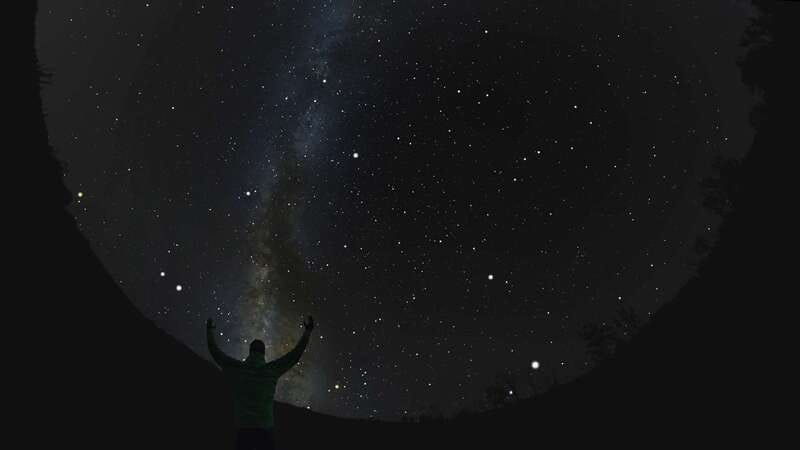
- First Nations constellations in the planetarium: The opening show places Jasper’s sky within local Indigenous traditions, then moves outward toward the Milky Way and the edge of the universe.
- Real Moon and Mars rocks: You can handle specimens from beyond Earth, along with meteorites.
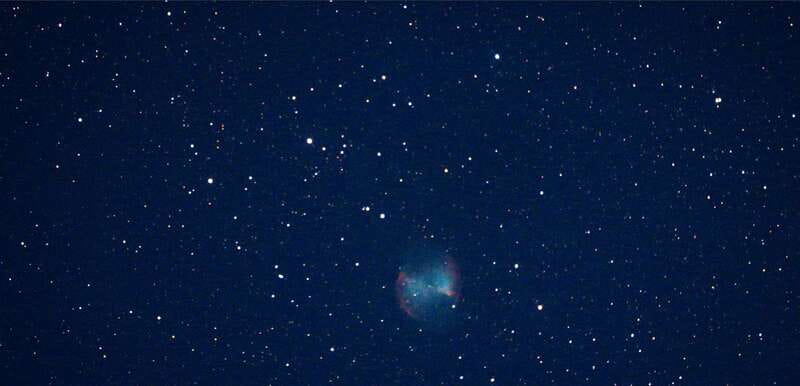
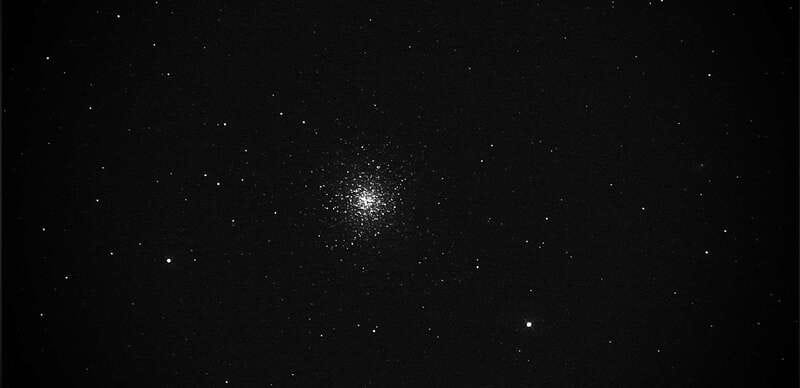
- Powerful telescopes outside: On a clear night, you may see planets, star clusters, nebulas, and other distant objects.
- A strong cloudy-night backup: Guides explain the Northern Lights, aurora photography, and space science, then use 4K images from earlier telescope sessions if live viewing is blocked.
- Two-year telescope rain check: Cloudy conditions do not bring a refund, but you can return for the telescope tour within two years at no extra charge.
- A sunset timing tip: Pick a departure after sunset if you want the best chance of seeing a properly dark sky.
What the $61 price really buys you
At $61 per person, this is not simply a short look through a telescope. You are paying for a 90-minute guided program that combines a planetarium presentation, access to optical telescopes, astronomy explanations, a question period, and a cloudy-night alternative.
The value depends heavily on your expectations. If you want a guaranteed parade of planets, this is a gamble because Jasper’s weather changes quickly. If you want an introduction to astronomy with a real chance of seeing something through a large telescope, the price is easier to justify.
The two-year rain check matters. You do not receive a refund because of clouds, but you can return and try the telescope portion again on a clearer night. That is especially useful if you are staying in Jasper for several days or expect to return to the area. It is less useful for a one-night stop in the Rockies.
The tour also gives you something a regular stargazing session cannot: physical objects. Holding a Mars rock or Moon rock gives the science a real-world scale. You are not only looking at a screen or listening to a talk. You are handling pieces of other worlds.
More National Park Tours in Jasper
- Jasper: Columbia Icefield Skywalk and Ice Explorer Ticket
★ 4.6 · 2,444 reviews - Jasper National Park: Maligne Lake Cruise With Guide
★ 4.7 · 896 reviews - Jasper Evening Wildlife Tour
★ 4.5 · 710 reviews
Starting inside the Jasper Park Lodge
Check in 15 minutes before departure at the Planetarium Retail Desk inside the Main Lodge at Jasper Park Lodge. Once inside, walk past the front desk toward the southwest corner of the lobby. The desk sits directly across from the Emerald Lounge.
If you enter through the doors opposite the P1 parking lot, marked Shops and Spa, the retail desk should be right in front of you. Drivers can use available spaces in parking lots P2, P3, or P4, with P2 closest to the planetarium.
Arrive early. Latecomers are not admitted once the program is underway because entering later interrupts the presentation. A late arrival may be moved to the next available tour, and that could be on another day.
The tour is conducted in English and has a live guide. It is wheelchair accessible. Children under four cannot enter the Planetarium Dome Theatre, so families with very young children need to plan around that restriction.
Inside the dome: from local skies to the edge of space
The first section takes place beneath the Planetarium Dome Theatre. The presentation introduces local First Nations constellations before widening the view to familiar astronomy subjects such as the Milky Way and the outer reaches of the universe.
That sequence gives the show a useful sense of place. You are not starting with an abstract list of stars. You begin with the sky as understood in the region, then move into the larger scientific picture.
The planetarium is likely the most dependable part of the tour because it does not rely on clear weather. Several high ratings focus on the quality of the explanations and the enthusiasm of the guides. The tone appears friendly and accessible rather than aimed only at serious amateur astronomers.
I would pay attention to the sound system during this part. One assessment found the speaker difficult to hear over the music, and another found the show could use improvement. That does not make the planetarium poor, but it means your enjoyment may depend on where you sit and how clearly the presentation is delivered that evening.
The format is designed for a broad age range. You do not need a background in astronomy to follow it, and the question period gives you a chance to ask about anything from planets to auroras. The guides’ willingness to answer questions is one of the strongest parts of the experience.
Handling pieces of the Moon, Mars, and meteorites
The tour includes access to real meteorites, a Moon rock, and a Mars rock. For many people, this is the most memorable part of the indoor program.
A telescope can show you a distant object, but a rock lets you think about space in a different way. You can connect the large scale of the planetarium show with a physical sample that has come from beyond Earth.
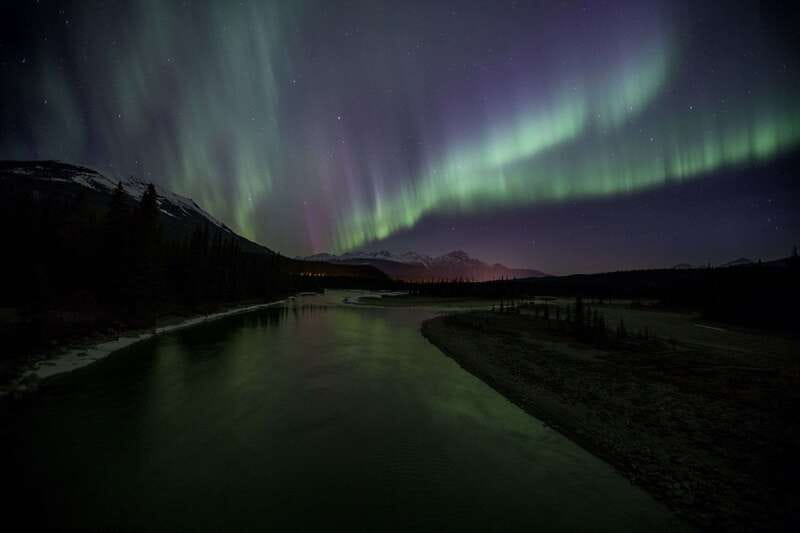
The cloudy-night program makes good use of these displays. Guides explain the science behind the Aurora Borealis and discuss how to photograph auroras. You also learn about the equipment and methods used to capture distant objects through the facility’s video telescope.
This part is valuable even when the sky is hidden. The content does not depend entirely on seeing stars that night, and it gives you practical context for future nights in Jasper. If you return during a clearer period, you will have a better idea of what you are looking at and how aurora photography works.
Same province, a completely different day out:
- Jasper National Park: Evening or Morning Wildlife Watch Tour
★ 4.6 · 691 reviews - Jasper Wildlife & Sightseeing Tour with Maligne Lake Cruise
★ 5.0 · 603 reviews - Jasper SkyTram Roundtrip Flight Ticket
★ 4.7 · 567 reviews - Maligne Lake Cruise
★ 4.5 · 502 reviews
Outside with Jasper’s large telescopes
After the planetarium, the group goes outside for a guided look at the Rockies’ largest and most powerful telescopes. The stated highlight is the chance to look through the optical telescopes when conditions allow.
On a clear night, the targets may include planets, nebulas, star clusters, and other deep-space objects. One particularly strong experience involved seeing Saturn and star clusters, while the 4K telescope supplied live views with impressive detail.
The word live matters here. You are not only seeing a prepared planetarium image. You may watch an actual view from the telescope at that moment, guided by the staff. That can make a familiar object such as a planet feel surprisingly immediate.
Still, telescope viewing is not always dramatic. You may see only a small portion of the sky, and clouds can prevent the equipment from showing much at all. One cold-weather assessment found the telescope section less satisfying because visibility was limited and the outdoor conditions were uncomfortable.
The outdoor portion also requires patience. You may wait while equipment is positioned or while the guide explains what you are about to see. That is part of observing the sky, but it can feel slow if you expect a fast series of spectacular images.
When clouds take over the show
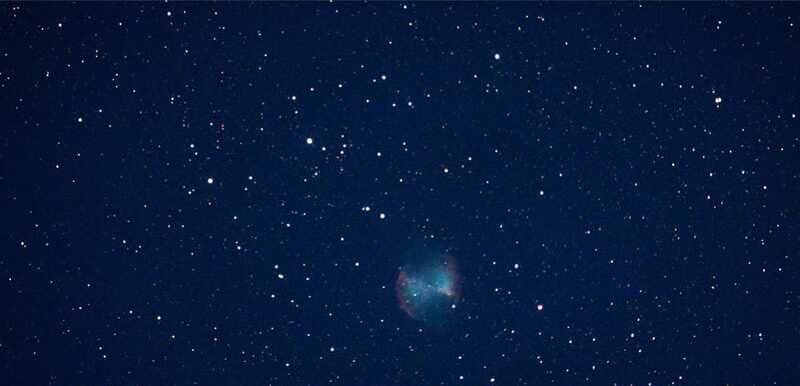
Jasper’s mountain weather is unpredictable. Cloud cover, rain, and incomplete darkness can all reduce what you see through the telescopes.
The tour does not offer a refund simply because the sky is cloudy. Instead, the staff runs a cloudy-night program. You visit two pavilions, hear more about auroras, handle Moon and Mars rocks, and view screen captures of deep-space objects recorded with the facility’s own video telescope.
This is a sensible fallback, but it is not identical to seeing Saturn or a nebula live. If you booked mainly for a clear-sky telescope experience, you may feel disappointed even if the guides work hard to keep the evening moving.
The two-year rain check softens that risk. You can attend the telescope tour again within two years without paying another admission fee. It does not solve the problem for someone leaving Jasper the next morning, but it is a meaningful benefit for a longer Alberta trip or a future return.
For the best odds, check the sunset time for your chosen date and select a departure after sunset. A late-summer or early-evening start may not provide full darkness, even if the weather is clear. One successful visit in June still offered a strong experience despite limited darkness, but a properly dark sky gives the telescopes a better chance to shine.
Cold-weather planning and what to bring
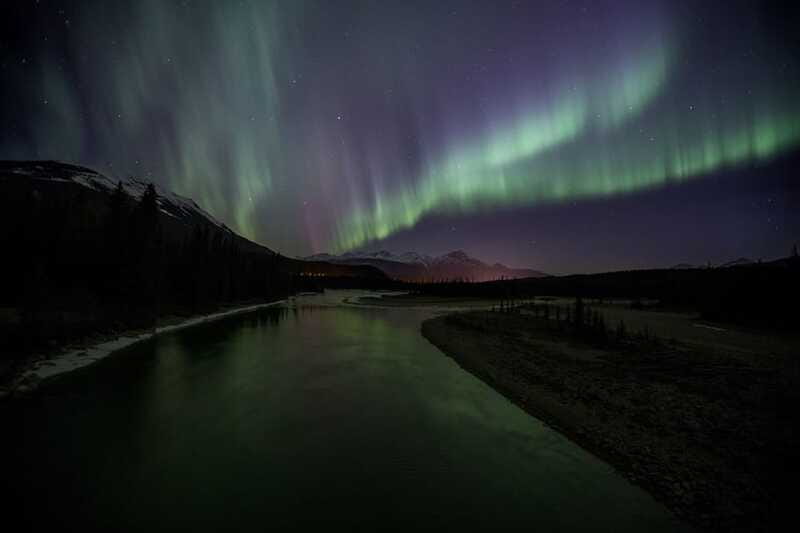
Bring clothing suited to the forecast, not just to the temperature when you leave your hotel. You spend part of the tour outdoors, and thermal layers may be needed in winter.
A warm coat, gloves, hat, and sturdy shoes are sensible choices for cold months. Even in warmer seasons, a layer is useful because you may stand outside while the guides work with the telescopes.
Food and drinks are not included, so eat beforehand if you need a meal. Smoking, vaping, alcohol, drugs, and intoxication are not permitted. Flash photography, photography inside, and audio recording are also prohibited.
These rules are practical in a dark-sky setting. Flash can interfere with other people’s night vision, and indoor restrictions protect the presentation and equipment. Follow the staff’s instructions closely, especially around the telescopes.
Who will enjoy this most
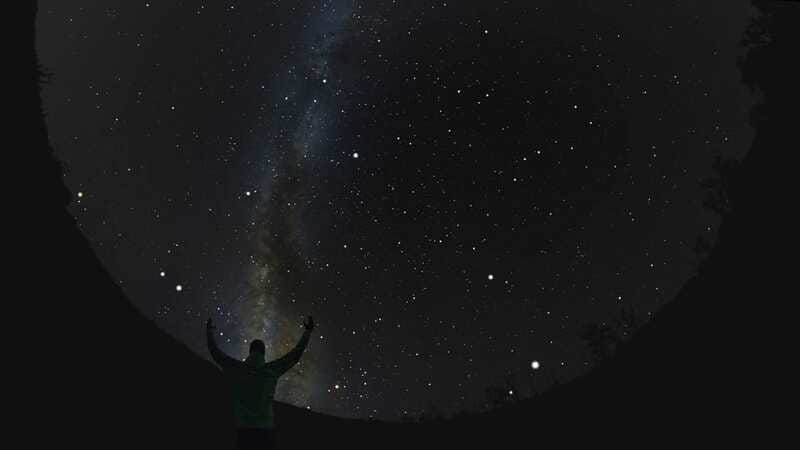
I would recommend this tour to you if you want a guided first look at astronomy rather than a purely self-directed stargazing session. Families with children aged four and older, couples, curious adults, and anyone interested in aurora photography should find useful material here.
It also suits people who want more than a scenic evening in Jasper. The opportunity to handle space rocks gives the program a small museum-like element, while the telescopes add the excitement of live observation.
You may want to think twice if you have only one night in town and would be upset by clouds. The rain check has no practical value if you cannot return. I would also choose another activity if you dislike cold outdoor stops or prefer a polished indoor performance with strong sound throughout.
The experience is not limited to serious astronomy fans. The guides explain the subjects in an approachable way, and the question period lets you set the level. You can ask basic questions without feeling out of place, or ask about aurora photography and telescope science in more detail.
Practical booking advice for a smoother night
Book a start time after sunset on your chosen date. This is the single most useful scheduling tip because darkness directly affects what the telescopes can show.
Plan to reach the Main Lodge early enough to park, walk inside, and find the retail desk before the 15-minute check-in deadline. P2 is the closest parking option listed, while P3 and P4 provide alternatives if P2 is full.
You can cancel for a full refund up to 24 hours before the tour. Inside that 24-hour period, a refund is not provided, but you may be able to change to another time. Reserve-and-pay-later booking is available, which helps if your Jasper plans are still shifting.
Keep your booking details handy and dress for the outdoor portion even if the forecast looks mild. The program runs for 90 minutes, but the weather can make that time feel very different from one night to the next.
Final verdict: book it for the full astronomy experience
I would book the Jasper Planetarium and Telescope Combo Tour if you have a real interest in the night sky and can accept weather risk. The strongest features are the friendly guides, clear explanations, First Nations sky material, real Moon and Mars rocks, and the chance to see Saturn or star clusters through serious equipment.
I would not book it expecting guaranteed dark skies. Clouds can turn the telescope portion into a lesson with recorded 4K images, and some people may find that less exciting than live viewing. The planetarium can also be harder to follow if music overpowers the speaker.
At $61, the tour offers fair value when you treat it as a complete astronomy program rather than a guaranteed telescope show. Choose a post-sunset time, bring warm layers, arrive early, and use the two-year rain check if the clouds win. For a clear night, it can become one of the more unusual activities in Jasper. For a cloudy night, it remains worthwhile, but your enjoyment will depend on how much you like the science behind the stars.
FAQ
How long does the Jasper Planetarium and Telescope Combo Tour last?
The experience lasts 90 minutes, or one and a half hours.
Where do I check in for the tour?
Check in at the Planetarium Retail Desk inside the Main Lodge at Jasper Park Lodge. The desk is in the southwest corner of the lobby, across from the Emerald Lounge. The doors opposite the P1 parking lot are marked Shops and Spa.
How early should I arrive?
You must check in 15 minutes before the tour starts. Latecomers are not admitted once the tour is underway and may be moved to the next available tour, possibly on another day.
What happens if the sky is cloudy?
The tour continues with a cloudy-night program. You learn about auroras and aurora photography, handle real Moon and Mars rocks, and may see 4K screen captures of deep-space objects recorded with the facility’s video telescope.
Can I return if clouds block the telescope views?
Yes. The telescope tour includes a two-year rain check at no additional charge. This does not provide a refund, and it is most useful if you can return to Jasper within that period.
Is the tour suitable for young children and wheelchair users?
The tour is wheelchair accessible. Children under four are not permitted in the Planetarium Dome Theatre. The program is conducted in English.
Just added around Jasper
- Sunwapta Challenge Whitewater Rafting in Jasper★ 4.8 · 31 reviews
- Canadian Rockies: Helicopter Flight with Exploration Hike★ 4.9 · 89 reviews
- Jasper: Planetarium Indoor Dome Experience★ 3.9 · 8 reviews
- Jasper: Winter Wildlife Bus Tour in Jasper National Park★ 4.6 · 93 reviews
- Jasper: Transfer to Banff/Lake Louise w/ Columbia Icefields★ 4.7 · 34 reviews
- Jasper: “From Jasper with Love” Live Theater Show Ticket★ 4.7 · 17 reviews
- Jasper National Park Family Friendly Rafting Adventure★ 4.9 · 145 reviews
- Jasper: Sightseeing Tour with Maligne Lake Cruise★ 4.3 · 16 reviews
National Park Tours, compared.
Columbia Icefield Skywalk and Ice Explorer Ticket
Read our review →
Lakes Moraine, Louise, Emerald, Johnston Canyon & Yoho Tour
Read our review →
Jasper National Park: Maligne Lake Cruise With Guide
Read our review →
Explore Banff National Park with Our Premium Day Tour
Read our review →
Banff National Park Tour with Lake Louise and Moraine Lake
Read our review →
Jasper National Park: Evening or Morning Wildlife Watch Tour
Read our review →Browse the lists this tour appears in