
Reviewed · 2-HOUR EXPERIENCES
Montreal: 2-Hour Private Complete Hidden City Experience
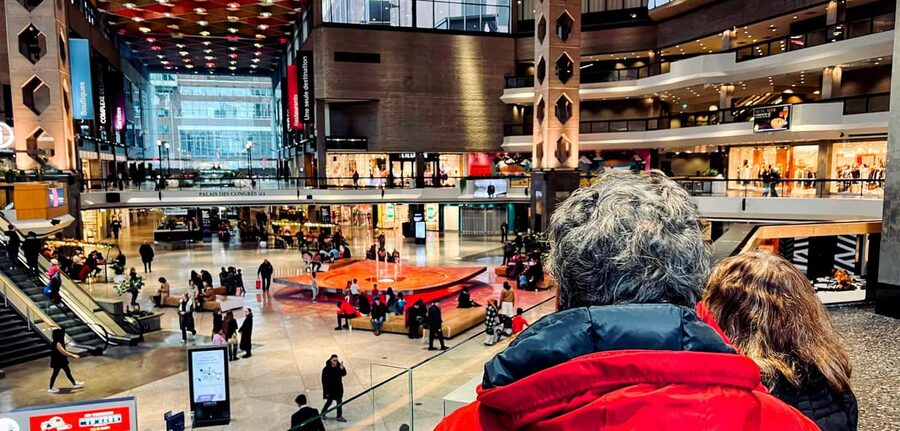
Montreal’s RÉSO is not a single tunnel or a chilly-weather shortcut. It is a second downtown, spread beneath streets and linked to offices, hotels, stores, restaurants, transit stations, and cultural sites. This private two-hour walk with Gustavo Trindade helps you make sense of a network that can feel confusing when explored alone. You’ll see passageways and galleries most visitors would likely miss, while learning how the system changed everyday life in Montreal.
I like the private format, since Gustavo can adjust his pace and explain details that match your interests. I also like the way the route joins practical places with art, architecture, and downtown landmarks, rather than treating the RÉSO as a simple shopping trip. The main drawback is mobility: this is a walking tour through a large urban network, and it is not suitable for wheelchair users or people with mobility impairments.
In This Review
- Key things to know before you go
- Montreal’s second downtown begins at Rue de Bleury
- Place Montreal Trust and the first shopping galleries
- Montreal Eaton Centre and the daily rhythm below ground
- Place Ville Marie and Gare Centrale
- Place Bonaventure and the urban engineering story
- Centre de commerce mondial and the World Trade Centre Montréal
- Palais des Congrès and art below the streets
- Place des Arts and Complexe Desjardins
- What the private guide adds
- Is $101 per person a fair price?
- Who should book this Montreal underground tour?
- Should you book the RÉSO experience?
- FAQ
- How long is the Montreal underground city tour?
- Where is the meeting point?
- Which languages are available?
- Is this a private tour?
- What should I bring?
- Is the tour suitable for wheelchair users?
Key things to know before you go
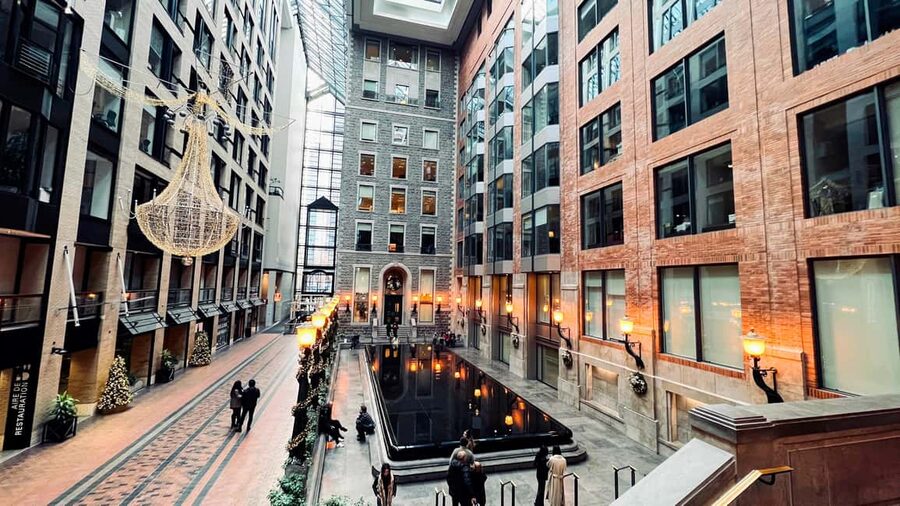
- The RÉSO is a working part of Montreal: You’ll see offices, hotels, stores, restaurants, transit access, and cultural spaces used by locals every day.
- Gustavo Trindade leads private groups: He speaks English, French, Spanish, and Portuguese, and can adjust the experience to your group.
- The route links major downtown sites: Place Montreal Trust, Place Ville Marie, Gare Centrale, Place des Arts, Complexe Desjardins, and more appear along the walk.
- The tour is useful in poor weather: The underground route offers shelter from rain, snow, and cold, though you still need comfortable walking shoes.
- Expect urban history, not a museum visit: The focus is on how the RÉSO was built, expanded, and folded into daily Montreal life.
- Bring water and a camera: Gustavo has offered to take family photos at interesting spots, and there are artworks and installations worth recording.
Montreal’s second downtown begins at Rue de Bleury
Your meeting point is inside the Tim Hortons building at 1508 Rue de Bleury, a practical starting place for a tour that is all about connections. You should arrive ready to walk, since the tour does not include hotel pickup or drop-off.
The first few minutes matter. Montreal’s underground network can seem like a collection of unrelated malls and corridors until someone explains how the pieces fit together. A private guide gives you a better chance to stop, ask questions, and get your bearings before the route gathers speed.
The RÉSO is often described as the world’s largest underground city. That name can sound grander than the experience at first, because you will not be walking through one enormous cavern. Instead, you move through linked sections beneath downtown, passing from one complex to another through doors, corridors, galleries, escalators, and public areas.
That is the point of the tour. The interesting part is not a single spectacular underground room. It is seeing how many ordinary parts of city life have been brought below street level.
A few more Montreal trips to weigh up
- Montreal: Private 2h Walking Tour RESO and Old Montreal
★ 5.0 · 20 reviews - Montreal: Street Art & Mural 2-Hour Guided Walking Tour
★ 4.9 · 13 reviews - 2 Hour Wilderness Adventure Snowmobile Tour in Whistler
★ 5.0 · 610 reviews
Place Montreal Trust and the first shopping galleries
Place Montreal Trust is one of the early stops on the route. You pass through rather than spend a long period at one attraction, so think of it as a piece of the larger RÉSO puzzle.
Shopping centers are central to understanding Montreal’s underground system. They are not merely retail areas tucked away from daylight. They help connect streets, office towers, hotels, and transportation links. In winter, that can make a routine trip to work, lunch, or a shop much easier.
You will see how the underground city blends public movement with commercial space. This is useful context, since the RÉSO can otherwise feel like a string of private malls. The tour explains how those galleries became part of a broader downtown route.
If you prefer old buildings, churches, or outdoor streets, this section may feel less atmospheric. The reward is practical rather than theatrical. You are seeing how Montreal functions, not walking through a preserved historic quarter.
Montreal Eaton Centre and the daily rhythm below ground
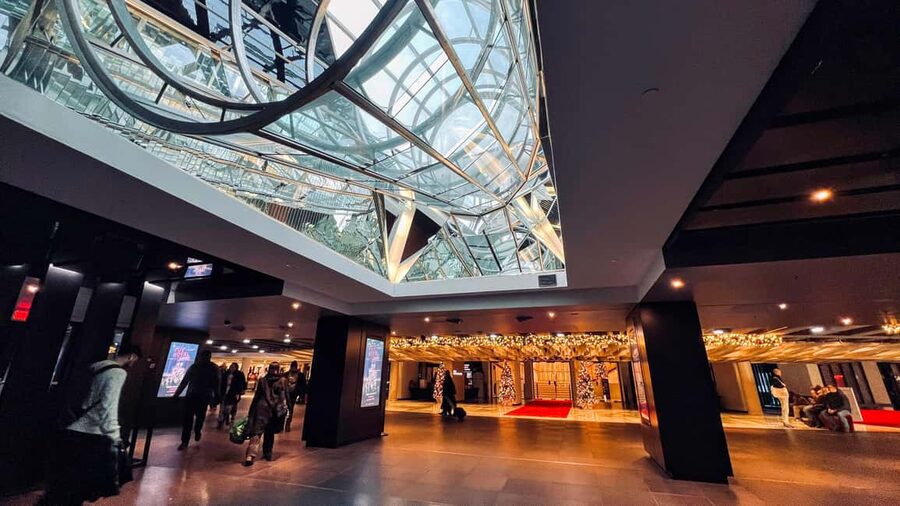
The route continues through the Montreal Eaton Centre, another place where shopping, food, office access, and pedestrian movement overlap. You pass through the center as part of the wider walk, rather than treating it as an independent attraction.
I find this portion valuable because it shows the RÉSO as a living system. People use it to cross downtown, reach services, meet friends, and avoid unpleasant weather. Its success comes from usefulness.
A guide can also point out the less obvious details: where one complex gives way to another, how signs direct you, and why some passageways feel like mall corridors while others feel closer to a transit link or office lobby. Those transitions are easy to miss if you simply follow signs from one destination to another.
This is a good point to keep your expectations realistic. The underground city is not a secret ruin. Much of it is modern, bright, commercial, and busy with ordinary business. The unusual part is the scale and the way the network connects so many separate buildings.
Place Ville Marie and Gare Centrale
Place Ville Marie brings the tour into one of the RÉSO’s key downtown areas. The route passes by this major complex before continuing toward Gare Centrale.
Gare Centrale adds a transportation angle. Direct access to public transit is one reason the underground network matters so much. The RÉSO is not only a place to shop or escape winter. It links major destinations with the movement of commuters and visitors.
You may find this section especially useful if you plan to use Montreal’s downtown transit connections during your stay. The tour gives you a mental map of how the stations, buildings, and galleries relate to one another. That knowledge can save time later, particularly when poor weather or an unfamiliar building makes the street route less appealing.
The downside is that a short tour cannot explain every corridor in detail. You will get a guided overview rather than a full transportation lesson. Still, two hours is enough to understand the system’s basic logic without turning the walk into an all-day expedition.
Same province, a completely different day out:
- Montreal: Guided Bus Tour
★ 4.4 · 3,064 reviews - Montreal: Hop-On Hop-Off Double-Decker Bus Tour
★ 4.1 · 2,760 reviews - From Montreal: Quebec City and Montmorency Falls Day Trip
★ 4.5 · 2,669 reviews - Montreal Mile End Authentic Food Tour with 7 Delicacies Tastings
★ 5.0 · 2,598 reviews
Place Bonaventure and the urban engineering story
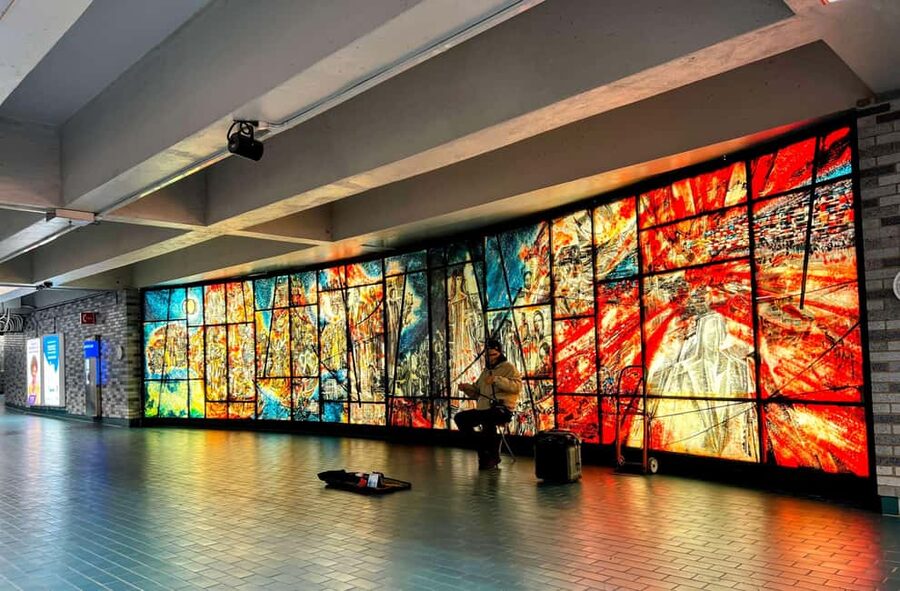
Place Bonaventure is another stop along the route. Here, the emphasis remains on the way large downtown structures connect below street level.
The most worthwhile part of the tour is the story behind the construction and growth of the RÉSO. Montreal did not create a complete underground city in one sweep. The network developed through connected projects, with office buildings, shopping centers, hotels, public facilities, and transit access gradually forming a larger system.
Gustavo’s job is to make that development understandable. The tour description promises background on how the RÉSO was built and how it has lasted over time. That context gives meaning to the corridors you are walking through. Without it, you might simply see another shopping arcade.
The architecture here may interest you if you enjoy modern city planning. If your ideal tour is centered on ornate historic interiors, the underground route will feel more functional than decorative. Its beauty is found in the way the city has been organized.
Centre de commerce mondial and the World Trade Centre Montréal
The Centre de commerce mondial and World Trade Centre Montréal appear as connected parts of the downtown route. These names can sound like separate destinations, but the larger lesson is how Montreal’s commercial buildings join the RÉSO.
This section helps explain why the underground city is so useful to office workers and business visitors. Hotels, workplaces, restaurants, shops, and transit links are tied into the same pedestrian network. You can move between them without returning to street level at every turn.
I like this practical side of the tour. It shows urban design in action, not as a diagram but as a route you can walk. You see how underground connections change the feel of downtown and why the system became part of Montreal’s regular rhythm.
The experience is also a reminder that hidden does not mean quiet or empty. Some areas function as commercial corridors, and the atmosphere depends on the time of day and the section you enter. Expect a working downtown environment, not a silent tunnel.
Palais des Congrès and art below the streets
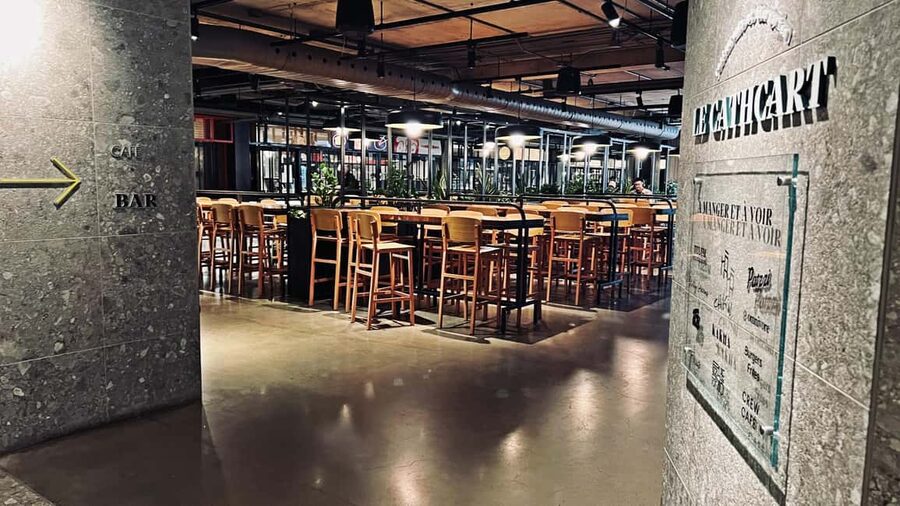
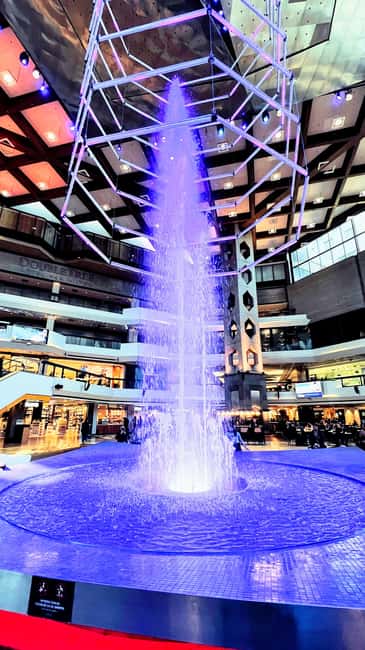
The Palais des Congrès de Montréal adds a cultural and civic dimension to the walk. Along the route, you may encounter murals, installations, artworks, and other visual details that keep the RÉSO from being only concrete, signs, and storefronts.
These artworks are one reason a guide is useful. You might pass a piece without realizing it is part of the underground city’s character. Gustavo can draw your attention to places that are easy to overlook and explain how cultural spaces fit into this practical network.
A camera is worth bringing. The tour specifically encourages you to photograph discoveries, and Gustavo has offered to take photos of families at interesting locations. That small service can be useful on a private tour, especially when you want a group picture rather than another selfie.
Do not expect every artwork to be presented like a formal gallery exhibit. The route passes through public and commercial spaces, so the art is encountered along the way. For many people, that informal setting is part of its appeal.
Place des Arts and Complexe Desjardins
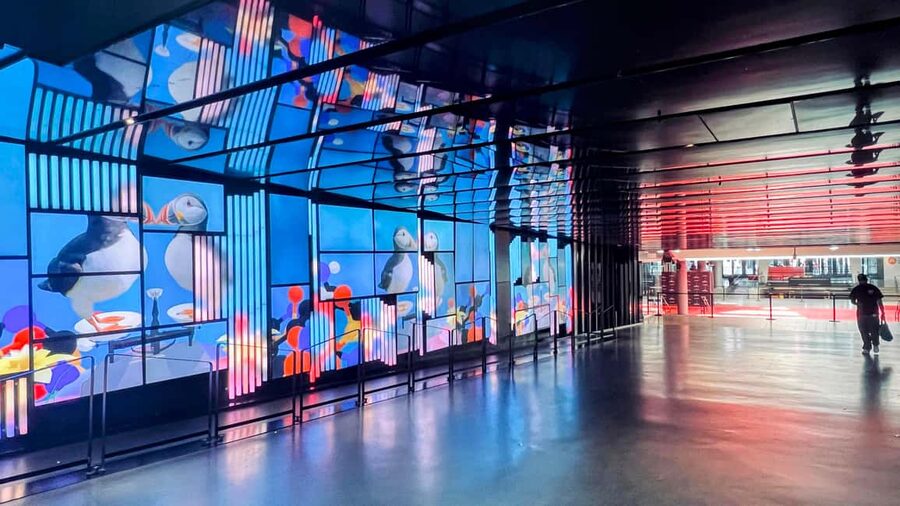
Place des Arts brings the route toward Montreal’s performing arts district. Even when you are walking underground, this stop shows that the RÉSO supports more than offices and retail.
Cultural buildings, public spaces, restaurants, and shopping areas all meet here. The underground network helps connect these parts of downtown, which is why the tour’s final stops feel broader than a mall circuit.
Complexe Desjardins completes the listed route. It is another major downtown complex where the practical and cultural sides of the RÉSO come together. By this point, you should have a clearer idea of how the network extends across central Montreal and why local residents rely on it.
Because the tour lasts only two hours, you pass by many of these landmarks rather than spending time inside each one. That is both a strength and a limitation. You cover a lot of ground and gain a strong overview, but you will not have time for detailed architectural study at every stop.
What the private guide adds
The guide can make or break an underground tour. The positive feedback around Gustavo is consistent: he is described as friendly, engaging, flexible, and good at giving the right amount of information.
That combination matters here. The RÉSO can be confusing, and a guide who simply recites dates would not solve the main problem. You need someone who can explain connections clearly, point out visual details, and adjust the walk when your group has questions.
A private group also changes the pace. If you want more explanation about construction, daily life, or the artwork, you can ask. If your family needs a slower walk or a quick photo stop, the format gives the guide more room to respond.
The tour is offered in English, French, Spanish, and Portuguese. That makes it easier to choose a language your group will follow comfortably. Confirm the preferred language when booking if it matters to your plans.
Is $101 per person a fair price?
At $101 per person, this is not the cheapest way to see Montreal’s downtown. You are paying for a private two-hour guided experience, not simply access to the RÉSO, which is part of the city’s public network.
The value depends on your interests and group size. If you are curious about urban planning, modern Montreal, public art, or the practical side of city life, a private guide can provide much more than wandering through shopping centers on your own. The route covers many major downtown connections in a short time.
It is also a sensible choice for a family or small group that wants flexibility. Gustavo has been willing to adjust to individual needs and take photos, details that matter more in a private setting than on a large group walk.
For a strict sightseeing budget, you could explore parts of the RÉSO independently. You would save money, but you might miss the construction story, the less obvious passageways, and the explanation of how the separate complexes relate to one another.
Rain or winter weather can improve the value. The underground route gives you two hours away from the elements while still introducing you to a major part of Montreal. Just remember that you are still walking a substantial distance indoors.
Who should book this Montreal underground tour?
I would recommend it to first-time visitors who want a clear introduction to downtown Montreal. It is also a good fit for repeat visitors who have seen the street-level sights and want to understand the city’s less visible infrastructure.
Families may appreciate the private format, especially with the option for photo stops and a flexible pace. Architecture fans, urban design enthusiasts, shoppers, office workers, and people curious about how cities adapt to winter will find plenty to think about.
It suits rainy or cold days particularly well. You should not book it only as a weather backup, though. The tour works best when you are genuinely interested in how a city operates below its streets.
You should think twice if you have mobility limitations. The experience is not suitable for wheelchair users or people with mobility impairments. Comfortable walking shoes are essential, and bringing water is sensible.
The meeting point is inside the Tim Hortons building at 1508 Rue de Bleury. Food and drinks are not included, and there is no hotel pickup or drop-off, so plan your arrival and departure independently.
Free cancellation is available up to 24 hours before the tour for a full refund. You can also reserve now and pay later, which is useful when your Montreal plans are still changing.
Should you book the RÉSO experience?
Book this tour if you want the story behind Montreal’s underground city, not just a route through stores. The strongest reasons are the private format, the broad downtown coverage, the chance to see public art and less obvious corridors, and Gustavo’s personal approach.
Skip it if you want a traditional historic walking tour, a short sightseeing ride, or a highly focused visit to one landmark. Much of the route is modern and functional, and several listed sites are passed rather than explored at length.
For the right visitor, the tour turns a confusing network into a readable part of Montreal. You finish with a better sense of how the city works, where the RÉSO connects, and why this underground system is more than a refuge from winter.
FAQ
How long is the Montreal underground city tour?
The guided tour lasts two hours.
Where is the meeting point?
Meet inside the Tim Hortons building at 1508 Rue de Bleury, Montréal, Quebec, H3A 0B4.
Which languages are available?
The tour guide can conduct the experience in English, French, Spanish, or Portuguese.
Is this a private tour?
Yes. The experience is offered for a private group.
What should I bring?
Wear comfortable walking shoes, bring a camera, and carry a bottle of water.
Is the tour suitable for wheelchair users?
No. The experience is not suitable for wheelchair users or people with mobility impairments.
Just added around Montreal
- Montreal: 3-Day Toronto, Niagara Falls, Thousand Islands★ 4.7 · 5 reviews
- Old Montréal Small-Group Christmas Tour★ 4.4 · 39 reviews
- Secret Food Tours: Montreal – Jean-Talon & Little Italy★ 4.0 · 4 reviews
- Montreal: Maple Syrup Tour with Sugar Shack & Local Cuisine★ 4.1 · 25 reviews
- Port of Montreal Glass Tower Entry★ 4.4 · 129 reviews
- Outdoor mini golf in Montreal★ 4.9 · 13 reviews
- Montreal: An unforgettable guided tour in a vintage 1930s convertible car★ 5.0 · 9 reviews
- Montreal: Private 2h Walking Tour RESO and Old Montreal★ 5.0 · 20 reviews
2-Hour Experiences, compared.

2 Hour Wilderness Adventure Snowmobile Tour in Whistler
Read our review →

2 Hour Award-Winning Whale and Seabird Boat Tour from St. John’s
Read our review →
Jasper National Park: 2-Hour Whitewater Rafting
Read our review →

Calgary Downtown: 2-Hour Introductory Walking Tour
Read our review →
Browse the lists this tour appears in