
Reviewed · WHISTLER TOURS
Paradise Valley: Bee Adventure Tour!
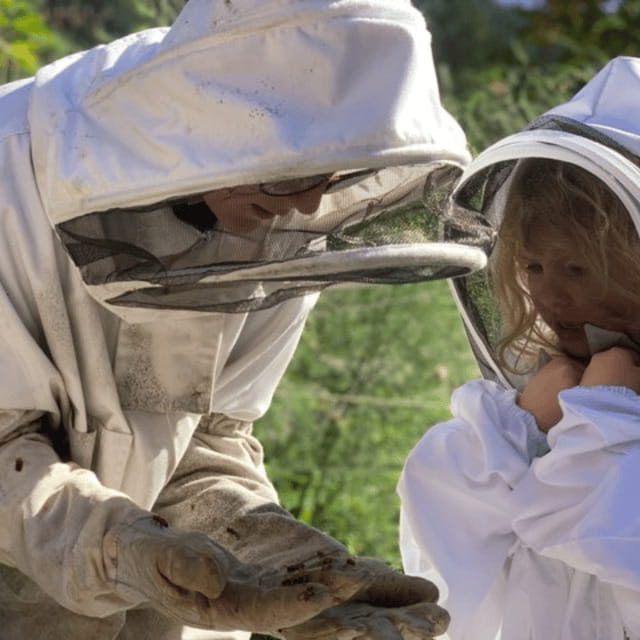
The most unusual part of this one-hour apiary tour is simple: you put on a full-body bee suit and get close enough to watch a working colony from the inside of its hive. The bees carry on with their business while your guide explains what you are seeing, from the colony’s daily activity to its role in the wider ecosystem.
I like two things right away. The hands-on format makes this more than a talk about bees, and the small group of no more than six people gives you room to ask questions. I also like the finish: a short garden walk followed by a tasting of honey produced at the apiary itself.
The main consideration is that this is a focused, one-hour visit, not a long farm outing. You also need to drive yourself to the property, wear breathable clothing, and leave sandals at home. Very young children can attend only from outside the apiary viewing area.
In This Review
- Key points to know before you book
- Why this short bee tour is worth your time
- Arriving at Bee Wild Paradise Valley
- Starting at the hives
- Suiting up for a close look
- Learning the smoker and hive tool
- The viewing garden and honey tasting
- How the small group changes the experience
- What the $32 price really includes
- Who should book this Paradise Valley activity
- Practical tips for a smoother visit
- Should you book the Bee Adventure Tour?
- FAQ
- Where does the Paradise Valley Bee Adventure Tour meet?
- How do I reach Bee Wild Paradise Valley?
- How long does the bee tour last?
- What is included in the price?
- Is transportation included?
- Is the tour offered in English?
- How many people can join the tour?
- Can children take part?
- What should I wear?
- Can I cancel the booking?
Key points to know before you book
- You may inspect an active hive while your guide explains the colony’s inner workings.
- A full bee suit, veil, and gloves let you approach the bees closely.
- The tour is limited to six people, so questions and hands-on demonstrations are easier.
- You taste honey made on-site, giving the visit a direct connection to the apiary.
- The tour costs $32 per person and lasts about one hour, usually in the afternoon.
- You must drive to Bee Wild Paradise Valley, with a precise rural route from Highway 1.
Why this short bee tour is worth your time
At $32 per person, the Bee Adventure Tour offers a fair amount for a one-hour activity. You are not paying only for a honey tasting or a quick look at a few hives. The price covers a guided apiary visit, protective gear, an active hive inspection, a demonstration of beekeeping tools, and honey made at the property.
That matters because the experience is built around participation. You do not simply listen from a distance while someone else handles the hive. You can put on the suit, watch the smoker in use, handle a hive tool during the inspection, and ask questions as the guide works.
I would not compare it with a full-day farm tour or an advanced beekeeping course. It is a compact introduction. But for families, curious first-time visitors, and anyone looking for a quiet nature activity near Squamish Valley, the combination of close contact and clear instruction makes good use of the hour.
The tour also gives you a useful reason to think about pollinators in practical terms. Bees are not presented only as producers of a sweet food. Your guide connects them to the land and to the plants that depend on pollination, giving the hive a larger ecological meaning without turning the visit into a classroom lecture.
Other Whistler days worth putting on the list:
- Zipline Adventure in Whistler
★ 5.0 · 1,367 reviews - Whistler Odyssey Tour: Off-Road Buggy Adventure
★ 5.0 · 750 reviews - Whistler Wilderness Run Snowmobile Tour
★ 5.0 · 724 reviews
Arriving at Bee Wild Paradise Valley
You meet at Bee Wild Paradise Valley, a rural property reached from Highway 1. The directions matter here, so do not rely on a casual glance at the map while driving.
Turn off Highway 1 onto Squamish Valley Road and follow it for five to seven minutes. Just after crossing a two-lane bridge, take the right fork onto Paradise Valley Road. Continue for about five minutes, cross a single-lane bridge, and then look for the gravel driveway on the left after another couple of minutes.
Drive through the cedar post and metal gate entrance. Parking is to the left of the gravel driveway, in front of the forest-green house, with three parking spaces available for the tour.
This is a self-drive activity. Transportation is not included, so you need your own vehicle or another way to reach the meeting point. Allow yourself enough time to follow the rural turns without rushing. Arriving early is especially sensible when only three parking spaces are set aside.
There are dogs on the property, and an electric fence is also present. The fence is turned off before the tour, but it is still useful to know about both before you arrive, especially if you are bringing children.
Starting at the hives
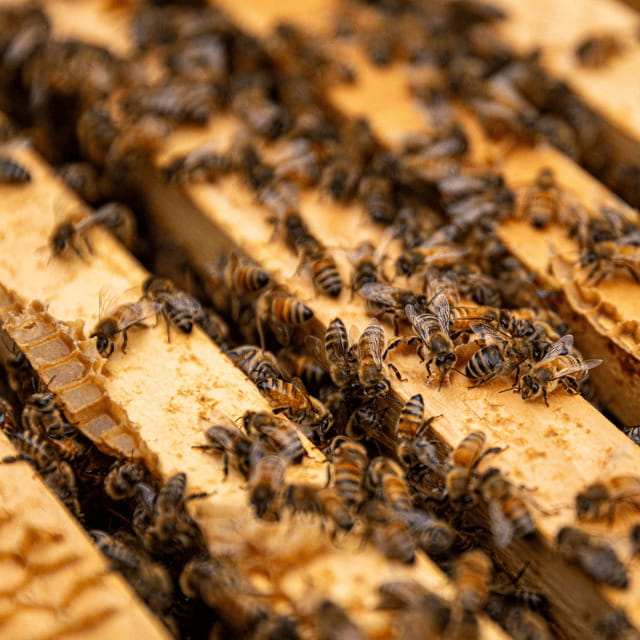
The tour begins at the hives, where your guide introduces the active colony and explains what happens inside. This first look sets the tone: the bees are not a display behind glass. They are working insects, and the point is to observe their real activity with care.
You get the chance to look inside a hive and see how the colony operates. The supplied details do not promise a specific sighting, such as finding the queen, so you should come ready to watch the broader activity of the hive rather than expect a staged moment.
That is part of the appeal. A live colony offers plenty to notice, and the guide can explain what you are looking at as the inspection unfolds. You can ask questions throughout instead of saving them for a formal question period at the end.
The guide also places the bees in the context of pollination and the local land. That connection gives the tour more substance than a lesson about honey production alone. You learn why pollinators matter and how the work of a small insect affects the plants and food systems around us.
Suiting up for a close look
If you are willing to try it, you put on a full-body bee suit with a veil and gloves. The protective clothing is a major part of the experience, especially for children and adults who feel nervous around bees.
The suit is suitable for children aged three and older. The protective gear allows you to get within touching distance of the bees, but the goal is observation, not touching the insects. You should follow the guide’s instructions and keep your movements calm.
The experience has received especially strong praise for making close contact feel manageable. A family with young children found that the full suit helped everyone feel safe while still giving them the thrill of being near the colony. That is a useful distinction: this is not a careless encounter with stinging insects, but it is also not a distant, hands-off presentation.
Breathable clothing is the best choice beneath the suit. The tour usually runs in the afternoon, and a full-body layer can feel warm. Wear practical clothes that allow you to move comfortably, and do not arrive in sandals or flip flops.
Children younger than three cannot enter the apiary viewing area. They may stay outside with an adult, and parents or caregivers can take turns attending to children who are too young or who prefer not to go inside. That arrangement makes the tour possible for some families, though it means adults may not all take part at the same time.
Same province, a completely different day out:
- 2 Hour Wilderness Adventure Snowmobile Tour in Whistler
★ 5.0 · 610 reviews - Superfly Ziplines on Cougar Mountain – includes 4 ziplines!
★ 5.0 · 498 reviews - Callaghan Cruiser Snowmobile Tour
★ 5.0 · 452 reviews - Whistler Sightseeing Tour: Discover all of Whistler Year-Round!
★ 5.0 · 443 reviews
Learning the smoker and hive tool
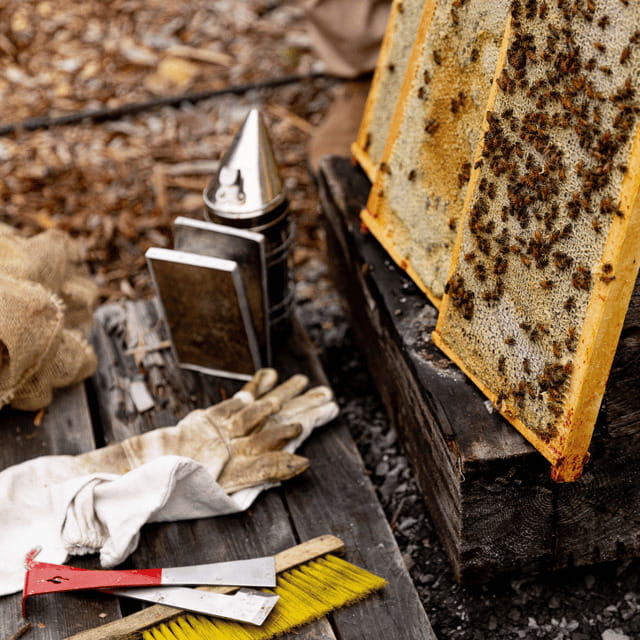
Two practical demonstrations give the tour a real beekeeper’s feel. Your guide shows you how a smoker works and explains how it is used during hive inspections.
You also get a chance to use a hive tool during the inspection. This is a small detail, but it helps you understand how beekeepers work with the hive rather than simply hearing a list of facts. The activity remains guided, so you are not left to manage the colony on your own.
The hands-on elements are best suited to people who enjoy learning by doing. You can ask questions while the guide explains each step, and the small group size means the instruction should feel more personal than a large farm demonstration.
The tour is offered in English. The guide’s approach is described as easygoing and clear, with plenty of room for questions. No individual guide name is provided, so you should book this expecting a personal English-language host rather than a named specialist.
The viewing garden and honey tasting
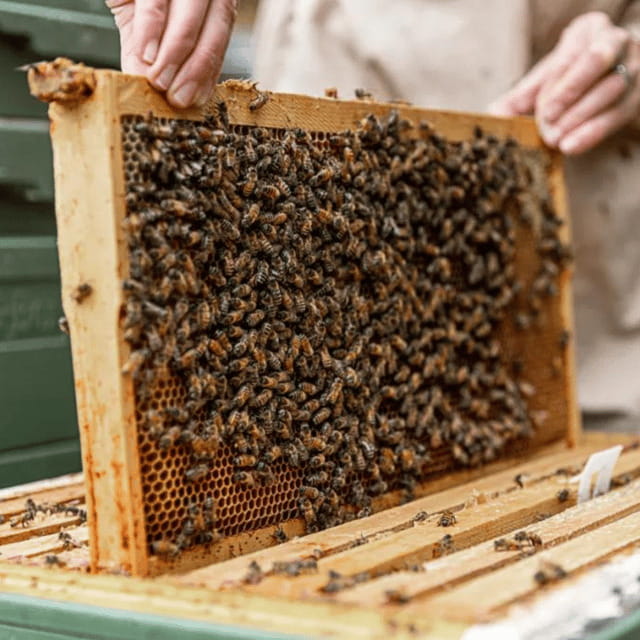
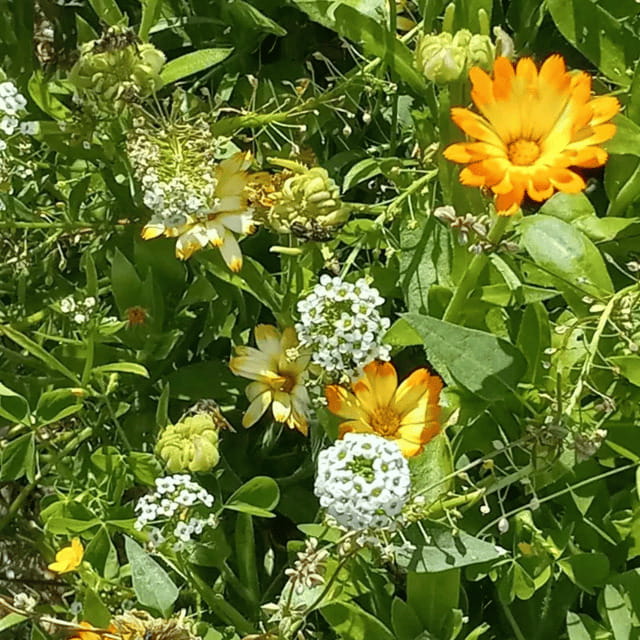
After the hive visit, the group takes a brief walk through the viewing garden. This gives you a change of pace after the close concentration of the apiary and lets you connect the bees with the plants around them.
The garden walk is brief, so do not expect a long botanical tour. Its value is in showing the setting where pollinators work and giving you a calmer transition to the final part of the visit.
You then gather on a covered patio for a complimentary honey tasting. The honey is produced on-site, which gives this small tasting a strong sense of place. You are sampling the direct result of the colony’s work rather than a generic product brought in from elsewhere.
The tasting is also a pleasant social finish. You can sit, take in the garden views, and talk with the other members of your small group. One of the clearest strengths of the visit is this balance between close observation, practical instruction, and a relaxed ending.
Honey preferences are personal, of course, and the tour details do not specify how many varieties you will taste. The important point is that a tasting is included, and the honey comes from the apiary itself.
How the small group changes the experience
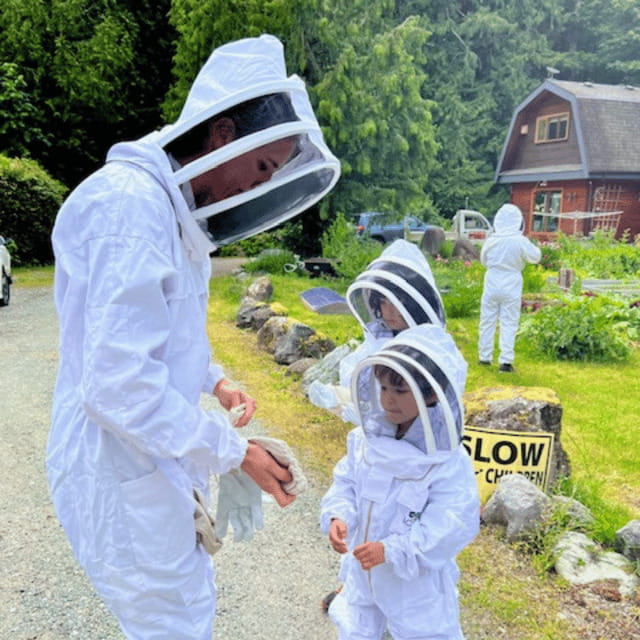
The group is limited to six participants. That is one of the better features for a hands-on activity, since everyone has a better chance to see into the hive, hear the explanation, and ask questions.
A larger group could make the hive inspection feel crowded or force you to watch from behind someone else. Here, the small number should make it easier to stay involved, though the precise amount of hands-on time can depend on the group and the pace of the guide.
The format works particularly well for families. Children can see the bees close up without needing to stand silently through a long lecture, and adults can ask practical questions about colony life and pollination.
It also suits couples, solo visitors, and small groups of friends who want an activity with a local, personal feel. If you dislike insects or feel uncomfortable wearing protective gear, the visit may be less appealing. You can still enjoy the garden and tasting, but the hive portion is the heart of the tour.
What the $32 price really includes
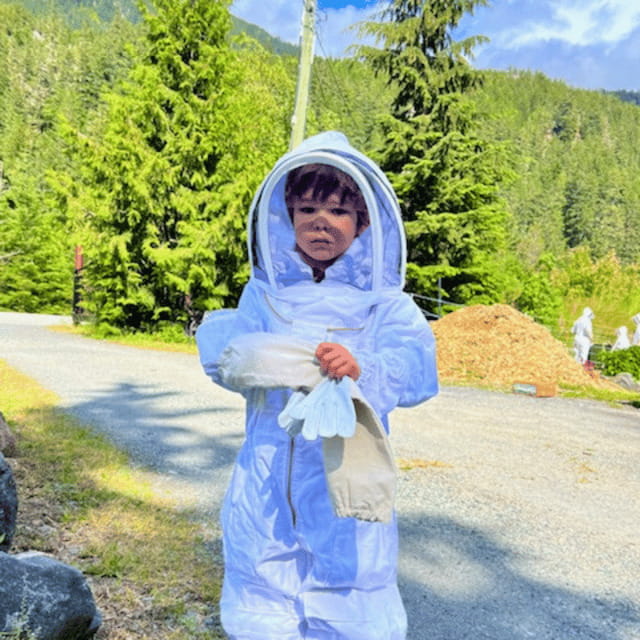
The $32 cost is reasonable when you consider what is provided. Your fee includes the apiary tour, a live guide, the protective suit, the hive-focused demonstrations, and the on-site honey tasting.
The gear is important to the value. You do not need to bring a bee suit, veil, or gloves, and you do not need prior beekeeping experience. The tour creates a controlled way to try something many people would not attempt independently.
The short duration also helps with planning. At one hour, you can fit it into an afternoon without giving up an entire day of sightseeing. The trade-off is that the visit will not cover every aspect of beekeeping or give you a long period in the garden.
Free cancellation up to 24 hours before the tour adds useful flexibility. You can also reserve now and pay later, which helps if your British Columbia plans are still shifting. Those booking terms are practical, but the main reason to choose the tour should be the close hive experience rather than the payment option.
Who should book this Paradise Valley activity
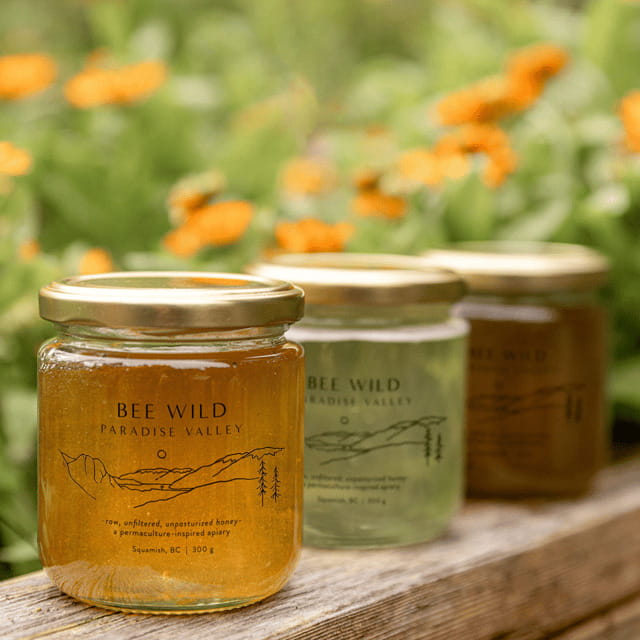
I would recommend this tour to anyone who wants a short, active introduction to bees. It is especially well suited to:
- Families with children aged three and older who are comfortable following instructions
- Adults who want to learn about pollinators without committing to a long course
- Visitors with a car who are already exploring the Squamish Valley area
- People who enjoy local food and want to taste honey made at the place they visit
- Small groups looking for a personal activity rather than a large public attraction
It may not be the best match if you need transportation from your accommodation, dislike enclosed protective clothing, or want a full-day farm experience. You also need to plan around the age rule for children under three.
The tour is not designed as an adrenaline activity. The appeal comes from getting close to a working colony in a safe, supervised way and understanding what you are seeing. That makes it a good choice for a curious child, a careful adult, or anyone who has wondered what is inside a hive.
Practical tips for a smoother visit
Wear light, breathable clothing under the bee suit. Closed footwear is required, since sandals and flip flops are not allowed.
Follow the rural driving instructions closely. Turn from Highway 1 onto Squamish Valley Road, take the right fork after the two-lane bridge, cross the single-lane bridge on Paradise Valley Road, and use the gravel driveway after the final left turn.
Keep the parking limit in mind. Only three spaces are available at the meeting point, so arriving with a large vehicle or a bigger party may require extra care.
If you are visiting with children under three, decide in advance which adult will remain outside the viewing area. Parents and caregivers may take turns, but the full group cannot all enter together if a very young child needs supervision.
Finally, bring your questions. The tour is small, and the guide welcomes questions during the hive inspection. Asking what you are seeing will help turn a close look at the bees into a clearer understanding of colony life.
Should you book the Bee Adventure Tour?
Book it if you want a compact, hands-on nature experience with real bees, protective gear, and honey made on the property. The small group, practical demonstrations, and family-friendly structure give the $32 price solid value.
Skip it if you need included transportation, cannot wear closed shoes, or want a longer visit with a wider range of farm activities. For everyone else, this is a smart one-hour addition to a Paradise Valley outing, especially when you want something more personal than a standard sightseeing stop.
FAQ
Where does the Paradise Valley Bee Adventure Tour meet?
Meet at Bee Wild Paradise Valley. Park to the left of the gravel driveway in front of the forest-green house, where three parking spaces are available.
How do I reach Bee Wild Paradise Valley?
Turn off Highway 1 onto Squamish Valley Road and follow it for five to seven minutes. After crossing a two-lane bridge, take the right fork onto Paradise Valley Road, continue for about five minutes, cross a single-lane bridge, and turn left onto the gravel driveway after a couple more minutes.
How long does the bee tour last?
The tour lasts one hour and is usually available in the afternoon.
What is included in the price?
The $32 per-person price includes the apiary tour, a live guide, and a complimentary honey tasting. Protective bee-suit equipment is used during the apiary portion.
Is transportation included?
No. You need to arrange your own transportation to Bee Wild Paradise Valley.
Is the tour offered in English?
Yes. The live tour guide speaks English.
How many people can join the tour?
The tour is a small-group activity limited to six participants.
Can children take part?
Children aged three and older can wear the bee suits and enter the apiary viewing area. Children younger than three must remain outside that area with an adult.
What should I wear?
Wear breathable clothing. Sandals and flip flops are not allowed.
Can I cancel the booking?
Yes. You can cancel up to 24 hours in advance for a full refund. You can also reserve now and pay later.
Just added around Whistler
- From Vancouver: Shannon Falls and Whistler Sightseeing Tour★ 4.1 · 4 reviews
- Finer Things: 4-Course Dinner Tour in Whistler★ 4.8 · 20 reviews
- Whistler Train Wreck, Suspension Bridge & Hidden Waterfall Adventure★ 5.0 · 24 reviews
- Whistler: Mountains and Glaciers Tour by Seaplane★ 4.9 · 162 reviews
- Whistler: Glacier Helicopter Tour and Mountain Landing★ 4.9 · 138 reviews
- Whistler Glacier Spectacular: Scenic Seaplane Sightseeing Tour★ 4.5 · 102 reviews
- Private Whistler Helicopter Tour + Mountain Landing★ 5.0 · 93 reviews
- Sea to Sky Highway: a Smartphone Audio Driving Tour★ 4.0 · 32 reviews
Whistler Tours, compared.


2 Hour Wilderness Adventure Snowmobile Tour in Whistler
Read our review →
Superfly Ziplines on Cougar Mountain – includes 4 ziplines!
Read our review →
Whistler Sightseeing Tour: Discover all of Whistler Year-Round!
Read our review →
Browse the lists this tour appears in