
Reviewed · NATIONAL PARK TOURS
Yoho National Park Self-Guided Driving Audio Tour
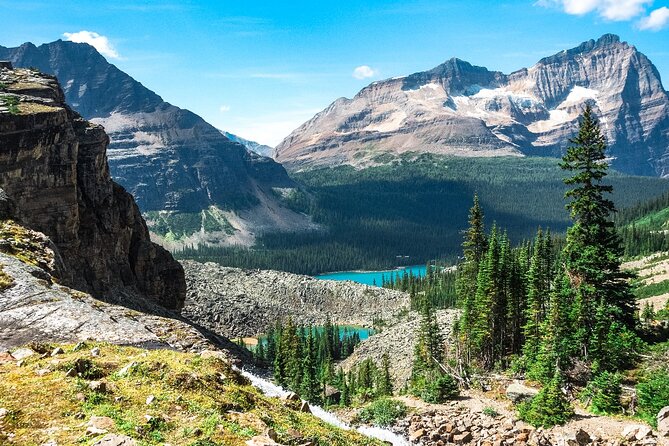
Yoho National Park packs huge mountain scenery into a smaller, quieter corner of the Canadian Rockies. This self-guided drive gives you more than 27 audio stories across a route of over 50 miles, linking Lake Louise with Emerald Lake and adding context to waterfalls, fossils, railway engineering, and First Nations place names.
I like the freedom to stop for photos, hikes, and snacks without chasing a guide or bus schedule. I also like the price: $14.99 per carload of up to four people is far cheaper than a private tour. The catch is that the app must be downloaded and set up properly before you arrive, and one poor technical experience can spoil the whole outing.
In This Review
- Key points to know before you go
- Starting at Lake Louise and crossing Kicking Horse Pass
- Sherbrooke Lake for a quieter walk
- The Lower Spiral Tunnel Viewpoint and railway problem-solving
- Takakkaw Falls requires a seasonal choice
- Wapta Mountain and a First Nations place name
- The Burgess Shale and fossils in Mount Field
- Natural Bridge over the Kicking Horse River
- Finishing at Emerald Lake
- What the $14.99 price really gets you
- Setting up the Action Tour Guide app
- Who should book this Yoho drive?
- Cancellation and practical timing
- Should you book the Yoho National Park audio tour?
- FAQ
- How long does the Yoho National Park audio tour take?
- Where does the tour start and finish?
- Is a park pass included?
- Does the tour work without cell service?
- How does the audio start?
- Is Takakkaw Falls accessible all year?
- Can more than one person use the tour?
Key points to know before you go
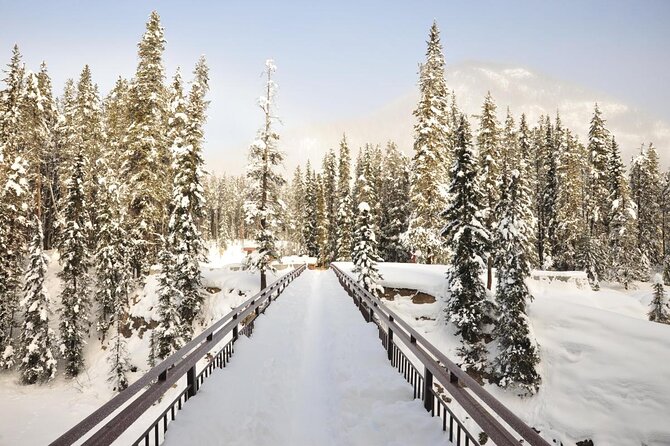
- GPS-triggered stories play automatically as you reach each point along the route.
- The route runs from Lake Louise to Emerald Lake, with more than 50 miles of driving and about 1 to 2 hours of audio content.
- Takakkaw Falls requires a seasonal detour, with the access road open from July through September.
- The Burgess Shale adds real scientific interest, while the Spiral Tunnel stop explains a major railway feat.
- One purchase covers a group of up to four, making this especially good value for families or friends sharing a car.
- You need a separate Yoho National Park pass, plus a phone with GPS and enough connectivity to download the tour before setting out.
Starting at Lake Louise and crossing Kicking Horse Pass
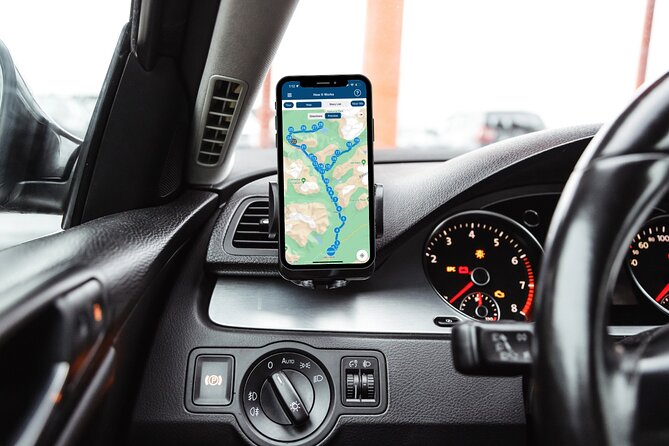
The tour begins near Lake Louise, Alberta, at the listed starting point CRHF+Q24. Nobody meets you there. Instead, you open the Action Tour Guide app, choose the correct tour and direction, and let the GPS trigger the first story.
The opening subject is Kicking Horse Pass, a natural route through the mountains that the Kootenay people used long before the railway arrived. The story also explains how the pass got its unusual name. That is a good start because it places the scenery in a human and historical setting right away, rather than treating the mountains as pretty scenery with no backstory.
You should expect the route to feel more like a narrated road trip than a formal walking tour. Keep your eyes on the road, follow speed limits, and let the audio do its work in the background. The app is designed for hands-free listening, so you do not need to keep tapping your screen every few minutes.
The tour is listed as taking about 1 to 2 hours, but your full outing can take much longer. The drive includes photo stops, optional walks, and a detour to Takakkaw Falls. If you rush from start to finish, you will miss much of what makes Yoho worth visiting.
More national park tours in Alberta:
- Moraine Lake, Lake Louise Johnston Canyon Banff National Park
★ 4.5 · 243 reviews - Lake Louise to Jasper One-Way Tour
★ 5.0 · 17 reviews - Banff National Park Moraine Lake and Lake Louise Explorer Tour
★ 4.5 · 12 reviews
Sherbrooke Lake for a quieter walk
The Sherbrooke Lake trailhead is one of the first useful choices for people who want more than a drive-by look at the park. The lake sits at the base of two mountains and is described as a secluded place that rarely gets crowded.
The trail is six miles long and takes at least two hours. That makes it a serious side trip rather than a quick leg stretch. You should plan for extra time, suitable footwear, and enough daylight if you want to walk it. The audio tour itself does not include admission charges for the stop, but it also does not provide a hiking guide or equipment.
I like that the narration points out a less obvious option instead of focusing only on the famous viewpoints. If your goal is solitude, Sherbrooke Lake may suit you better than a packed roadside stop. If you are trying to complete the full drive in two hours, skip the hike and continue with the route.
The app’s pause function matters here. You can stop the tour, take the walk, and resume later without losing control of your day. You can also skip a story or return to extra material if one subject catches your interest.
The Lower Spiral Tunnel Viewpoint and railway problem-solving
At the Lower Spiral Tunnel Viewpoint, the tour shifts from natural scenery to engineering. The story explains the problem faced in the 1880s by Prime Minister John Macdonald and the Canadian Pacific Railway: how could a steam train with roughly 20 cars climb through mountains reaching around 10,000 feet?
The answer involved the Spiral Tunnels, a clever railway design that allowed trains to gain height by curving through the mountains rather than attacking the slope in one straight climb. The viewpoint gives you a reason to stop and look beyond the obvious peaks. You are seeing a route shaped by both geology and human persistence.
This is one of the stronger parts of the drive for families. Children who may not care about a general history lecture can follow the basic puzzle: a long, heavy train must get over very high mountains. The audio format also works well here because you can listen while looking toward the railway route.
The main limitation is simple: the audio can explain the railway, but it cannot replace time at the viewpoint. Give yourself a few minutes to read the scene and take photographs. The listed stop time is about 10 minutes, but you control the pace.
Takakkaw Falls requires a seasonal choice
Takakkaw Falls is the most important side trip on the route. The waterfall drops about 1,200 feet, and the access road brings you surprisingly close to the falling water. The turnoff adds about 15 minutes each way, before you count time at the falls.
There is one major planning issue. The road is open only from July through September according to the tour information. If you are visiting outside that window, you should not build your day around this stop. If you are visiting during the open season, the detour is likely worth making, especially if you have not seen a major Rocky Mountain waterfall up close.
This is also where a self-guided drive earns its keep. You do not need to wait for a group or ask a driver to make an unscheduled turn. Pause the narration, take the detour, and return to the main route when you are ready.
Allow more time than the 15-minute driving estimate if you want to enjoy the site. The audio content may take about 10 minutes, but the waterfall itself deserves a proper look. Weather and road conditions can also affect how long the stop feels, so keep your schedule loose.
A few more Alberta trips to weigh up
- Jasper National Park: Maligne Lake Cruise With Guide
★ 4.7 · 896 reviews - Explore Banff National Park with Our Premium Day Tour
★ 5.0 · 777 reviews - Whistler Wilderness Run Snowmobile Tour
★ 5.0 · 724 reviews - Banff National Park Tour with Lake Louise and Moraine Lake
★ 4.5 · 692 reviews
Wapta Mountain and a First Nations place name
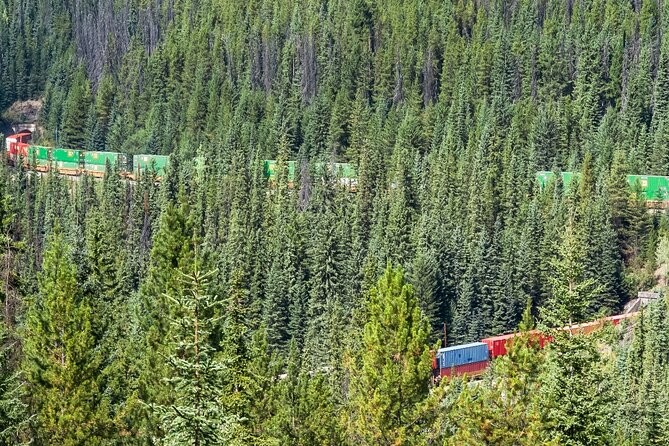
As the road bends onward, the tour draws your attention to Wapta Mountain, which reaches 9,114 feet. The story recalls the first recorded ascent in 1901 by clergyman James Outram and J. H. Scattergood, accompanied by a Swiss guide.
The more interesting detail is the name. Many peaks in this part of the Rockies carry European names, but Wapta comes from a First Nations language. The narration asks what the word means in the Nakoda language, turning a passing mountain view into a small listening challenge.
That approach is useful. You may not remember every date or height, but you are more likely to remember a mountain when its name carries a different cultural history from the names around it. It also helps keep the drive from becoming a long string of measurements and explorers.
You do not need to stop here for the story to work. The app triggers the audio as you approach the point, so you can take in the peak through the car windows while continuing along the road. If you want photographs, pull over only where it is safe and permitted.
The Burgess Shale and fossils in Mount Field
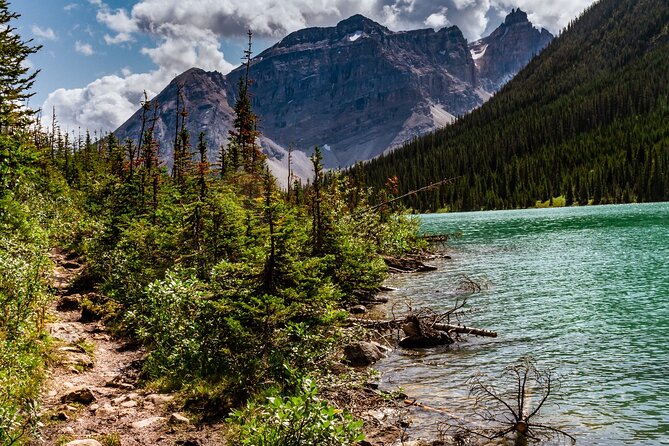
Mount Field is home to the Burgess Shale, one of Canada’s most important fossil discoveries. The shale contains a large number of fossils, offering a glimpse into ancient life preserved in sedimentary rock.
This stop gives the tour a welcome change of scale. You move from the enormous size of mountains and waterfalls to tiny organisms preserved for scientists to study. The mountains are not only scenic peaks. They also hold evidence of life from a very distant period.
The audio story is especially helpful if geology is not your strong suit. You do not need to arrive with technical background to understand why fossil-bearing shale matters. The narration supplies the basic context while you look toward Mount Field.
The stop may be less immediately dramatic than Takakkaw Falls or Emerald Lake. If you want only big viewpoints, it could feel like a short pause in the drive. I would still keep it in the route because it adds depth and variety, and it is exactly the sort of detail you might otherwise pass without noticing.
Natural Bridge over the Kicking Horse River
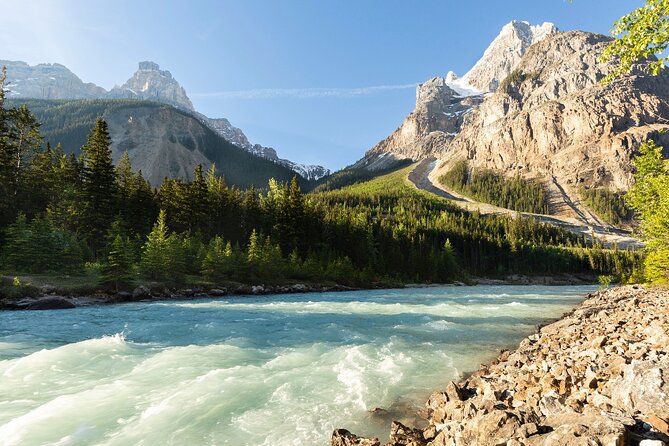
At Natural Bridge, the Kicking Horse River cuts through rock in a way that leaves a bridge-like span across the water. The tour explains how the river changes character as it moves from flatter ground near Field toward a steeper downhill course and its meeting with the Amiskwi River.
The key idea is erosion. On flatter ground, the river moves more slowly. As gravity sends it downhill, the water gains speed and force, gradually shaping the rock. The result is a natural opening and a strong viewpoint over the river.
This is a good example of the tour’s basic strength: it tells you what to look for and why it formed. Without that explanation, you might see a rocky channel and move on. With it, the rushing water becomes part of a much longer process.
Take care around any wet or uneven viewing areas, and do not let the phone distract you from the surroundings. The audio is meant to run in the background. You can pause it if you need to concentrate on walking or photography.
Finishing at Emerald Lake
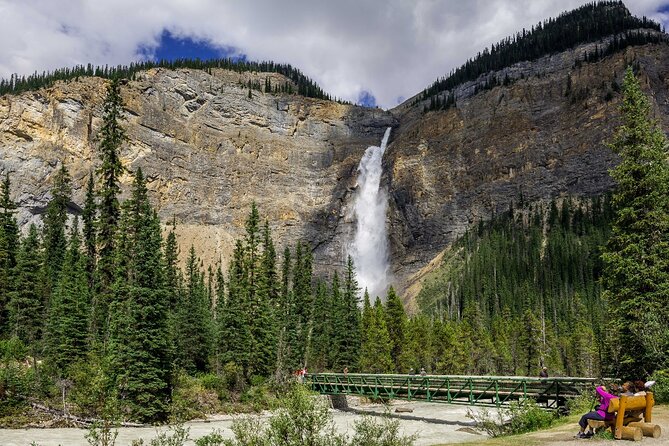
The final destination is Emerald Lake, reached by Emerald Lake Road near Field, British Columbia. The story returns to Tom Wilson, an early European visitor who is credited with being the first settler from Europe to see the lake and give it its name.
Ending at Emerald Lake works well. After railway history, mountain names, fossils, and river erosion, you arrive at one of Yoho’s best-known scenic stops. The audio gives the lake a human story without taking away from the view.
You should treat Emerald Lake as the end of the narrated route, not necessarily the end of your day. The information provided does not set a required length of stay, so you can decide how long to remain. The one-way design also means you need to think about your onward plans, since the listed end point is different from the Lake Louise start.
The route covers a lot of ground, but it does not turn each stop into a guided walk. You still need to choose where to park, how long to look around, and which side trips fit your schedule. That is a strength for independent visitors, but less suitable if you want someone physically present to organize every detail.
What the $14.99 price really gets you
At $14.99 per group of up to four, the math is attractive. A family of four pays less than $4 per person, and even two people pay less than $8 each. You also avoid the cost of a private guide, while keeping the ability to stop whenever you like.
The value comes from repeat use as well as the low starting price. The information says you can use the purchase over a year and on return trips, while the additional access details describe lifetime access with no expiry. Those statements do not match perfectly, so I would confirm the current validity period before booking. Either way, the ability to pause and resume is useful for a multi-day visit.
The fee does not include a Yoho National Park entrance pass. You must buy that separately online or at the park entrance. Include that cost in your budget, since the audio purchase alone does not grant access to the park.
This is not the right choice if you want a live guide, personal questions answered on the road, or a fixed group itinerary. It is a strong choice if you already have a rental car and want background stories without paying a per-person tour fee.
Setting up the Action Tour Guide app
The technical setup deserves attention. After booking, you receive instructions and a password by email and text. Search for audio tour in both places if you do not see the message quickly.
You must download the separate Action Tour Guide app and enter the password before setting out. Download the tour while you have strong Wi-Fi or cellular service. Once downloaded, it works offline, which is important in a mountain park where signal may be weak or absent.
Connect your phone to the car stereo by Bluetooth, USB, or AUX. Apple CarPlay is supported for audio playback, while navigation features are listed as coming soon. Android Auto support is also described as forthcoming, so do not count on it for the full experience.
The recommended devices are an iPhone running iOS 15 or later, an Android phone running version 9 or later, or an iPad or tablet with GPS and cellular capability. Preview the tour before leaving your accommodation. One poor setup can lead to the same problem reported by a dissatisfied customer who found that the guide never worked.
If something goes wrong, contact support. Still, prevention is easier than troubleshooting beside a mountain road. Launch the correct tour at the starting point, enter the first story’s location, and let the GPS trigger the narration. If multiple versions appear, select the one matching your starting point and direction.
Who should book this Yoho drive?
I would recommend this tour to:
- Couples or families sharing a rental car
- Independent visitors who dislike rigid schedules
- People who want history and geology with their scenery
- Repeat visitors returning to Yoho within the stated access period
- Drivers comfortable managing an app and offline download
- Anyone planning stops at Natural Bridge, the Spiral Tunnel viewpoint, or Takakkaw Falls
I would be more cautious if you have unreliable phone access, do not want to handle the setup yourself, or need a live person to guide you from stop to stop. The tour is private, but private here means only your own group uses it, not that a guide rides in the car.
The tour is offered in English only. Most people can participate, and the route is near public transportation, though the experience itself is built around a self-guided drive.
Cancellation and practical timing
You can cancel for a full refund up to 24 hours before the local start time. Cancellations or changes made within 24 hours are not refunded or accepted.
The listed operating period runs from October 25, 2023, through March 11, 2027, with hours shown as 9:00 AM to 5:00 PM daily. Since the route includes a seasonal road to Takakkaw Falls, check current conditions and access before you leave, especially if that waterfall is a priority.
Start with a full phone battery, download the audio, connect the car stereo, and keep the driving portion flexible. The audio may fit into 1 to 2 hours, but Sherbrooke Lake, Takakkaw Falls, Natural Bridge, and Emerald Lake can turn this into a half-day outing or longer.
Should you book the Yoho National Park audio tour?
Book it if you want a low-cost, flexible way to understand what you are seeing from behind the wheel. The strongest parts are the GPS timing, the useful range of subjects, and the group price. You get stories about Kootenay travel routes, railway engineering, mountain names, fossils, rivers, waterfalls, and Emerald Lake without following a bus schedule.
Skip it if you expect a human guide or do not want to prepare the app in advance. Downloading the tour on strong service is essential, and you must still pay for the national park pass separately.
For a road trip with up to four people, I think the value is good. Just set up the app before reaching the mountains, leave time for the optional stops, and confirm the access period because the supplied details give both one-year and lifetime-use wording.
FAQ
How long does the Yoho National Park audio tour take?
The narrated tour takes about 1 to 2 hours, covers more than 50 miles, and includes over 27 audio stories. Your full visit will take longer if you stop for walks, photos, or the Takakkaw Falls detour.
Where does the tour start and finish?
The listed starting point is near Lake Louise, Alberta. The route finishes at Emerald Lake Road near Field, British Columbia.
Is a park pass included?
No. A pass for Yoho National Park is required and must be purchased separately online or at the park entrance.
Does the tour work without cell service?
Yes, after you download the tour. You must download it while you have strong Wi-Fi or cellular service, then the audio and offline maps can work without a connection.
How does the audio start?
Open the Action Tour Guide app at the starting point and launch the correct tour. The first story begins when you reach its GPS location, and later stories play automatically as you follow the route.
Is Takakkaw Falls accessible all year?
The tour information says the road to Takakkaw Falls is open from July through September. The detour takes about 15 minutes each way.
Can more than one person use the tour?
Yes. The price covers one group of up to four people, so everyone in the same car can listen together.
More Audio Tours in Alberta
- Ghosts of Drumheller: a Smartphone Audio Ghost Tour
★ 4.5 · 5 reviews - Cabot Trail: a Smartphone Audio Driving Tour
★ 4.5 · 118 reviews - Niagara: Behind The Falls, Skylon Tower Ticket & Tesla Audio Tour
★ 3.5 · 69 reviews - Sea to Sky Highway: a Smartphone Audio Driving Tour
★ 4.0 · 32 reviews
More Self-Guided Tours in Alberta
- Icefields Parkway: a Smartphone Audio Driving Tour
★ 4.0 · 118 reviews - Self-Guided Audio Driving Tour in Icefields Parkway
★ 5.0 · 24 reviews - Smartphone Audio Driving Tour between Lake Louise and Calgary
★ 4.0 · 15 reviews - Discover the Lake Agnes Tea House Trail with an Audio Nature Tour
★ 4.0 · 7 reviews
Just added around Alberta
- Discover the Lake Agnes Tea House Trail with an Audio Nature Tour★ 4.0 · 7 reviews
- Moraine Lake and Lake Louise Sightseeing Half Day Tour★ 5.0 · 23 reviews
- Smartphone Audio Driving Tour between Lake Louise and Calgary★ 4.0 · 15 reviews
- Official SkiByk Rentals in Banff & The Canadian Rockies★ 5.0 · 9 reviews
- Airport Shuttle: Lake Louise <---> Calgary★ 5.0 · 4 reviews
- Lake Louise to Jasper One-Way Tour★ 5.0 · 17 reviews
- Lake Louise Summer Gondola Experience★ 4.0 · 65 reviews
- Nikka Yuko Admission (Adults & Children)★ 3.5 · 22 reviews
National Park Tours, compared.
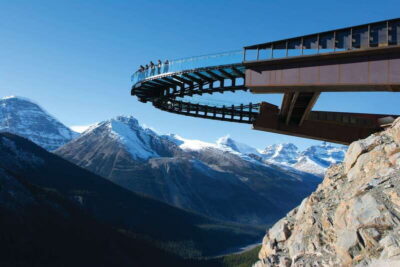
Columbia Icefield Skywalk and Ice Explorer Ticket
Read our review →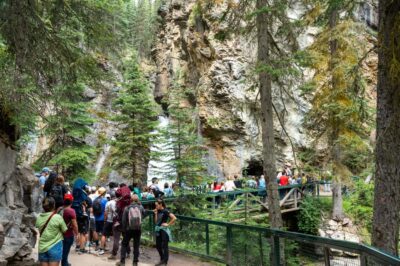
Lakes Moraine, Louise, Emerald, Johnston Canyon & Yoho Tour
Read our review →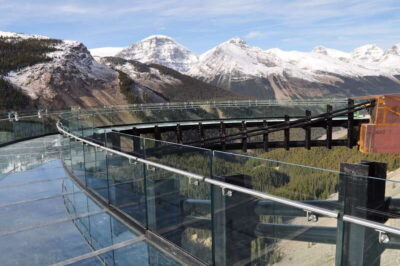
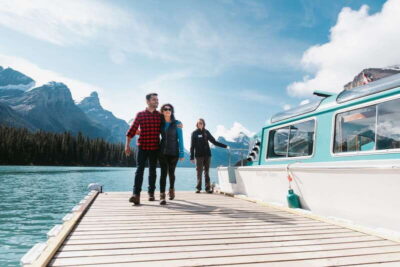
Jasper National Park: Maligne Lake Cruise With Guide
Read our review →
Explore Banff National Park with Our Premium Day Tour
Read our review →
Banff National Park Tour with Lake Louise and Moraine Lake
Read our review →
Jasper National Park: Evening or Morning Wildlife Watch Tour
Read our review →Browse the lists this tour appears in