
Reviewed · CANADA
Hopewell Rocks Admission
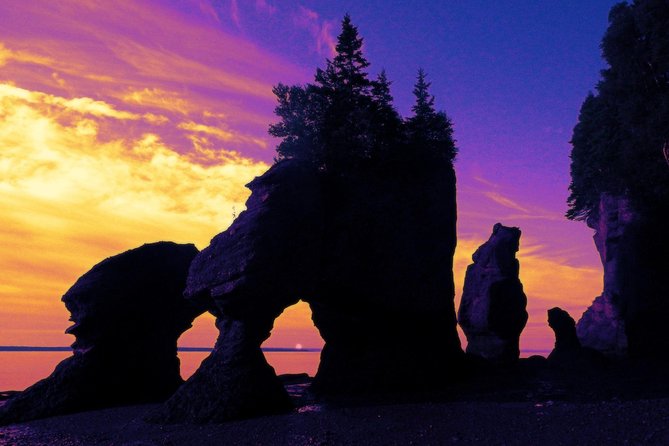
At Hopewell Rocks, the ocean floor becomes a walking route. At low tide, you can stand beneath towering flowerpot-shaped cliffs carved by the Bay of Fundy. Hours later, the same formations sit in deep water. That dramatic change is the heart of the experience.
I like the two-day admission, which lets you return for both low and high tide instead of rushing through in one visit. I also like the easy mix of geology, walking trails, viewpoints, a multimedia exhibit, and family facilities.
The main catch is timing and effort. The walk from the welcome centre to the ocean floor can take about 15 minutes, followed by steps and uneven ground. A $2 shuttle runs each way, free for people with disabilities, but the most rewarding visit still takes planning around the tide schedule.
In This Review
- Key things to know before you go
- Why Hopewell Rocks feels different at low tide
- The walk from the welcome centre to the shore
- Walking beneath the famous flowerpot rocks
- Watching the tide return
- Trails, lookouts, and the interpretive centre
- How long should you stay?
- Food, facilities, and nearby plans
- Who will enjoy this visit most?
- My take on the Hopewell Rocks admission
- FAQ
- How long does the Hopewell Rocks visit take?
- Is the admission valid for more than one day?
- Can I walk on the ocean floor?
- Is transportation available within the site?
- Is a guided tour included?
- What happens if the weather is poor?
Key things to know before you go
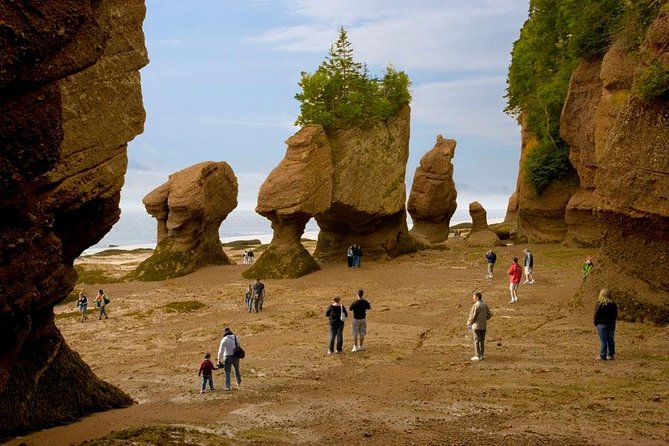
- Low tide reveals the ocean floor: Walk around the rock pillars and see the mud, stones, and broad seabed left behind by the retreating water.
- High tide changes the entire scene: Return later and watch the water surround formations that were dry earlier in the day.
- Your ticket works for two consecutive days: This is useful when the tide times do not line up neatly with your arrival.
- The walk is longer than it first appears: Allow time for the path, ramps, steps, lookouts, and rock exploration.
- A scheduled walking tour is included: Check the daily times if you want more context on the geology and ecosystem.
- You need a car for easy access from Saint John: There is no bus service to the site, so build this into your New Brunswick plans.
Why Hopewell Rocks feels different at low tide
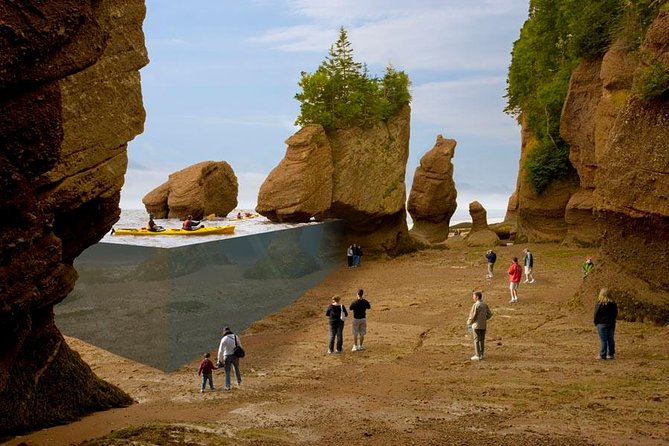
Many coastal attractions offer a fine view of the water. Hopewell Rocks gives you the unusual chance to walk where the water will soon be. That change makes the visit feel active rather than simply scenic.
At low tide, the rock pillars rise around you. Their rounded, tree-topped shapes are often called flowerpots, and the Bay of Fundy’s powerful tides helped carve them over many years. You can walk across the exposed ocean floor, look up at the rock walls, and see the marks left by the water and mud.
I would not treat this as a quick photo stop. You can see the main formations in 90 minutes to two hours, but the site rewards a slower pace. The path from the welcome centre leads through scenic areas toward the shoreline, with lookouts and places to pause along the way.
The ground can be rocky and muddy. Wear sturdy walking shoes, and bring water shoes if you plan to get your feet wet. The tide may still be well out even after the official lowest point, so you often have a useful window for exploring. Still, the exact conditions change with the tide table and weather.
Other Canada days worth putting on the list:
- Vancouver Half-Day Whale Watching Adventure with Free Photos
★ 5.0 · 5,000 reviews - Quebec City Walking Tour
★ 5.0 · 4,716 reviews - Niagara Falls: Premium Tour, Boat & Journey Behind the Falls
★ 4.8 · 4,207 reviews
The walk from the welcome centre to the shore
Your visit begins at the entrance and interpretive area, where you exchange your prepaid voucher for admission. There is no special fast lane for prepaid tickets, so buying ahead is mainly useful for securing your visit and gaining the two-day benefit, not necessarily for skipping the entrance line.
From there, you follow the route toward the rocks. The walk takes roughly 15 minutes for many people, though the distance feels longer if you are managing mobility concerns or a tired child. The site has washrooms along the path, which makes it easier to spend several hours here without needing to return to the entrance.
You can walk or pay for the shuttle. The shuttle costs $2 per person each way, with complimentary service for people with disabilities. If you tire easily, save your energy for the ocean floor and use the shuttle in one direction. If you are comfortable walking, the route itself is part of the visit, with paths, views, and places to stop.
There are steps and ramps on the way down. That makes the experience challenging for some people with mobility issues, even though the grounds have been arranged with accessibility in mind. Families should also keep an eye on children near uneven rock and wet ground.
Walking beneath the famous flowerpot rocks
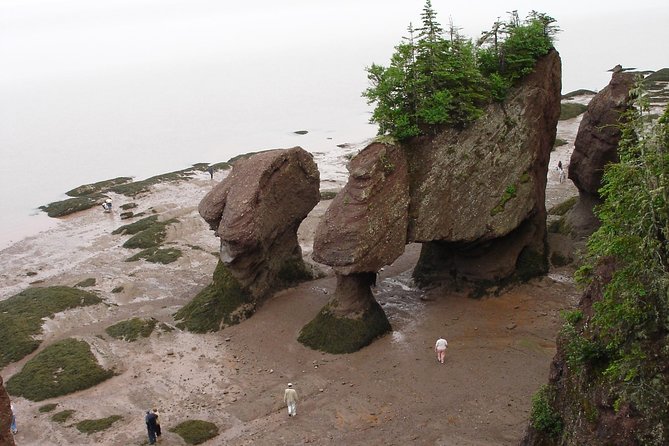
The ocean-floor section is the emotional high point. You are not just looking at the Bay of Fundy from a platform. You are standing in its tidal zone, with the huge rock formations rising around you.
The exposed seabed can feel broad and open, while the rock pillars create narrow, dramatic views. The formations look different from every angle. Some are tall and slender, others have broad tops, and the tree growth above the eroded rock gives them their familiar flowerpot shape.
Give yourself time to look down as well as up. Mud, stones, shallow water, and tide marks explain what happens here between visits. If you arrive about two hours after low tide, you may still have plenty of time to explore, but do not assume the floor will remain open all day.
This is also where practical footwear matters most. The area may be wet and rocky, and the mud can cling to shoes. Water shoes are a smart choice if you want to step into shallow water. Otherwise, sturdy closed shoes will make the walk more comfortable.
The best photographs usually come from showing scale. Include a person beside the formations, rather than photographing only the rocks. The height of the pillars is much easier to understand when you can compare them with someone on the seabed.
Watching the tide return
The strongest reason to use the two-day ticket is to see the site at both tide stages. You can walk the ocean floor in the morning, then return later to watch the water rise around the same formations.
One well-planned visit can sometimes cover both. For example, an early arrival near opening time may line up with a low tide around 9:20 a.m., followed by a high tide in the afternoon. Tide times vary, so check the local schedule before choosing your arrival hour.
Do not expect the change to look dramatic minute by minute. The water may seem to move slowly, but the scene changes steadily. A place where you stood beneath a rock pillar can later be surrounded by water. That delayed comparison is what makes the high tide feel so powerful.
If the tide times are far apart, return the next day. Your admission is valid for two consecutive days, so you do not have to spend seven hours at the site unless you want to. Some people will be happy with the low-tide walk and a later look from the paths. Others will consider the full cycle the main reason to come.
The park’s opening hours change by season. From May 20 through June 23, hours are 9 a.m. to 5 p.m. Summer hours from June 24 through August 19 extend from 8 a.m. to 8 p.m. From August 20 through September 16, the site is open 9 a.m. to 7 p.m., and from September 17 through October 10, it returns to 9 a.m. to 5 p.m.
Check both the tide schedule and the opening hours. A perfect low tide at a time outside operating hours will not help.
Same province, a completely different day out:
- Banff: Banff Gondola Admission Ticket
★ 4.7 · 3,698 reviews - Toronto: Niagara Falls Day Tour with Optional Boat Cruise
★ 4.6 · 3,178 reviews - Best of Niagara Falls Canada Premium Tour: Behind Falls and Boat
★ 5.0 · 3,139 reviews - Montreal: Guided Bus Tour
★ 4.4 · 3,064 reviews
Trails, lookouts, and the interpretive centre
Hopewell Rocks is more than the famous shoreline. Walking trails lead through the grounds, and lookouts give you views of the rocks and changing water without requiring you to go onto the seabed.
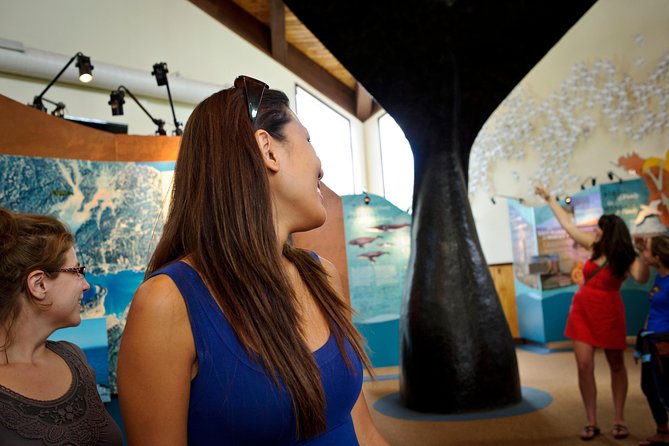
The multimedia exhibit helps explain the ecosystem and geology. This matters because the formations are more interesting once you understand that the Bay of Fundy’s repeated tidal movement helped shape them. The included walking tour adds another layer, with specific times offered daily.
If you enjoy natural science, check the walking-tour schedule before you arrive. It is easy to get caught up in photographs and miss the departure time. The guides can help explain what you are seeing, and the tour is included with admission.
The interpretive centre and paths also give you something to do when the tide is not at its lowest. You can watch the water from above, visit the lookouts, and let children use the playground. The setting works well for a family day because not every activity depends on being able to walk far across the seabed.
How long should you stay?
The advertised visit takes about 90 minutes to two hours. That is enough time for the main walk, the ocean floor, and a few viewpoints if you arrive at a useful tide stage.
I would allow at least three to four hours if your schedule permits. That gives you time to walk rather than rush, visit the exhibit, stop for food, and watch the tide change. If you want to see both low and high tide at the same site, plan on a longer stay or use the second day.
Some people spend about four hours and cover the main areas comfortably. A full tidal cycle can take roughly seven hours, depending on the tide times. That is a long outing, but the park has a restaurant, café, washrooms, trails, and resting areas to make a longer visit manageable.
The admission is good value if you use the second day or see both tide stages. It is less compelling if you arrive at an inconvenient time, spend a rushed hour at the rocks, and leave without exploring the rest of the grounds. The ticket gives you flexibility, but you still need to use it wisely.
Food, facilities, and nearby plans
A casual family-style restaurant offers food with views, and a café provides a place to stop for a hot drink. Lunch is not included, so include it in your budget if you plan to stay through the tide change. Alcoholic drinks and DVDs are available for purchase, but neither is part of admission.
The gift shop is another easy stop, especially with children. Clean facilities, the playground, and the paths make the site comfortable for a full outing rather than just a roadside pause.
Hopewell Rocks also works well as part of a wider New Brunswick route. Nearby options include Fundy National Park, Cape Enrage, Mary’s Point Bird Sanctuary, covered bridges, artisan shops, museums, quiet beaches, lighthouses, waterfalls, hiking routes, and biking trails.
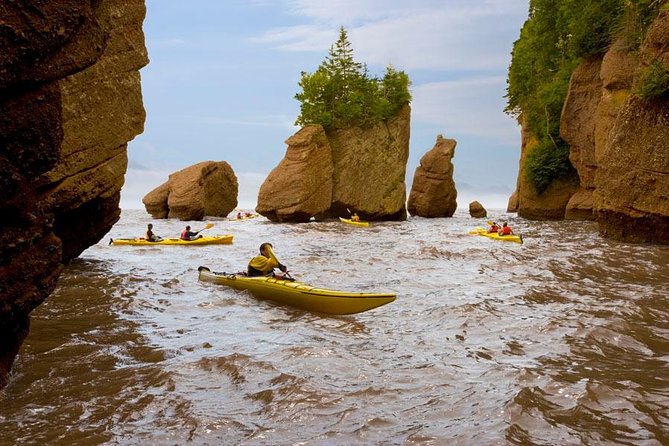
Kayaking around the formations is available through Baymount Outdoor Adventures. That is a separate activity, not part of this admission, but it gives you another way to see the rock pillars when the tide is high.
From Saint John, plan to rent a car. The site is not served by a bus, and rental offices may keep different weekend hours, so arrange transportation before the day of your visit.
Who will enjoy this visit most?
This is a good choice for families, couples, photographers, and anyone interested in geology or coastal forces. Children usually get something memorable from walking on the seabed, while adults can appreciate the changing tide and the well-kept trails.
You should have a moderate level of physical fitness. The route includes walking, ramps, steps, and uneven shoreline. The shuttle helps, but it does not turn the visit into a completely effortless experience.
People with mobility concerns can still find the site worthwhile, especially with the shuttle and accessible areas, but ask yourself how much walking and uneven ground your group can manage. Bring a slower pace and plan rests.
The attraction operates in all weather. Dress for changing conditions, and do not rely on a warm forecast alone. Wind, wet ground, and spray can make the shore feel cooler than the entrance area.
My take on the Hopewell Rocks admission
I would book this admission if you can match your visit to low tide and have enough time to return at high tide. The rock formations are impressive on their own, but the real payoff comes from seeing the same place transform from exposed seabed to tidal water.
You may skip it if your route is already overloaded, your schedule cannot fit the tide times, or your group cannot manage the walking and steps. The site is not a quick city attraction, and Saint John is not close enough for an effortless stop without a car.
For most people exploring New Brunswick, though, Hopewell Rocks earns its place. Use the two-day ticket, check the tide table, wear practical shoes, and do not rush the walk back from the shore. That simple plan gives you the best chance to see what makes the Bay of Fundy so remarkable.
FAQ
How long does the Hopewell Rocks visit take?
The usual visit takes about 1 hour 30 minutes to 2 hours. You may want three to four hours for a slower visit, and a full tide-cycle visit can take about seven hours depending on the tide times.
Is the admission valid for more than one day?
Yes. The entrance pass is valid for two consecutive days, allowing you to visit once at low tide and return at high tide.
Can I walk on the ocean floor?
Yes. At low tide, you can walk along the exposed Bay of Fundy ocean floor and around the rock formations. The ground may be rocky, muddy, or wet.
Is transportation available within the site?
Yes. An on-site shuttle costs $2 per person each way. Shuttle service is complimentary for people with disabilities.
Is a guided tour included?
Yes. Walking tours at specific times each day are included with admission. Check the schedule when you arrive.
What happens if the weather is poor?
The experience operates in all weather conditions, so dress appropriately. Sturdy footwear and water shoes can help if the ground is wet or you plan to get your feet wet.
Just added around Canada
- 2 Hour Banff Horseback Riding Adventure★ 4.0 · 145 reviews
- 1 Hour Spray River Ride★ 4.5 · 204 reviews
- Lake Minnewanka, Peyto Lake, Bow Lake , Icefields★ 4.5 · 63 reviews
- Along Icefields Parkway: Peyto Lake, Bow Lake & Columbia Icefield★ 4.0 · 19 reviews
- Moraine Lake Lake Louise Johnston Canyon Emerald Lake Day tour★ 5.0 · 4 reviews
- 3 Day Algonquin Park Canoe Trip – Moose & Beaver Safari★ 5.0 · 27 reviews
- 3 Hour Algonquin Park Bass & Trout Fishing (private- price is for 1 or 2 people)★ 5.0 · 5 reviews
- Discover the Lake Agnes Tea House Trail with an Audio Nature Tour★ 4.0 · 7 reviews