
Reviewed · RAFTING & KAYAKING
Kicking Horse River: Whitewater Rafting Experience
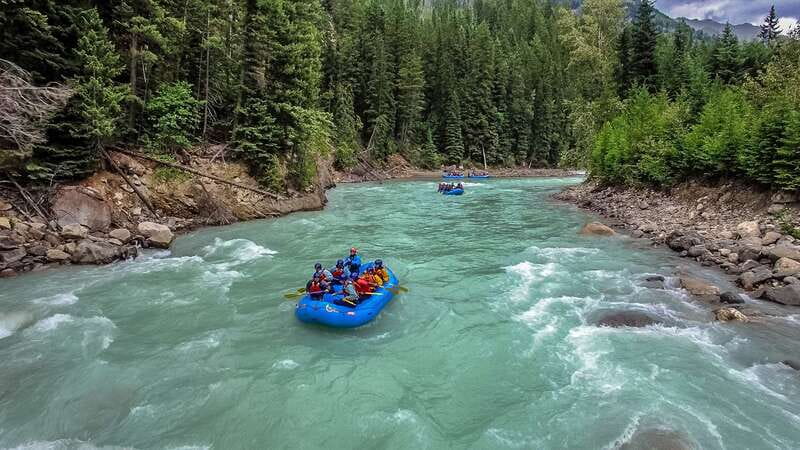
The real draw here is the shift from a calm mountain river to a Class IV white-water run through a narrowing canyon. You begin with time to learn the paddle commands, then work with your crew through Shot Gun, Man Eater, and Roller Coaster over 20 kilometers of the Kicking Horse River.
I like the careful beginner setup and the chance to see the Canadian Rockies from the water rather than from another roadside lookout. I also like that the price includes the full set of river gear, so you do not need to assemble a closet of specialist equipment. The trade-off is simple: this is a serious active outing, and you should expect to get wet, tired, and jolted around.
In This Review
- Key points to know before you book
- Why the Kicking Horse River is the main event
- From River Base to your first paddle commands
- The calm upper section gives you time to settle in
- Shot Gun, Man Eater, and Roller Coaster
- What 20 kilometers on the river feels like
- What the $116 price includes
- Who should book this river trip
- Practical tips for a smoother four hours
- The guide makes the difference
- Should you book the Kicking Horse River rafting trip?
- FAQ
- How long does the Kicking Horse River rafting experience last?
- Where is the meeting point?
- Do I need previous rafting experience?
- What equipment is included?
- What should I bring?
- Who cannot take part?
Key points to know before you book
- Class IV rapids: The main run includes Shot Gun, Man Eater, and Roller Coaster.
- 20-kilometer route: You raft 12 miles downstream before taking a shuttle back to the base.
- Beginner-friendly instruction: You learn commands and paddle technique on calmer water first.
- Full river kit included: Wetsuit, helmet, booties, life vest, spray jacket, and fleece are supplied.
- Four-hour commitment: The experience includes preparation, rafting, the return shuttle, rinsing off, and changing.
- Minimum age and weight rules: You must be at least 12 years old and weigh at least 88 pounds, or 40 kilograms.
Why the Kicking Horse River is the main event
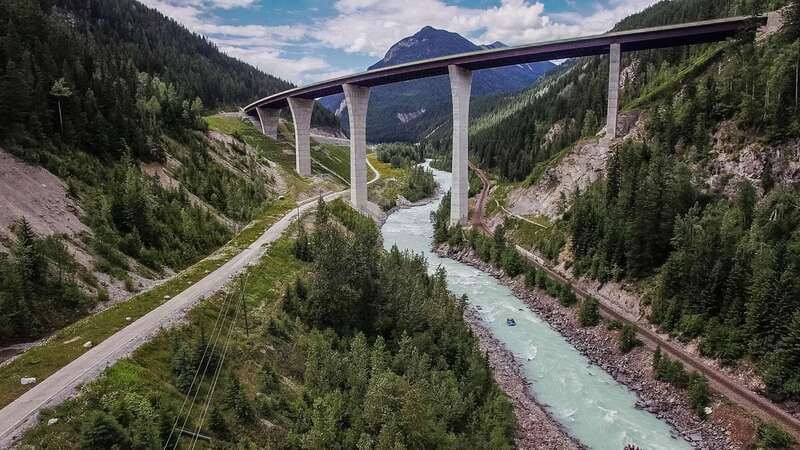
This trip works because the river gives you a proper build-up. You do not arrive at the base, climb into a raft, and immediately face the biggest waves. The outing starts in the upper section, where the water is calmer and the mountain views have room to register.
That gentler beginning matters. You can meet your guide, get used to the paddle, and learn what commands mean before the river demands quick action. For a first-time rafter, those early minutes turn a confusing rush of shouting and splashing into a team exercise.
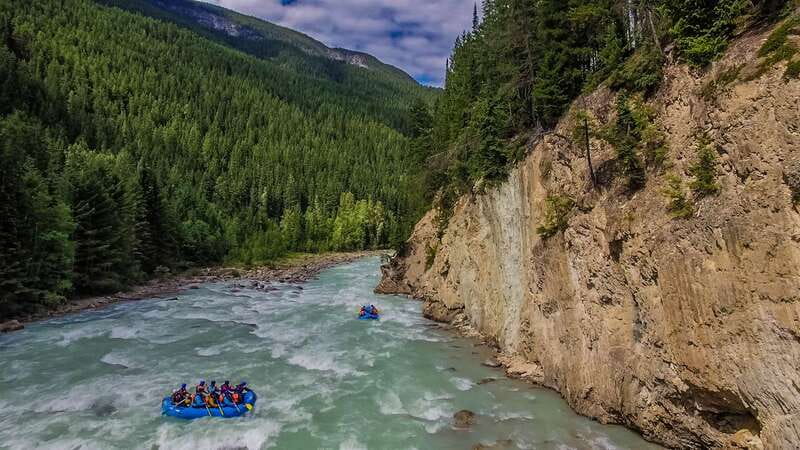
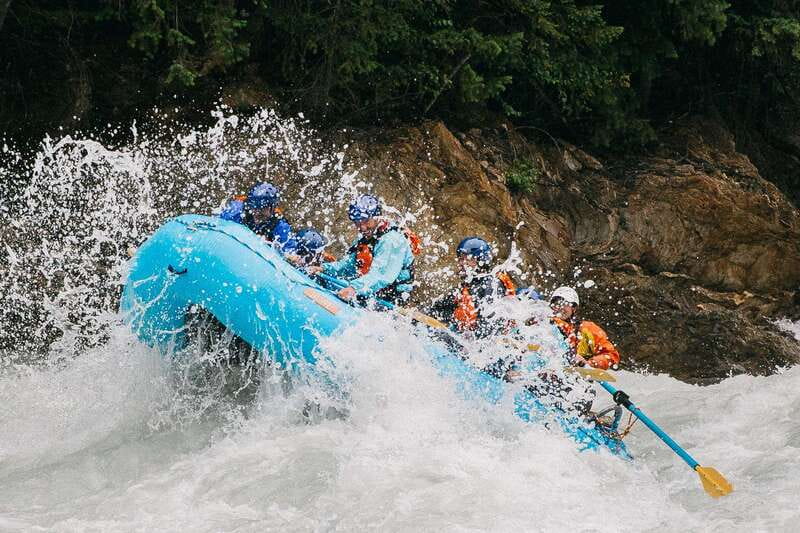
The Kicking Horse River then tightens into a canyon, and the mood changes. The water gathers speed, the rapids become the focus, and everyone in the raft has a job. You paddle when told, stop when told, and hold your position when the guide needs the boat balanced.
The setting adds plenty, but this is not a sightseeing float with a few playful ripples. The mountain views are best enjoyed between rapids. During the hardest sections, you will be thinking about your paddle, your footing, and whether the person in front of you is still in the boat.
More rafting & kayaking in Canada:
- Wet and Wild Elaho Exhilarator Rafting
★ 5.0 · 625 reviews - Rafting Adventure on the Kicking Horse River
★ 5.0 · 590 reviews - Half-Day Whitewater Rafting in Revelstoke
★ 5.0 · 410 reviews
From River Base to your first paddle commands
You meet at River Base, 2936 Kicking Horse Road, in Golden, British Columbia. Arrive at least 15 minutes before your scheduled start. Hotel pickup and drop-off are not included, so plan your own way to the base and leave enough time to park, check in, and get ready.
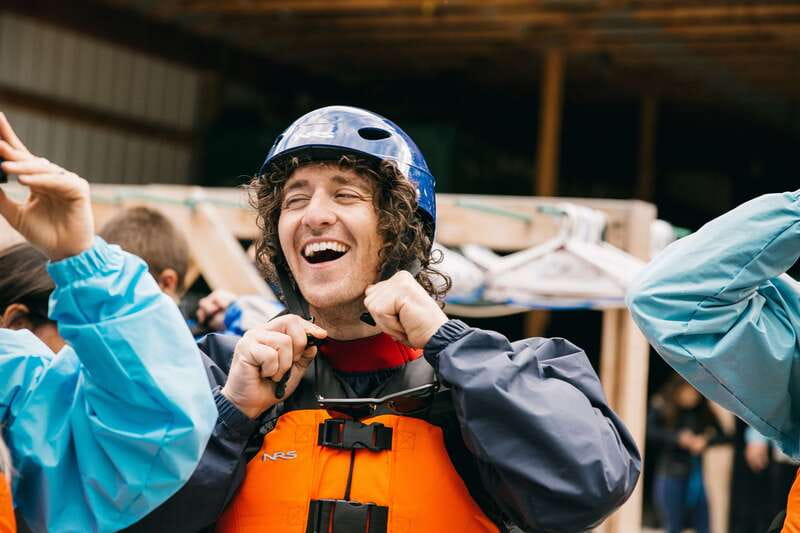
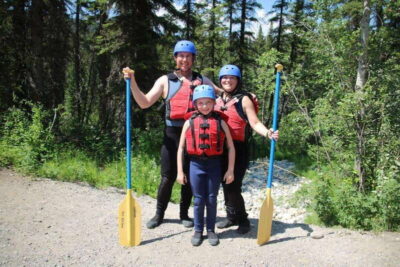
The first practical step is gearing up. Your package includes a wetsuit, helmet, booties, life vest, spray jacket, and fleece, along with the raft and paddles. Bring swimwear to wear under the wetsuit, plus a towel and dry clothes for afterward.
A wetsuit is not a luxury on a river trip. It gives you some protection from cold water and lets you concentrate on the rafting rather than spending the whole outing shivering. The supplied spray jacket and fleece add another useful layer when the water and weather are less forgiving.
Your guide then covers the basics before you head onto the river. You learn how to handle the paddle, follow commands, and work with the rest of the raft. No previous rafting experience or special skill is required, but you do need to listen closely and take part.
The English-language instruction is direct and practical. Guide Vern has been singled out for making instructions clear and keeping the mood fun. That combination is useful here. A guide needs to make you comfortable, but also needs to get your attention when a rapid is coming.
The calm upper section gives you time to settle in
The early river section is more than a quiet prelude. It is where you learn the rhythm of the boat. You begin to understand how your paddle affects the raft and how much easier it is to move as a group than as six people doing six different things.
You also get the best chance to look around. The Kicking Horse River cuts through the Canadian Rockies, and the upper section gives you scenic views before the canyon walls close in. Keep your eyes up when the water allows it. Once the larger rapids begin, scenery becomes a quick glance between instructions.
I particularly like this part for people who are nervous about white water. You get a real introduction without being left to figure things out in the middle of a major rapid. The route gradually turns up the pressure, giving you a chance to find your footing and trust the guide.
Still, do not mistake the calm opening for a gentle all-day float. The purpose of this section is preparation. The Class IV rapids are still ahead, and the pace changes once the canyon narrows.
Shot Gun, Man Eater, and Roller Coaster
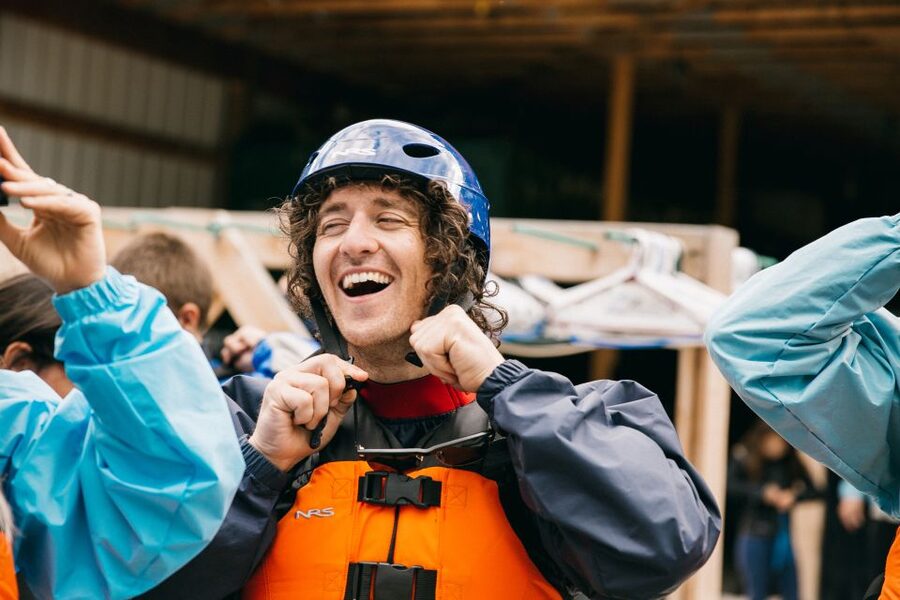
The named rapids give the trip its identity. Shot Gun, Man Eater, and Roller Coaster are not decorative names on a route map. They are the sections where the crew needs to paddle together and respond quickly.
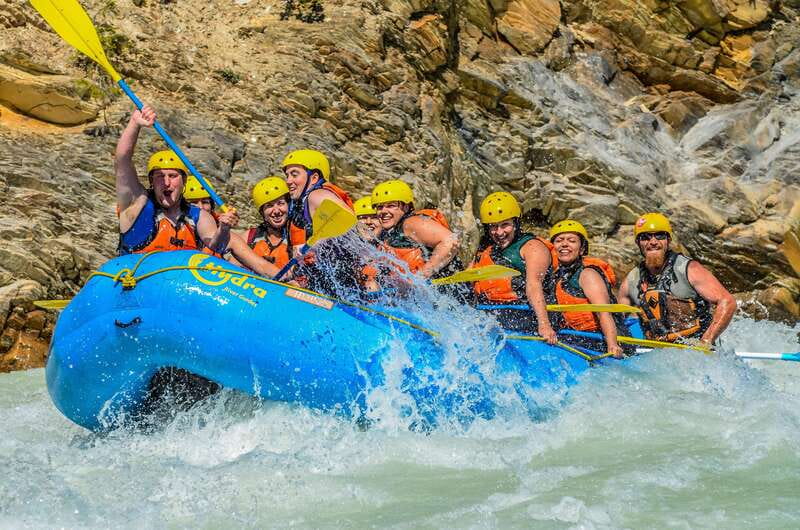
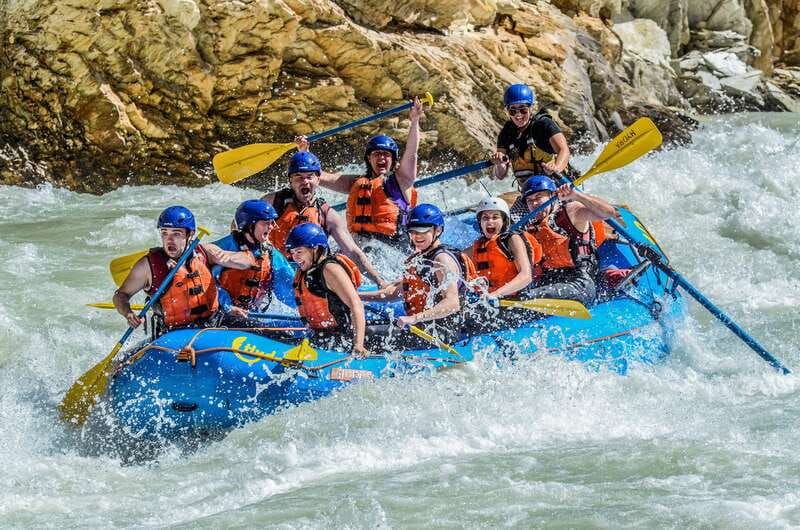
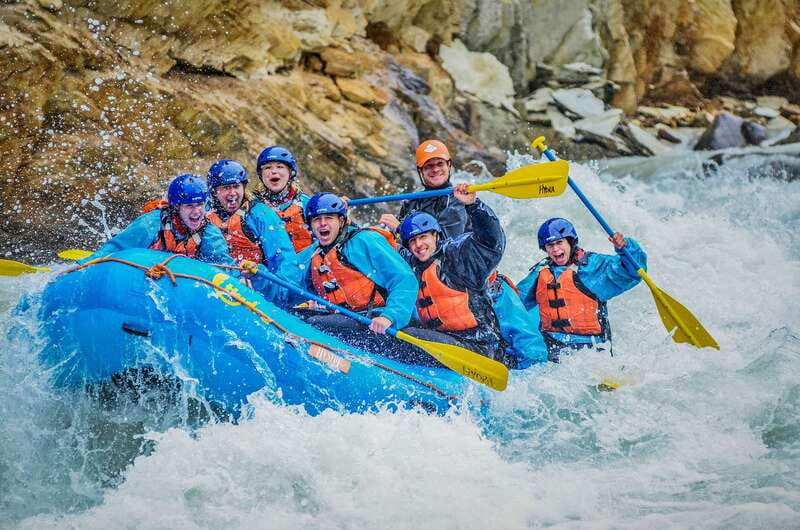
Class IV water means you should expect large, forceful rapids and a higher level of physical action than a casual rafting trip. The guide controls the route and gives commands, but the raft crew still supplies the teamwork. You will paddle hard, brace yourself, and get soaked.
The best part is the shared effort. A good rapid is not just something that happens to you. Everyone has to pull together, and the raft responds when the crew does its job. That makes the ride feel earned rather than passive.
There is also a real possibility of surprise. A recent outing included two moments when people went overboard, with the guide and fellow rafters reacting quickly. That detail is worth taking seriously. It does not mean every raft will have the same experience, but it shows why the safety briefing, helmet, life vest, and close attention to the guide matter.
If that prospect sounds exciting, this may be the right level of adventure. If you want a quiet scenic cruise with only mild splashes, choose a gentler river experience instead. This run is built around thrills and spills.
A few more Canada trips to weigh up
- Stanley Park Horse Drawn Tour in Vancouver
★ 4.5 · 550 reviews - Banff National Park: 1-Hour Bow River Horseback Ride
★ 4.6 · 518 reviews - Banff National Park: 1-Hour Spray River Horseback Ride
★ 4.7 · 315 reviews - Whitewater Rafting Adventure | Kicking Horse River
★ 5.0 · 291 reviews
What 20 kilometers on the river feels like
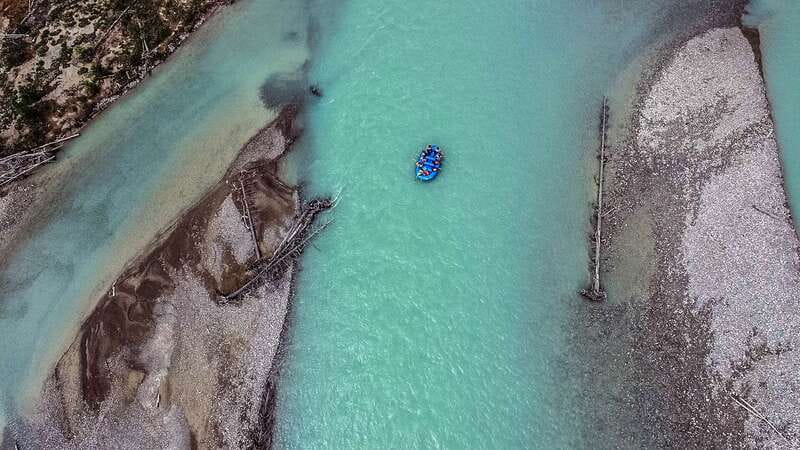
The raft travels about 20 kilometers, or 12 miles, downstream. The full activity lasts four hours, though that time includes the orientation, changing, rafting, the shuttle back, and the post-river cleanup.
Four hours is a useful length for a major outdoor activity. You get enough time on the water for the journey to feel substantial, but it does not consume an entire day. You can fit it into a Golden visit alongside other plans, though you should not schedule anything that requires you to be perfectly dry or rested right afterward.
The physical demand comes in bursts. You may have calm stretches where you can take in the views, followed by short periods of hard paddling and intense concentration. That mix keeps the trip from becoming a nonstop test of strength, but you should still arrive ready to work.
At the end of the 12-mile route, you leave the raft and board a shuttle back to Hydra River Base. Beach-style showers are available for rinsing off, and you can change into dry clothes. Pack your towel, snacks, drinks, sunscreen, and a daypack. Food and drinks are not included, although snacks are available to purchase.
Sunscreen remains useful even when you expect to spend much of the day wet. The river, open sky, and mountain surroundings can leave you exposed between the rapids. Keep your personal packing simple, since rafting gear and paddles are already supplied.
What the $116 price includes
At $116 per person, this is not a cheap amusement ride, but the value is better than the headline number suggests. The price includes the guide, raft, paddles, and a complete river outfit: wetsuit, helmet, booties, life vest, spray jacket, and fleece.
That equipment saves you from renting or buying the pieces separately. It also means a first-timer can try a demanding river without making a large investment in personal gear. You still need to bring swimwear, towel, sunscreen, food, and drinks, but the costly or technical items are covered.
The guide is another important part of the price. Class IV rafting is not a self-guided activity. You are paying for instruction, route leadership, safety direction, and the organization that gets you from the base to the river and back again.
The package does not include hotel transportation, so factor that into your budget. If you are staying outside Golden, the meeting point requires extra planning. The ability to reserve now and pay later also helps if your British Columbia schedule is still moving around. Cancellation is free up to 24 hours before the activity for a full refund, according to the stated terms.
Who should book this river trip
This outing suits active adults, families with older children, and first-time rafters who want a real white-water challenge rather than a mild introduction. The minimum age is 12, and the minimum weight is 88 pounds, or 40 kilograms.
You do not need previous experience, but you do need to be comfortable following instructions and taking an active role. The guide can teach paddle commands and basic technique. The guide cannot do the paddling for you.
I would choose this for someone who wants a strong outdoor memory and does not mind getting drenched. It also fits a group of friends or relatives well, since the raft depends on everyone pulling together.
I would think twice if you have mobility limitations, are pregnant, or are looking for a dry and relaxed sightseeing activity. The trip is not suitable for people with mobility impairments or pregnant women. The minimum age, weight, and physical demands are firm considerations, not minor footnotes.
Weather is not a reason to assume the trip will be canceled. The tour runs rain or shine. Bring the right attitude and use the supplied gear, but understand that rainy conditions may make an already wet outing feel even wetter.
Practical tips for a smoother four hours
Wear swimwear under the wetsuit and bring a towel in an easy-to-find bag. Dry clothes are useful after the shuttle ride back, especially if the air feels cool once you are no longer paddling.
Eat sensibly before you arrive, and bring snacks and drinks for the day. You can buy snacks at the base, but food and drinks are not part of the tour.
Arrive 15 minutes early, not at the exact start time. The group needs to meet the guides, get fitted with equipment, and complete the orientation. Rushing into that process is a poor way to begin a trip that depends on paying attention.
Listen to the guide even during the calm section. That is when you learn the commands you will need later. If you are new to rafting, ask questions before the river gets loud.
Expect photos, if offered, to be less important than the experience itself. Your main job is to stay engaged, paddle when instructed, and enjoy the mountain views during the quieter stretches.
The guide makes the difference
The strongest praise for this experience centers on the guides and the preparation. That is exactly where I would place the most weight when choosing a Class IV trip.
Clear explanations help first-timers feel ready without pretending the river is harmless. The guide also sets the tone for the raft. A calm, upbeat instructor can turn nerves into focus, while a rushed briefing would leave beginners guessing.
Vern is one guide name connected with especially positive feedback, and the trip has a reputation for a friendly atmosphere. On one outing, all six rafters were German, which made communication easy for that group. Your raft may include people from different countries, and the instruction is in English, so make sure you can follow English commands quickly.
The quick response during the two overboard moments also points to an important truth: raft safety is a group effort. The guide leads, but fellow rafters must pay attention and help when called on. That makes the briefing worth your full attention.
Should you book the Kicking Horse River rafting trip?
Book it if you want genuine Class IV action, mountain scenery, and a guided outing that welcomes beginners without watering down the rapids. The included gear and four-hour format make it a practical choice for visitors based in or near Golden, and the $116 price is reasonable for a fully outfitted river trip with instruction and a return shuttle.
Skip it if your ideal river day is quiet, dry, or mostly photographic. This is an active run with cold water, hard paddling, and the possibility of going overboard.
For the right person, the appeal is clear: you learn the basics, build confidence on calm water, then work as a team through some of the Kicking Horse River’s best-known rapids. Bring swimwear, a towel, snacks, sunscreen, and a willingness to get soaked. The river supplies the rest.
FAQ
How long does the Kicking Horse River rafting experience last?
The activity lasts four hours. This includes the orientation, gear preparation, rafting, shuttle return, rinsing off, and changing.
Where is the meeting point?
Meet at River Base, 2936 Kicking Horse Road, Golden, British Columbia, V0A 1H0, Canada. Arrive at least 15 minutes before the scheduled start.
Do I need previous rafting experience?
No. The tour does not require previous rafting experience or special skills. Your guide teaches you the commands and helps you get comfortable on a calmer stretch before the larger rapids.
What equipment is included?
The tour includes a wetsuit, helmet, booties, life vest, spray jacket, fleece, raft, paddles, and a qualified English-speaking guide.
What should I bring?
Bring swimwear, a towel, snacks, drinks, sunscreen, and a daypack. Food and drinks are not included, though snacks are available to purchase.
Who cannot take part?
The experience is not suitable for children under 12, pregnant women, people with mobility impairments, or people weighing under 88 pounds, or 40 kilograms.
Just added around Canada
- 2 Hour Banff Horseback Riding Adventure★ 4.0 · 145 reviews
- 1 Hour Spray River Ride★ 4.5 · 204 reviews
- Lake Minnewanka, Peyto Lake, Bow Lake , Icefields★ 4.5 · 63 reviews
- Along Icefields Parkway: Peyto Lake, Bow Lake & Columbia Icefield★ 4.0 · 19 reviews
- Moraine Lake Lake Louise Johnston Canyon Emerald Lake Day tour★ 5.0 · 4 reviews
- 3 Day Algonquin Park Canoe Trip – Moose & Beaver Safari★ 5.0 · 27 reviews
- 3 Hour Algonquin Park Bass & Trout Fishing (private- price is for 1 or 2 people)★ 5.0 · 5 reviews
- Discover the Lake Agnes Tea House Trail with an Audio Nature Tour★ 4.0 · 7 reviews
Rafting & Kayaking, compared.
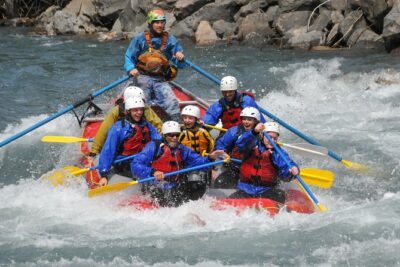
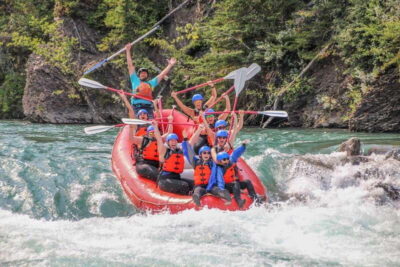
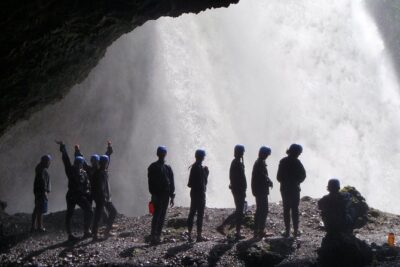
Clearwater, BC, Rafting, Finish in Canadas waterfall capital!
Read our review →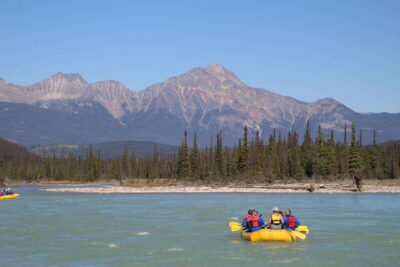
Jasper National Park: 2-Hour Whitewater Rafting
Read our review →
Afternoon Kananaskis River Whitewater Rafting Tour
Read our review →Browse the lists this tour appears in