
Reviewed · MONTREAL TOURS
Montreal: Discover Reso – The Underground City
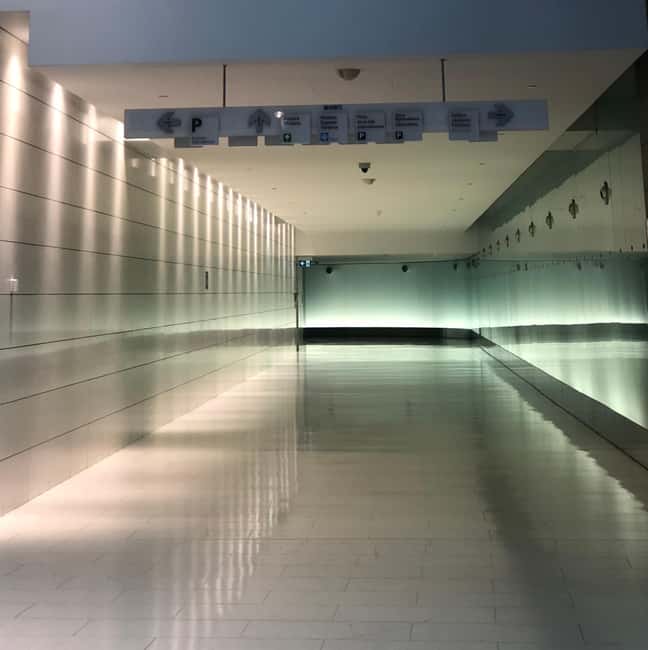
Montreal’s RESO, or Underground City, is less a single attraction than a second downtown hidden beneath the streets. This two-hour walk helps you connect its shopping centers, restaurants, transit stations, art pieces, cafés, and office towers without getting lost. It also brings you above ground for a look at The Ring and downtown’s long story.
I like the practical metro lesson and the small group, capped at 10 people. I also like the mix of useful places and oddball stops, from a piece of the Berlin Wall to the Barbie Expo and a year-round indoor ice rink. The main drawback is pace: you cover plenty of ground, climb stairs, and may find the route tiring if you have limited fitness.
In This Review
- Key points
- Why Montreal’s RESO is worth two hours
- Meeting by the Complexe Desjardins fountain
- From a former bank café to the World Trade Centre
- A short Metro 101 lesson and train ride
- The 1000 de la Gauchetière ice rink
- Central Station and Cathcart Terrace
- The Ring and a glimpse above street level
- Espresso, juice, and the practical side of the tunnels
- Les Cours Mont-Royal and the Barbie Expo
- How much walking should you expect?
- Is $29 a fair price?
- What Misha adds to the experience
- Best time to take the tour
- Who should book this RESO tour?
- Should you book Discover RESO?
- FAQ
- Where does the Discover RESO tour meet?
- How long does the tour last?
- How much does the tour cost?
- Which languages are available?
- How large is the group?
- Are food and drinks included?
- Is ice skating included?
- Can I bring luggage or a stroller?
Key points
- Start at Complexe Desjardins: Meet by the large fountain in the main atrium, a warm and easy winter meeting point.
- Learn Montreal’s metro: A short Metro 101 lesson and train ride make the rest of the city easier to explore on your own.
- See unusual sights: The route includes the Berlin Wall, the God of the Sea statue, The Ring, and Barbie Expo.
- Walk through a working city: This is not only a sightseeing route. You’ll pass shopping centers, cafés, restaurants, Central Station, and office connections.
- Get local orientation: Misha, a Montreal native with more than six years of experience, shares practical directions, photo tips, and food ideas.
Why Montreal’s RESO is worth two hours
Montreal’s underground network was built to make downtown life easier through harsh winters, rainy days, and summer heat. It links major buildings and transit points through a long series of indoor passages. The network is often described as 33 kilometers, though it does not feel like one clean, continuous tunnel.
That is the first thing you need to understand. The RESO is a collection of connected indoor spaces, each with its own look, signs, shops, and access points. On your own, it is easy to follow the wrong corridor or miss a turn. Misha’s main service is helping you understand how the pieces fit together.
I see this as an orientation tour rather than a conventional monument tour. You will not spend long periods at one grand sight. Instead, you move from one useful or curious stop to another, learning how Montreal’s downtown works along the way.
A few more Montreal trips to weigh up
- From Montreal: Quebec City and Montmorency Falls Day Trip
★ 4.5 · 2,669 reviews - Quebec City and Montmorency Falls Day Trip from Montreal
★ 4.0 · 2,437 reviews - Montreal City Sightseeing Tour with Live Commentary
★ 4.0 · 1,953 reviews
Meeting by the Complexe Desjardins fountain
The tour begins inside Complexe Desjardins at 175 René-Lévesque Boulevard West. Once inside, go downstairs to the main atrium and look for the large circular fountain near the food court. Benches provide a place to wait.
This is a smart meeting point in cold weather because you start indoors. The fountain is also easier to identify than a street corner or a store entrance. Coffee shops and restrooms are close by, which is useful before setting off.
The atrium gives you an immediate sense of the RESO’s everyday role. You are not entering a quiet museum. You are beginning in a public indoor district filled with food, movement, and commercial life.
From a former bank café to the World Trade Centre
Early stops include a historic bank converted into a café and a local souvenir shop. These places show two sides of the underground network. One offers a glimpse of older architecture given a new purpose. The other is aimed at people looking for Montreal gifts and keepsakes.
At the World Trade Centre of Montreal, you’ll see a section of the Berlin Wall and the God of the Sea statue. The combination is wonderfully unexpected. One object points to twentieth-century political history, while the other adds a large decorative flourish to the indoor route.
This section is a good example of why a guide helps. You could walk through the World Trade Centre and notice the architecture without understanding what you are seeing. Misha adds the story and points out the photo angles, so the stop becomes more than a quick corridor visit.
A short Metro 101 lesson and train ride
The metro portion is one of the tour’s most useful features. Misha gives you a quick lesson in how the system works, then leads the group on a short ride.
That may sound basic, but it has real value if Montreal is new to you. Several people who took the tour said the metro instruction made it easier to reach places such as the botanical garden and market areas later in their trip. The benefit is not just knowing which train to take. It is gaining enough confidence to use public transportation instead of relying on taxis or ride-hailing services.
The ride also helps explain the connection between the underground passages and Montreal’s transit system. You are not simply wandering below the city. You are learning how to move through it.
Same province, a completely different day out:
- Montreal: Guided Bus Tour
★ 4.4 · 3,064 reviews - Montreal: Hop-On Hop-Off Double-Decker Bus Tour
★ 4.1 · 2,760 reviews - Montreal Mile End Authentic Food Tour with 7 Delicacies Tastings
★ 5.0 · 2,598 reviews - The Original Old Montréal Walking Tour by Guidatour
★ 4.5 · 2,217 reviews
The 1000 de la Gauchetière ice rink
The 1000 de la Gauchetière indoor ice rink is one of the route’s most playful stops. It operates year-round, making it a striking contrast with Montreal’s outdoor winter image.
The itinerary includes a visit to the rink, and ice skating is listed among the included activities. Still, check the rink schedule before booking if skating is important to you. The available skating time may depend on the schedule, and the tour itself is only about two hours.
Even if you do not skate, the rink adds variety. After corridors, shops, and transit connections, an indoor sheet of ice gives the route a clear change of mood. Bring comfortable shoes, since most of the experience is walking rather than standing in one place.
Central Station and Cathcart Terrace
The route continues through Central Station, Montreal’s major transit hub. This is a useful stop for understanding how downtown rail travel links with the RESO. It is also practical if you plan to return to the station later and want to know how it connects to the indoor network.
Cathcart Terrace and its Biergarten bring the focus back to food and social life. You can see the restaurant and identify a possible place to eat, but meals and drinks are not included in the $29 tour price. Treat this as a stop for orientation and recommendations, not a prepaid dining experience.
That distinction matters when you compare the cost with other city tours. The price covers the guide and route, while any espresso, juice, meal, souvenir, or other purchase comes from your own pocket.
The Ring and a glimpse above street level
The route does not stay below ground the whole time. You step outside to see The Ring, a large public artwork that frames more than 200 years of downtown history.
This brief outdoor section helps keep the tour from feeling like a long indoor corridor walk. It also gives you a visual break and a chance to see how the underground network relates to the streets above. If the weather is poor, you will want a coat or rain protection for this part, even though much of the route is sheltered.
Misha also looks for strong photo angles throughout the walk. If you enjoy taking pictures, this tour is built around frequent visual stops rather than a lecture delivered while you stand in one spot.
Espresso, juice, and the practical side of the tunnels
At some point, the group makes a quick stop for espresso or fresh juice in the tunnels. The drink is not generally a full meal, and food and drinks are available for purchase at various points along the way.
This short break is welcome because the tour covers a lot of ground. It also shows how the RESO works for residents. People use it to grab coffee, meet friends, shop, commute, and eat lunch, not just to escape bad weather.
You should not expect a food tour. The drink stop is a recharge point, while the main focus remains navigation, stories, architecture, and unusual sights.
Les Cours Mont-Royal and the Barbie Expo
Les Cours Mont-Royal brings a more polished architectural feel to the route. It is one of the indoor spaces where shopping, design, and older downtown character meet.
The Barbie Expo is the most overtly photo-focused stop. It offers an immersive display filled with photo opportunities, making it a natural highlight for anyone who enjoys fashion, pop culture, or playful exhibits. It also gives the tour a lighter finish after the more historical stops.
The route may also include Eaton Centre, now associated with Time Out Market, and Place Montreal Trust. These spaces help you see the scale of the underground commercial network. They are useful places to return to for food and shopping, though they can feel less distinctive if you are hoping for a nonstop history walk.
How much walking should you expect?
Plan on steady walking for the full two hours. One person specifically noted the amount of walking and stair climbing, and that is worth taking seriously. The route covers a large part of central Montreal’s indoor connections, so it is not a gentle, stationary talk.
Wear comfortable shoes and avoid bringing luggage or large bags. Baby strollers are not allowed, and the activity is not suitable for wheelchair users or children under five. Unaccompanied minors cannot take part.
The tour is also not a good match if you have a low level of fitness. You may encounter changing temperatures as you move between buildings, and some sections can feel warm while others are cooler.
Is $29 a fair price?
At $29 per person, this is a good-value orientation walk if you are new to Montreal or have always avoided the RESO because it seemed confusing. You get two hours with a local guide, a metro lesson and ride, access to a route that is hard to piece together alone, and stops at several unusual sites.
The value is strongest at the beginning of your trip. You can use what you learn for the rest of your stay, including the indoor connections, metro directions, shopping centers, food stops, and routes to other parts of the city. Several people found the tour useful enough to buy a transit pass afterward and explore farther on their own.
The price is less compelling if you already know downtown Montreal well, use the metro with ease, and prefer to explore at your own speed. You will also need to budget separately for drinks, meals, skating-related costs if applicable, souvenirs, and personal purchases.
What Misha adds to the experience
Misha is a native Montrealer and leads the tour in English and French. Her role is not limited to pointing out entrances. She helps you read the city, explains how to orient yourself at each section, answers questions, and suggests places to eat or visit afterward.
Her style is warm and social. The small group limit of 10 means you can usually hear the explanations and ask for help without shouting across a crowd. It also lets her pay attention to the group’s pace and make sure people are included.
The strongest part of her approach is the practical local view. You learn where the corridors lead, how the metro fits in, where to recharge, and which stops deserve a return visit. She also takes pictures and points out good angles, so you can leave with more than a mental map.
Best time to take the tour
This works especially well on a cold, rainy, or very hot day. Starting at Complexe Desjardins keeps you comfortable at the meeting point, and much of the route remains indoors.
I would also book it early in your Montreal visit. The metro lesson and indoor route map can save time later, especially if you plan to visit several downtown attractions or use the city’s transit system. You may want to revisit the places that interest you most after the guided walk, since two hours is enough for an introduction but not enough for long shopping, dining, or museum stops.
The experience is offered at different starting times, so check availability for your date. If the ice rink matters to you, check its schedule before choosing a time.
Who should book this RESO tour?
I recommend it for first-time visitors, people visiting in winter, anyone curious about Montreal’s unusual indoor city, and visitors who want help using the metro. It also suits photographers and people who enjoy architecture, public art, shopping districts, and quirky displays.
It is a good choice for solo visitors who want a small social group, couples who prefer local stories to a large bus tour, and returning visitors who have never learned the underground routes. The tour can also help you find lunch stops and plan independent sightseeing for the days ahead.
I would skip it if you dislike walking, stairs, indoor shopping areas, or a fairly quick pace. It is not designed for wheelchair users, children under five, or anyone carrying large luggage. The RESO is useful, but it is not a single grand attraction, so you should enjoy discovering how a city functions as much as checking off famous sights.
Should you book Discover RESO?
Book it if Montreal’s underground network feels confusing, or if you want a practical start to your trip. For $29, you get a local introduction to places you might otherwise pass without noticing, plus a useful metro lesson and a small group led by Misha.
The strongest strategy is to take it near the start of your stay, wear good walking shoes, and bring a camera. If you want a relaxed indoor orientation with history, architecture, shopping, transit help, and a few wonderfully strange stops, this is a smart use of two hours.
FAQ
Where does the Discover RESO tour meet?
Meet inside Complexe Desjardins at 175 René-Lévesque Boulevard West in Montreal. Go downstairs to the main atrium and wait near the large fountain by the food court.
How long does the tour last?
The tour lasts about two hours. The route covers many locations, so the pace includes regular walking between stops.
How much does the tour cost?
The price is $29 per person.
Which languages are available?
The live tour is available in English and French.
How large is the group?
The tour is limited to 10 participants, making it a small-group experience.
Are food and drinks included?
Meals and drinks are not included, though the route includes an espresso or fresh juice stop and has several places where you can buy food and drinks.
Is ice skating included?
The experience includes a visit to the 1000 de la Gauchetière indoor ice rink, and ice skating is listed among the included activities. Check the rink schedule in advance if skating is important to you.
Can I bring luggage or a stroller?
Large bags, luggage, and baby strollers are not allowed. Comfortable shoes are recommended, and you should be ready for some stairs and changing temperatures indoors.
Just added around Montreal
- Montreal: 3-Day Toronto, Niagara Falls, Thousand Islands★ 4.7 · 5 reviews
- Old Montréal Small-Group Christmas Tour★ 4.4 · 39 reviews
- Secret Food Tours: Montreal – Jean-Talon & Little Italy★ 4.0 · 4 reviews
- Montreal: Maple Syrup Tour with Sugar Shack & Local Cuisine★ 4.1 · 25 reviews
- Port of Montreal Glass Tower Entry★ 4.4 · 129 reviews
- Outdoor mini golf in Montreal★ 4.9 · 13 reviews
- Montreal: An unforgettable guided tour in a vintage 1930s convertible car★ 5.0 · 9 reviews
- Montreal: Private 2h Walking Tour RESO and Old Montreal★ 5.0 · 20 reviews
Montreal Tours, compared.


Montreal Mile End Authentic Food Tour with 7 Delicacies Tastings
Read our review →
Quebec City and Montmorency Falls Day Trip from Montreal
Read our review →
The Original Old Montréal Walking Tour by Guidatour
Read our review →
Old Montreal Small-Group Walking Tour | Max 10 | by MTL Detours
Read our review →
Montreal City Sightseeing Tour with Live Commentary
Read our review →Browse the lists this tour appears in