
Reviewed · TICKETS
Montreal: Ecomuseum Zoo Entry Ticket
The most appealing thing about the Ecomuseum Zoo is its clear sense of place. This is not a collection of animals from around the globe. Every resident comes from Quebec, and each enclosure is designed around the climate and habitat these animals know. You may see black bears, wolves, foxes, eagles, reptiles, amphibians, and fish, all within a short drive of downtown Montreal.
I like two things right away: the focus on animal welfare, and the freedom to visit at your own pace. The zoo is a nonprofit organization devoted to education, conservation, and care, and each animal has its own story, including orphaned, rehabilitated, or human-raised residents. The main caution is seasonal visibility. In winter, ice can make paths difficult, and some animals may be less active or out of sight.
In This Review
- Key points
- Meeting Quebec wildlife outside Montreal
- A walk through habitats built for local species
- Why the animal stories matter
- What the 1.5-hour visit feels like
- Animal space and the limits of a zoo visit
- Choosing the right season
- Is $16 a fair price?
- A practical outing for families
- Accessibility and booking flexibility
- Who will enjoy the Ecomuseum Zoo most?
- Should you book this Montreal wildlife visit?
- FAQ
- How long does a visit to the Ecomuseum Zoo usually take?
- What animals can I see at the Ecomuseum Zoo?
- Is the Ecomuseum Zoo suitable for families?
- Is parking available?
- Is the Ecomuseum Zoo wheelchair accessible?
- What should I bring, and what is not allowed?
Key points
- Quebec wildlife only: See animals native to the province, including black bears, wolves, foxes, eagles, reptiles, amphibians, and fish.
- A short city escape: The zoo is about 30 minutes from downtown Montreal and includes free parking.
- Natural-style habitats: Enclosures recreate each animal’s native setting and climate rather than presenting a standard international zoo collection.
- Plan on 1.5 hours: That is the usual time needed to see the animals and pause to watch their behavior.
- Good family flexibility: Arrive at an available starting time, stay as long as you like during the day, and look for occasional games or educational presentations.
- Winter needs care: Ice may make the walkways slippery, and some animals may be hibernating or harder to spot.
Meeting Quebec wildlife outside Montreal

The Ecomuseum Zoo offers a simple change of pace from Montreal’s streets, museums, and busy central districts. After roughly 30 minutes, you reach an outdoor setting devoted entirely to wildlife from Quebec. The point is not to tick off animals from five continents. It is to help you notice the creatures that share this province’s forests, waterways, fields, and colder seasons.
That local focus gives the visit more meaning. A black bear here is not just a popular zoo animal. It is part of Quebec’s own natural world. The same goes for the wolves, foxes, raptors, reptiles, amphibians, and fish. You get a chance to connect the animal with the region around you, which is especially useful for children who know animals mainly from picture books or screens.
I also like the scale of the outing. You do not need to give it a full day unless you want to linger. Most people can see the collection in about 1.5 hours, making it easy to fit between other Montreal plans. At the same time, the one-day ticket lets you avoid rushing through every enclosure.
A few more Montreal trips to weigh up
- Saint Felicien: Admission to Zoo Sauvage
★ 4.6 · 79 reviews - Toronto: Toronto Zoo Entry Ticket
★ 4.1 · 68 reviews
A walk through habitats built for local species

Expect an outdoor visit rather than a tightly packed indoor attraction. The animal areas are made to reflect natural environments and provide suitable conditions for the residents. That matters in Quebec, where an enclosure must work through changing seasons, not just look attractive on a pleasant summer afternoon.
Your visit is less about a fixed performance and more about patient observation. Some animals may be immediately visible. Others may be tucked away, moving quietly, or blending into their surroundings. I would give yourself time at each viewing area instead of treating the zoo like a checklist. Look for movement, resting places, and signs of how an animal uses its space.
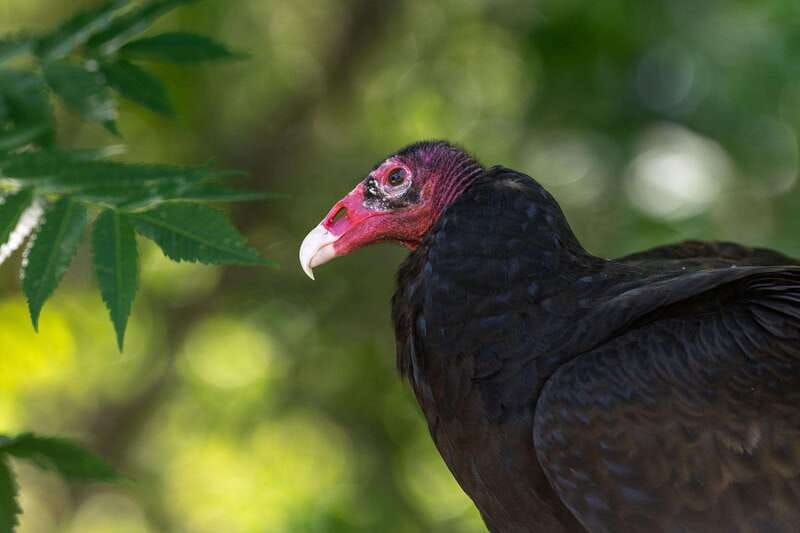
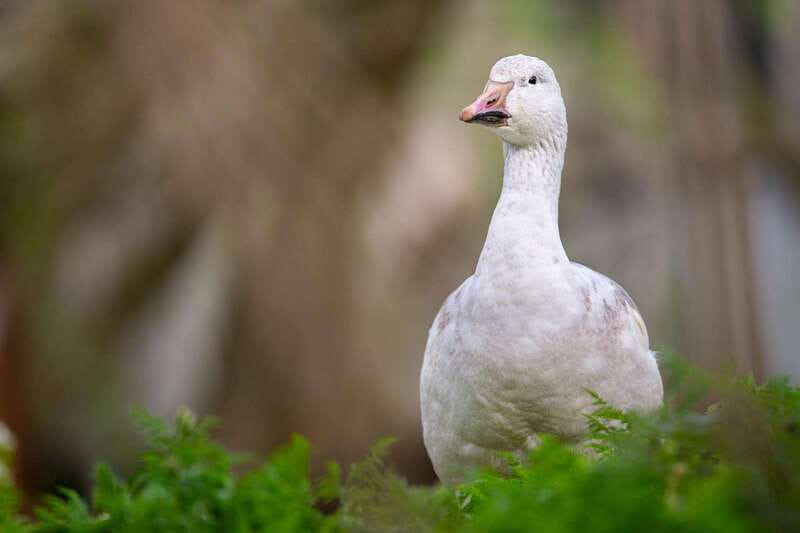
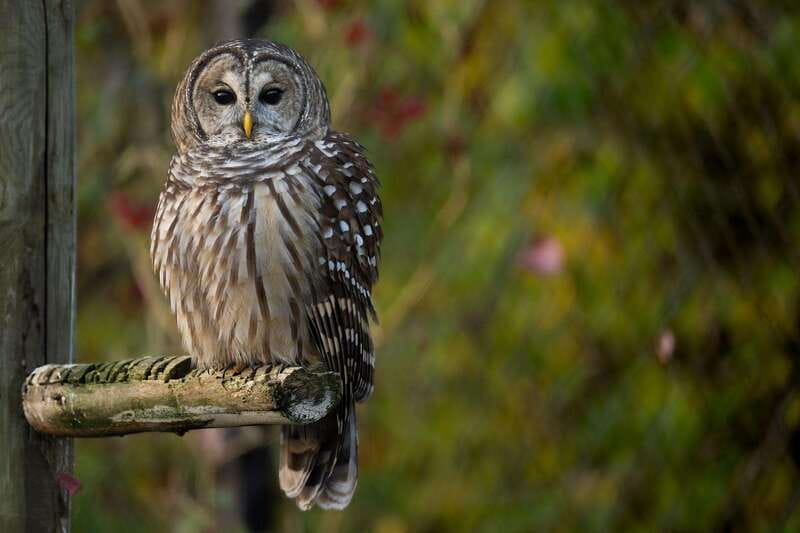
The black bears are likely to be one of the main draws, especially for families. Wolves and foxes offer a different kind of interest. They are familiar animals in Quebec, yet seeing them behave at close range can change how you think about them. Birds of prey, including eagles, add another layer to the visit, while reptiles, amphibians, and fish broaden the picture beyond large mammals.
The collection may feel quieter than a large city zoo. That can be a benefit if you prefer a visit built around watching rather than entertainment. It can also mean that certain areas feel empty at times. Several spaces may not have an animal visible when you pass, so keep your expectations realistic.
Why the animal stories matter
The Ecomuseum Zoo does not present every resident as if it simply arrived from the wild for display. The animals have individual histories. Some were orphaned. Some were rehabilitated. Others were born under professional human care.
That background helps explain why a zoo can be important even when it does not release every animal back into nature. An orphaned or human-raised animal may not be able to survive safely in the wild. A carefully managed enclosure can provide permanent care while also giving people a chance to learn about the species.
The organization’s work rests on three stated goals: environmental education, wildlife conservation, and animal well-being. Those goals are worth keeping in mind as you walk around. The visit is not only about getting close to an animal. It is also about understanding why human care is sometimes needed, and why local habitat protection matters.
The zoo is accredited by CAZA-AZAC, the Canadian association that checks standards for animal care, management, education, research, and conservation. Accreditation does not make every visitor agree with every enclosure design, but it does provide useful context about the institution’s operating standards.
What the 1.5-hour visit feels like
The stated average visit time is about 1.5 hours. That is enough to see all the animals and allow some time for observation, but your pace will depend on how long you stop at each viewing area.
I would plan the visit in three loose stages:
First, get oriented and identify the larger mammals you most want to see. Black bears, wolves, and foxes are natural priorities for many people. If you are visiting with children, this gives them an early sense of progress without forcing you to hurry.
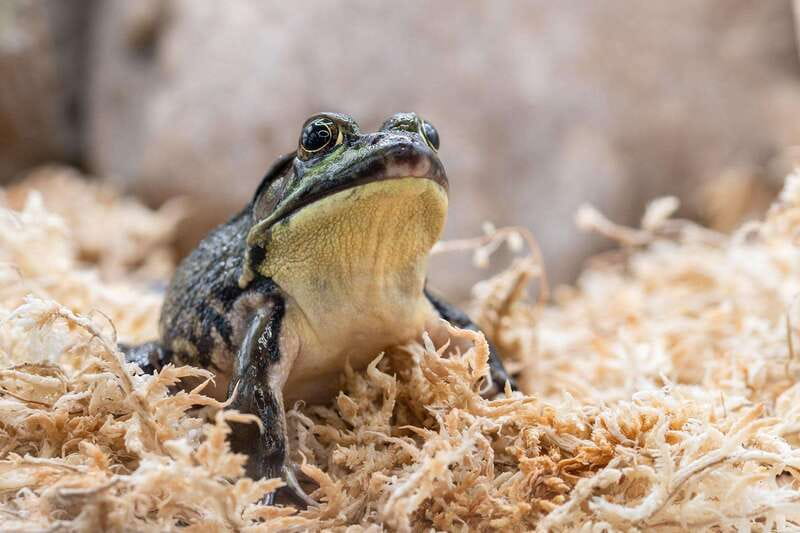
Next, slow down around the bird areas and smaller species. Eagles and other birds may reward careful watching, while reptiles, amphibians, and fish bring a different rhythm to the visit. These animals are easy to overlook if you focus only on the large enclosures.
Finally, return to any area where an animal was hidden or inactive. A quiet enclosure does not always mean there is nothing to see. The zoo encourages you to search for animals and observe their behavior, which is a better approach than expecting constant movement.
On some days, games and educational presentations are available. The information provided does not give a fixed schedule, so check what is offered on the day you visit. These activities may be particularly useful for families, since they add structure to an otherwise self-guided outing.
Same province, a completely different day out:
- Montreal: Guided Bus Tour
★ 4.4 · 3,064 reviews - Montreal: Hop-On Hop-Off Double-Decker Bus Tour
★ 4.1 · 2,760 reviews - From Montreal: Quebec City and Montmorency Falls Day Trip
★ 4.5 · 2,669 reviews - Montreal Mile End Authentic Food Tour with 7 Delicacies Tastings
★ 5.0 · 2,598 reviews
Animal space and the limits of a zoo visit

One of the strongest aspects of the experience is the attention given to the size and design of animal spaces. A positive impression comes from seeing animals with room suited to their needs, rather than cramped displays that feel designed only for quick viewing.
Still, you should look at the enclosures with a thoughtful eye. One visitor felt the bird spaces allowed room to fly but did not seem high enough. That is a fair concern, and it points to a larger truth: even a well-run zoo cannot reproduce the full freedom of the wild.
Some animals may also be alone or in pairs. That can feel sad, particularly when you are used to seeing wildlife in larger groups. The zoo’s animal histories help explain some individual situations, but the emotional reaction is still understandable. If you want a visit with no difficult questions, this may not be the right attraction.
For me, that is part of the value of the place. You can appreciate careful care and appropriate space while still thinking about the limits of captivity. The setting invites that honest response rather than pretending that a fence is the same as a forest.
Choosing the right season
Season can shape this outing more than many people expect. In warmer months, you may find more comfortable walking conditions and more animals visible outdoors. Fall can bring crisp air and pleasant conditions for a family outing, though activity levels will still vary by species.
Winter requires more planning. Ice has made the ground feel like a skating rink for some visitors, and that creates a real safety issue. Comfortable shoes are required in the basic packing advice, but in cold weather you should think in terms of sturdy, insulated footwear with good grip.
Winter also changes animal behavior. Several animals may be hibernating, resting, or staying out of sight. One January visit resulted in only a small number of visible animals, which made the $16 admission feel high for that person. If seeing a long list of active animals is your main goal, check the weather and season before booking.
The upside is that Quebec wildlife belongs in a Quebec climate. The zoo’s outdoor setting is not built around avoiding every seasonal change. That makes the visit more authentic, but it also means you should accept that nature does not follow a timetable.
Is $16 a fair price?
At $16 per person, the admission is modest compared with many major attractions, but value depends on your expectations. If you want a compact outing focused on local species, free parking and a 1.5-hour visit make the price reasonable. The short drive from downtown also keeps the time cost manageable.
The price feels stronger when you use the visit as part of a wider day. You could spend the morning or afternoon at the zoo, then return to Montreal for other plans. Since you can arrive at an available time and stay during the day, you are not locked into a long guided schedule.
The calculation changes in poor winter conditions. If paths are icy and several animals are inactive, you may see too little for the admission to feel worthwhile. The same concern applies if you expect a large collection with constant activity. This is a specialized local wildlife center, not a giant zoo with endless exhibits.
I would also factor in the free parking. For anyone driving, that removes an extra cost and simplifies the visit. If you are already planning to rent a car or travel outside the city, the zoo fits more naturally into your budget than it does as a single, expensive excursion.
A practical outing for families

Families get a lot of flexibility here. You can arrive at an available starting time, walk at your own speed, and leave after seeing the main animals without committing to a full day. The free parking helps if you have equipment, snacks, or tired children in the car.
The variety also works well for different ages. Younger children may focus on bears, wolves, foxes, and eagles. Older children can think about habitat, rehabilitation, and why some animals live under professional human care. The occasional games and educational presentations can add an extra learning element.
You should still prepare children for a slower kind of animal visit. Animals may be resting or hidden, and touching them is not allowed. Smoking, alcohol, drugs, pets, and explosive substances are also prohibited. These rules are basic, but they protect both visitors and animals.
Comfortable shoes matter for everyone. Even though the average visit is not long, you are walking outdoors and may stop often. In winter, add footwear with strong traction and allow extra time if conditions are slippery.
Accessibility and booking flexibility
The experience is wheelchair accessible, which makes the outdoor visit possible for a wider range of people. The information provided does not describe every path surface or slope, so anyone with specific mobility needs should confirm current conditions before arriving, particularly in icy weather.
The ticket is valid for one day, and you can check available starting times before booking. You do not need to treat the visit like a timed show. That is useful if your Montreal plans are weather-dependent or if you are traveling with children.
Free cancellation up to 24 hours before the visit and a reserve-now, pay-later option add practical flexibility. These details are useful when the forecast is uncertain, especially during winter. They do not remove the need to check conditions, but they make it easier to adjust plans.
Who will enjoy the Ecomuseum Zoo most?

I would recommend it most strongly to people who want a local wildlife experience rather than an international zoo. It suits families, visitors with a spare half-day, and anyone interested in Quebec’s native animals and conservation work.
It is also a good choice if you have a car and want a break from central Montreal. The drive is short, the parking is free, and the visit does not require a full-day commitment.
You may want to think twice if your only goal is to see many animals moving in warm weather. Visibility changes with season and animal behavior. You may also feel conflicted by individual enclosures or by birds that seem to have limited vertical space.
That mixed reaction does not automatically make the visit a poor choice. It means you should arrive ready to observe carefully and think about the purpose of the institution. The strongest part of the experience is not spectacle. It is the connection between Quebec wildlife, responsible care, and public education.
Should you book this Montreal wildlife visit?
Book the Ecomuseum Zoo if you want an affordable, manageable outing centered on animals from Quebec. The black bears, wolves, foxes, and eagles provide the headline appeal, while reptiles, amphibians, and fish give the visit more range. The nonprofit mission, animal stories, free parking, and flexible pacing add genuine value.
I would choose a milder day when possible, wear comfortable shoes, and allow at least 1.5 hours. If you are visiting in winter, check for ice and understand that hibernation or cold-weather behavior may limit what you see.
At $16, it is a sensible choice for families and nature-minded visitors who value local conservation over a huge collection. It is less suitable if you need guaranteed animal activity or expect every enclosure to be full. Make that distinction before booking, and you will have a much clearer idea of what this short trip outside Montreal can offer.
FAQ
How long does a visit to the Ecomuseum Zoo usually take?
The average visit takes approximately 1.5 hours, including time to see the animals and observe their behavior.
What animals can I see at the Ecomuseum Zoo?
The zoo features wildlife from Quebec, including black bears, wolves, foxes, eagles, reptiles, amphibians, and fish.
Is the Ecomuseum Zoo suitable for families?
Yes. The zoo is described as suitable for the whole family, and some days include games and educational presentations.
Is parking available?
Free parking is available for all visitors.
Is the Ecomuseum Zoo wheelchair accessible?
Yes, the experience is wheelchair accessible.
What should I bring, and what is not allowed?
Bring comfortable shoes. Pets, smoking, alcohol, drugs, explosive substances, and touching the animals are not allowed.
Just added around Montreal
- Montreal: 3-Day Toronto, Niagara Falls, Thousand Islands★ 4.7 · 5 reviews
- Old Montréal Small-Group Christmas Tour★ 4.4 · 39 reviews
- Secret Food Tours: Montreal – Jean-Talon & Little Italy★ 4.0 · 4 reviews
- Montreal: Maple Syrup Tour with Sugar Shack & Local Cuisine★ 4.1 · 25 reviews
- Port of Montreal Glass Tower Entry★ 4.4 · 129 reviews
- Outdoor mini golf in Montreal★ 4.9 · 13 reviews
- Montreal: An unforgettable guided tour in a vintage 1930s convertible car★ 5.0 · 9 reviews
- Montreal: Private 2h Walking Tour RESO and Old Montreal★ 5.0 · 20 reviews
Tickets, compared.


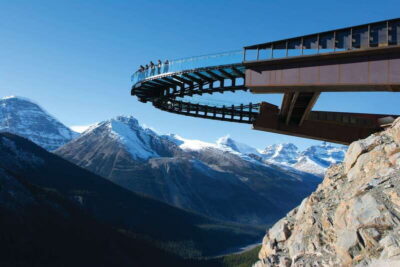
Columbia Icefield Skywalk and Ice Explorer Ticket
Read our review →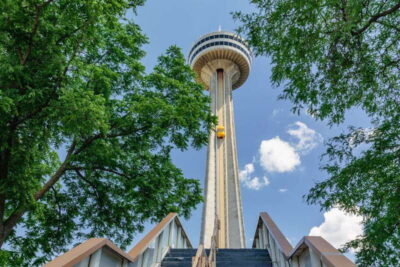
Niagara Falls, Canada: Skylon Tower Observation Deck Ticket
Read our review →


Browse the lists this tour appears in