
Reviewed · CANADA
Saint Felicien: Admission to Zoo Sauvage
The unusual heart of Saint-Félicien Zoo Sauvage is simple: the animals get the open spaces, while you ride inside a mesh-sided train. The Boreal Train carries you through the Nature Trails Park, where animals may feed, hide, move between species, and carry on with their daily routines across broad natural settings.
I like the combination of a train ride and a walking zoo, and I like that winter is part of the experience rather than a reason to close up. The main drawback is value: at $46 per person, the day can feel expensive if animals stay hidden or you see only a small selection.
In This Review
- Key points to know
- Why the Boreal Train is the main event
- What you see in the Nature Trails Park
- Six walking sectors to explore on foot
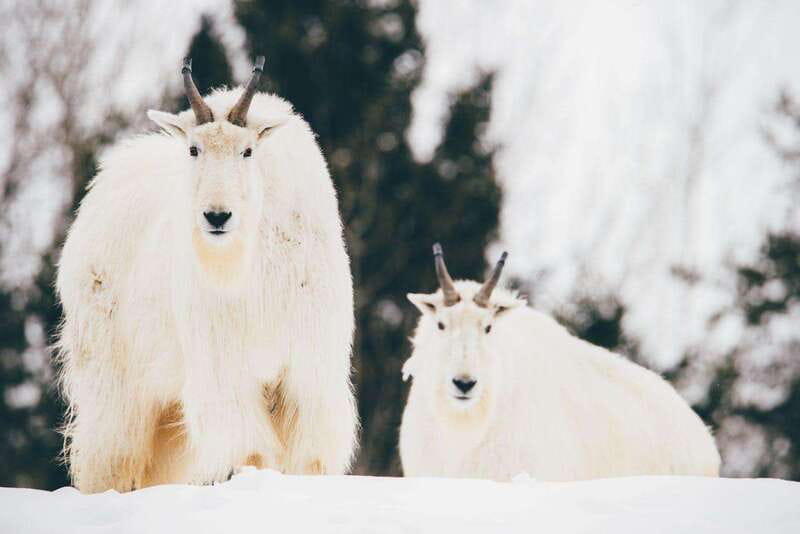
- Arctic Tundra
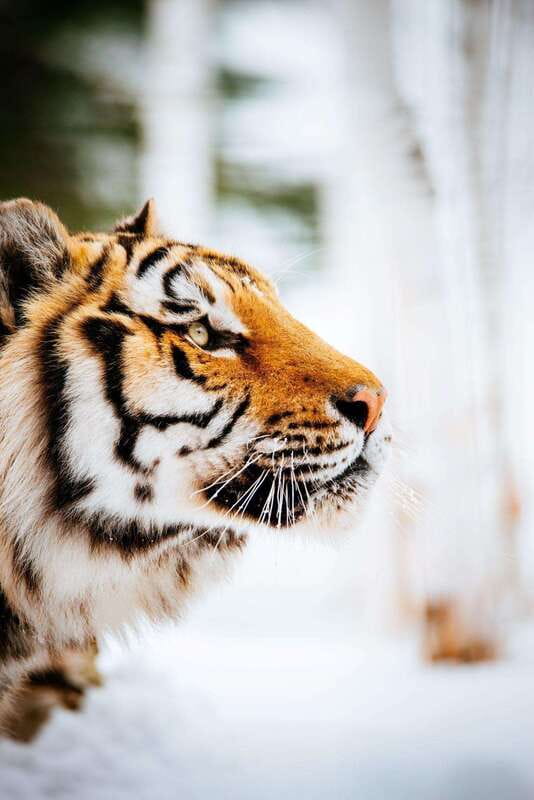
- Eastern Asia
- Laurentian Forest
- Mongolia
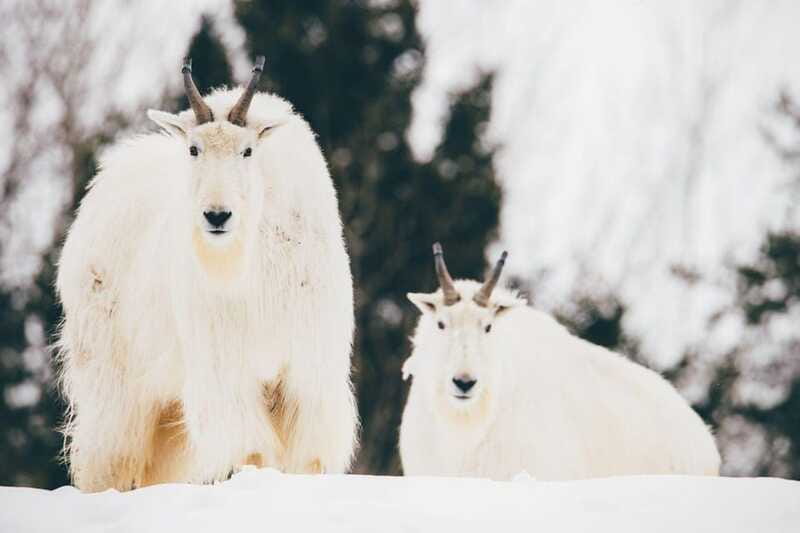
- Rocky Mountains
- Ethiopian Plateaus
- Why the animal habitats feel different
- Winter at Saint-Félicien Zoo Sauvage
- The historical displays along the route
- What your $46 admission includes
- Who will enjoy this zoo most
- Practical plan for your visit
- Should you book Saint-Félicien Zoo Sauvage?
- FAQ
- Where is Zoo Sauvage de Saint-Félicien located?
- How much does admission cost?
- How long is the ticket valid?
- Is the Boreal Train included?
- What else is included with the ticket?
- Can I visit in winter?
- How many walking sections are there?
- Is the zoo wheelchair accessible?
- Are pets allowed?
Key points to know
- The Boreal Train is the signature attraction: Ride through the Nature Trails Park with animals moving through open habitats around the train.
- Six walking sectors offer variety: Visit the Arctic Tundra, Eastern Asia, Laurentian Forest, Mongolia, Rocky Mountains, and Ethiopian Plateaus.
- Winter visits are part of the plan: The pedestrian section remains open in winter, with cold-weather animals suited to Quebec conditions.
- Animal space comes first: Habitats are designed to resemble natural settings, and some species share large areas.
- History adds context: The train route includes recreated settings and sites connected with early settlers and different periods of local history.
- Your ticket includes several extras: Admission covers hiking trails, animal snacks, the train ride, and a multisensory film.
Why the Boreal Train is the main event
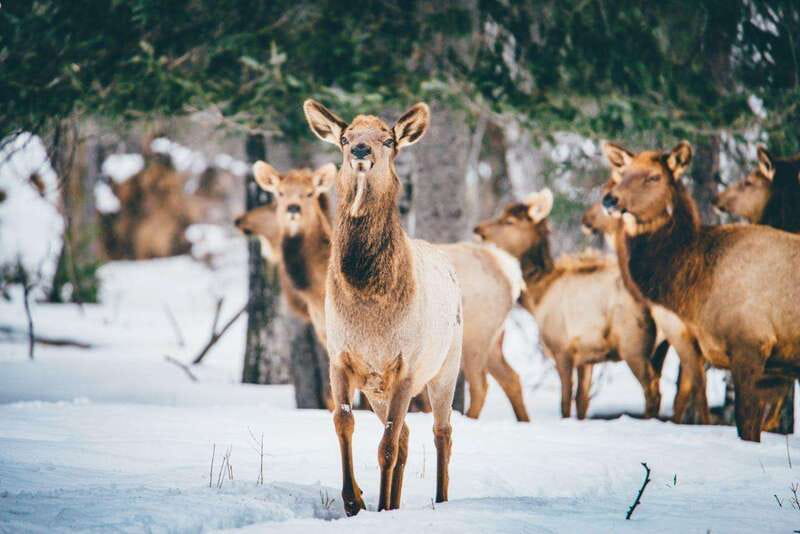
Start with the Nature Trails Park and its Boreal Train ride. This is not a short shuttle between zoo buildings. The train takes you through a large outdoor setting designed around the North American boreal ecosystem, with the train acting as your protected viewing area.
The mesh sides are the key detail. You are enclosed, but you are not sealed behind thick glass. That gives you a clearer sense of the weather, the trees, and the space around the animals. The concept reverses the usual zoo arrangement: the animals move through large areas, and people remain in the cage.
The setting is partly reconstructed and partly natural. That distinction matters. You will see areas shaped to represent the great outdoors, along with places that recall the region’s human past. The route includes historical sites and recreated villages connected with the first settlers, giving the ride more to look at than animals alone.
The train ride is also the most weather-friendly part of the visit. One visitor specifically found it useful in the rain, and the covered, mesh-sided design makes it easier to keep going when conditions turn wet. You should still dress for the season, since this is an outdoor activity rather than an indoor ride.
A few more Canada trips to weigh up
- Montreal: Ecomuseum Zoo Entry Ticket
★ 4.1 · 76 reviews - Toronto: Toronto Zoo Entry Ticket
★ 4.1 · 68 reviews
What you see in the Nature Trails Park
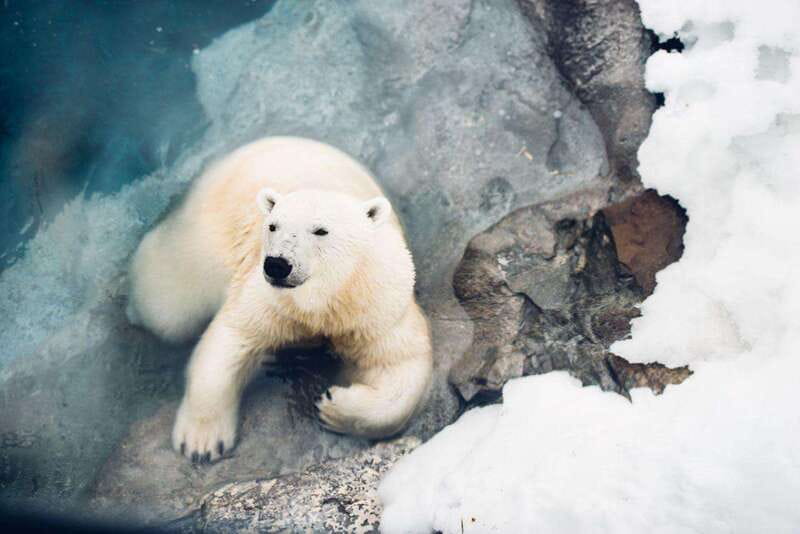
The exact animal sightings can vary. That is part of the appeal and part of the risk. Animals are not arranged in small display pens on a fixed schedule, so you may see them moving across the area, resting, feeding, or keeping out of sight.
That open setting gives the ride a more natural rhythm. You may spend part of the route watching an animal closely, then pass through a quieter stretch where the scenery and old settlement displays carry the visit. I would treat the train ride as a broad wildlife outing, not as a guarantee of a particular animal at a particular moment.
The views are a major part of the attraction. The wide spaces let you understand the scale of the animal habitats, something that is difficult to appreciate from a standard enclosure. The train also gives you a practical way to cover more ground without turning the whole day into a long hike.
The ride includes a guide, and one recent visit described the guide as friendly. Specific guide names and fixed narration are not provided, so you should expect commentary without planning around a named host. Explanations help connect the animals, the boreal setting, and the historical displays along the route.
Six walking sectors to explore on foot
The pedestrian part of the zoo is divided into six regions. Each one gives you a different setting and animal focus, and walking lets you pause longer than you can from the train.
Arctic Tundra
The Arctic Tundra section is built around northern conditions. It is a fitting place to begin if you are visiting in winter, since the zoo focuses on animals that can adapt to the low temperatures common in Quebec.
Do not expect every animal to be active simply because the weather is cold. Winter wildlife still rests and hides. The value here is seeing how the zoo presents animals in surroundings suited to their natural needs, rather than forcing every species into a warm indoor display.
Same province, a completely different day out:
- Vancouver Half-Day Whale Watching Adventure with Free Photos
★ 5.0 · 5,000 reviews - Quebec City Walking Tour
★ 5.0 · 4,716 reviews - Niagara Falls: Premium Tour, Boat & Journey Behind the Falls
★ 4.8 · 4,207 reviews - Banff: Banff Gondola Admission Ticket
★ 4.7 · 3,698 reviews
Eastern Asia
Eastern Asia provides a change from the North American sections. The variety helps keep the walking route from feeling repetitive, especially after the broad spaces of the train park.
One useful detail from the visit notes is that red pandas may sleep only a few metres from the public viewing area. That can create an excellent close look, but it also shows why patience matters. A nearby animal may be resting rather than performing for the crowd.
Laurentian Forest
The Laurentian Forest section connects the zoo to Quebec’s own woodland environment. This is one of the more relevant areas for understanding the region’s wildlife, since it brings the experience back to the forests around Saint-Félicien.
The setting also reinforces the zoo’s main idea: animals are presented in places that resemble their normal surroundings as closely as possible. The result may feel less tidy than a traditional zoo, but that is a fair trade for more believable habitats.
Mongolia
Mongolia adds open-country scenery and another regional change to the route. It helps show the range of environments represented at the zoo, from northern forest to broad grassland settings.
As with the other sections, your experience depends on animal movement and weather. You might see activity in the open or find that some animals are resting away from the main path.
Rocky Mountains
The Rocky Mountains area continues the North American theme while giving you another distinct setting to walk through. It works well as part of a full circuit, since you are not simply repeating the same type of enclosure.
Allow time to stop and look. The walking section is best enjoyed at a slower pace, especially if you want to notice how species share or use the available space.
Ethiopian Plateaus
The Ethiopian Plateaus section provides the strongest contrast with the northern regions. It rounds out the six-part walking route with a setting from a very different climate zone.
The mix of regions is useful for families and mixed-age groups. Someone interested in Quebec wildlife can focus on the Laurentian Forest, while another person can spend more time with the African or Asian sections.
Why the animal habitats feel different

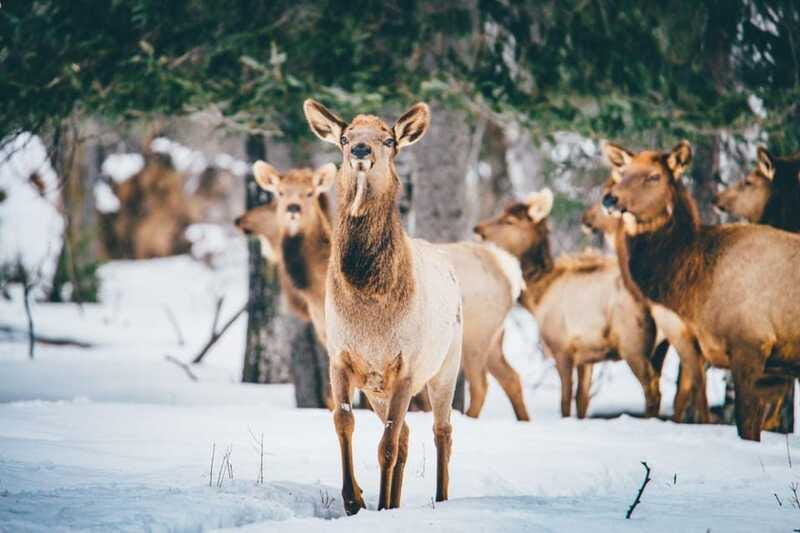
The zoo’s approach is based on open environments, broad areas, and habitats that resemble natural conditions. Animals may live alongside other species, and they are allowed to go about ordinary behavior rather than being placed in tiny viewing spaces.
That does not mean every animal is completely free. The supplied description calls the animals near freedom and describes the visitor as being in a cage on the train. I would understand the phrase as a description of spacious, natural-style habitats, not as a promise that animals can leave the zoo grounds.
This approach has a clear benefit: when you see an animal, the sighting can feel less staged. You might watch it move through a shared setting or rest several metres from the path. The tradeoff is equally clear. You can miss animals, see them at a distance, or spend more time walking than watching.
One Canadian visitor found the $46 price high for seeing relatively few animals. That is the most important value warning. If your priority is a guaranteed checklist of species, a conventional zoo may suit you better. If you care about space, setting, and animal behavior, Saint-Félicien makes a stronger case.
Winter at Saint-Félicien Zoo Sauvage
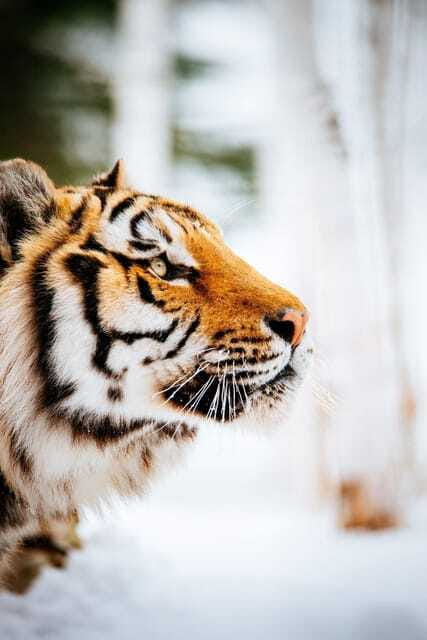
Winter is not an afterthought here. The walking section remains accessible, and the zoo highlights animals that can handle the low temperatures of Quebec. Snow and cold can make the boreal setting feel especially convincing.
You should come prepared for an outdoor day. The information does not specify a required clothing list or indoor warm-up schedule, so plan around changing conditions rather than assuming the whole visit will be heated. Warm layers and practical footwear are sensible choices, especially if you intend to use the hiking trails as well as the train.
Winter also changes animal behavior. Some species may be active in the cold, while others may sleep or stay out of sight. That unpredictability is worth accepting before you pay the admission price.
Rain does not automatically ruin the visit. The train is particularly helpful in wet weather, and the ride can remain enjoyable when walking becomes less comfortable. Still, rain may reduce visibility and make the pedestrian sections slower.
The historical displays along the route

The Nature Trails Park is not only about wildlife. Along the train route, you can see historical sites that recall the origins of local culture and different periods of regional history.
The recreated early-settler villages are especially useful. They give children and adults a visual break from animal viewing, while showing how people lived in the area during earlier periods. These displays also help explain the connection between the boreal environment and human settlement.
I would not book this solely as a history attraction. The historical material supports the wildlife experience rather than replacing it. But it adds enough variety to make the train ride feel like a full regional outing instead of a simple animal circuit.
What your $46 admission includes
The $46 price includes:
- Access to the walking trails
- Animal snacks
- The Boreal Train ride in the Nature Trails Park
- A multisensory film
The train is the biggest part of the value calculation. If you use both the train and the walking sections, then the ticket covers several different ways to experience the zoo. The film and historical displays add indoor and cultural elements to a day that is otherwise mainly outdoors.
The animal snacks are included, though the available details do not explain how they are used or which animals receive them. Treat this as an included extra, not the central reason to buy the ticket.
The admission is valid for 365 days, subject to availability and starting times. That is unusually flexible for a single admission. If your plans change, the booking can be cancelled up to 24 hours ahead for a full refund, and you can reserve now while paying later. These terms make the price easier to manage, especially when weather may affect your plans.
The ticket is wheelchair accessible. Pets are not allowed, although assistance dogs are permitted. Specific information about every trail surface, train boarding detail, and accessible route is not provided, so you should confirm those points directly if they matter to your visit.
Who will enjoy this zoo most
I would recommend Saint-Félicien Zoo Sauvage to you if you want an outdoor activity with more room, more scenery, and less of the standard zoo feel. Families can spread the day across the train, walking sectors, historical displays, and film.
It also suits anyone interested in northern wildlife and winter travel. The Arctic Tundra, Laurentian Forest, and boreal train route give the visit a clear Quebec identity, while the other regions broaden the animal collection.
You should think twice if you have limited time or need guaranteed sightings. The grounds are designed around open habitats, and one recent visit found the admission costly for the number of animals seen. The experience rewards patience, so it is not ideal for someone who wants a fast indoor attraction.
Practical plan for your visit
Go first to the Nature Trails Park if the Boreal Train is your top priority. The activity has starting times tied to availability, so check the schedule before you arrive and build the walking sections around it.
After the train, use the pedestrian area to revisit the regions that interest you most. A second look on foot can offer a closer view than the train, particularly in the Eastern Asia section, where red pandas may be resting near the public path.
Allow enough time for pauses. The zoo is not designed as a quick photo stop, and the animals may not appear on cue. Give yourself room for the historical sites, the film, the trails, and a weather delay.
The meeting point is Zoo sauvage de Saint-Félicien in Quebec. Pets are not permitted except for assistance dogs, and the attraction is wheelchair accessible.
Should you book Saint-Félicien Zoo Sauvage?
Book it if you value large animal spaces, boreal scenery, and a memorable train ride more than a guaranteed number of sightings. The Boreal Train is the signature feature, and the six walking sectors give you enough variety to fill a full day.
Skip it if $46 feels too high for an open-ended wildlife outing or if you need animals close at hand every minute. The best reason to go is the unusual setting: you are enclosed while the animals move through broad spaces around you. That idea, plus winter access and the historical displays, makes this one of Quebec’s more distinctive family activities.
FAQ
Where is Zoo Sauvage de Saint-Félicien located?
It is located in Saint-Félicien, Quebec, Canada. The meeting point is Zoo sauvage de Saint-Félicien.
How much does admission cost?
Admission costs $46 per person.
How long is the ticket valid?
The admission is valid for 365 days. You should check availability for starting times.
Is the Boreal Train included?
Yes. The train ride in the Sentiers de la Nature Park is included with admission.
What else is included with the ticket?
The ticket includes access to hiking trails, animal snacks, the train ride, and a multisensory film.
Can I visit in winter?
Yes. The pedestrian section of the zoo is accessible in winter, and the zoo presents animals suited to Quebec’s cold temperatures.
How many walking sections are there?
The walking area is divided into six sectors: the Arctic Tundra, Eastern Asia, the Laurentian Forest, Mongolia, the Rocky Mountains, and the Ethiopian Plateaus.
Is the zoo wheelchair accessible?
Yes, the activity is wheelchair accessible.
Are pets allowed?
Pets are not allowed. Assistance dogs are permitted.
Just added around Canada
- 2 Hour Banff Horseback Riding Adventure★ 4.0 · 145 reviews
- 1 Hour Spray River Ride★ 4.5 · 204 reviews
- Lake Minnewanka, Peyto Lake, Bow Lake , Icefields★ 4.5 · 63 reviews
- Along Icefields Parkway: Peyto Lake, Bow Lake & Columbia Icefield★ 4.0 · 19 reviews
- Moraine Lake Lake Louise Johnston Canyon Emerald Lake Day tour★ 5.0 · 4 reviews
- 3 Day Algonquin Park Canoe Trip – Moose & Beaver Safari★ 5.0 · 27 reviews
- 3 Hour Algonquin Park Bass & Trout Fishing (private- price is for 1 or 2 people)★ 5.0 · 5 reviews
- Discover the Lake Agnes Tea House Trail with an Audio Nature Tour★ 4.0 · 7 reviews