
Reviewed · WHALE WATCHING CRUISES
Port Hardy: Sea Otter and Whale Watching
Northern Vancouver Island puts you close to wild water, and this five-and-a-half-hour wildlife trip makes good use of it. The fast RHIB can cover a wide area, so you have a better chance of finding whales, sea otters, and other marine life rather than waiting in one spot. I especially like the individual suspension seats and the chance to hear whales through an onboard hydrophone. The other big plus is the local Indigenous guiding, which connects the outing to Kwakwakaʼwakw traditional lands and waters.
The main drawback is the sea itself. You are riding in an open, high-speed boat, and rough water may be uncomfortable if you have back problems or get seasick. Weather can also change the mood of the day. August fog is common enough to have earned the local nickname Fogust, though poor visibility does not always mean poor wildlife viewing.
In This Review
- Key points
- Leaving Port Hardy in a purpose-built boat
- Crossing Kwakwakaʼwakw traditional waters
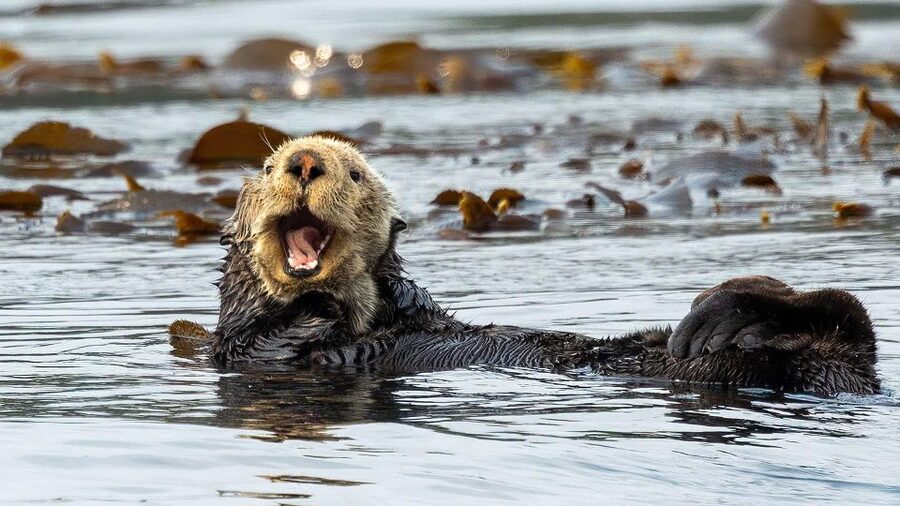
- Searching for whales, orcas, and sea otters
- Hearing whales through the hydrophone
- Why the suspension seats matter
- Lunch, hot drinks, and the weather question
- What the $276 price really covers
- Who will get the most from this outing
- Should you book the Port Hardy sea otter and whale trip?
- FAQ
- Where does the tour meet?
- How early should I arrive?
- How long is the tour?
- How many people fit on the boat?
- Are flotation suits and binoculars included?
- Is food included?
- Can I cancel for a full refund?
Key points
- A 12-passenger RHIB with suspension seats: You sit in individual shock-mitigating seats instead of on a hard bench, a major comfort gain on a fast boat.
- A working hydrophone onboard: You may not only see whales, but also listen for their calls beneath the surface.
- Local Indigenous guides and staff: The trip takes place in Kwakwakaʼwakw traditional waters, with guides who know the area and treat wildlife with care.
- Warm gear is supplied: Two-piece flotation suits, warm hats, and binoculars are included, so you do not need to pack specialist equipment.
- Lunch and hot drinks at sea: A useful touch on a long outing, especially when the wind or fog rolls in.
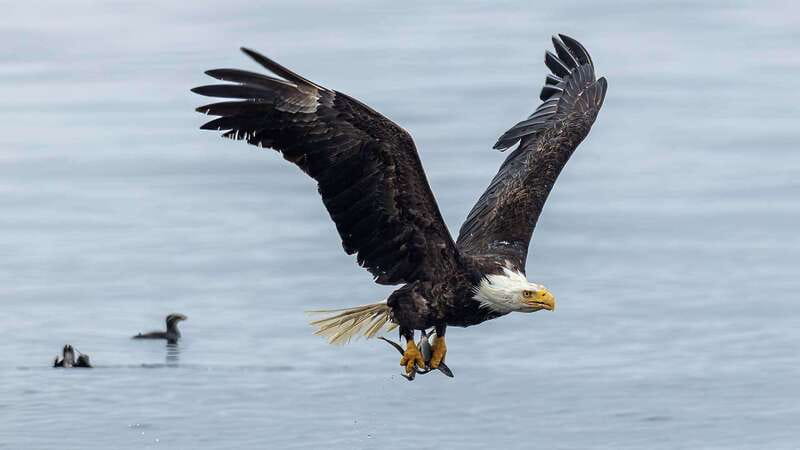
- Wildlife is never guaranteed: You may see orcas, other whales, sea otters, and seabirds, but nature decides the schedule.
Leaving Port Hardy in a purpose-built boat
You begin at the Coastal Rainforest Safaris office at 7185 Market Street in Port Hardy. Arrive 30 minutes before departure. That extra time is used for fitting your flotation suit and signing the waiver, so arriving late is a poor way to start a boat trip.
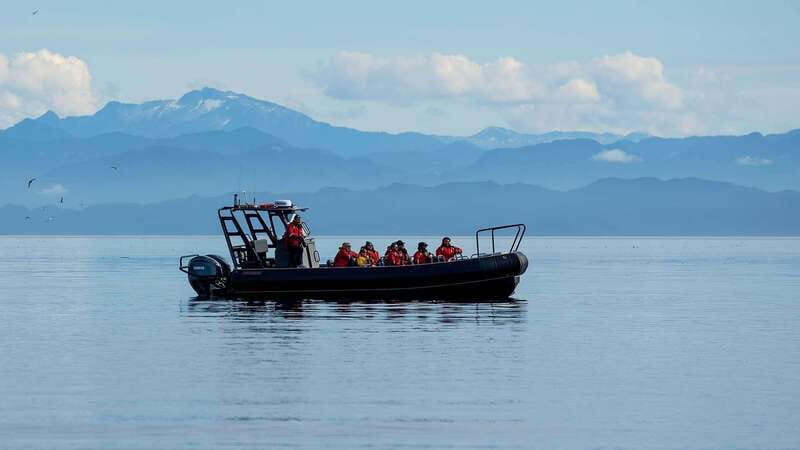
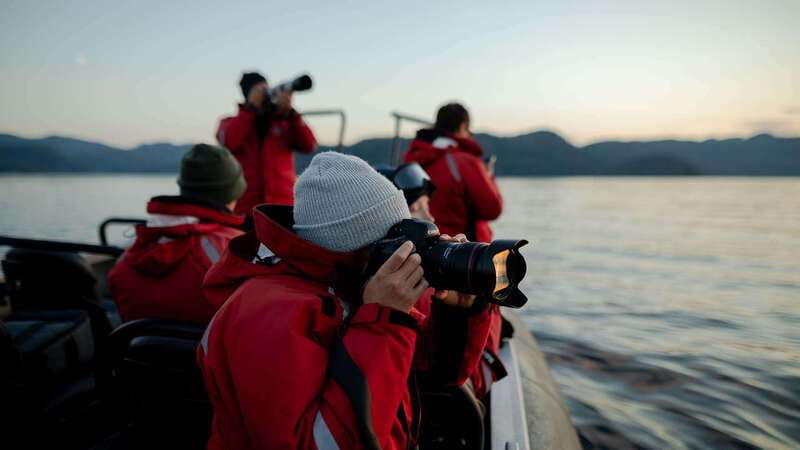
The vessel is a custom-made RHIB for 12 passengers. RHIB means rigid-hull inflatable boat, but this is not the simple rubber-tube craft many people picture when they hear zodiac. The key difference is the seating. Each person gets an individual seat mounted on a suspension platform designed to soften the jolts.
That matters more than it may sound. A high-speed boat can cover much more water than a slower craft, but speed usually brings bumps. The suspension seats help make the ride easier on your body, especially during longer stretches between sightings. They do not turn the ocean into a calm lake, though. If you have a back condition or are prone to seasickness, this is not the right style of outing for you.
The flotation suits add warmth and safety. You still need to wear warm clothing underneath, since northern coastal weather can feel cold even in summer. The supplied hats and binoculars save space in your luggage and mean you can focus on the water instead of managing your own gear.
More whale watching cruises in Canada:
- Vancouver Half-Day Whale Watching Adventure with Free Photos
★ 5.0 · 5,000 reviews - Tadoussac/Charlevoix: Whale Watching Zodiac Tour
★ 4.3 · 2,716 reviews - Vancouver: Covered Whale Watching Adventure with Free Photos
★ 4.8 · 2,260 reviews
Crossing Kwakwakaʼwakw traditional waters
Once underway, the point of the fast boat becomes clear. The crew can search across a broad section of northern Vancouver Island waters, improving the odds of finding active wildlife. You are not promised a fixed list of species or a guaranteed whale encounter. That is an important distinction when you are paying for a wildlife trip.
The setting carries cultural weight as well as natural beauty. This is Kwakwakaʼwakw traditional territory, and the local Indigenous staff and guides bring a connection to these waters that a generic sightseeing operation cannot easily copy. Your driver or naturalist explains what you are seeing, points out wildlife, and helps you understand how to approach animals without disturbing them.
The guiding style is one of the strongest parts of the experience. AJ is named as one of the guides associated with the trip, and the guiding team is described as friendly, attentive, and generous with explanations and local stories. You can expect the crew to watch the water closely, respond to sightings, and keep the group informed rather than simply driving from point to point.
Do not expect a scripted parade of animals. Wildlife viewing involves quiet stretches, scanning, repositioning, and waiting for the next sign of movement. The reward is that the sightings feel less manufactured. When a whale or pod appears, it is responding to its own world, not to a show timetable.
Searching for whales, orcas, and sea otters
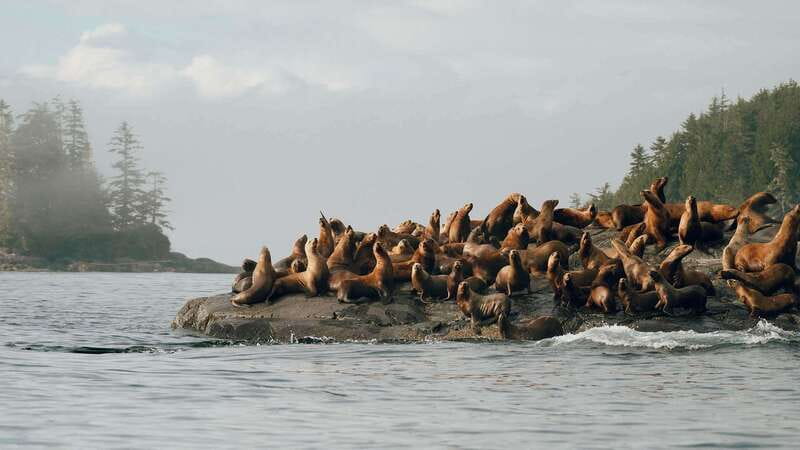
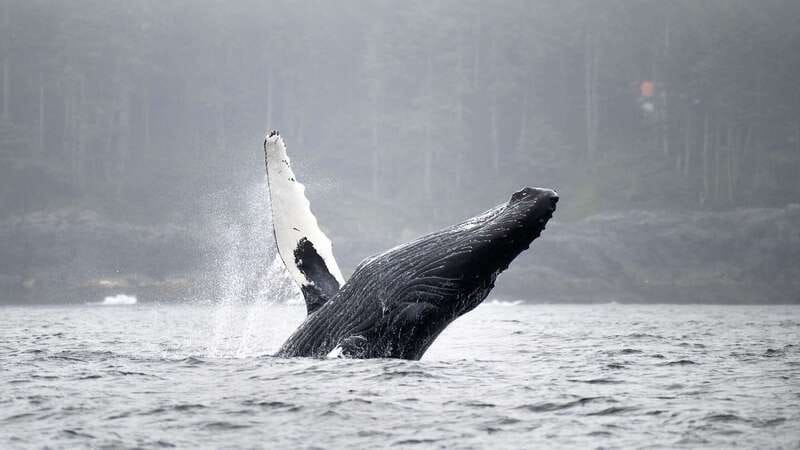
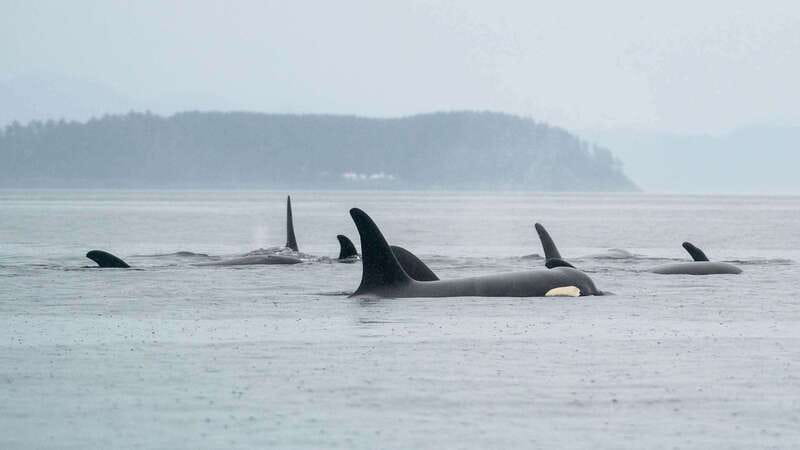
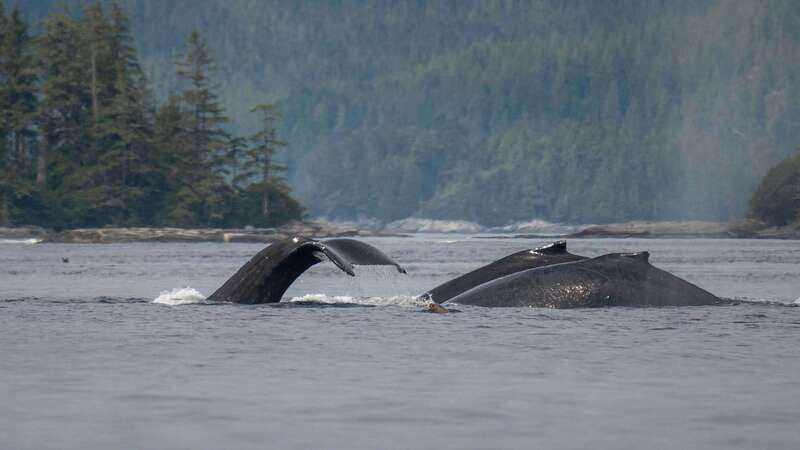
The main targets are whales and sea otters, with other marine wildlife adding variety. Orcas have been seen in large numbers on some outings, even in poor weather. That does not mean you should book expecting a guaranteed orca encounter. It means the area can produce spectacular sightings when conditions and animal movements line up.
A fast boat helps in two ways. First, it can reach more possible viewing areas during the 330-minute trip. Second, it can move the group toward signs of activity when the crew spots something promising. More distance covered does not guarantee more animals, but it gives the guide more options.
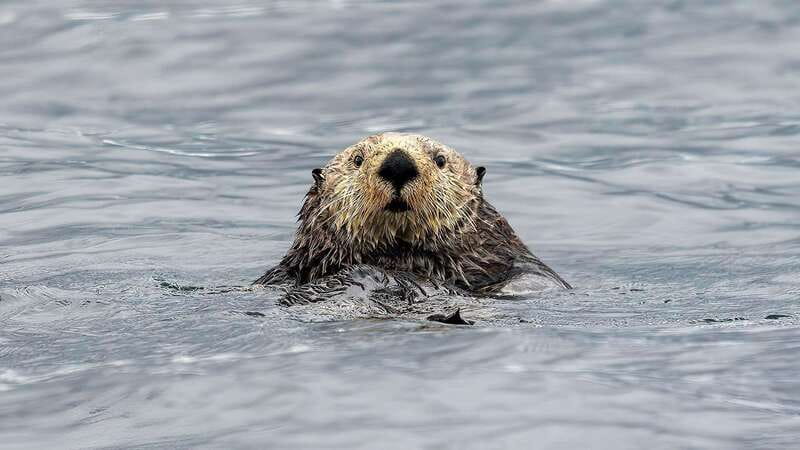
Sea otters can be especially rewarding because they are easy to miss. You might find yourself scanning a broad stretch of water for a small head, a floating body, or a patch of movement. Binoculars are included for exactly this kind of work. Keep them ready, but also look with your own eyes, since a sudden whale blow or larger animal may appear outside your field of view.
The guides also help put the sightings into context. A whale is not just a shape breaking the surface. The timing of a blow, the direction of travel, and the way an animal behaves all make the encounter more meaningful. You will get more from the trip if you listen to the explanations and keep watching after the first sighting passes.
Hearing whales through the hydrophone
The hydrophone is one of the features that makes this outing more than a simple boat ride. It allows you to listen to underwater whale sounds from onboard. Seeing a whale is visual and dramatic. Hearing one beneath the boat gives you a different sense of the world around you.
The sound experience depends on the animals and conditions, so it is not a constant soundtrack. Still, it gives the crew another way to share what is happening below the surface. If a whale is nearby, the hydrophone can turn a quiet pause into an informative part of the trip.
I would treat it as a valuable extra, not the sole reason to book. The best day combines several elements: wildlife in view, a guide explaining animal behavior, and the chance to hear what is happening underwater. Even during a slower stretch, the hydrophone keeps you engaged with the sea.
A few more Canada trips to weigh up
- Victoria Half-Day Whale Watching Adventure with Free Photos
★ 5.0 · 2,259 reviews - Tadoussac/Charlevoix: 3-Hour Whale Watching Boat Tour
★ 4.2 · 2,179 reviews - Victoria Whale and Wildlife Cruise
★ 5.0 · 1,729 reviews - Whale-Watching Tour from Vancouver
★ 4.5 · 1,572 reviews
Why the suspension seats matter
Many boat trips sound exciting in the brochure and become tiring after a few hours. Here, the seating is a real practical advantage. Instead of squeezing onto a long bench, you have your own position and a seat designed to reduce the impact of waves.
The difference is most useful during high-speed travel and choppier water. You are still exposed to wind, spray, and motion, but your body takes less of the force. This is one reason the vessel suits people who want serious wildlife coverage without giving up all comfort.
There are limits. The tour is not suitable for people with back problems, and anyone prone to seasickness should think carefully before booking. Warm clothing will help, but it will not solve motion sickness. If the sea is rough, the suspension system can soften the ride without removing the movement.
The onboard toilet is another small but important detail. Five and a half hours is a long time to be away from shore, and having a toilet on the boat makes the day easier. You do not need to plan the trip around finding a shoreline stop.
Lunch, hot drinks, and the weather question
Lunch and hot drinks are included. That is more than a minor convenience on northern coastal water. Wind can make you cold even when the calendar says summer, and a warm drink gives you a chance to reset between wildlife searches.
You should still eat something before departure and dress in layers. The provided flotation suit is part of your outer protection, not a replacement for warm clothing underneath. Bring practical clothing rather than relying on the idea that a sunny Port Hardy morning will last all day.
Weather is part of the experience and part of the risk. Fog may reduce visibility and make photography harder. On the other hand, mist can give the coast a quiet, remote character, and poor weather does not rule out wildlife. One outing in difficult conditions still produced many orcas, showing why it is worth staying alert rather than assuming a gray day is a lost day.
The photography potential is excellent, but conditions will test you. A fast-moving boat, spray, fog, and unpredictable animals make sharp images difficult. Bring your camera if photography matters to you, but do not let the camera keep you from watching. The best moment may last only a few seconds, and a whale is more impressive in real time than on a blurry screen.
What the $276 price really covers
At $276 per person, this is not a casual harbor cruise. You are paying for a 330-minute outing, a small group of no more than 12 passengers, a purpose-built boat, a driver or naturalist, protective clothing, binoculars, lunch, hot drinks, a hydrophone, and an onboard toilet.
The value rests in the time and equipment. A smaller boat gives you more personal space and makes it easier to hear the guide. The suspension seats address a common weakness of fast wildlife boats. The supplied flotation suit and binoculars also mean fewer extra costs and less packing.
The price is harder to justify if you want only a short scenic ride or if you need guaranteed animal sightings. No responsible wildlife operator can promise that every species will appear. You are buying access to a strong viewing area and a serious search effort, not a staged performance.
For someone who has come to Port Hardy specifically for northern marine wildlife, I think the price is reasonable. The long duration, small group, local guiding, and comfort features make it more substantial than a basic sightseeing ticket. The value drops if you dislike open water, cannot tolerate cold, or would be disappointed by a day with limited sightings.
Flexible booking also helps. You can reserve now and pay later, and cancellation is free up to 24 hours before departure for a full refund. That is useful when you are organizing a trip around weather and changing plans.
Who will get the most from this outing
I would recommend this trip to wildlife fans, photographers, couples, and families with older children who can handle a long boat ride. It also suits anyone who wants a small-group experience rather than a large vessel with many passengers between them and the guide.
You will get the most from it if you enjoy the search as much as the sighting. Bring patience, listen carefully, and keep scanning after the boat slows down. The guide can improve your understanding, but no guide can order an orca to appear on schedule.
This is less suitable for anyone with back problems or a strong tendency toward seasickness. It is also a poor match if you need guaranteed sunshine or a fixed set of stops. The route changes according to wildlife and sea conditions, so the day is built around possibilities rather than a checklist.
Pets, smoking, drones, tripods, strong fragrances, and bare feet are not allowed. Those rules protect comfort, safety, and wildlife viewing. A tripod is also impractical on a moving RHIB, while strong scents can bother people in a compact boat.
Should you book the Port Hardy sea otter and whale trip?
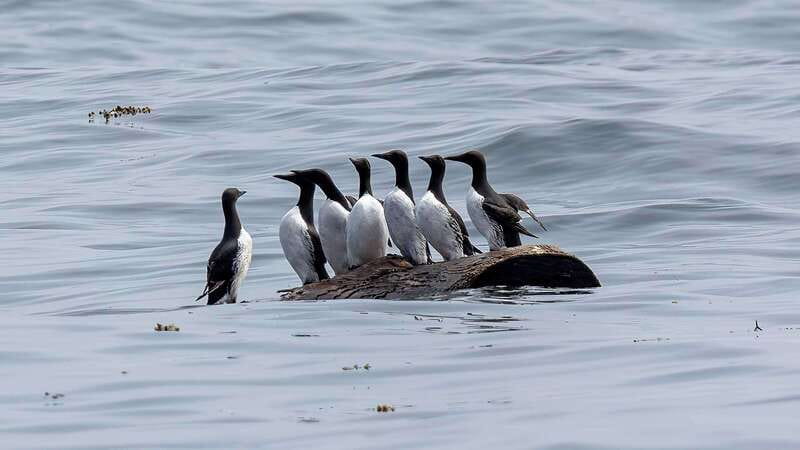
I would book it if you want an active, small-group search for marine wildlife and appreciate good equipment. The suspension seats, hydrophone, warm gear, and lunch solve many of the practical problems that can make a long boat trip tiring.
Book with realistic expectations. You may see sea otters, whales, orcas, and other wildlife, but no species is guaranteed. Fog and rough water are possible, and the outing may involve long periods of watching and waiting.
If that sounds like part of the fun, this is one of the strongest ways to experience Port Hardy’s coastal waters. If you need calm water, guaranteed sightings, or a short and gentle cruise, choose a different activity.
FAQ
Where does the tour meet?
Meet at the Coastal Rainforest Safaris office at 7185 Market Street in Port Hardy.
How early should I arrive?
Arrive 30 minutes before departure so you can be fitted with a flotation suit and sign the waiver.
How long is the tour?
The activity lasts 330 minutes, or five and a half hours.
How many people fit on the boat?
The custom RHIB carries 12 passengers.
Are flotation suits and binoculars included?
Yes. Two-piece flotation suits, binoculars, and warm hats are provided.
Is food included?
Yes. Lunch and hot drinks are included.
Can I cancel for a full refund?
Yes. You can cancel up to 24 hours before departure for a full refund.
Just added around Canada
- 2 Hour Banff Horseback Riding Adventure★ 4.0 · 145 reviews
- 1 Hour Spray River Ride★ 4.5 · 204 reviews
- Lake Minnewanka, Peyto Lake, Bow Lake , Icefields★ 4.5 · 63 reviews
- Along Icefields Parkway: Peyto Lake, Bow Lake & Columbia Icefield★ 4.0 · 19 reviews
- Moraine Lake Lake Louise Johnston Canyon Emerald Lake Day tour★ 5.0 · 4 reviews
- 3 Day Algonquin Park Canoe Trip – Moose & Beaver Safari★ 5.0 · 27 reviews
- 3 Hour Algonquin Park Bass & Trout Fishing (private- price is for 1 or 2 people)★ 5.0 · 5 reviews
- Discover the Lake Agnes Tea House Trail with an Audio Nature Tour★ 4.0 · 7 reviews
Whale Watching Cruises, compared.
Vancouver Half-Day Whale Watching Adventure with Free Photos
Read our review →
Tadoussac/Charlevoix: Whale Watching Zodiac Tour
Read our review →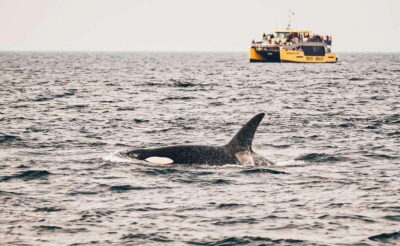
Covered Whale Watching Adventure with Free Photos
Read our review →
Victoria Half-Day Whale Watching Adventure with Free Photos
Read our review →
Tadoussac/Charlevoix: 3-Hour Whale Watching Boat Tour
Read our review →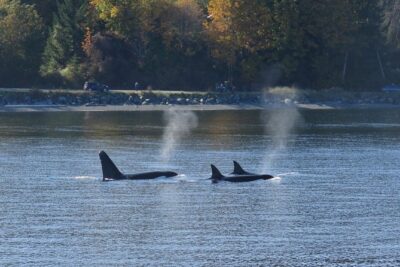
Browse the lists this tour appears in