
Reviewed · RAFTING & KAYAKING
Southern Lakes Canoe Trip – 4 Day
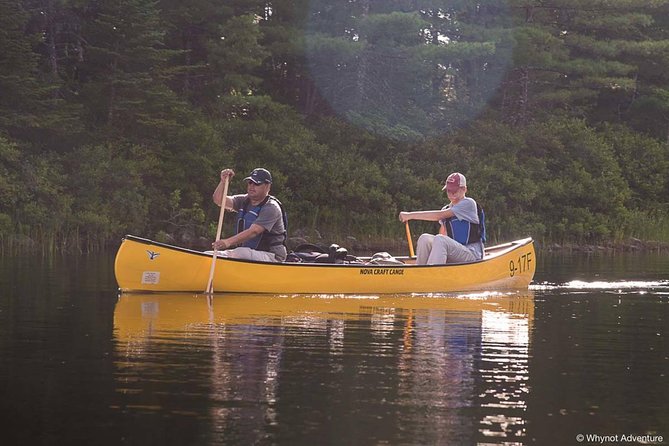
Kejimkujik’s southern lakes offer the kind of quiet you cannot get from a roadside picnic area. Over four days, you paddle away from Keji Lake, carry your canoe across a chain of portages, and camp at sites that can feel completely cut off from the outside world. The isolation is the real attraction.
I like that Whynot Adventure Outfitters supplies the major canoeing and camping gear, and I like the practical camp routine: hot breakfasts, campfire dinners, lunches by the water, and even French-press coffee. The canoes are sturdy enough for wind and waves, though the portages still require a moderate level of fitness. The main drawback is the hard work, especially if you are carrying a fully loaded canoe and pack.
In This Review
- Key points to know before you book
- Why the southern lakes are worth four days
- Day one begins with Keji Lake and a chain of portages
- Days two and three settle into the backcountry rhythm
- The meals make the trip easier, not luxurious
- What the equipment provision means for your packing list
- The final morning brings you back to Keji Lake
- The price makes sense for a prepared first backcountry trip
- Who will enjoy this canoe trip most
- A few practical booking cautions
- Should you book the Southern Lakes Canoe Trip?
- FAQ
- How long is the Southern Lakes Canoe Trip?
- Where does the trip start and finish?
- What time should I arrive?
- Is park admission included?
- What equipment is provided?
- Are meals included?
- Do I need to bring a pillow?
- How fit do I need to be?
- What happens if the weather is poor?
Key points to know before you book
- Three days in Keji’s backcountry: Most of the paddling and camping takes place far from roads and busy park facilities.
- Small maximum group: The trip is limited to five people, which makes camp setup and route decisions more personal.
- Food is part of the experience: Campfire breakfasts, dinners, lunches, and French-press coffee reduce the amount of meal planning you must do.
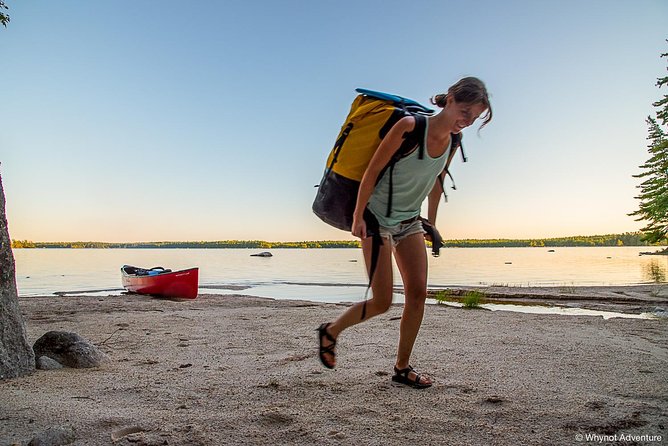
- Portages are part of every day: You will carry canoes and gear between small and medium lakes, not simply paddle from one dock to another.
- Whynot supplies the big items: Canoeing, camping, and safety equipment are provided, along with private outhouses.
- Plan for changing weather: The trip runs in all weather conditions unless poor weather forces a cancellation, so proper clothing matters.
Why the southern lakes are worth four days
Kejimkujik National Park is easy to appreciate from the main lake, but the character changes once you begin linking the smaller bodies of water. The route uses paddling and portaging together, so you gradually leave the more accessible parts of the park behind.
That matters because the southern lakes are often completely uninhabited. You might occasionally meet another canoe on a lake or cross paths with someone during a portage, but the campsites can feel wonderfully separate from everything else. For me, that sense of distance is worth more than a packed schedule of attractions.
This is not a sightseeing cruise. The rewards come from the rhythm of the trip: paddle, carry, unpack, cook, eat, sleep, and repeat. You will see less in the usual tourist sense, but you get more time to notice the water, weather, quiet, and small decisions that make a backcountry trip work.
More rafting & kayaking in Canada:
- Wet and Wild Elaho Exhilarator Rafting
★ 5.0 · 625 reviews - Rafting Adventure on the Kicking Horse River
★ 5.0 · 590 reviews - Half-Day Whitewater Rafting in Revelstoke
★ 5.0 · 410 reviews
Day one begins with Keji Lake and a chain of portages
The meeting point is Whynot Adventure, The Keji Outfitters, at Jake’s Landing, 1507 Kejimkujik Main Parkway, Maitland Bridge. The supplied timing needs a quick check before you go: the meeting information gives a 10:30am start, while the day plan says to arrive between 11:30am and 12:30pm.
Once the group meets, lunch comes before the first major paddle. You cross Keji Lake, then begin working through a series of portages linking small and medium lakes. This opening section gives you a useful preview of the whole trip: open water, canoe carries, changing scenery, and the need to keep your equipment packed sensibly.
At camp, the group sets up tents and prepares a campfire dinner. The schedule is active, but it is not rushed. A small group of no more than five people can divide camp tasks without the confusion of a large expedition.
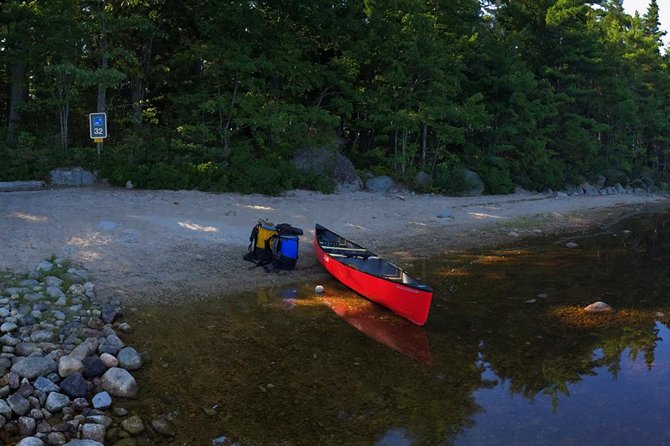
The first night also tells you if this trip suits you. You are sleeping in a remote campsite, not returning to a lodge or cabin. Private outhouses are provided, but you should bring your own pillow, clothing, and toiletries.
Days two and three settle into the backcountry rhythm
Days two and three follow the same basic pattern, and that is a good thing. You start with French-press coffee and a hot campfire breakfast, break down camp, repack the canoes, and head onto the next series of lakes and portages.
The route focuses on medium lakes, with lunch and a chance to swim along the way. A swim stop gives the day a welcome pause, especially after a canoe carry. Still, you should not mistake the word lunch for a long break at a staffed picnic area. You remain responsible for moving gear, helping with camp, and adapting to the day’s conditions.
Each afternoon, you search out the evening campsite, unload, and set up again. Dinner follows, then a slower evening around camp before sleep. This repeated work is the heart of the trip, and it is also the reason a moderate fitness level is required.
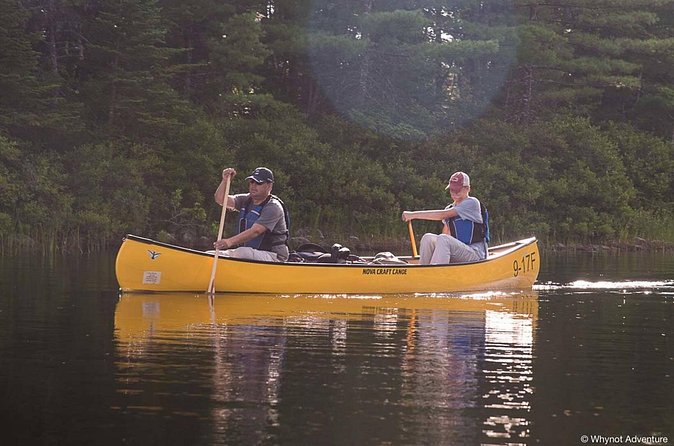
The supplied gear receives strong marks for being clean, sturdy, and ready to use. One canoeist found the boat stable in high winds and waves, which is reassuring in open water. At the same time, an ultralight canoe would make the portages easier. Whynot’s canoes are made to handle the route, but they are not weightless.
If you have never carried a canoe before, ask the staff for advice at the start. Cody and Karlene have been praised for practical help, route suggestions, and handling last-minute changes. Their guidance is especially useful when you are deciding how to divide equipment between paddlers.
The meals make the trip easier, not luxurious
Food is one of the useful strengths of this package. The day begins with hot breakfast and French-press coffee, and lunches are included during the paddling days. Campfire dinners take care of the evening meal, so you are not forced to plan every menu before arriving.
This has real value on a canoe trip. Every item you do not need to buy, pack, or cook from scratch leaves more room for dry clothing and personal essentials. The food is still camp food, not restaurant dining, and you should provide dietary requirements when booking.
There is a small inconsistency in the supplied meal details. The overview lists two dinners, two breakfasts, and three lunches, while the included section lists four lunches, three dinners, and three breakfasts. Since the four-day schedule appears to include breakfast and dinner on three nights, confirm the exact meal count with Whynot before paying.
You should also ask about any food you need beyond the included meals. The operator specifically requests dietary information at booking, but the details do not list drinks, snacks, or special meal substitutions.
A few more Canada trips to weigh up
- Banff National Park Big Canoe Tour
★ 5.0 · 303 reviews - From Toronto: Algonquin Park Canoeing & Hiking Adventure
★ 4.6 · 291 reviews - Banff National Park: Big Canoe River Explorer Tour
★ 4.7 · 286 reviews - Three Sisters Sea Kayaking Day Tour
★ 5.0 · 275 reviews
What the equipment provision means for your packing list
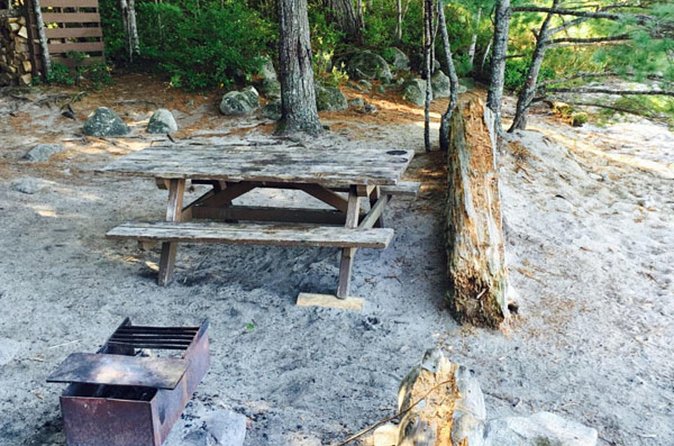
Whynot provides canoeing equipment, camping equipment, safety equipment, and private outhouses. That is a major advantage if you want a backcountry trip without buying or transporting a full set of gear.
You still need to bring the personal items that make four days comfortable:
- A pillow
- Personal clothing
- Toiletries
- Weather-appropriate layers
- Any personal snacks or other items not covered by the meal plan
The trip operates in all weather conditions, so pack for rain as well as sun. Dry clothing matters more than fashionable clothing here. Keep important personal items protected from water, and follow the staff’s advice about packing and securing gear in the canoe.
The safety equipment is included, but that does not make the route effortless. You must paddle, carry, lift, and help with camp. If you are unsure about your fitness, the key question is not whether you enjoy canoeing. It is whether you can manage repeated portages over several days.
The final morning brings you back to Keji Lake
Day four begins in the same practical way: French-press coffee, a hot breakfast, camp breakdown, and canoe repacking. You then work back toward Keji Lake, stopping for lunch on the shore before the final paddle.
The return to Whynot Adventure is planned for about 2pm. That afternoon finish is useful if you are continuing elsewhere in Nova Scotia, but leave room for weather or route changes. Backcountry timing is never as exact as a city walking tour.
The final paddle also gives you a clear sense of what you have covered. You finish where you began, at the Whynot meeting point, rather than arranging a separate pickup. There is no shuttle transfer built into the route as described.
The price makes sense for a prepared first backcountry trip
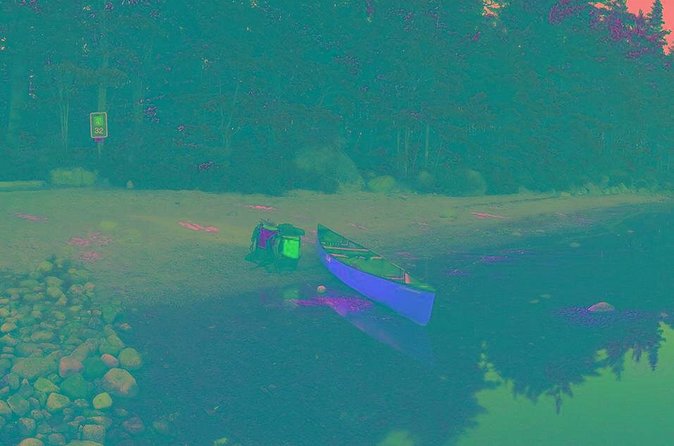
At CA$1,108.28 per person, this is a serious purchase. The value depends on how much of the supplied equipment and food you would otherwise need to arrange yourself.
You are paying for four days of access to a remote canoe route, canoeing equipment, camping equipment, safety equipment, included meals, camp setup experience, and support from an outfitter familiar with Kejimkujik. For someone starting from scratch, that can be more practical than buying gear for one trip.
The price is harder to justify if you already own a canoe, camping kit, and safety equipment, or if you prefer to plan every detail yourself. You are also responsible for the park admission fee, listed as CA$6.50 per person. Confirm the meal count and meeting time before booking, since both sets of details contain small differences.
The maximum group size of five helps the price feel more personal. You are not being placed in a large fleet, and equipment advice can be more direct. The tradeoff is that a small-group wilderness trip leaves less room to disappear into your own private plan.
Who will enjoy this canoe trip most
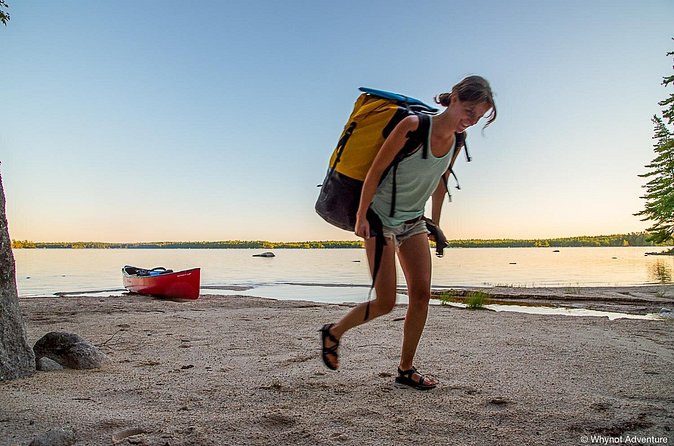
This trip suits you if you want real backcountry camping but prefer to have the major logistics handled. It is a good match for people who enjoy quiet lakes, simple camp routines, and physical days with a clear purpose.
It also works well for families and friends who want a shared outdoor challenge. The operator has supplied equipment for groups of different types, and the canoes are stable and sturdy. Still, every person should be ready for portages, changing weather, and camp chores.
You may want a different experience if you need hotel-style comfort, guaranteed sunshine, or a tightly timed daily schedule. This is not a gentle canoe rental with a campsite at the end of a short paddle. You are moving through remote country for three days, then returning on the fourth.
The service is available in English, and service animals are allowed. Confirmation arrives within 48 hours of booking, subject to availability. Because the trip requires a minimum number of people, it can be canceled if that number is not reached.
A few practical booking cautions
The cancellation rules are strict close to departure. Cancel at least six full days before the start time for a full refund. Cancellation two to six full days ahead brings a 50 percent refund, while cancellation less than two full days ahead receives no refund.
If poor weather cancels the trip, you are offered another date or a full refund. The same applies if the minimum group is not met, with the option of another date or experience. These terms make early planning sensible, especially since the trip is commonly booked about 13 days ahead.
Confirm the start time, exact meal inclusions, and any dietary needs before you arrive. Also remember that the park admission fee is separate from the tour price.
Should you book the Southern Lakes Canoe Trip?
I would book this if you want Kejimkujik at its quietest and do not already have a complete canoe camping setup. The remote campsites, small group, sturdy canoes, included meals, and helpful outfitter support give the trip a clear purpose.
I would pause if portaging sounds like a chore you would rather avoid, or if you need more comfort than a tent and private outhouse can offer. For the right person, this is a demanding but rewarding way to spend four days in Keji, with enough practical support to make backcountry travel possible without turning it into a major equipment project.
FAQ
How long is the Southern Lakes Canoe Trip?
The experience lasts approximately four days. You spend three days canoeing and camping in Kejimkujik’s backcountry, then return to Whynot Adventure on the fourth day at about 2pm.
Where does the trip start and finish?
It starts and finishes at Whynot Adventure, The Keji Outfitters, at Jake’s Landing, 1507 Kejimkujik Main Parkway, Maitland Bridge, Nova Scotia, B0T 1B0.
What time should I arrive?
The meeting information lists a 10:30am start, while the first-day schedule gives an arrival window of 11:30am to 12:30pm. Confirm the correct arrival time with Whynot Adventure before the trip.
Is park admission included?
No. Admission to Kejimkujik National Park and National Historic Site is listed separately at CA$6.50 per person.
What equipment is provided?
Canoeing equipment, camping equipment, safety equipment, and private outhouses are provided.
Are meals included?
Yes, meals are included, including campfire breakfasts and dinners, lunches, and French-press coffee. The supplied details list different meal totals, so confirm the exact number of breakfasts, lunches, and dinners when booking.
Do I need to bring a pillow?
Yes. A pillow is specifically listed as not included. You must also bring your personal clothing and toiletries.
How fit do I need to be?
You should have a moderate level of physical fitness. The route includes paddling, repeated portages, carrying canoes and gear, camp setup, and camp breakdown.
What happens if the weather is poor?
The experience operates in all weather conditions, but it may be canceled because of poor weather. In that case, you are offered another date or a full refund.
More 4-Day Experiences in Canada
- 4-Day Canadian Rockies & Banff Classic Summer Tour
★ 5.0 · 163 reviews - Canadian Rockies and Banff 4-Day Tour from Vancouver (Chn&Eng)
★ 4.5 · 142 reviews - Yukon Aurora Viewing Package | 4 days
★ 5.0 · 35 reviews - Algonquin Park 4-Day Deluxe Camping & Canoeing Adventure
★ 5.0 · 33 reviews
Just added around Canada
- Hot Tub Boat Ride Around Victoria★ 5.0 · 89 reviews
- 24 Hour Hop-On, Hop-Off Double Decker Victoria City Tour★ 4.0 · 198 reviews
- Heritage Horse-Drawn Carriage Experience in Victoria★ 5.0 · 68 reviews
- Historical Chinatown Walking Tour★ 5.0 · 39 reviews
- Hip & Hidden Chinatown + Old Town Food Tour Victoria★ 5.0 · 169 reviews
- The Signature Tour Victoria★ 5.0 · 21 reviews
- Private Tour of Beautiful Victoria in Luxury Van★ 5.0 · 24 reviews
- Eat Like a Canadian Food & Sightseeing Tour★ 5.0 · 38 reviews
Rafting & Kayaking, compared.
Clearwater, BC, Rafting, Finish in Canadas waterfall capital!
Read our review →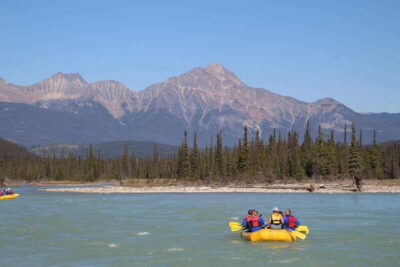
Jasper National Park: 2-Hour Whitewater Rafting
Read our review →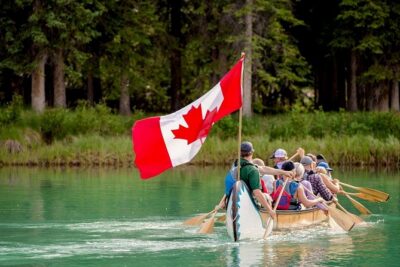
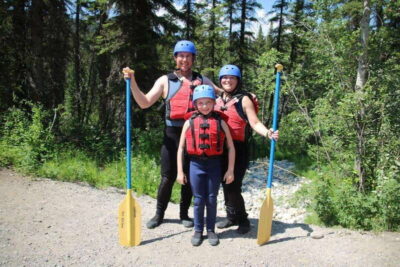
Afternoon Kananaskis River Whitewater Rafting Tour
Read our review →Browse the lists this tour appears in