
Reviewed · MUSEUMS
Bata Shoe Museum Admission Ticket
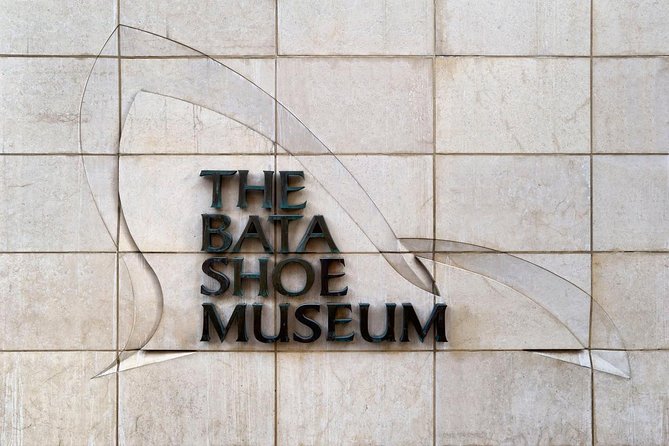
The Bata Shoe Museum turns an everyday object into a doorway to culture, faith, fashion, work, and status. You move from footwear dating as far back as ancient Egypt to modern styles, with displays that show why shoes are often much more than things you put on your feet.
I like the museum’s clever presentation and its mix of permanent and changing exhibitions. I also like the manageable size: you can see a lot in about 60 to 90 minutes, then spend longer on the displays that catch you. The main drawback is simple: this is a small museum, and a gallery may occasionally be closed for renovation. It is best for a focused visit, not an all-day outing.
In This Review
- Key points to know before you go
- Why shoes make a surprisingly good museum subject
- Walking through All About Shoes
- Three changing galleries keep the visit fresh
- Expect about 45 to 90 minutes, or up to two hours
- The self-guided format gives you control
- What makes the collection valuable
- Getting there and planning your stop
- Is the admission worth the time?
- Who should book the Bata Shoe Museum?
- FAQ
- How long does a visit to the Bata Shoe Museum take?
- What can I see at the Bata Shoe Museum?
- Is the museum guided or self-guided?
- Are temporary exhibitions included?
- Does the ticket include transportation or parking?
- Can I use a mobile ticket?
- What days and times is the museum open?
- Are service animals allowed?
- Can I cancel for a full refund?
Key points to know before you go
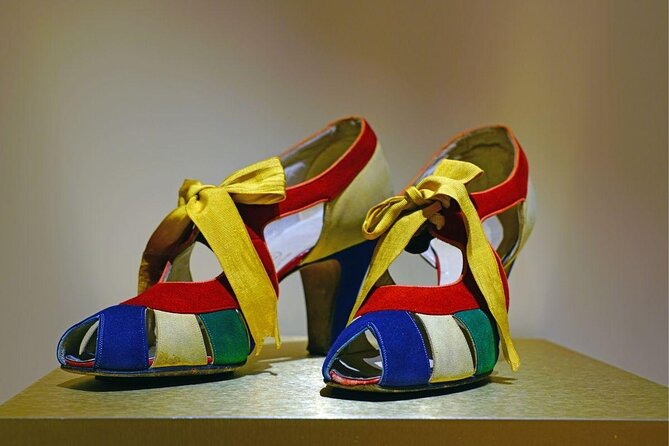
- Ancient Egyptian artifacts: See how footwear developed across distant periods and cultures.
- All About Shoes: The main exhibition explains the history and meaning of footwear in a clear, approachable way.
- Three changing galleries: Exhibitions usually run for about a year, so the museum can feel different on a return visit.
- Four floors of displays: You may need around 90 minutes to take your time through the collection.
- Self-guided format: You explore independently rather than joining a standard guided group visit.
- Easy add-on in Toronto: The museum is near public transportation, but transportation and parking are not included.
Why shoes make a surprisingly good museum subject
At first, a shoe museum can sound like a novelty stop. The collection quickly proves more serious than that. Footwear touches nearly every part of human life. It protects your feet, but it can also show where you come from, what work you do, what you believe, and how much money or power you have.
The museum’s strength is this broad view. You are not simply looking at attractive shoes behind glass. You are seeing how materials, shape, decoration, and use change over time. A practical shoe can tell one story. A ceremonial or fashionable shoe can tell another.
The main semi-permanent exhibition, All About Shoes, provides the backbone of the visit. It traces footwear through different periods and places, helping you connect individual objects to larger ideas. The layout has been praised for being easy to follow, and that matters here. Without a clear structure, a collection of shoes could become a long row of unrelated objects.
The museum also gives space to artisans and collaborators, including Indigenous makers. That attention adds substance to the displays. The objects are not treated only as design pieces. You get a better sense of the people, traditions, and skills behind them.
A few more Toronto trips to weigh up
- Royal Ontario Museum Admission
★ 4.5 · 411 reviews - Toronto: Art Gallery of Ontario General Admission Ticket
★ 4.6 · 251 reviews - Museum of Illusions Admission in Toronto
★ 3.5 · 214 reviews
Walking through All About Shoes
Start with All About Shoes and give yourself time to read the labels. The exhibition is designed to explain rather than overwhelm, so it works well for first-time museum visitors and families. You can move at your own speed, stop for a close look, and skip sections that interest you less.
The ancient material gives the visit an early anchor. Artifacts dating back to ancient Egypt help show that footwear has long carried practical and symbolic meaning. I like this approach because it puts modern fashion in perspective. Today’s unusual shoe is not the first example of people using footwear to express identity.
As you continue, look for changes in construction and decoration. The shape of a shoe can reflect the activity it was made for. Materials can point to local resources or available technology. Ornament can suggest ceremony, wealth, or social position.
The history of footwear is the most satisfying part for many visitors because it gives the collection a clear purpose. You leave thinking differently about the shoes you wear every day. One past visitor put it well: after the visit, they expected to think more about their own shoes.
Families can use the exhibition as a simple time-travel exercise. Ask children how a particular shoe might be used, who might wear it, and what it says about that person. The museum does not require a specialist background. You can enjoy the shapes and colors first, then read more when something grabs your attention.
Three changing galleries keep the visit fresh
Alongside the main exhibition, the museum has three galleries for temporary exhibitions. These usually run for about a year, with one or two new exhibitions opening each year. That schedule gives the museum a changing rhythm without making the permanent collection feel outdated.
This is where a second visit can make sense. You may already know the main displays, but the temporary galleries can shift your focus toward a particular time, theme, material, or style. The exact content changes, so check what is on view before you arrive if a specific exhibition matters to you.
The changing areas also help the museum reach different audiences. A family may enjoy a playful fashion display. A visitor interested in art may pay closer attention to design and craftsmanship. Someone interested in social history may find more value in the cultural and religious uses of footwear.
One display focused on 1980s styles has been especially memorable for visitors who grew up in that period. It works as a trip down memory lane, but it also shows how quickly fashion becomes historical. Styles that once felt current can look wonderfully strange when placed in a museum setting.
Keep in mind that galleries can occasionally be closed during renovation. One area was unavailable during a recent visit, which shortened the experience for some people. This is not a reason to avoid the museum, but it is a good reason to check current exhibition information if you are traveling to Toronto for a very specific display.
Expect about 45 to 90 minutes, or up to two hours
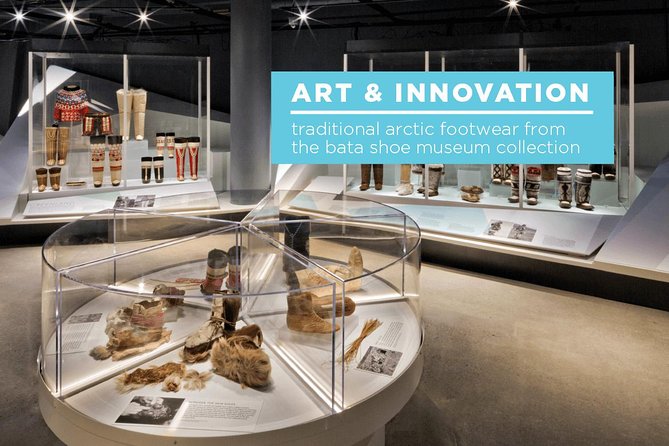
The advertised visit takes approximately one to two hours, but your timing depends on how closely you read. A quick walk through may take about 45 minutes. A more relaxed visit, including the changing galleries and detailed labels, can take around 90 minutes or longer.
I would plan for 60 to 90 minutes on a normal sightseeing day. That gives you enough time to see the collection without turning the visit into a marathon. If you love fashion, art, design, or social history, allow closer to two hours.
The museum’s size is part of its value. You can fit it between other Toronto stops, and you do not need to reserve an entire day. It works well on a rainy afternoon or as a short cultural stop before dinner.
The same small size can be a limitation. If you expect a huge national museum with hundreds of rooms, you may finish sooner than planned. The strongest experience comes from looking carefully at the displays, not from rushing through every floor.
The collection is arranged across four floors according to visitor information, so wear comfortable shoes if you plan to take your time. The museum is self-guided, which means you are in charge of the pace. There is no standard guided group visit included, and lectures and workshops cost extra or require separate arrangements.
Same province, a completely different day out:
- Toronto: Niagara Falls Day Tour with Optional Boat Cruise
★ 4.6 · 3,178 reviews - Niagara Falls Day Tour from Toronto
★ 5.0 · 2,889 reviews - Toronto: Casa Loma Entry Ticket
★ 4.7 · 2,705 reviews - Niagara Falls Canada Day Tour From Toronto + Boat Cruise Option
★ 5.0 · 2,576 reviews
The self-guided format gives you control
This is a straightforward admission visit rather than a guided tour. Your mobile ticket gets you into the museum, and you explore the galleries on your own.
I like that arrangement for this subject. Shoes invite personal reactions, and you may want to linger over one unusual design while moving quickly past another. A guide can add context, but a self-guided visit lets you shape the experience around your own interests.
It also makes the museum easy to fit into a mixed-interest day. One person in your group can focus on fashion and craftsmanship, while another reads about cultural or religious meaning. Families can keep moving when younger children lose interest, then pause at displays that draw them back.
The tradeoff is that you should not expect a scheduled lecture or a group explanation with your admission. Museum lectures and workshops are not included. Guided group visits are also not part of the standard experience.
If you want more structure, the museum has offered recorded talks and educational programming separately. A front-desk staff member has helped visitors access a recorded talk, but you should not assume that a live speaker or workshop will be part of your ticket.
What makes the collection valuable
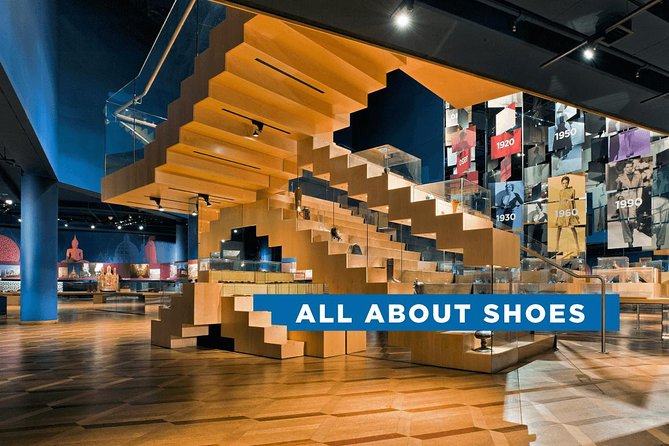
The museum is at its best when it connects objects to people. Its Indigenous displays, in particular, give attention to artisans and collaborators rather than presenting the footwear as anonymous decoration. That makes the collection more respectful and more useful.
The cultural and religious side is also worth your time. You can see how footwear can be shaped by belief, ceremony, and custom. This is one of the reasons the museum feels more substantial than a fashion display.
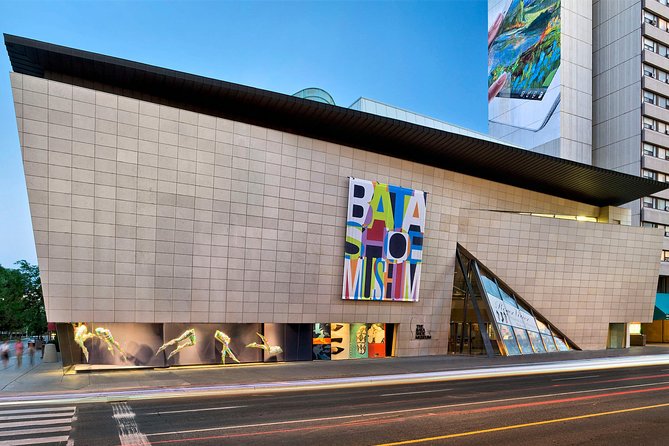
The collection can also appeal to art lovers. Some displays are intricate, and the shoes themselves can be viewed as small sculptures. The exterior of the building has even been described as clever, so look at the architecture as you approach rather than treating it as a plain entrance.
Fashion fans will find plenty to enjoy, especially in the modern and temporary sections. The 1980s material has a strong nostalgic pull, while newer exhibitions can provide a different visual language. The museum’s changing program helps prevent the visit from becoming only a look backward.
There is also an element of personal memory. Shoes are tied to school, work, celebrations, religion, sports, and travel. An object on display may remind you of a period in your own life, which gives the visit a more personal edge than you might expect.
Getting there and planning your stop

The museum is in Toronto and located near public transportation. That makes it practical to add to a day of city sightseeing, although the admission ticket does not include transportation or parking.
The listed opening hours are Monday through Saturday, 10:00 a.m. to 5:00 p.m., for the stated booking period through February 16, 2027. Sunday hours are not provided, so check before planning a weekend visit that depends on a Sunday opening.
A mobile ticket is convenient. Confirmation is provided at booking, and the ticket can be ready on your phone when you arrive. Keep in mind that admission covers the museum only. Parking, transportation, lectures, workshops, and guided group visits are separate.
The listed activity capacity is a maximum of nine travelers. Since the visit is self-guided, that limit does not mean you will receive a private guide. It is best understood as a small booking size for the admission experience.
Service animals are allowed, and most people can participate. The museum is designed for independent visits, which makes it a simple choice for solo visitors, couples, families, and small groups.
Is the admission worth the time?
The value depends on what you want from a museum. If you want a large collection with famous celebrity objects guaranteed to be on display, this may disappoint. Specific shoes associated with cultural figures, including Madonna, Marilyn Monroe, Elton John, and the Dalai Lama, have not always been available to see. Do not book solely for one celebrity item without checking the current exhibition details.
If you enjoy design, fashion, art, cultural customs, or unusual museums, the admission is easier to justify. You get a focused collection, a clear main exhibition, and temporary galleries that add variety. The visit also takes less time than many major museums, so you are paying for a compact experience that can fit neatly into your day.
I would also recommend it to older visitors who enjoy memory and social history, especially when an exhibition covers a familiar period such as the 1980s. Families can make it educational without turning the outing into a formal lesson.
The museum earns its best response from people who come curious rather than skeptical. You do not need to be passionate about footwear before arriving. You only need to give the displays a fair chance to explain why shoes matter.
Who should book the Bata Shoe Museum?
Book it if you want a short, unusual Toronto museum visit with genuine historical and cultural content. It is a strong choice for fashion lovers, art-minded visitors, families, solo sightseers, and anyone looking for an indoor stop near public transportation.
Think twice if you need a full-day museum, a live guide, or a guaranteed celebrity shoe display. For most people, I would allow about 90 minutes and treat the museum as one well-chosen stop rather than the only activity of the day.
The free-cancellation policy adds flexibility: cancel at least 24 hours before the start time for a full refund. Changes or cancellations within 24 hours are not accepted for a refund.
FAQ
How long does a visit to the Bata Shoe Museum take?
The expected duration is about one to two hours. A quick visit may take around 45 minutes, while reading the displays and visiting all the galleries can take about 90 minutes or longer.
What can I see at the Bata Shoe Museum?
You can see the semi-permanent All About Shoes exhibition, artifacts dating back to ancient Egypt, and displays in three changing exhibition galleries.
Is the museum guided or self-guided?
The museum is designed to be self-guided. Guided group visits, museum lectures, and workshops are not included with standard admission.
Are temporary exhibitions included?
Admission includes access to the museum’s exhibitions, including the semi-permanent exhibition and the changing galleries available during your visit.
Does the ticket include transportation or parking?
No. Transportation to and from the attraction and parking are not included.
Can I use a mobile ticket?
Yes. The experience provides a mobile ticket, and confirmation is received when you book.
What days and times is the museum open?
The listed hours are Monday through Saturday, from 10:00 a.m. to 5:00 p.m. Sunday hours are not provided.
Are service animals allowed?
Yes. Service animals are allowed at the museum.
Can I cancel for a full refund?
Yes, if you cancel at least 24 hours before the experience start time. Cancellations made less than 24 hours before the start time are not refunded, and changes within that period are not accepted.
Just added around Toronto
- Toronto Craft Brewery Tour★ 5.0 · 97 reviews
- Canada eSIM | 3-30 days | Daily data | QR code★ 4.0 · 12 reviews
- Underground Toronto PATH Tour★ 4.5 · 6 reviews
- Handcrafted Donuts of Toronto: A Sweet City Walking Tour★ 5.0 · 141 reviews
- Customizable Walking Tour of Toronto’s Hidden Gems★ 5.0 · 15 reviews
- Pottery wheel class in Toronto Bay&Dundas★ 4.5 · 5 reviews
- Toronto’s Longest Running Improv Theatre – Marquee Show★ 5.0 · 5 reviews
- Toronto Airport Private Transfer to Downtown★ 4.5 · 10 reviews
Museums, compared.

Art Gallery of Ontario General Admission Ticket
Read our review →


Browse the lists this tour appears in