
Reviewed · MUSEUMS
Ottawa: Canadian War Museum Admission
The Canadian War Museum begins before you reach the first exhibit. Raymond Moriyama’s building uses rough concrete, uneven floors, and windows spelling Lest We Forget / N’oublions jamais in Morse code to show the damage caused by war, then point toward renewal. It is architecture with a clear purpose, not just a container for old objects.
I like two things especially: the museum lets you move through Canada’s military story in chronological order, and it keeps that story human with family memories, soldiers’ voices, photographs, letters, art, and personal objects. The LeBreton Gallery’s tanks, artillery, and military vehicles are a major draw, too. The main consideration is time. Two hours gives you a useful visit, but six to eight hours may be needed if you want to read the labels and see everything.
In This Review
- Key points
- A museum where the building tells its own story
- Four chronological sections make Canada’s story easier to follow
- Why the LeBreton Gallery deserves extra time
- Memorial Hall and the cost of war
- Personal voices bring the exhibits closer
- Special exhibitions add new angles
- How long should you plan to stay?
- Is the $18 admission good value?
- Getting there and making the visit easy
- Who will get the most from this museum?
- Should you book the Canadian War Museum?
- FAQ
- Where is the Canadian War Museum?
- How much does admission cost?
- How long is the admission valid?
- What does the ticket include?
- Do I need to visit the Museum Box Office when I arrive?
- Is the museum wheelchair accessible?
- Are children admitted free?
- Can I bring food, drinks, or pets?
Key points
- Morse-code windows and rough concrete turn the museum building into part of the exhibit.
- Four chronological sections help you follow Canada’s military story from early conflicts to present-day wars.
- LeBreton Gallery displays large tanks, artillery pieces, and military vehicles.
- Memorial Hall offers a quiet place to reflect beside the headstone of Canada’s Unknown Soldier.
- Personal stories and veteran voices bring the human cost of service into focus.
- A $18 admission ticket includes permanent galleries, special exhibitions, a multilingual guide, and self-serve coat check.
A museum where the building tells its own story
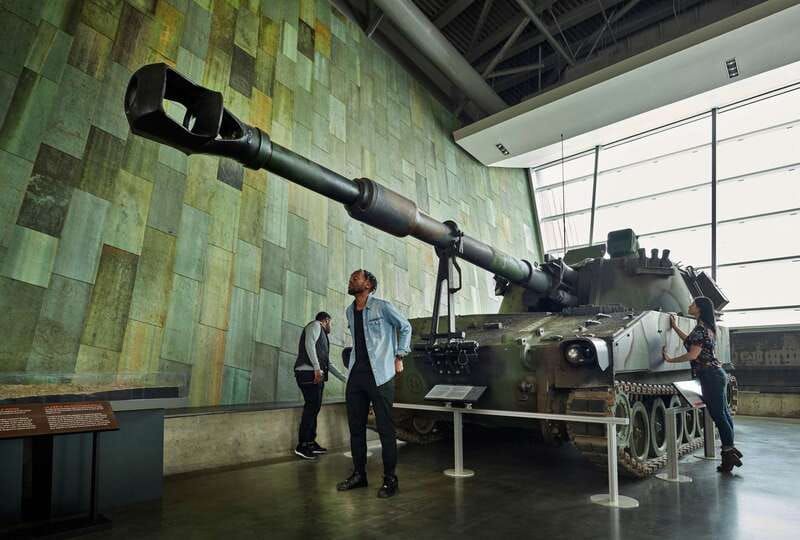
At 1 Vimy Place, the Canadian War Museum sits within easy reach of downtown Ottawa by foot, bicycle, public transit, or car. The setting is modern and open, with the museum’s design doing some teaching before you have read a single label.
Moriyama’s concept is regeneration. That idea matters here. The building acknowledges broken ground, hard choices, and the lasting scars of conflict, but it does not leave you in despair. Light enters through carefully placed openings, while the structure’s stark surfaces make you aware of the cost behind the objects on display.
Look for the windows that spell Lest We Forget / N’oublions jamais in Morse code. It is a small detail, easy to miss if you hurry, but worth noticing early. The uneven floors and rough walls reinforce the same message: war disrupts ordinary life, and its effects do not end when the fighting stops.
I appreciate this approach because it keeps the museum from feeling like a warehouse of weapons. The machines matter, but so do the people who built them, operated them, feared them, survived them, or lost someone to them.
A few more Ottawa trips to weigh up
- Ottawa: Canadian Museum of Nature Admission
★ 4.6 · 226 reviews - Canadian War Museum Admission
★ 4.5 · 213 reviews - Ottawa: National Gallery of Canada Admission
★ 4.7 · 9 reviews
Four chronological sections make Canada’s story easier to follow
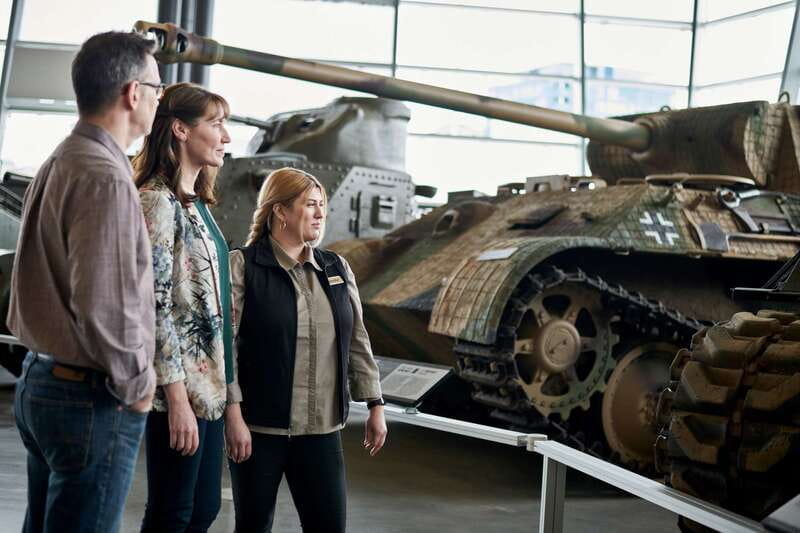
Once inside the exhibition area, begin with the museum’s broad chronological flow. The galleries move from early wars in Canada through the First and Second World Wars, later conflicts, and contemporary military service.
That order is useful if you do not know much about Canadian military history. You can follow the story without constantly jumping between centuries or trying to connect unrelated objects. One helpful visitor described the four-part layout as logical and simple to absorb, and that is a fair description of the museum’s general approach.
The displays combine objects with photographs, works of art, interactive presentations, and reconstructed or immersive settings. The point is not only to show what a uniform or weapon looks like. You also get context about the people who used these objects and the conditions in which they served.
Canada’s military role may be larger and more complicated than you expect. The exhibits cover wars fought on Canadian soil, overseas campaigns, the two world wars, and more recent conflicts. The museum also shows how service continues to affect people after they return home.
Give yourself time with the labels. A quick walk through the galleries will show you the broad outline, but the smaller accounts often carry the greatest emotional weight. Family stories and soldiers’ experiences can turn a distant campaign into something personal.
Why the LeBreton Gallery deserves extra time
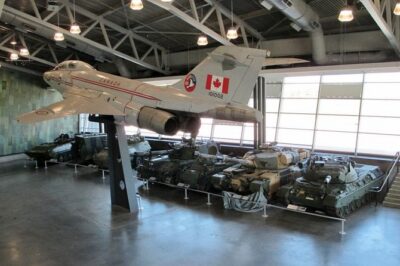
The LeBreton Gallery is the museum’s big visual payoff. It holds large artillery pieces and military vehicles, including an impressive collection of tanks and armored vehicles.
This section works well for families because the scale is immediate. You do not need a long explanation to understand that these machines were built for protection, movement, and destruction. Their size also helps explain the practical demands of modern war in a way that a small photograph cannot.
You will find more than tanks. The museum’s collections include uniforms, medals, small arms, rare books and archives, and other military equipment. Aircraft and cars are also part of the broader display, giving the gallery range beyond armored vehicles.
I would not save this area for a rushed final ten minutes. If you are visiting with children, it can provide a strong starting point and help maintain interest before you move into the more text-heavy sections. If you are a military-history enthusiast, plan even more time here, since the vehicle collection is one of the museum’s strongest features.
The only mild drawback is that the large objects can attract attention away from the personal material nearby. Try to look beyond the machinery. The most useful visit connects the tank to the individual stories around it.
Memorial Hall and the cost of war

Memorial Hall is designed for quiet reflection. Here you can stand beside the headstone of Canada’s Unknown Soldier, a powerful reminder that military history is also a record of individual loss.
This is not a place to rush through while checking the next gallery on your phone. The museum gives you several spaces where the mood changes from information gathering to personal reflection. Memorial Hall is the clearest example, but the Moriyama Regeneration Hall and the Royal Canadian Legion Hall of Honour add to that quieter side of the visit.
The contrast with LeBreton Gallery is important. Tanks and artillery explain how war operates. Memorial Hall asks you to consider what war costs. You need both parts to understand the museum’s purpose.
The emotional tone can be strong. Personal accounts, family stories, and postwar experiences may bring tears, particularly in exhibitions that examine the struggles faced after service. If you are visiting with young children, use your judgment and allow space for questions. The museum welcomes all ages, but not every story is easy.
Same province, a completely different day out:
- Ottawa: Sightseeing River Cruise
★ 4.3 · 1,585 reviews - Ottawa: Rideau Canal Cruise
★ 4.4 · 1,303 reviews - Ottawa: Hop-On Hop-Off Guided City Tour Pass
★ 4.4 · 1,194 reviews - Ottawa Boat Cruise – Rideau Canal Cruise
★ 4.5 · 1,127 reviews
Personal voices bring the exhibits closer
Objects can tell you what happened. Personal voices help explain what it felt like.
The museum uses thousands of personal stories, photographs, works of art, and interactive presentations to connect military events with ordinary lives. The effect is strongest when the display shows not only a battle or campaign, but also the family and service life surrounding it.
A special exhibition called In Their Own Voices has focused on the struggles people faced after war and after military service. That subject expands the story beyond combat. It asks what happens when a soldier returns to civilian life, and how families deal with the effects of service.
The museum also features the Beaverbrook Collection of War Art, one of its important holdings. Art can show fear, exhaustion, boredom, loss, and confusion in ways a formal military report cannot. It gives you another way to understand conflict, especially when photographs or official accounts feel distant.
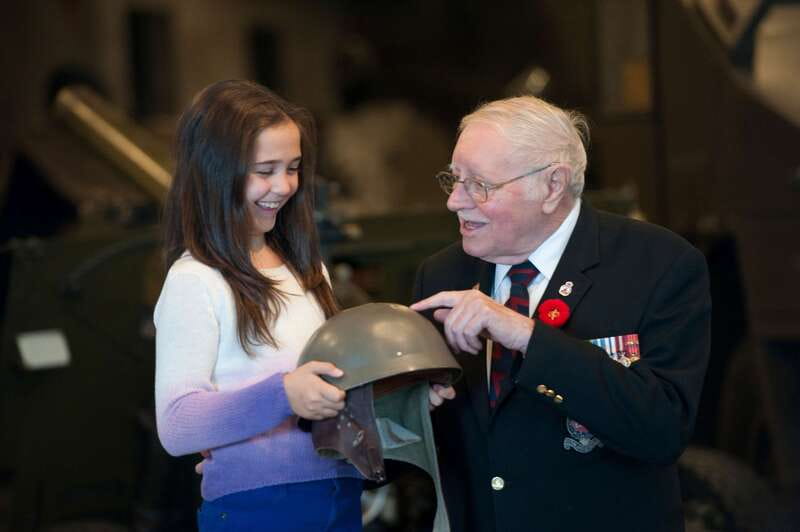
You may also have the chance to speak with a veteran. That human contact can change the pace of the visit, turning a historical display into a conversation. Availability can vary, so treat it as a valuable possibility rather than the only reason to book.
Special exhibitions add new angles
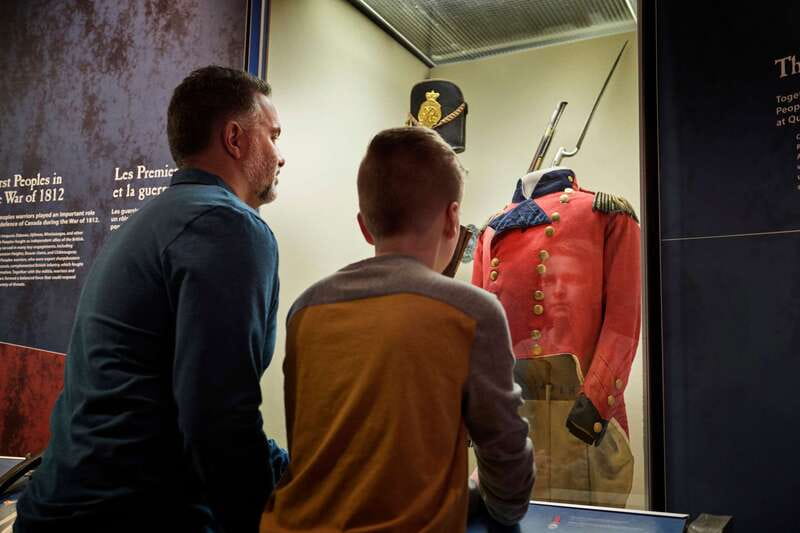
Your admission includes access to permanent galleries and special exhibitions. The temporary displays can shift the focus from the main chronological route to a particular conflict, group, or form of expression.
Past topics have included the First and Second World Wars and art created by women in conflict zones. These exhibitions are useful because they challenge the idea that military history is only about generals, weapons, and battlefield maps.
A temporary exhibit may also be the best reason for a repeat visit. One return visitor found In Their Own Voices especially moving after being away for seven years. The permanent galleries provide the foundation, while changing displays give you a fresh subject to explore.
Check what is on during your visit if you have a specific interest. The supplied admission covers special exhibitions, but the exact program can change.
How long should you plan to stay?
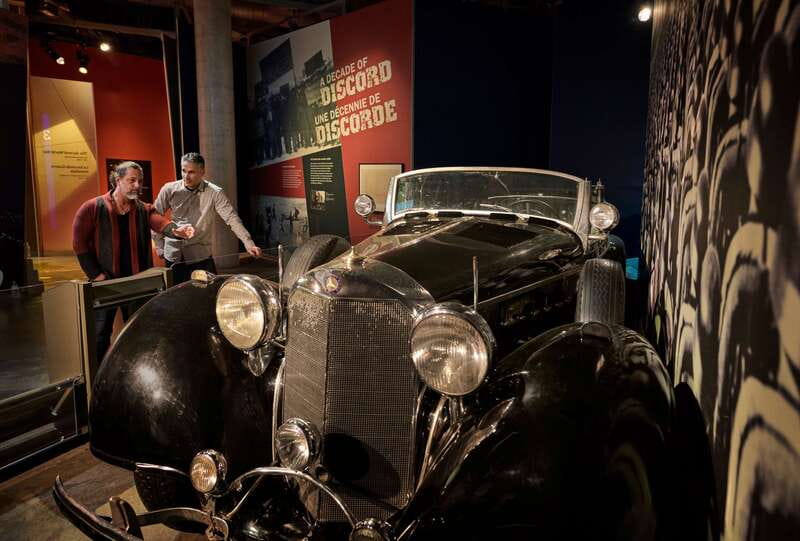
The museum is sold as a one-day admission, but that does not mean you must spend an entire day inside. Two hours can give you a worthwhile overview, especially if you choose the main galleries and LeBreton Gallery.
I would allow at least three to four hours for a balanced first visit. That gives you time for the main chronological route, the vehicles, Memorial Hall, and some reading without turning the day into a race.
If you want to read most labels, use interactive displays, examine the art, and see special exhibitions, plan six to eight hours. One careful visitor specifically advised allowing that much time. The museum is large enough that you can easily underestimate it from the outside.
Comfortable shoes are a sensible choice. You will be on your feet, and the uneven floors are part of the building’s design. A self-serve coat check is included, which helps if you arrive with outerwear, especially during an Ottawa winter.
Food and drinks are not included, and food and drinks are not allowed in the museum galleries. Plan your meal around the visit rather than expecting to snack as you go.
Is the $18 admission good value?
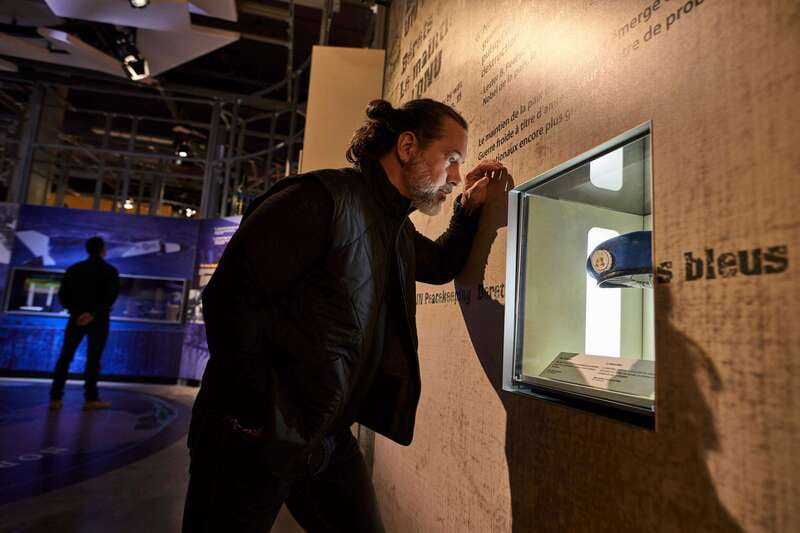
At $18 per person, the ticket is good value for a full museum day. It includes the permanent galleries, special exhibitions, a multilingual museum guide, and self-serve coat check. The range of material is broad enough to suit a first-time visitor and still reward someone returning for a closer look.
The value depends on how you visit. If you have only 45 minutes between other Ottawa sights, the ticket may feel less worthwhile. If you can give the museum several hours, the price compares well with the amount of content available.
It is also worth checking the museum’s direct admission price before booking. One person found that buying directly could have saved $23 on two tickets, so compare the final total rather than assuming every booking route costs the same.
Young visitors have an especially good deal during the Canada Strong Pass period. From December 12, 2025, through January 15, 2026, children and youth aged 17 and under receive free general admission, while young adults aged 18 to 24 receive 50 percent off. Proof of age may be required, and the offer does not apply to group bookings, summer camps, or birthday parties.
Getting there and making the visit easy
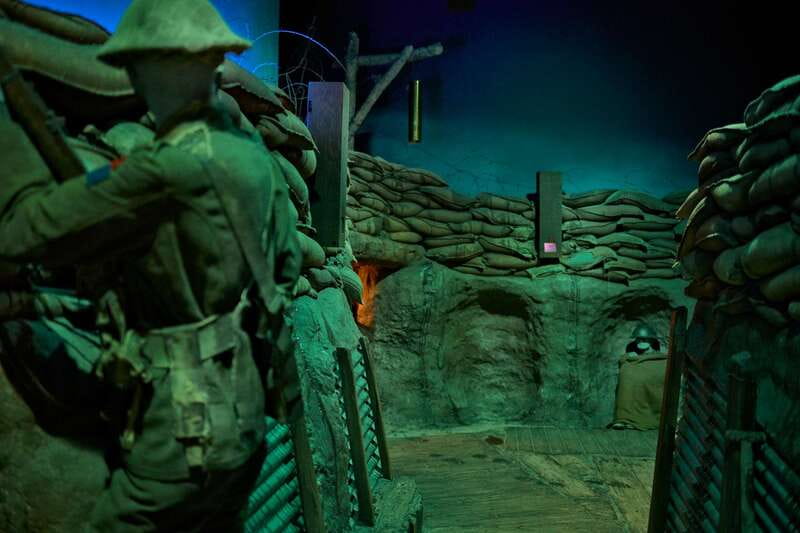
The museum is at 1 Vimy Place in Ottawa. You can reach it from downtown by walking, cycling, public transit, or car.
If you drive, remember that parking is not included. If you are already sightseeing in central Ottawa, walking, cycling, or public transit may keep the visit simpler and avoid an extra cost.
When you arrive, go directly to the exhibition access point. You do not need to visit the Museum Box Office first. That small detail saves time and prevents confusion at the entrance.
The museum is wheelchair accessible. Smoking, pets, and food and drinks are not allowed, although assistance dogs are permitted.
Admission is valid for one day. The booking also allows cancellation up to 24 hours in advance for a full refund, and a reserve-now, pay-later option can help if your Ottawa schedule is still changing.
Who will get the most from this museum?
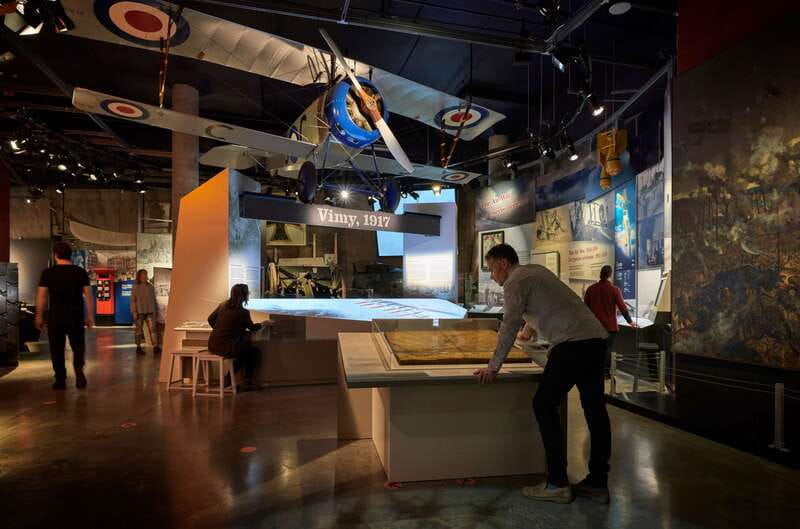
I would recommend the Canadian War Museum to anyone interested in Canadian history, military technology, architecture, public memorials, or personal stories of service.
Families can focus on the vehicles, interactive material, and memorable objects, then slow down for age-appropriate conversations about sacrifice and responsibility. Children may find the tanks and aircraft easiest to connect with, while older visitors may spend more time with the galleries about service and postwar life.
It also works well for visitors who know very little about Canada’s military past. The chronological layout gives you a clear route, and the museum does not require specialist knowledge to make sense of the displays.
You may want to choose another attraction if you dislike war museums or find military subjects emotionally difficult. The museum does not treat war as simple adventure. Its strongest sections ask you to think about loss, trauma, and the long effects of conflict.
Should you book the Canadian War Museum?
Yes, if you can give it at least two hours, and ideally half a day. The museum combines one of Ottawa’s most distinctive buildings with a serious, well-organized account of Canada’s military past.
Book it for the LeBreton Gallery if tanks and military vehicles are your main interest. Book it for Memorial Hall and the personal accounts if you want a quieter, more reflective visit. Give yourself extra time for special exhibitions and art, and compare the ticket price with direct admission before paying.
This is not a quick photo stop. It is a place to slow down, follow the story, and leave with a better sense of what military service has meant to Canada and to the people who lived through it.
FAQ
Where is the Canadian War Museum?
The museum is at 1 Vimy Place in Ottawa, Ontario, Canada.
How much does admission cost?
The listed price is $18 per person. Check the final price before booking, since direct admission may offer a different rate.
How long is the admission valid?
Admission is valid for one day.
What does the ticket include?
The ticket includes entry to the Canadian War Museum, permanent galleries, special exhibitions, a multilingual museum guide, and a self-serve coat check.
Do I need to visit the Museum Box Office when I arrive?
No. Go directly to the exhibition access point. You do not need to go to the Museum Box Office first.
Is the museum wheelchair accessible?
Yes, the Canadian War Museum is wheelchair accessible.
Are children admitted free?
From December 12, 2025, through January 15, 2026, children and youth aged 17 and under receive free general admission through the Canada Strong Pass initiative. Young adults aged 18 to 24 receive 50 percent off. Proof of age may be required.
Can I bring food, drinks, or pets?
Food and drinks are not allowed. Smoking and pets are also prohibited, but assistance dogs are allowed.
Just added around Ottawa
- Ottawa: Taste of the ByWard Market Food Tour★ 4.9 · 50 reviews
- Ottawa: Ecological Reserve Kayak Tour with Turtle Sightings★ 5.0 · 54 reviews
- Ottawa: Small Group Night Tour With River Cruise★ 4.2 · 54 reviews
- Ottawa: Small-Group Walking Tour with Boat Cruise★ 3.8 · 5 reviews
- Ottawa: Private Custom Tour with a Local Guide★ 4.5 · 42 reviews
- Ottawa: Private Parc Omega Wildlife Safari – Winter Magic★ 5.0 · 64 reviews
- Ottawa: Panoramic helicopter flight (Gatineau Park + downtown)★ 5.0 · 7 reviews
- Ottawa: Ottawa Senators Ice Hockey Game Ticket★ 4.7 · 30 reviews
Museums, compared.

Art Gallery of Ontario General Admission Ticket
Read our review →



Browse the lists this tour appears in