
Reviewed · MUSEUMS
Gatineau: Canadian Museum of History Admission
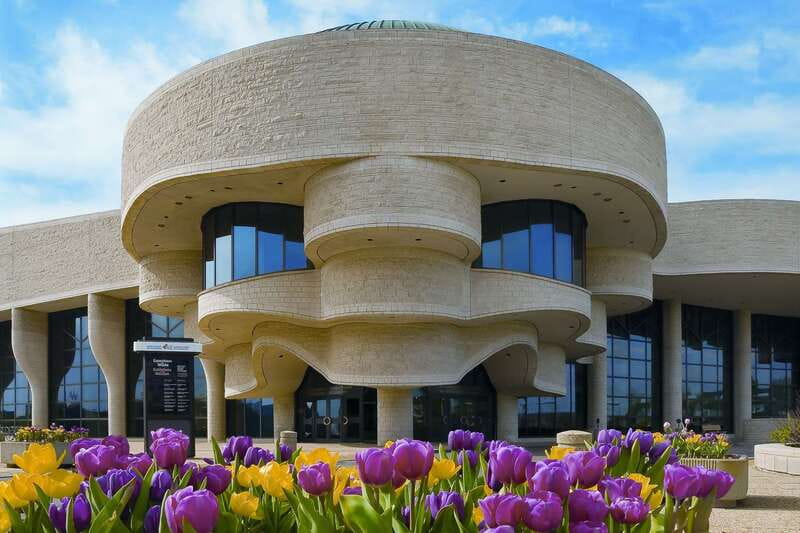
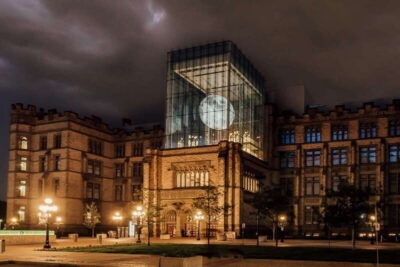
The Canadian Museum of History puts 15,000 years of Canadian stories under one remarkable roof, from Indigenous cultures and ancient artifacts to French and British colonies and modern Canada. Its riverfront building, designed by Indigenous architect Douglas Cardinal, is reason enough to slow down and look closely before you enter.
I like the huge collection of monumental totem poles and the Canadian History Hall, where 1,500 authentic objects give national events a human scale. I also like the freedom to visit at your own pace, with no guide, fixed route, or rushed group schedule. The main drawback is simple: four floors and several major galleries can feel like too much for a short visit, especially if you also want to see the children’s area, film program, and temporary exhibitions.
In This Review
- Key points to know before you go
- Why this museum deserves a place in your Ottawa plans
- Start with the Canadian History Hall
- The totem poles and Northwest Coast village
- Indigenous cultures are not treated as a brief opening chapter
- Four floors mean you need a plan
- Special exhibitions add a second reason to visit
- A useful stop for families
- Ciné+ makes the museum a full-day outing
- Getting there from Ottawa and handling the practical details
- Who will get the most from this admission
- Should you book the Canadian Museum of History?
- FAQ
- Where is the Canadian Museum of History?
- How much does admission cost?
- How long is the admission valid?
- What does the admission include?
- Is the museum open every day?
- Is the museum wheelchair accessible?
- Can children visit without an adult?
- What should I bring, and what is not allowed?
Key points to know before you go
- 15,000 years in one museum: Follow Canada’s story from early Indigenous cultures through colonial eras and into the modern nation.
- The world’s largest indoor totem pole collection: See monumental poles alongside six traditional Northwest Coast house fronts.
- Four floors of exhibitions: Give yourself a full day if you want more than a quick look at the main history gallery.
- A strong Indigenous focus: Explore Indigenous art, traditions, achievements, resilience, and history through several galleries.
- Family-friendly extras included: Admission also covers the Canadian Children’s Museum and Ciné+.
- Easy from Ottawa: Reach the museum from downtown by foot, bicycle, public transit, Aqua-Taxi in summer, or car.
Why this museum deserves a place in your Ottawa plans
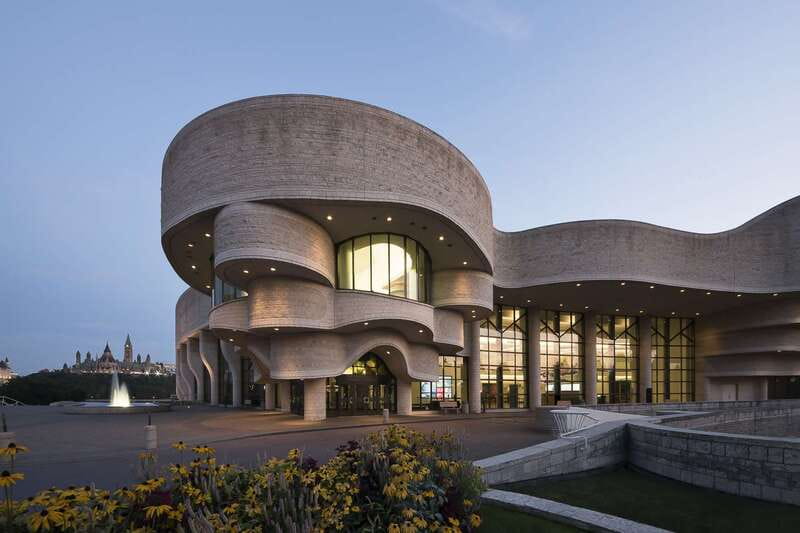
The Canadian Museum of History is in Gatineau, Quebec, directly across the Ottawa River from Parliament Hill. That location makes it an easy add-on to an Ottawa day, but I would not treat it as a quick stop between other sights. The museum covers enough ground to reward a deliberate visit.
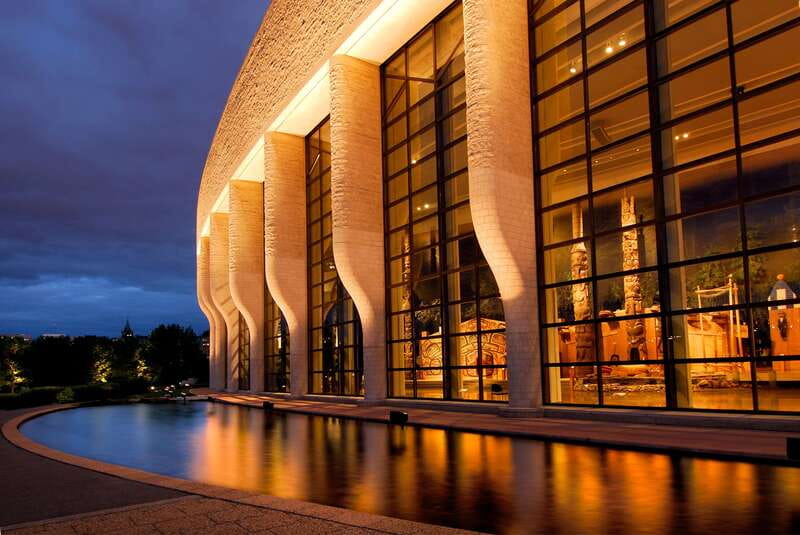
The building itself sets the tone. Douglas Cardinal’s design uses broad curves and flowing forms rather than the stiff geometry you might expect from a national institution. Inside, the scale feels open and dramatic, which helps the largest objects, especially the monumental poles, make a strong first impression.
You pay $20 per person for general admission. That is a fair price if you plan to spend several hours inside, since it includes the permanent galleries, special exhibitions, Canadian Children’s Museum, Ciné+, and the museum’s multilingual app. If you only have an hour or two, the value depends on your priorities. You can make a useful visit in two hours by focusing on the Canadian History Hall, but you will not see everything.
A few more Canada trips to weigh up
- Toronto: Royal Ontario Museum Admission Ticket
★ 4.6 · 1,237 reviews - Royal Ontario Museum Admission
★ 4.5 · 411 reviews - Toronto: Art Gallery of Ontario General Admission Ticket
★ 4.6 · 251 reviews
Start with the Canadian History Hall
The Canadian History Hall is the museum’s main chronological gallery. It covers 15,000 years of social history through personal stories and 1,500 authentic artifacts. That structure matters because Canada can be hard to explain as one simple story. The gallery gives you a route through major changes while leaving room for different voices and experiences.
You move from Indigenous societies and early cultures toward the arrival and growth of French and British colonies, then into the events and people that shaped modern Canada. The objects help keep the story grounded. Instead of viewing history as a list of dates, you encounter things made, used, carried, or preserved by real people.
I would begin here if you have limited time. A two-hour visit can work well when you stay focused on this gallery, as one French visitor did when time allowed a visit centered on Canadian history. You will still need to make choices, but the main story is clear enough to follow without seeing every room.
The gallery also asks you to face difficult parts of Canada’s past. The museum celebrates achievements, but it does not present the country as a flawless success story. Indigenous displacement, colonial power, and other painful chapters receive serious attention. That balance makes the museum more useful than a simple display of national pride.
The totem poles and Northwest Coast village
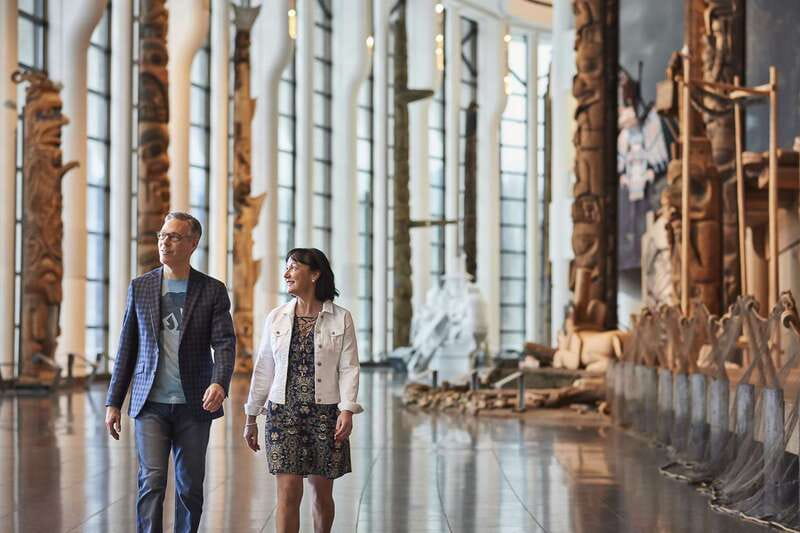
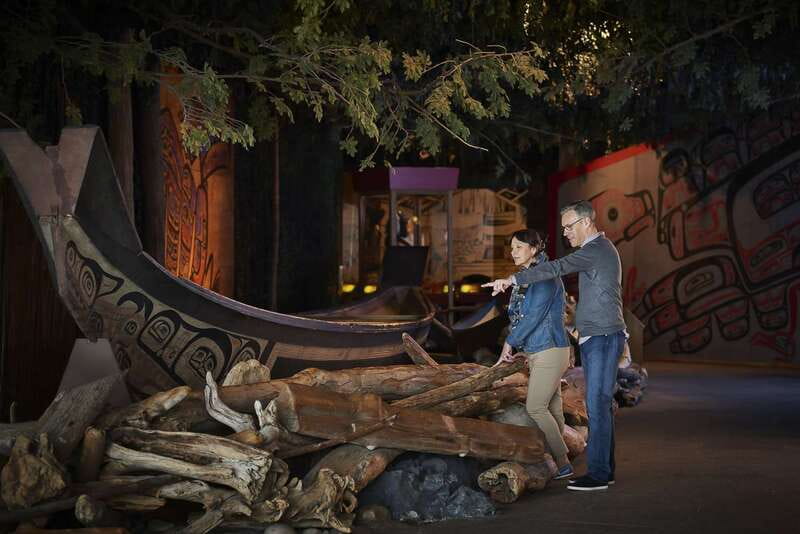
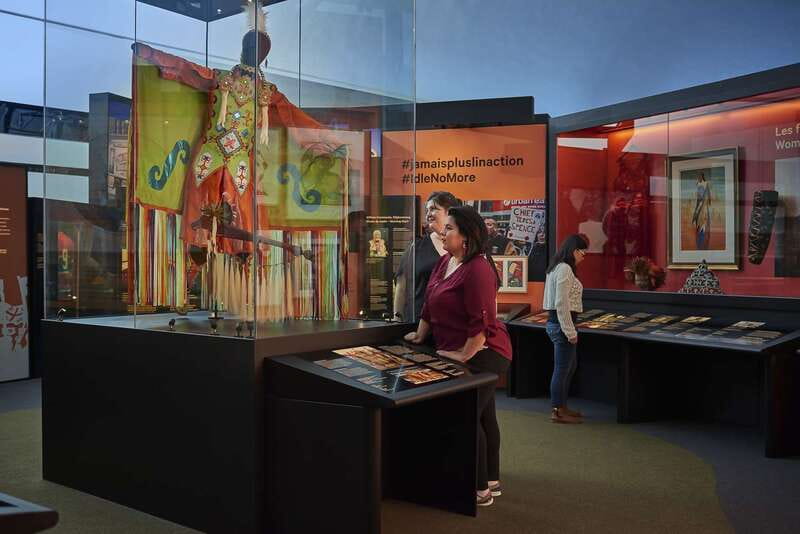
For many people, the most memorable part of the museum is the First Peoples Hall and the large indoor display of monumental poles. The collection is described as the world’s largest indoor presentation of its kind, and the scale is impressive even before you study the details.
Six traditional Native house fronts are arranged to suggest a 19th-century Northwest Coast village. This gives the objects a setting and a sense of community rather than treating each pole as an isolated sculpture. You can take in the overall arrangement first, then look for the smaller visual details and the cultural meaning explained in the gallery.
I would allow extra time here. The poles are easy to photograph and admire, but their real value comes from understanding that they are part of living Indigenous traditions, not just striking museum pieces. Contemporary Indigenous art appears alongside older cultural material, helping show that these cultures continue to develop today.
The museum works with Indigenous Peoples in presenting these galleries. That cooperation matters when the subject is identity, tradition, and historical harm. You should expect a presentation that includes resilience, achievements, and continuity, while also addressing the effects of colonial policies.
Indigenous cultures are not treated as a brief opening chapter
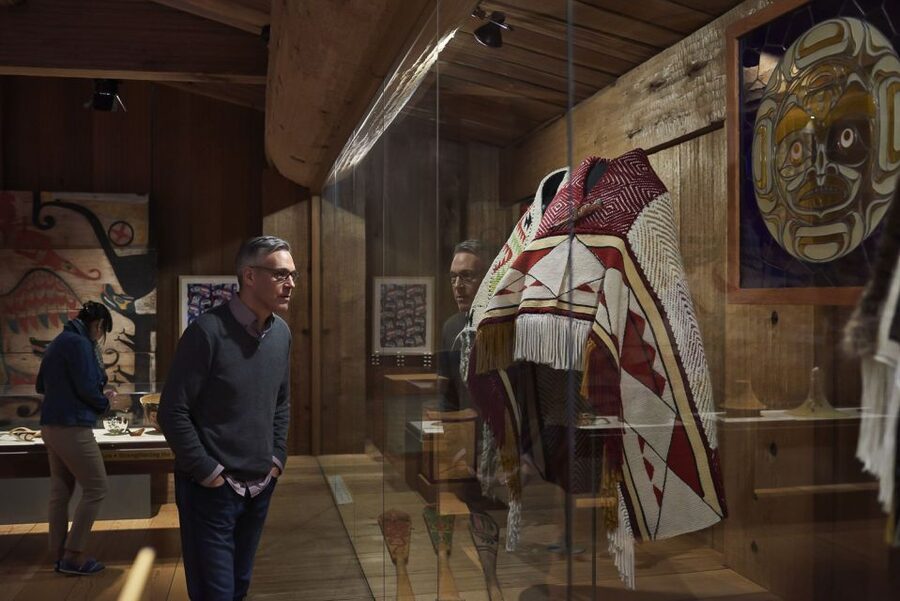
A common weakness in national museums is placing Indigenous history at the start and then moving quickly to European settlement. Here, Indigenous material receives sustained attention across galleries and exhibits.
You will find traditions, artistic work, cultural objects, and accounts of Indigenous achievements. The museum also presents contemporary works, which helps avoid the false idea that Indigenous cultures belong only to the distant past. The gallery arrangement lets you see both long-established traditions and present-day creative expression.
I especially value this approach because it changes how you read the rest of the museum. French and British colonial history is not presented as the beginning of Canada. Instead, it becomes one part of a much longer story, with Indigenous societies and knowledge at the center of the country’s past and present.
The material can be emotionally demanding. Some sections address loss, injustice, and the lasting effects of government policy. You may want to take breaks rather than rush from one display to the next. The museum is large enough to give you space for that.
Same province, a completely different day out:
- Vancouver Half-Day Whale Watching Adventure with Free Photos
★ 5.0 · 5,000 reviews - Quebec City Walking Tour
★ 5.0 · 4,716 reviews - Niagara Falls: Premium Tour, Boat & Journey Behind the Falls
★ 4.8 · 4,207 reviews - Banff: Banff Gondola Admission Ticket
★ 4.7 · 3,698 reviews
Four floors mean you need a plan
The exhibitions are spread across four floors. That gives the museum room to display large objects, detailed collections, and changing exhibitions, but it also creates a practical challenge. You can easily spend more time than planned moving between galleries and deciding what deserves your attention.
For a short visit, choose one main goal:
- Focus on the Canadian History Hall for the broad national story.
- Focus on Indigenous galleries and the monumental poles for art, culture, and history.
- Add the special exhibition if a temporary show is a major reason for your visit.
- Bring children to the Canadian Children’s Museum and allow time for hands-on play.
- Include Ciné+ if you want a large-format documentary as part of the day.
If you have most of the day, move at a slower pace and use the museum app. The multilingual Museum Guide app is available for download and can help you find your way through the displays. You will get more from the museum if you pause to read selected labels rather than trying to absorb every word.
Comfortable shoes are a sensible choice. This is a large building with several floors, and a full visit involves plenty of walking and standing. A complimentary coat check is included, which is helpful in cold weather and keeps bulky outerwear out of your way.
Special exhibitions add a second reason to visit
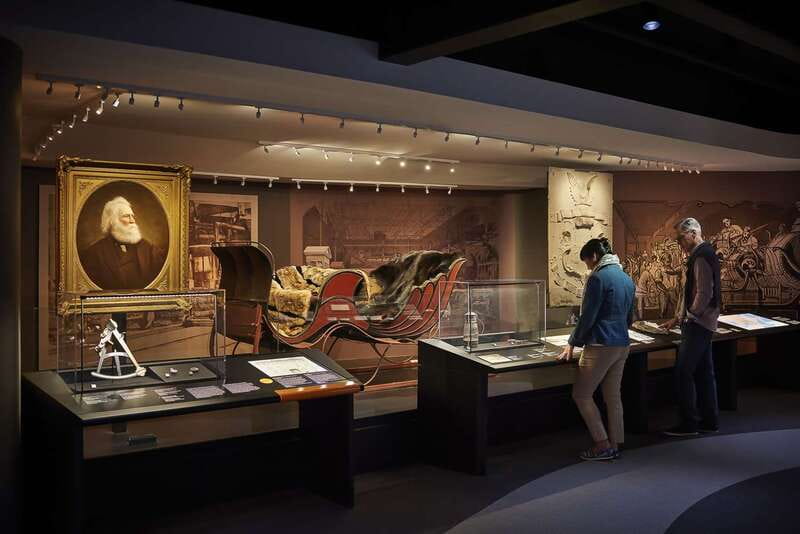
The permanent galleries provide the museum’s backbone, but special exhibitions can change the feel of your visit. The museum regularly presents major international exhibitions, often in partnership with well-known institutions. The exact subject depends on the date of your visit, so check what is showing before you book.
A special exhibition can be a good reason to return if you have already seen the Canadian History Hall. It can also make the $20 admission more worthwhile when you have a full afternoon available. The tradeoff is time. A temporary show may pull you away from the permanent galleries, so decide in advance if your priority is Canadian history or a particular visiting exhibition.
I like having both options under one admission. You can move from a focused international display to Canada’s broader story without buying a second ticket. Just remember that the museum may feel very different depending on which temporary show is running.
A useful stop for families
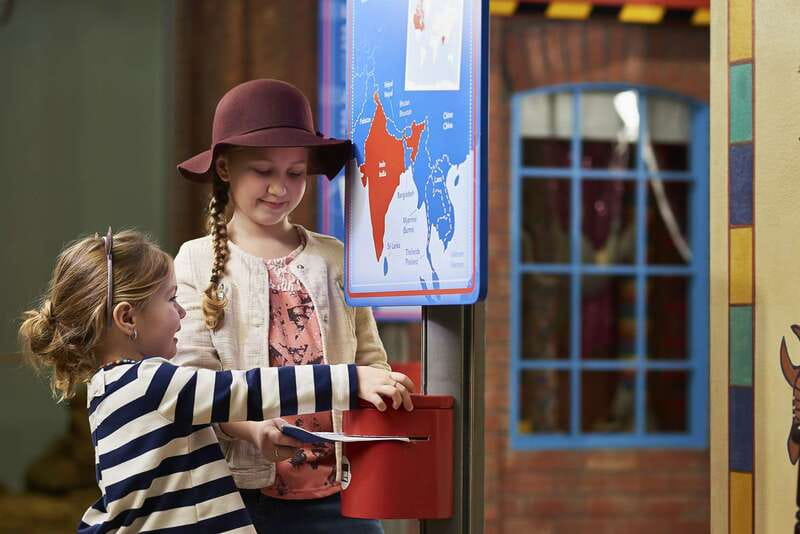
Admission includes the Canadian Children’s Museum, where children can explore the world through play. This makes the museum easier to manage for families who do not want a full day of quiet object viewing.
The Children’s Museum gives younger visitors a separate way to engage with cultures and places. You can use it as a break from the more serious historical galleries, or make it a main part of your family visit. Children under 12 need an adult escort, while children aged 12 and older may visit the museum by themselves.
The Canada Strong Pass also changes the price for some families during the stated summer period, from June 20 to September 2, 2025. Children and young people aged 17 and under receive free general admission, while young adults aged 18 to 24 receive 50 percent off. Proof of age may be requested, and the offer does not apply to group bookings, summer camps, or birthday parties.
Because those dates are specific, check that the pass applies to your visit. Outside that period, do not assume the same discounts are available.
Ciné+ makes the museum a full-day outing

Ciné+ is included with admission and presents large-format documentary films. The films offer a change of pace after several galleries, especially if you are traveling with children or need to sit down for a while.
Film schedules can affect how you plan the day, so check the current program when you arrive. Since exact showtimes are not provided here, I would not build a tight connection with another attraction around Ciné+. Treat it as a useful extra rather than the sole reason for your booking.
The combination of galleries, children’s activities, and film programming is one of the museum’s strongest practical features. You can shape the day around your group instead of forcing everyone through the same exhibits at the same speed.
Getting there from Ottawa and handling the practical details
The museum is at 100 Rue Laurier in Gatineau. From downtown Ottawa, you can reach it on foot, by bicycle, public transit, or the Aqua-Taxi in summer. Driving is also possible, with paid parking available on site.
The riverfront position makes the crossing part of the outing. You are not heading to an isolated suburban attraction. The museum sits near the center of the Ottawa and Gatineau sightseeing area, so it can fit into a day that includes Parliament Hill or other nearby stops.
Smoking, food, drinks, and pets are not allowed inside, although assistance dogs are permitted. Plan to eat before or after your visit, since food and drinks are not included. The museum is wheelchair accessible, and it is open seven days a week except Christmas Day.
The booking terms are flexible: you can cancel up to 24 hours in advance for a full refund, and the reserve-now, pay-later option lets you hold your plans without paying at once. That is useful if your Ottawa schedule depends on weather, transport, or a changing family timetable.
Who will get the most from this admission
I would recommend this museum to anyone who wants context rather than a quick collection of famous objects. It suits first-time visitors to Ottawa and Gatineau, families, history fans, and people interested in Indigenous cultures and art.
It is also a good choice for visitors who prefer self-guided sightseeing. There is no need to match a guide’s pace, and the app gives you added support in multiple languages. You can spend ten minutes with a display that catches your attention or move on when a section is not for you.
I would be more cautious if your schedule is packed. The museum is too large to combine comfortably with several major attractions in just a few hours. If you have only two hours, choose the Canadian History Hall and one Indigenous gallery. If you have a full day, the price becomes much easier to justify.
Should you book the Canadian Museum of History?
Yes, if you want one of the clearest ways to understand Canada’s long story in a single visit. The strongest reasons are the Canadian History Hall, the enormous collection of monumental poles, and the museum’s serious treatment of Indigenous cultures and difficult national chapters.
Book it when you can spare at least half a day, and arrive with one or two priorities rather than trying to see every label. Families should add the Children’s Museum, while film fans and repeat visitors should check Ciné+ and the current special exhibition schedule.
At $20, admission is good value for a substantial visit. It is less compelling as a rushed stop, but with time to explore, this museum gives you both memorable objects and a better framework for understanding the country you are visiting.
FAQ
Where is the Canadian Museum of History?
The museum is at 100 Rue Laurier in Gatineau, Quebec, across the river from Parliament Hill.
How much does admission cost?
General admission costs $20 per person.
How long is the admission valid?
Admission is valid for one day. Check availability for the starting times offered on your selected date.
What does the admission include?
It includes the Canadian Museum of History, permanent galleries, special exhibitions, the Canadian Children’s Museum, Ciné+, the multilingual Museum Guide app, and complimentary coat check.
Is the museum open every day?
The museum is open seven days a week and is closed on Christmas Day.
Is the museum wheelchair accessible?
Yes, the museum is wheelchair accessible.
Can children visit without an adult?
Children aged 12 and older can visit the museum by themselves. Children under 12 need an adult escort.
What should I bring, and what is not allowed?
Bring comfortable shoes. Smoking, food, drinks, and pets are not allowed, although assistance dogs are permitted. Parking is available on site for a fee.
Just added around Canada
- 2 Hour Banff Horseback Riding Adventure★ 4.0 · 145 reviews
- 1 Hour Spray River Ride★ 4.5 · 204 reviews
- Lake Minnewanka, Peyto Lake, Bow Lake , Icefields★ 4.5 · 63 reviews
- Along Icefields Parkway: Peyto Lake, Bow Lake & Columbia Icefield★ 4.0 · 19 reviews
- Moraine Lake Lake Louise Johnston Canyon Emerald Lake Day tour★ 5.0 · 4 reviews
- 3 Day Algonquin Park Canoe Trip – Moose & Beaver Safari★ 5.0 · 27 reviews
- 3 Hour Algonquin Park Bass & Trout Fishing (private- price is for 1 or 2 people)★ 5.0 · 5 reviews
- Discover the Lake Agnes Tea House Trail with an Audio Nature Tour★ 4.0 · 7 reviews
Museums, compared.
Art Gallery of Ontario General Admission Ticket
Read our review →



Browse the lists this tour appears in