
Reviewed · MUSEUMS
Canadian War Museum Admission
The Canadian War Museum tells the story of Canada at war through personal accounts, photographs, artifacts, and enormous military vehicles. You move from early conflicts to modern warfare, with the human cost of battle always close beside the hardware. Memorial Hall and the museum’s striking architecture give the visit a quiet, reflective side.
I like that you control the pace and can stay for a few hours or most of the day. I also like the mix of readable history panels, short videos, interactive displays, and real equipment, which gives families and serious history fans different ways to connect with the material. The main caution is timing: three hours is a sensible minimum, and late entry can leave you rushing before closing.
In This Review
- Key points to know before you go
- Why this museum is more than a display of weapons
- Arriving at the Canadian War Museum
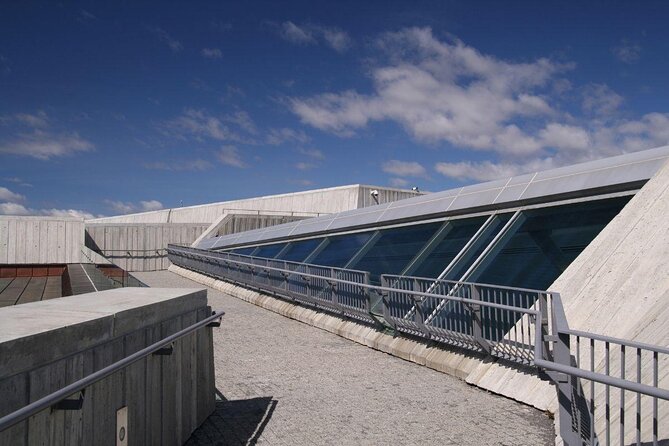
- The architecture sets the mood
- The permanent galleries: Canada’s wars in human terms
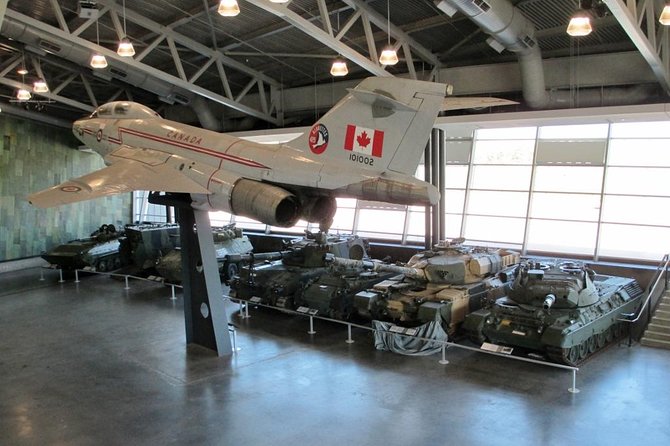
- LeBreton Gallery and the big machines
- The emotional side of the visit
- How much time should you allow?
- Guided tours and meeting a veteran
- Who will get the most from this admission?
- Booking, cancellation, and practical value
- Should you book the Canadian War Museum?
- FAQ
- How much does Canadian War Museum admission cost?
- How long does a visit usually take?
- What does the admission include?
- Are guided tours included?
- Is transportation included?
- Can I use a mobile ticket?
- What is the listed start time?
- Is the museum suitable for children?
- What is the cancellation policy?
Key points to know before you go
- Tanks and aircraft are a major draw: The LeBreton Gallery gives children and military enthusiasts a close look at large vehicles and equipment.
- The permanent galleries cover several conflicts: You’ll encounter stories connected to Canada’s wars, politics, military service, and changing national identity.
- Special exhibitions are included: Guided tours cost extra, but permanent and special exhibitions are part of admission.
- Plan around the closing time: A three-hour visit is realistic, and several people found that two hours was not enough to read and watch everything.
- Printing your ticket may save time: A mobile ticket is available, but the booking information advises printing ahead for faster admission.
- The museum is easy to fit into an Ottawa day: It is near public transportation, though getting there is your responsibility.
Why this museum is more than a display of weapons

Large military museums can become a parade of guns, uniforms, and machinery. This one uses those objects to ask harder questions: Why did Canada enter a conflict? What did service mean for ordinary people? What did families lose? How did war change the country?
That balance is the museum’s greatest strength. You’ll see medals, uniforms, weapons, surgical equipment, battle-damaged objects, and military vehicles. But you’ll also encounter photographs, artwork, first-person accounts, and short presentations that put those objects in human terms.
I especially like the way the museum connects military events to Canadian life. The story is not limited to generals and battle plans. It includes the people who served, the people who waited at home, and the communities affected by decisions made far away.
The tone is serious, as it should be. Children may be drawn first to the tanks and aircraft, while adults may spend more time with the written accounts and memorial areas. That makes it a good family visit, provided you are comfortable discussing war, loss, and political conflict with younger children.
A few more Ottawa trips to weigh up
- Ottawa: Canadian War Museum Admission
★ 4.7 · 232 reviews - Ottawa: Canadian Museum of Nature Admission
★ 4.6 · 226 reviews - Ottawa: National Gallery of Canada Admission
★ 4.7 · 9 reviews
Arriving at the Canadian War Museum
Admission costs $18.67 per person. For a national museum with permanent galleries, special exhibitions, military vehicles, and several hours of material, I consider that a fair price, especially if you take the time to see the building properly rather than making a quick circuit.
The experience is self-guided. You set the schedule, and there is no required group route or fixed departure to catch. The listed start time is 9:00 a.m., but this is an admission experience rather than a timed sightseeing tour with a guide leading you from stop to stop.
You receive confirmation at booking. A mobile ticket is available, yet printing the ticket ahead of time is suggested as a way to move through the admissions desk more quickly. That advice is worth taking if you have easy access to a printer. One practical complication is that a printed ticket can be hard to confirm if your printer is in another room or on another floor, so check that the page actually printed before leaving.
The museum is near public transportation, but transportation to and from the attraction is not included. Allow extra time if you are coming across downtown, especially during construction or road changes. One late arrival resulted from map information that did not reflect construction, so do not plan to arrive at the last minute.
The architecture sets the mood
The building is part of the experience. Its design has a symbolic theme, and you are encouraged to notice how the architecture relates to ideas of war, memory, and hope. This is not just a glass box filled with objects. The structure itself asks you to pause and think about what you are seeing.
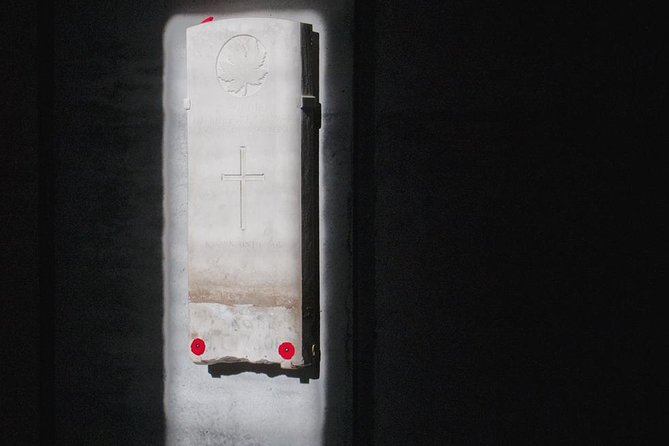
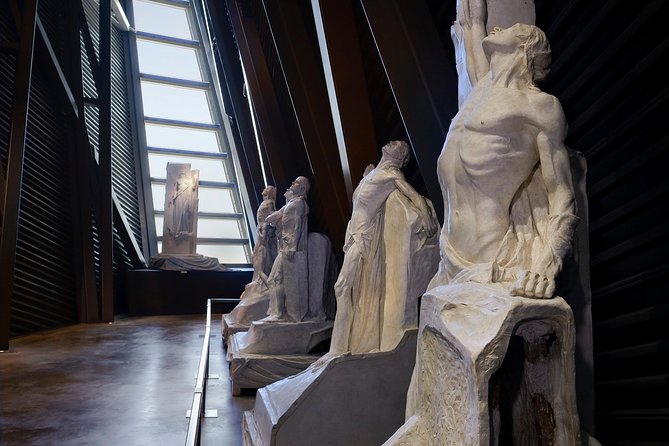
Memorial Hall offers one of the visit’s quietest moments. It is a place to rest and reflect after the heavier displays. You may find that this pause matters more than expected, particularly after reading about casualties, wartime suffering, and the long effects of conflict.
The building also helps break up the visit. A museum of this size can become tiring, especially for children or anyone who reads every panel. Rest areas make it easier to stay longer without turning the final galleries into a blur.
The permanent galleries: Canada’s wars in human terms
The permanent exhibitions cover the conflicts that shaped Canada, Canadians, and the wider world. The exact route can vary depending on exhibitions and museum arrangements, but you should expect a chronological and thematic look at Canada’s military past.
You’ll find information about uniforms, ranks, medals, weapons, military roles, and the equipment used in different eras. The labels are clearly written, which helps if you are not already familiar with Canadian military history. Photographs and short videos add useful context without forcing you to read every line.
The museum also pays attention to subjects that are often pushed to the side. The role of women in wartime is part of the story, including military service and work away from the front. Accounts of political decisions and their effects help show that war is never only a matter of battlefields.
The War of 1812 and the Plains of Abraham receive attention, as do the First and Second World Wars and more recent conflicts. One useful feature is the movement between broad national events and small personal details. A medal or piece of field equipment may explain one service member’s role, while a photograph can suggest what thousands of others experienced.
If you read carefully and watch the video shorts, plan on about three hours. Two hours may allow you to see the main objects, but it will not leave much time for reflection or detailed reading. Anyone who likes military history should consider giving the museum a half-day.
Same province, a completely different day out:
- Ottawa: Sightseeing River Cruise
★ 4.3 · 1,585 reviews - Ottawa: Rideau Canal Cruise
★ 4.4 · 1,303 reviews - Ottawa: Hop-On Hop-Off Guided City Tour Pass
★ 4.4 · 1,194 reviews - Ottawa Boat Cruise – Rideau Canal Cruise
★ 4.5 · 1,127 reviews
LeBreton Gallery and the big machines

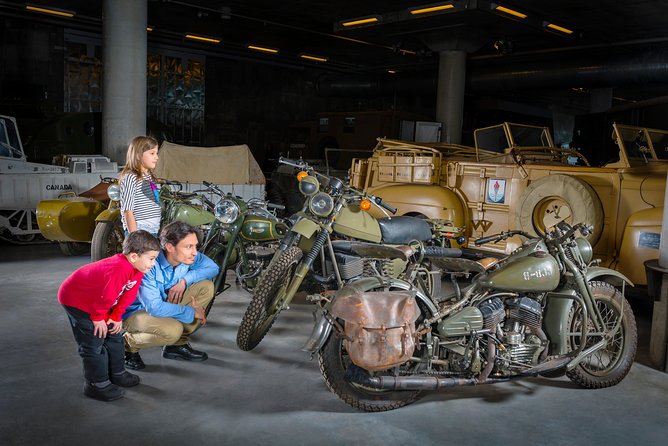
The LeBreton Gallery is the section most likely to win over children and anyone who enjoys engineering. Here you can see tanks, aircraft, vehicles, and other large pieces of military equipment up close.
The scale changes the experience. A photograph of a tank gives you a basic idea, but standing beside the vehicle lets you notice its size, thick surfaces, cramped design, and practical purpose. The same is true of aircraft and transport vehicles. These objects make military technology less abstract.
Several families found this section especially effective for keeping children engaged. A 10-year-old became absorbed by the vehicles, and grandparents described the tanks as the highlight for their grandsons. That does not mean the rest of the museum is aimed only at adults. It means the large objects provide a natural entry point before you move into the more demanding historical material.
You might also see battle-damaged equipment and unusual objects connected to wartime leaders. Adolf Hitler’s car is among the memorable displays noted by visitors. Such objects can attract attention, but the museum is at its best when you use them as starting points for questions about propaganda, power, technology, and destruction.
The machinery is not presented as simple entertainment. The displays remind you what these vehicles were built to do and what their use meant for people on the ground.
The emotional side of the visit
The museum’s strongest moments are often not the largest objects. Trenches, headstones, personal stories, and damaged equipment can be harder to forget than a tank.
The exhibition material brings the human cost of conflict into view without making the visit feel like a lecture. You can learn about campaigns and military planning, then come across a personal account that turns an event into a life story. That change in scale helps you understand why dates and battles still matter.
A special exhibition may add another layer. The included admission covers special exhibitions, although the content will change over time. One exhibition focused on the human toll of conflict on Canadian lives and encouraged visitors to remember the sacrifices behind the country’s present-day freedoms.
This is also where the museum’s message of hope and peace becomes clearest. The architecture, Memorial Hall, and personal stories create space for reflection rather than glorifying battle. You can admire the workmanship of a vehicle or uniform while still recognizing the suffering linked to it.
If you are visiting with children, use your judgment about how much detail to discuss. The museum is family-friendly in the practical sense, with engaging objects and helpful staff, but war is the subject. Younger children may remember the machines more than the history, while older children and teenagers may respond to the moral and political questions.
How much time should you allow?
The advertised visit lasts about three hours, and that is a useful planning figure. I would allow at least two hours for a brisk visit, three hours for a proper look, and longer if you read most labels or want to see every video and special exhibition.
A common mistake is booking a late afternoon entry while assuming the museum will remain open for a full three hours afterward. That is not safe. One visitor with a 3:00 p.m. admission found the building closing before the promised three-hour period had passed. Another reached most of the museum but missed some areas after discovering the closing time too late.
For the best experience, arrive early in your day. The listed start time is 9:00 a.m., and an early visit gives you room to read, pause, return to a favorite display, and spend time in Memorial Hall. It also protects you from road delays and the stress of trying to cover a large museum just before closing.
A practical route might look like this:
- Begin with the permanent galleries while your attention is fresh.
- Visit the large vehicles and aircraft in the LeBreton Gallery.
- Set aside time for special exhibitions.
- Finish with Memorial Hall and any sections you skipped.
- Leave time for the gift shop if you want books or souvenirs.
Do not treat the museum like a quick stop between Parliament Hill and another attraction. You can see the major highlights in a few hours, but the visit rewards patience.
Guided tours and meeting a veteran
Admission is self-guided, and guided tours are extra. That gives you flexibility, but it also means you are responsible for deciding how much background you want.
You may have the chance to speak with a veteran, which can give the history a direct human voice. Availability and timing are not specified, so do not build your entire visit around a personal conversation. Think of it as an added opportunity rather than a guaranteed appointment.
If you prefer a structured explanation, ask about guided options when you arrive. A guide can help connect the galleries and explain the architecture, military campaigns, and memorial spaces in a set sequence. If you prefer to stop often, reread labels, and follow your own interests, the regular admission works well.
Do not confuse this admission with a city bus tour. One supplied comment refers to a bus tour, but the Canadian War Museum admission itself does not include a guide or transportation around Ottawa.
Who will get the most from this admission?
I would recommend it to:
- Families with children who enjoy tanks, aircraft, and hands-on displays.
- Teenagers who respond to real equipment more than textbook history.
- Adults interested in military technology, Canadian politics, or social history.
- Visitors who want a thoughtful indoor attraction in Ottawa.
- Anyone willing to give the museum at least two or three hours.
It is a particularly good choice for a family with mixed interests. One person can focus on weapons and vehicles, another can read about women’s wartime roles, and someone else can spend time with photographs or memorial displays.
It may be less suitable if you only have a brief window before another fixed appointment. The museum contains too much material for a hurried visit, and late admission can lead to disappointment. It is also not the best pick if you want a light, purely entertaining attraction. The subject matter includes grief, oppression, sacrifice, and the consequences of political decisions.
Most visitors can participate, and service animals are allowed. The museum is near public transportation. Food and drinks are not included, so plan those separately rather than expecting the admission to cover a meal.
Booking, cancellation, and practical value
The experience is often booked about 21 days ahead, which suggests that advance planning is sensible during a busy Ottawa visit. The maximum group size is listed as 1,000, though this is a capacity limit rather than a promise that you will be placed in a huge group.
Free cancellation is available up to 24 hours before the local start time for a full refund. Changes or cancellations inside that 24-hour window are not accepted for a refund. The policy also says the experience requires good weather, and a weather cancellation offers a different date or a full refund.
For $18.67, the value depends on how you use the ticket. If you arrive late and have only 45 minutes, it is poor value. If you give the museum three hours and see both the permanent and special exhibitions, it is a reasonable admission for a substantial Ottawa attraction.
Check your ticket, route, and intended arrival time the day before. Print the ticket if convenient, but also keep the mobile confirmation available. That small bit of preparation can prevent a simple admissions problem from eating into your museum time.
Should you book the Canadian War Museum?
Yes, if you want more than a collection of military hardware. The museum combines machines, documents, photographs, personal stories, political history, and quiet memorial spaces in a way that suits both serious history fans and families.
Book it early in your Ottawa schedule, arrive with at least three hours available, and do not count on squeezing in every gallery during a late afternoon visit. The $18.67 price is worthwhile when you take time with the displays and special exhibitions.
Skip it only if your schedule allows less than two hours or if war museums are not your interest. For everyone else, this is one of Ottawa’s more meaningful indoor attractions, with enough variety to keep a family engaged and enough substance to reward a return visit.
FAQ
How much does Canadian War Museum admission cost?
Admission costs $18.67 per person.
How long does a visit usually take?
The visit is listed as approximately three hours. You can spend only a few hours or stay for most of the day, depending on your schedule and how closely you read the displays.
What does the admission include?
Admission includes the permanent exhibitions and special exhibitions.
Are guided tours included?
No. Guided tours are an additional expense.
Is transportation included?
No. Transportation to and from the Canadian War Museum is not included. The museum is near public transportation.
Can I use a mobile ticket?
Yes. The experience features a mobile ticket. Printing your ticket ahead of time is also advised to save time at the admissions desk.
What is the listed start time?
The listed start time is 9:00 a.m.
Is the museum suitable for children?
Most participants can take part, and families have found the tanks, aircraft, weapons, and interactive displays engaging for children. The subject matter includes war, loss, and human suffering, so parents should decide how much detail is suitable for their children.
What is the cancellation policy?
You can cancel up to 24 hours before the local start time for a full refund. Cancellations or changes made less than 24 hours before the start time are not refunded. If poor weather causes a cancellation, you will be offered another date or a full refund.
Just added around Ottawa
- Ottawa: Taste of the ByWard Market Food Tour★ 4.9 · 50 reviews
- Ottawa: Ecological Reserve Kayak Tour with Turtle Sightings★ 5.0 · 54 reviews
- Ottawa: Small Group Night Tour With River Cruise★ 4.2 · 54 reviews
- Ottawa: Small-Group Walking Tour with Boat Cruise★ 3.8 · 5 reviews
- Ottawa: Private Custom Tour with a Local Guide★ 4.5 · 42 reviews
- Ottawa: Private Parc Omega Wildlife Safari – Winter Magic★ 5.0 · 64 reviews
- Ottawa: Panoramic helicopter flight (Gatineau Park + downtown)★ 5.0 · 7 reviews
- Ottawa: Ottawa Senators Ice Hockey Game Ticket★ 4.7 · 30 reviews
Museums, compared.


Art Gallery of Ontario General Admission Ticket
Read our review →




Browse the lists this tour appears in