
Reviewed · WALKING & GHOST TOURS
Downtown Toronto: Walking tour experience. English/Spanish
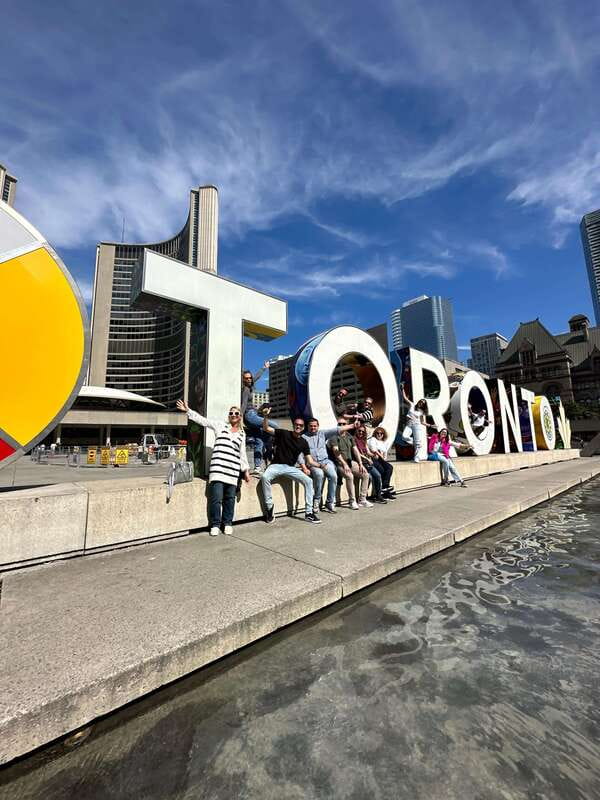
Toronto reveals itself best on foot, one neighborhood at a time. This private tour connects the old brick lanes of the Distillery District with food stalls at St. Lawrence Market, street art in Graffiti Alley, and the very different moods of Chinatown and Kensington Market.
I like the personal format, especially since Paul Campbell can adjust the route for your group. I also like the choice of English or Spanish and the chance to include Toronto Island when the ferry is running. The main drawback is that a 2 to 4 hour tour cannot give every stop equal time, and one past guest wanted more historical background.
In This Review
- Key points
- A private walk through Toronto’s many neighborhoods
- Starting with the Distillery District’s brick lanes
- Tasting Toronto at St. Lawrence Market
- Finding social commentary in Graffiti Alley
- Seeing Chinatown through food and daily life
- Taking in Kensington Market’s independent spirit
- Feeling the city’s pulse at Dundas Square
- Adding Toronto Island when the season allows
- How much history will you get?
- Duration, language, and group comfort
- Price, flexibility, and cancellation terms
- Who should book this Toronto walk?
- Should you book it?
- FAQ
- How long does the Toronto walking tour last?
- Is the tour private?
- Which languages are available?
- Is Toronto Island included?
- Is the tour wheelchair accessible?
- Are children charged the full price?
Key points
- A private route with Paul Campbell: The tour is designed for your group, so the pace and stops can shift to suit your interests.
- Toronto in many flavors: St. Lawrence Market, Chinatown, and Kensington Market show three distinct sides of the city.
- Old Toronto and new Toronto together: Victorian buildings in the Distillery District meet modern architecture and the bright signs of Dundas Square.
- Street art with a message: Graffiti Alley adds social commentary and local creativity to the route.
- Seasonal skyline views: A ferry trip to Toronto Island can bring beaches, greenery, and a fine view back toward downtown.
- Useful for mixed-mobility groups: Paul adjusted the tour for wheelchair users, and the activity is listed as wheelchair accessible.
A private walk through Toronto’s many neighborhoods
At $54 per person, this tour sits in the reasonable range for a private city walk, especially if you are sharing the guide with only your own party. You are paying for a live guide, a flexible route, and the convenience of moving through several central districts without piecing together the day yourself.
The value depends on how much of the suggested route you cover. A two-hour outing will need to move quickly, while four hours gives you more room for food stops, photos, questions, and a slower look at the neighborhoods. The ferry to Toronto Island is seasonal, so you should treat that as an optional part of the plan rather than a guaranteed stop.
The tour has a 4.5 rating from 20 reviews, with especially strong praise for Paul’s friendly manner and flexibility. A few people describe him as attentive and easy to spend several hours with, which matters on a private walk. You are not joining a large group with a fixed script. You can ask to linger, change the emphasis, or shape the route around your interests.
More Walking & Ghost Tours in Toronto
- Show me the City! A Small Group Walking Tour of Toronto
★ 5.0 · 621 reviews - Toronto Distillery District Walking Tour
★ 5.0 · 327 reviews - Toronto: City Highlights Walking Tour | 3-Hour
★ 4.6 · 306 reviews
Starting with the Distillery District’s brick lanes
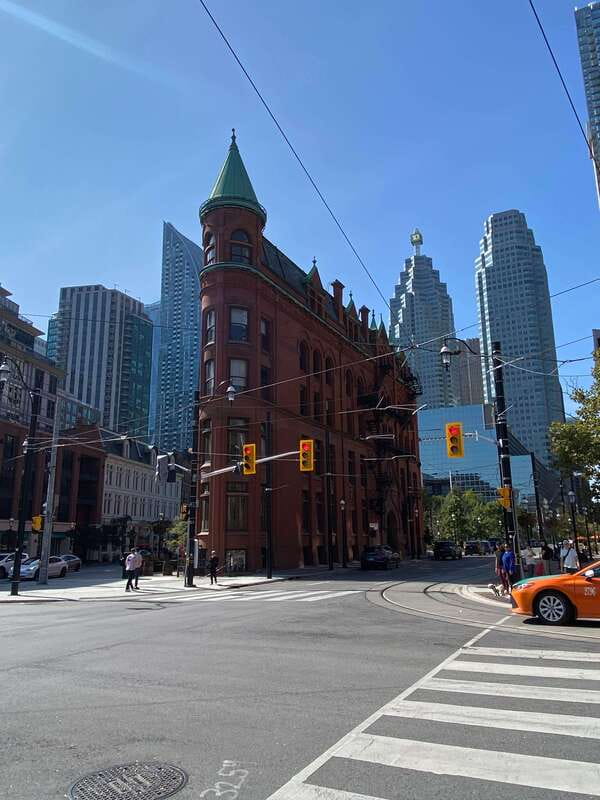
The Distillery District is a good opening because it gives you a sense of Toronto’s older character before the route moves into its more modern and street-focused areas. Cobblestone streets and Victorian-era buildings create a very different feel from the glass towers elsewhere downtown.
The district’s appeal is visual and atmospheric. You can expect brick walls, old industrial forms, and carefully preserved architecture that gives the area a strong sense of place. It is also an easy setting for a guide to explain how Toronto’s past still fits beside its newer identity.
I would pay attention to the contrast here rather than treating the district as just a pretty photo stop. The point is to see how an older commercial quarter has become part of present-day Toronto. The supplied information does not promise a long architectural lecture, and one person specifically wanted more historical context, so ask Paul questions if you want dates, background, and stories.
This is also a place where your time matters. If the tour is only two hours, you may get a brisk look before moving on. With four hours, you have a better chance to enjoy the details without making the entire walk feel rushed.
Tasting Toronto at St. Lawrence Market
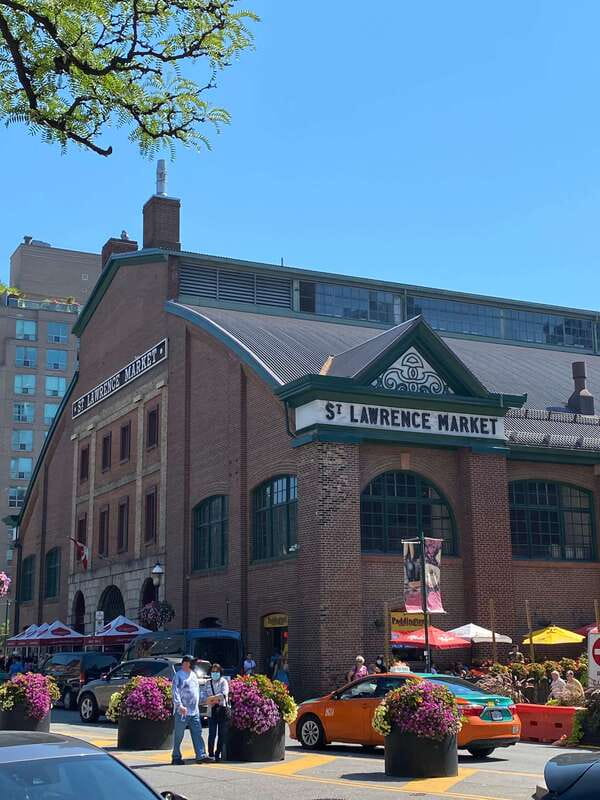
St. Lawrence Market is one of the tour’s strongest stops for anyone who likes to understand a city through food. It is described as Toronto’s culinary center and as North America’s largest market, with food, community, and local culture all in one place.
You can expect a busy indoor market setting with many kinds of food and plenty to look at. The experience is not simply about checking off a famous building. It shows how Toronto’s many communities meet around everyday eating, shopping, and conversation.
I like this stop because it gives the tour a practical, human scale. Architecture tells you how a city was built, but a market shows you how people use it. If you have not planned a separate food tour, St. Lawrence Market can help you decide what to eat later in your stay.
Do not assume the market itself replaces a meal. The activity includes the walking tour and a good time in the city, but no specific food tastings are listed as included. You may find things to sample or buy, but budget separately for anything you choose to eat.
Finding social commentary in Graffiti Alley
Graffiti Alley shifts the tone. Here, walls become the main attraction, covered with colorful street art that carries creative work and social messages. It is a useful reminder that Toronto’s character is not limited to grand buildings or official sights.
I would give this stop a little time instead of racing through for a few photographs. Look at how the artwork changes from wall to wall, and ask Paul about the ideas or local context behind what you see. The supplied details do not identify particular artists or promise a formal art talk, so the depth of the explanation may depend on your questions and the time available.
For many people, this will be one of the more memorable parts of the walk because it feels immediate and contemporary. It also balances the polished feel of the Distillery District. Toronto can present its past in preserved brick, then express its present through public art only a short distance later.
Same province, a completely different day out:
- Toronto: Niagara Falls Day Tour with Optional Boat Cruise
★ 4.6 · 3,178 reviews - Niagara Falls Day Tour from Toronto
★ 5.0 · 2,889 reviews - Toronto: Casa Loma Entry Ticket
★ 4.7 · 2,705 reviews - Niagara Falls Canada Day Tour From Toronto + Boat Cruise Option
★ 5.0 · 2,576 reviews
Seeing Chinatown through food and daily life
Chinatown brings another distinct side of Toronto into the route. It is presented as a lively area with authentic cuisine, markets, and long-standing traditions. The value here is not only in the signs and storefronts, but in seeing how a neighborhood adds its own rhythm and identity to the larger city.
You can use this part of the tour to compare Toronto’s different food districts. St. Lawrence Market offers a broad market experience, while Chinatown gives you a neighborhood setting shaped by specific cultural traditions and businesses.
The walk may be especially useful early in your visit. If you are unsure where to eat, Paul’s recommendations can help you make better choices later. The activity promises good recommendations, but it does not name particular restaurants or include a meal, so do not book it expecting a guided tasting menu.
Chinatown also helps explain why a downtown walk can feel like several city visits in one. You are not only looking at monuments. You are moving through places where food, commerce, language, and tradition shape the street.
Taking in Kensington Market’s independent spirit
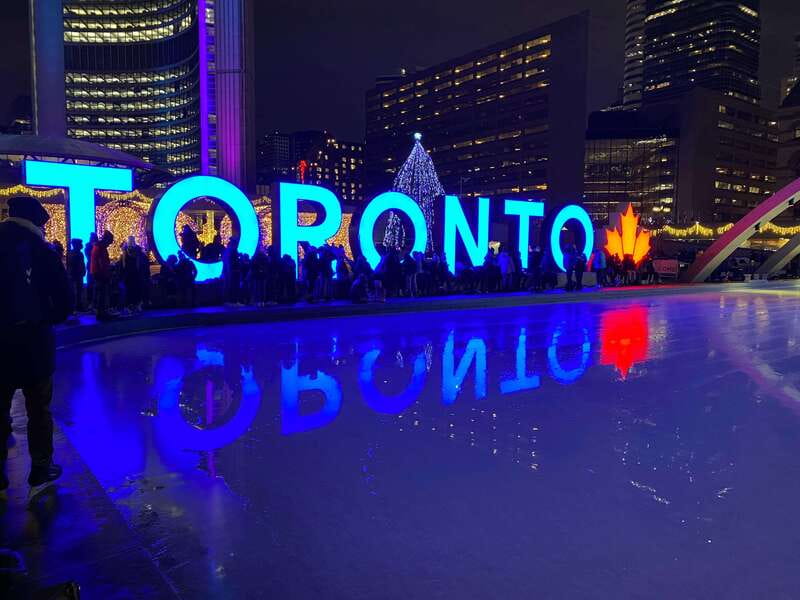
Kensington Market offers yet another change of mood. Indie shops, small cafes, different cultural influences, and street performers give the area a more bohemian feel. It is less about one major sight and more about the mix of small details that make a neighborhood worth wandering.
I would expect this stop to reward curiosity. You might find unusual storefronts, changing street scenes, and a less formal atmosphere than at the Distillery District. The exact route through Kensington Market is not provided, so Paul’s flexibility is useful here. You can tell him what interests you and let the pace reflect that.
This is also a good place to notice the difference between a guided walk and a list of map pins. A map can show you where Kensington Market is, but a guide can point out what deserves your attention and suggest places to return to. That is one of the clearest benefits of booking a private tour.
Still, the area’s appeal is partly its unpredictability. If you prefer a tightly scheduled tour with a long explanation at every stop, this may feel informal. If you like browsing and getting a feel for local streets, it should fit well.
Feeling the city’s pulse at Dundas Square
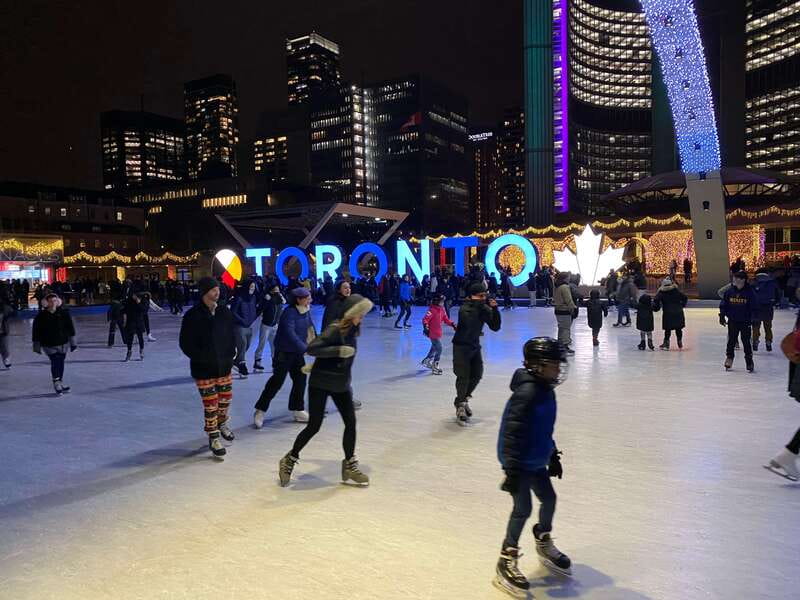
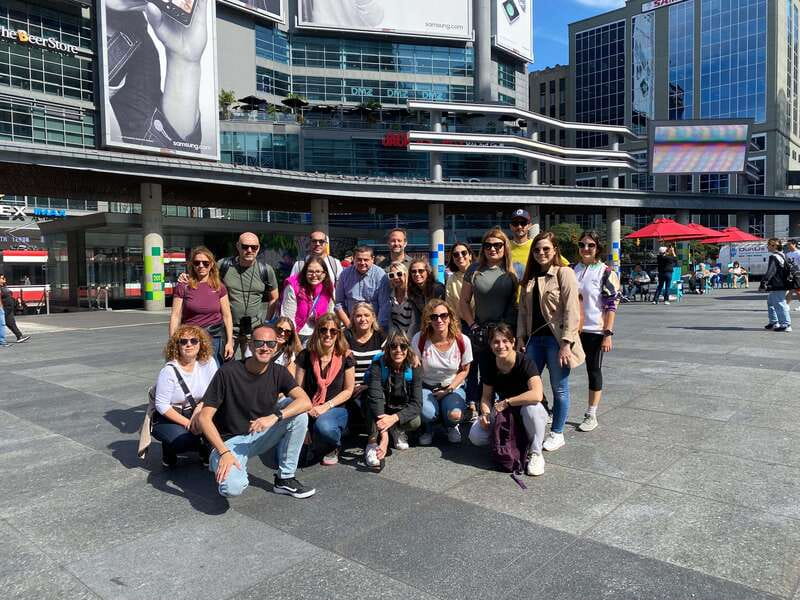
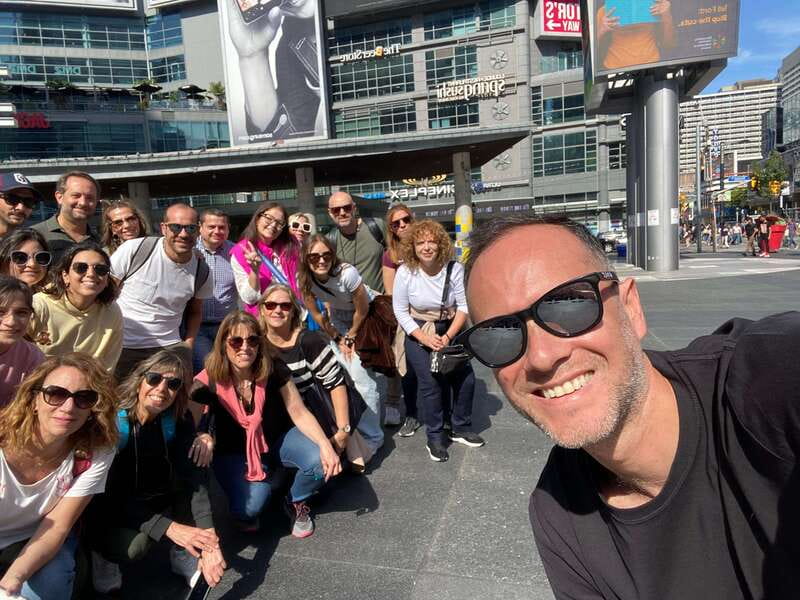
Dundas Square is the tour’s most overtly urban stop. Bright lights, entertainment, and the movement of downtown meet at this major intersection, giving you a sharp contrast with the quieter brick lanes of the Distillery District.
This is Toronto presented as modern, energetic, and visually loud. The square helps show how the city’s current identity is tied to advertising, public gatherings, shopping, and constant movement.
I would not expect a long, restful stop here. Dundas Square is better for taking in the scale and contrast of downtown than for quiet reflection. It works well as a brief point on the route, especially if you want to understand Toronto beyond its older neighborhoods.
The tour’s broader theme becomes clear here: Toronto is a city where preserved buildings, immigrant communities, independent businesses, street art, and modern public spaces all sit close together. Dundas Square gives the walk its strongest dose of present-day city energy.
Adding Toronto Island when the season allows
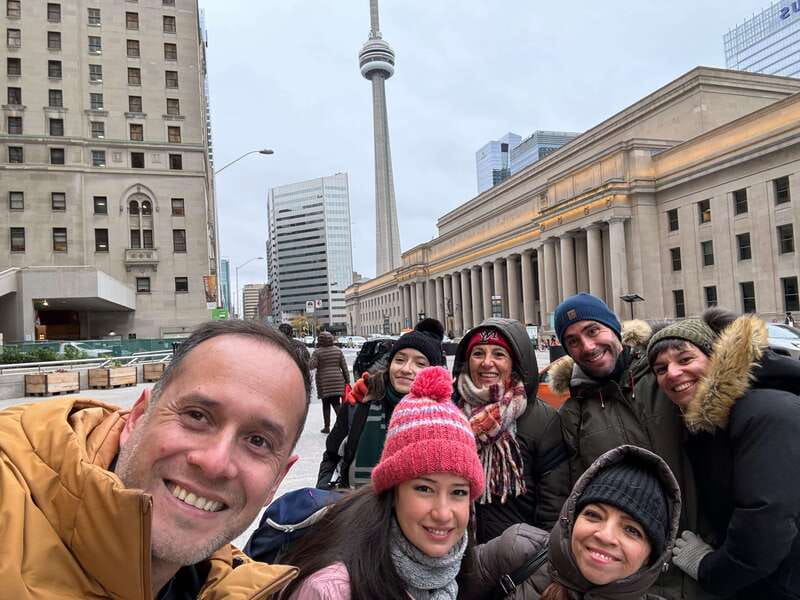
Toronto Island offers the calmest setting on the suggested route. A seasonal ferry ride takes you away from downtown streets toward beaches, open greenery, and views back at the skyline.
This can be a fine way to end the experience because you see Toronto from a distance after spending hours inside its neighborhoods. The skyline view helps connect the separate stops into one picture. You have seen the city at street level, then look back at the shape it makes across the water.
The word seasonal matters. The island portion is not available all year, and the provided details do not give a ferry schedule or guarantee that it will fit within every tour. Ask about current availability when you book, especially if the island is one of your main reasons for choosing this experience.
Time is another consideration. A ferry trip takes more than a quick photo stop, so including Toronto Island may mean giving less time to Chinatown, Kensington Market, or the Distillery District. On a four-hour outing, the choice may be more practical than on a two-hour walk. Paul’s private format should make it easier to discuss the tradeoff.
How much history will you get?

The tour covers places with plenty of historical and cultural material, but the experience appears strongest as a broad introduction to Toronto rather than a formal history course. One person felt the guide could have added more historical background, while the other comments focus on Paul’s friendly manner, attention, and flexibility.
That difference is useful to know before booking. If you want a detailed account of Toronto’s political history, architecture, or immigration patterns, tell Paul in advance and ask him to give that emphasis. If you mainly want a well-paced orientation with recommendations and a range of neighborhoods, the format should suit you better.
I like that the route connects history to daily life. The Distillery District gives you older architecture. St. Lawrence Market shows food and community. Chinatown and Kensington Market bring cultural variety into view. Graffiti Alley reflects current creative expression, while Dundas Square shows the city’s modern face.
The guide’s personal role is important here. Two private groups specifically praised Paul’s willingness to adapt the experience, and one wheelchair user said he adjusted the route to accommodate them. That suggests you should speak up about pace, mobility, and interests rather than simply accepting a fixed plan.
Duration, language, and group comfort
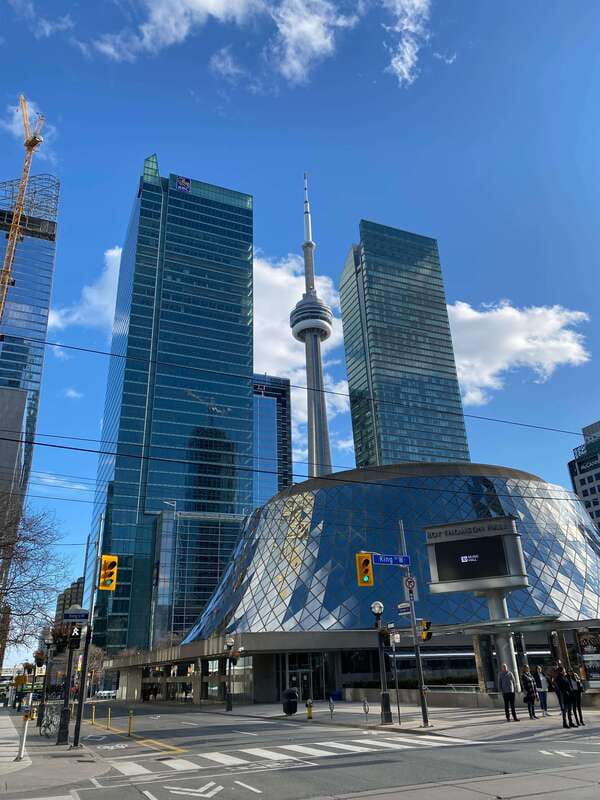
The stated duration is two to four hours, with starting times available according to the date you choose. That broad range gives the experience some flexibility, but it also means you should confirm what you want covered before setting out.
For a compact introduction, two hours may work well if you focus on a few downtown highlights. To include several neighborhoods plus Toronto Island, you will need the longer end of the range, and even then the stops may be brief. A private group makes this easier because you can choose depth over coverage.
The guide speaks English and Spanish. That is valuable for Spanish-speaking visitors who want to ask questions freely and receive recommendations in their strongest language. It also works well for mixed-language groups, though you should confirm how you want the tour handled when booking.
The activity is wheelchair accessible. One review gives this a practical test rather than leaving it as a simple label: Paul adapted the tour for wheelchair users. Downtown routes can still involve changing surfaces and busy streets, so discuss your needs before the walk and ask which stops can receive the most comfortable access.
Children under 12 are free, which improves the price for families. The route includes food, street art, public spaces, and changing neighborhoods, so it may hold a child’s attention better than a long museum lecture. The exact pace and content remain flexible, allowing you to keep the walk manageable for your group.
Price, flexibility, and cancellation terms
At $54 per person, the price makes the most sense for a private group that values personal attention. A solo visitor pays more for that privacy, while a couple or family can spread the cost across the group. Children under 12 are free, which can make the total more appealing for families.
You are not paying for admissions or a listed meal. You are paying for a guide, a flexible walking route, local recommendations, and the work of connecting several parts of downtown into one outing. If you would otherwise spend time researching neighborhoods and planning transport between them, the price can be fair.
The booking terms are friendly to changing plans. You can reserve now and pay later, and cancellation is free up to 24 hours in advance for a full refund. Those terms are useful if your Toronto schedule depends on weather, ferry operation, or a changing arrival time.
Who should book this Toronto walk?
I would choose this tour if you want a private orientation at the beginning of your stay. Paul can help you understand the city’s layout, point you toward food and neighborhoods, and adjust the route once he learns what you enjoy.
It is also a good match for couples, families, Spanish-speaking groups, and visitors who do not want to keep up with a large party. Wheelchair users may appreciate the proven flexibility, but it is still wise to explain access needs before the tour.
I would be more cautious if your priority is a strict historical tour with detailed dates and architecture commentary. The route offers many chances for history, but the available feedback suggests that you may need to ask for more of it. I would also avoid expecting every listed neighborhood plus Toronto Island in a short two-hour session.
Should you book it?
Book this walk if you want to see Toronto as a collection of real neighborhoods rather than a short list of landmarks. The combination of the Distillery District, St. Lawrence Market, Graffiti Alley, Chinatown, Kensington Market, and Dundas Square gives you a broad first look at the city, while Toronto Island adds a seasonal change of pace.
The strongest reason to book is Paul Campbell’s personal approach. His flexibility, friendly manner, and willingness to adjust for wheelchair users are useful qualities on a private city walk. Before paying, tell him which matters most to you: food, street art, history, architecture, local recommendations, or the island.
Choose the four-hour option if you want a relaxed route with several stops. Choose the shorter format only if you are happy with a brisk overview. With the right expectations, this is a practical way to get your bearings and find the parts of Toronto you will want to revisit on your own.
FAQ
How long does the Toronto walking tour last?
The tour lasts between 2 and 4 hours. Starting times depend on availability.
Is the tour private?
Yes. The activity is offered as a private group experience, so the route can be adjusted to your group’s interests and pace.
Which languages are available?
The live guide speaks English and Spanish.
Is Toronto Island included?
Toronto Island is a seasonal part of the suggested itinerary. Availability depends on the season and ferry operation, so confirm this when booking.
Is the tour wheelchair accessible?
Yes. The activity is listed as wheelchair accessible, and Paul has adapted the route to accommodate wheelchair users.
Are children charged the full price?
Children under 12 are free. The listed price for other participants is $54 per person.
More Walking Tours in Toronto
- Old Town Toronto Highlights 3 Hour Walking Tour | Gratuity-Based
★ 4.5 · 290 reviews - Toronto: Dark History Nighttime Walking Tour
★ 4.7 · 273 reviews - Toronto: Distillery District Historic Walking Tour
★ 4.8 · 267 reviews - Toronto: City Walking Tour
★ 4.9 · 185 reviews
Just added around Toronto
- Toronto: Winter Niagara Falls Tour with Attractions Package★ 4.7 · 43 reviews
- Toronto Waterfront and Islands Guided Bicycle Tour★ 4.9 · 80 reviews
- Toronto: Toronto Raptors NBA Game Ticket at Scotiabank Arena★ 4.6 · 88 reviews
- Toronto: Toronto Zoo Entry Ticket★ 4.1 · 68 reviews
- Toronto: Toronto Maple Leafs Game Ticket at Scotiabank Arena★ 4.6 · 43 reviews
- Toronto: Craft Brewery Tour★ 5.0 · 8 reviews
- Toronto: Must Do NonTouristy Street Art Tour by local Artist★ 4.9 · 30 reviews
- Toronto: Splendours of Niagara Falls Small Group Tour w/Boat★ 4.8 · 5 reviews
Walking & Ghost Tours, compared.

Old Quebec City: Grand Walking Tour with Private Option
Read our review →
The Original Old Montréal Walking Tour by Guidatour
Read our review →
Old Montreal Small-Group Walking Tour | Max 10 | by MTL Detours
Read our review →
Old Quebec Classique Walking Tour with Funicular
Read our review →
Old Quebec City Food Tour with 10+ Autentic Local Tastings
Read our review →

Browse the lists this tour appears in