

Reviewed · MUSEUMS
Exporail, the Canadian Railway Museum
Exporail brings Canada’s railway past to life with historic locomotives, streetcars, passenger cars, and cabooses that you can see up close and, in many cases, enter. The museum is just outside Montreal, but it feels far removed from city traffic and modern trains.
I like the way the exhibits connect machines with people, from the teacher in a school car to the railroad worker who lived and worked in a caboose. I also like the freedom to add a tram, passenger train, or miniature railway ride. The main drawback is that some of the visit takes place outdoors, so a rainy or very cold day can make the one-hour visit less comfortable.
In This Review
- Key points to know before you go
- Why Exporail feels like a living museum
- Start with the tunnel and its 400 artifacts
- Board the locomotives, streetcars, and passenger cars
- Meet the people behind the machines
- Add a ride if the schedule works
- Plan for indoor and outdoor walking
- Is one hour enough for Exporail?
- The $17 ticket and what it includes
- Who will enjoy Exporail most?
- A practical visit plan
- Should you book Exporail?
- FAQ
- Where is Exporail located?
- How much does admission cost?
- How long does the visit last?
- What does the ticket include?
- Are guided tours available?
- Which languages are available?
- Is Exporail wheelchair accessible?
- Can I bring food or a pet?
Key points to know before you go
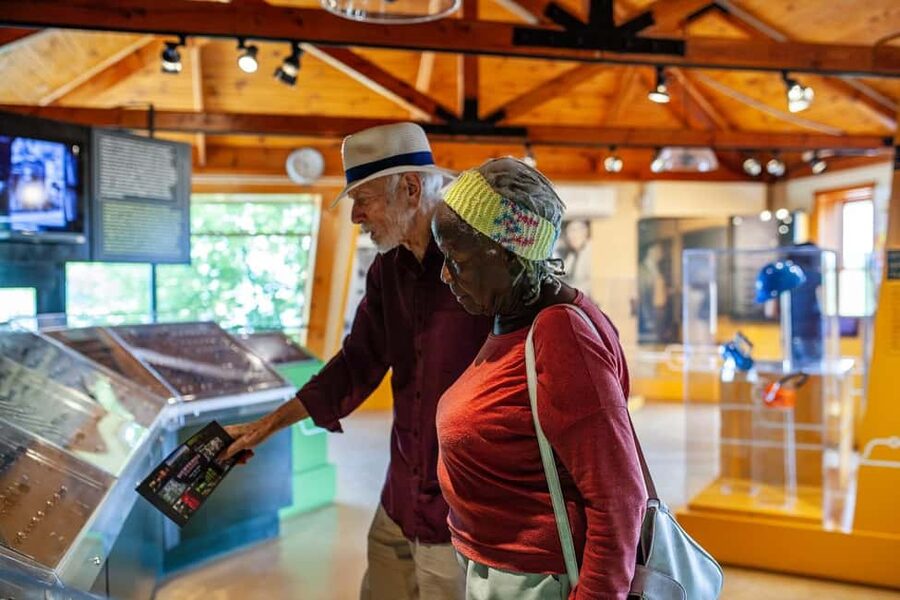
- More than 400 artifacts fill the entry tunnel, giving you a quick visual introduction before you reach the larger railway collection.
- You can board historic vehicles, including streetcars, passenger cars, steam locomotives, and a caboose.
- Eight exhibitions are included with admission, though the exact displays depend on the season.
- Optional train and tram rides cost extra, and they run according to the day’s schedule.
- Weekend guided tours are offered in French and English, with details provided at reception.
- Bring comfortable, closed-toe shoes, since the visit includes walking outdoors between parts of the museum.
Why Exporail feels like a living museum
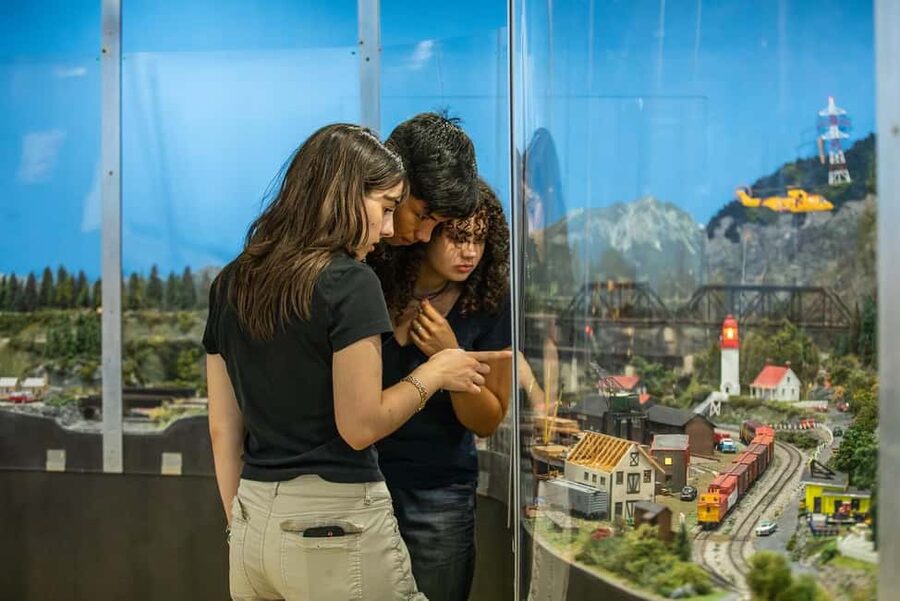
Many transport museums place old vehicles behind ropes and ask you to admire them from a distance. Exporail gives you more contact with the collection. You can climb aboard selected vehicles and see the spaces where passengers, teachers, conductors, and railway workers once spent their days.
That difference matters. A locomotive can look impressive from a platform, but stepping inside a passenger car or caboose helps you understand how railway travel worked. You begin to notice the practical details: where people sat, how workers operated, and how much daily life depended on the railway.
The museum also presents the railway as more than a collection of engines. Its exhibitions trace how rail transport helped shape Canadian society. That makes the visit useful for families and first-time railway enthusiasts, but it should also appeal to adults who want a clearer picture of how communities and industries developed around the tracks.
The phrase living museum fits because the experience is not limited to display cases. Historic vehicles, hands-on settings, optional rides, and themed presentations give the collection a working sense of place. Nothing here depends on flashy effects. The appeal comes from the machines, the objects, and the human stories tied to them.
A few more Montreal trips to weigh up
- Niagara Parks: Power Pass + Falls Incline Railway
★ 4.7 · 164 reviews - Bicyle Tour on Historical Kettle Valley Railway from Myra Canyon to Penticton
★ 5.0 · 62 reviews - Whistler Train Wreck, Suspension Bridge & Hidden Waterfall Adventure
★ 5.0 · 24 reviews
Start with the tunnel and its 400 artifacts
Your visit begins at the main entrance, currently at P1 near the railroad tracks crossing St. Pierre Street. Access through P2 is closed, so follow the current signs and allow a little time to find the correct entrance.
The entry tunnel contains more than 400 artifacts. It is a useful first stop because it gives you a broad look at railway life before you tackle the larger vehicles and exhibitions. You might find small objects that explain the work of railway staff, the tools they used, and the systems that supported train travel.
This section is especially helpful if you do not already know much about railways. Large locomotives attract the eye, but small artifacts often explain how the railway actually functioned. Give yourself time to look beyond the biggest objects. The tunnel helps turn a collection of old equipment into a story about work, travel, communication, and daily routines.
Because Exporail presents several exhibitions at once, the tunnel also helps you get your bearings. The full museum includes eight exhibitions, with the displays changing according to the season. A one-hour visit can cover the main areas, but you will need to keep moving if you want to see everything in detail.
Board the locomotives, streetcars, and passenger cars
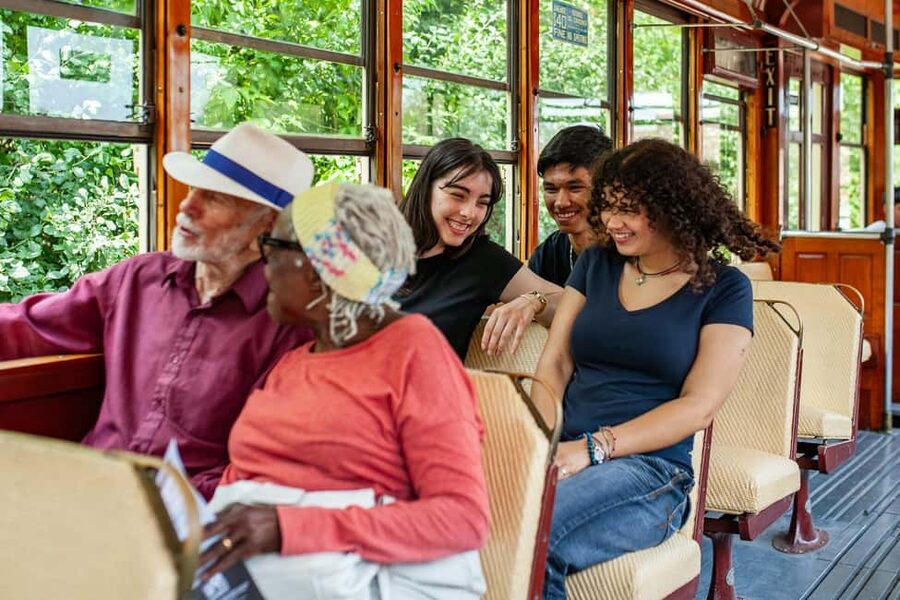
The heart of the visit is the collection of railway vehicles open to the public. You can climb aboard streetcars, passenger cars, legendary steam locomotives, and a caboose. Each offers a different view of rail travel.
A streetcar shows you the close, practical side of urban transport. It belongs to the daily rhythm of a city, carrying people over shorter routes rather than crossing a country. A passenger car gives you a better sense of long-distance travel and the way railway journeys organized space for ordinary passengers.
The steam locomotives provide the drama. Their size and mechanical detail make them natural favorites, especially for children. Still, I would not rush past the smaller vehicles. The caboose is one of the more unusual parts of the collection because it was both a workplace and a living space for railway staff.
That detail adds a human scale to the visit. You are not only looking at engines that pulled trains. You are seeing the places where people worked, rested, taught, and traveled. The teacher who taught in a school car and the railroad worker who lived and worked in the caboose help explain how the railway reached beyond stations and locomotives.
Some content is presented in its original language. If you prefer a fully translated experience, check with reception about the current displays and tour format. French and English are available for the live guided component.
Meet the people behind the machines
The most useful part of Exporail is its attention to railway workers and passengers. Railway history can become a parade of dates and engine models, but this museum links the equipment to real jobs and routines.
The school car is a good example. It points to a time and place in which education had to follow the railway, rather than assuming every child lived close to a permanent school. The caboose tells another story, showing how a railway worker’s job could shape where and how that person lived.
These details make the collection easier to understand. You can look at a car and ask who used it, what work happened there, and how it fitted into the wider railway system. That is a better way to remember the museum than simply trying to identify every locomotive.
Families should use these settings as conversation starters. Ask children what they think it would be like to attend school in a railway car or sleep where they worked. The museum offers a strong chance to connect objects with everyday life, even if you are not an expert in railway history.
Same province, a completely different day out:
- Montreal: Guided Bus Tour
★ 4.4 · 3,064 reviews - Montreal: Hop-On Hop-Off Double-Decker Bus Tour
★ 4.1 · 2,760 reviews - From Montreal: Quebec City and Montmorency Falls Day Trip
★ 4.5 · 2,669 reviews - Montreal Mile End Authentic Food Tour with 7 Delicacies Tastings
★ 5.0 · 2,598 reviews
Add a ride if the schedule works
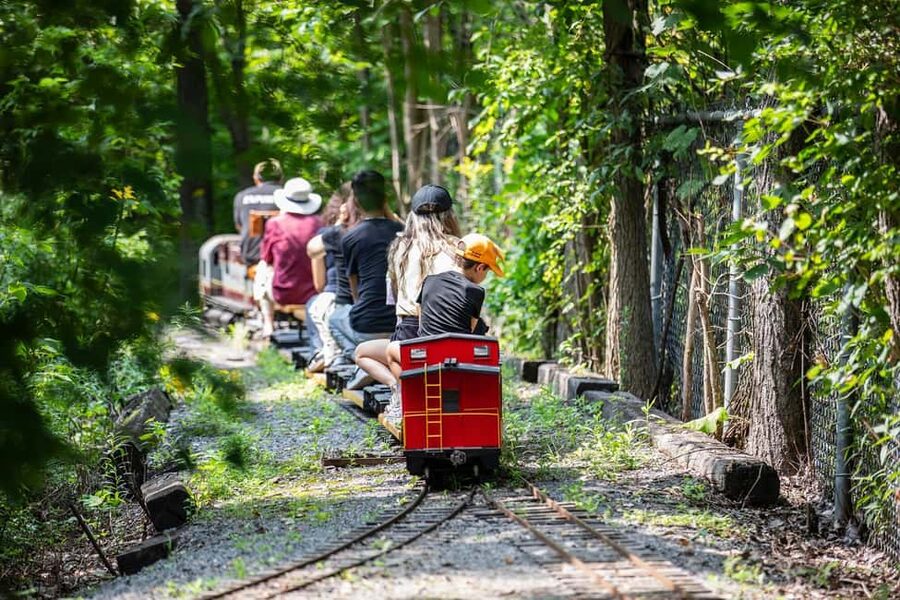
Exporail offers optional rides on a tram, passenger train, or miniature railway. These activities are not automatically part of the basic admission, and they depend on the day’s schedule.
A ride can add movement to a visit that otherwise involves looking, reading, and walking through vehicles. For children, it may be the highlight. For adults, it can help show how the cars feel in motion rather than treating them as stationary exhibits.
Check the schedule when you arrive. Do not assume every ride operates every day or at the same time. If a particular ride matters to you, make that your first planning question at reception. The basic ticket includes the exhibitions, but the optional activities may require an extra payment.
The miniature railway is likely to appeal most to younger children, while the tram and passenger train offer a closer connection to the full-size collection. Since the available activities vary, keep your plans flexible rather than building the entire visit around one ride.
Plan for indoor and outdoor walking
The visit includes both indoor and outdoor areas. You will move between parts of the collection, and some vehicles are accessed outside. Comfortable, closed-toe shoes are required, not just recommended.
Weather matters here. On a pleasant day, the outdoor movement adds breathing room and lets you see the collection from different angles. On a wet, very hot, or very cold day, it can make the visit less pleasant. Bring suitable clothing and do not treat Exporail as a completely indoor museum.
The indoor exhibitions provide a useful fallback, including the large entry tunnel and other displays available during the season. Still, you should allow time for outdoor walking if you want to board the vehicles and follow the discovery trail.
Indoor and outdoor dining areas are available depending on the season. You may bring your lunch and use those spaces, which can make Exporail easier to fit into a family day. This is a practical advantage, especially if you want to stay longer than the basic one-hour visit.
Is one hour enough for Exporail?
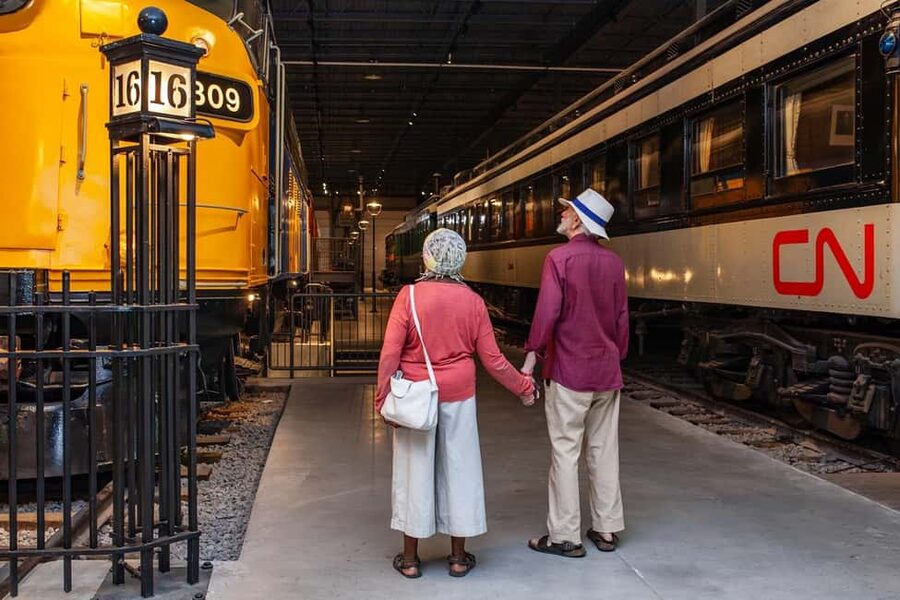
The advertised duration is one hour, and that is enough for a focused introduction. You can see the main exhibits, walk through the artifact tunnel, and board several vehicles if you keep a steady pace.
I would treat one hour as the minimum useful visit, not a strict limit. The eight exhibitions, discovery trail, open vehicles, shop, and optional rides give you reasons to stay longer. Families may need extra time because children will want to explore each accessible car rather than move quickly from one display to the next.
Your pace will also depend on the day’s activities. A guided tour, a tram ride, or a miniature railway ride can extend the visit. Weekend guided tours are offered in French and English, with information about the themed tour available at reception.
If your schedule is tight, arrive with one clear aim. You might focus on the large locomotives and passenger cars, or you might choose the artifact tunnel and human stories. If you have more time, add the discovery trail, a ride, and the shop.
The $17 ticket and what it includes
At $17 per person, admission offers reasonable value if you plan to use the collection rather than make a quick photo stop. The price includes access to all current exhibitions, subject to seasonal availability, plus free parking.
The ticket also supports the preservation of Canadian railway heritage. That matters because large historic vehicles require ongoing care, storage, and restoration. Your admission helps keep the collection available for future visitors.
The value depends on how long you stay. For a rushed one-hour visit focused on a few locomotives, the price is fair but not exceptional. For a longer visit that includes the exhibitions, discovery trail, open vehicles, and time in the shop or dining areas, it becomes a stronger deal.
Optional rides are not included, so budget for them separately if your family wants the full experience. Ask at reception about current prices and operating times. Since activities depend on the day, there is no reason to pay for an add-on before confirming that it is running.
Who will enjoy Exporail most?
Exporail is an easy choice for railway fans, but you do not need to know locomotive types to enjoy it. The ability to board the vehicles gives the visit a direct, physical quality that works well for first-time visitors.
I would recommend it most to:
- Families with children who enjoy vehicles and hands-on settings
- Adults interested in Canadian transport and industrial history
- Visitors looking for an activity near Montreal that works in every season
- Anyone who prefers real objects and working-scale vehicles to heavily staged attractions
- People with enough time to combine the exhibitions with a ride or discovery trail
It may be less satisfying if you want a tightly scripted guided tour from start to finish. The core admission is largely a self-directed museum visit, with guided tours offered on Saturdays and Sundays. The one-hour format also means you should not expect an exhaustive study of every vehicle.
The museum is wheelchair accessible, which makes it a practical option for many visitors. Still, the site includes outdoor movement and access to historic vehicles, so ask reception about current access details if you have specific mobility needs.
A practical visit plan
Start at reception and ask what exhibitions and optional activities are operating that day. Confirm the meeting point for any themed tour, since information is provided there according to the day’s program.
Next, walk through the tunnel with its 400-plus artifacts. This gives you a broad foundation and helps you recognize the role of railway workers, passengers, and support staff when you reach the vehicles.
Move on to the open locomotives, streetcars, passenger cars, and caboose. Give special attention to the school car and caboose because they show railway life from a personal angle, not just an engineering one.
If a ride is operating, fit it into the middle or end of your visit. Then take a stroll along the discovery trail, pause in an indoor or outdoor dining area if needed, and finish at the shop. The shop is designed to appeal to both children and adults, so it is a sensible final stop rather than something you must squeeze in at the beginning.
Wear closed-toe shoes, bring lunch if useful, and check the weather before setting out. Pets are not permitted, though assistance dogs are allowed. Alcohol and drugs are prohibited on the site.
Should you book Exporail?
Book Exporail if you want a practical look at Canada’s railway past, especially if you like the idea of walking inside the vehicles rather than viewing them from behind glass. The open locomotives, passenger cars, streetcars, and caboose are the main reason to go, while the school car and worker stories give the visit its human interest.
I would choose a fair-weather day if possible, since outdoor movement is part of the experience. If rain is likely, you can still visit the indoor exhibitions, but plan for less comfortable access between areas.
At $17, the ticket is a sensible purchase for a one-hour introduction and an even better value if you add the trail, a ride, and extra time with the exhibitions. Check the schedule at reception, arrive through P1, and keep your plans flexible. For a nearby Montreal outing with genuine railway equipment and no need for specialist knowledge, Exporail is worth booking.
FAQ
Where is Exporail located?
Exporail is located in Greater Montreal, Quebec, Canada. The current main entrance is at P1, near the railroad tracks that cross St. Pierre Street.
How much does admission cost?
Admission costs $17 per person. The ticket includes access to all current exhibitions, depending on the season, and free parking.
How long does the visit last?
The listed duration is one hour. You can stay longer if you explore the discovery trail, visit the shop, use the dining areas, or add one of the optional rides.
What does the ticket include?
Your ticket includes the current exhibitions and access to the museum’s railway collection. Optional tram, passenger train, and miniature railway rides are not included.
Are guided tours available?
Guided tours are offered on Saturdays and Sundays. Information about the themed tour available that day is provided at reception.
Which languages are available?
Live guided tours are available in French and English. Some content is shown in its original language.
Is Exporail wheelchair accessible?
Yes, Exporail is wheelchair accessible. The visit also includes indoor and outdoor areas, so ask at reception about current access details if you have specific requirements.
Can I bring food or a pet?
You may bring lunch and use the indoor or outdoor dining areas, depending on the season. Pets are not allowed, but assistance dogs are permitted. Alcohol and drugs are prohibited.
Just added around Montreal
- Montreal: 3-Day Toronto, Niagara Falls, Thousand Islands★ 4.7 · 5 reviews
- Old Montréal Small-Group Christmas Tour★ 4.4 · 39 reviews
- Secret Food Tours: Montreal – Jean-Talon & Little Italy★ 4.0 · 4 reviews
- Montreal: Maple Syrup Tour with Sugar Shack & Local Cuisine★ 4.1 · 25 reviews
- Port of Montreal Glass Tower Entry★ 4.4 · 129 reviews
- Outdoor mini golf in Montreal★ 4.9 · 13 reviews
- Montreal: An unforgettable guided tour in a vintage 1930s convertible car★ 5.0 · 9 reviews
- Montreal: Private 2h Walking Tour RESO and Old Montreal★ 5.0 · 20 reviews
Museums, compared.


Art Gallery of Ontario General Admission Ticket
Read our review →




Browse the lists this tour appears in