
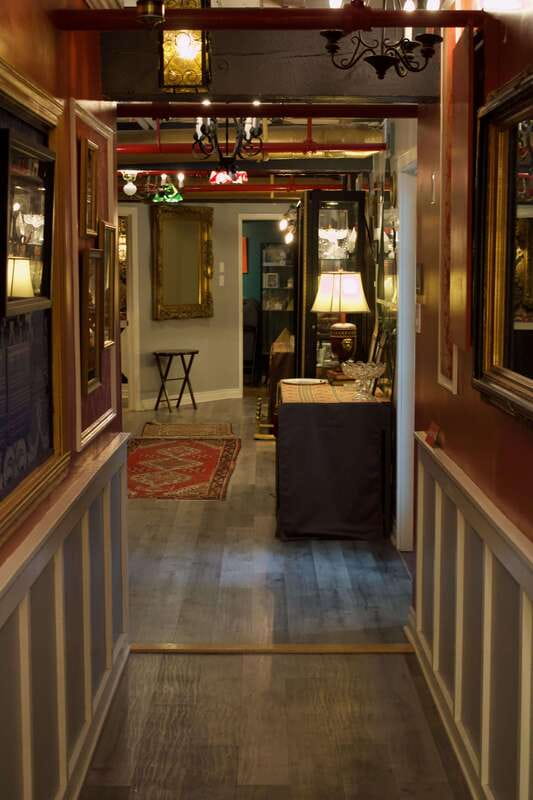
Reviewed · MUSEUMS
Montreal: Art Center and Museum Audio Guided Tour
Montreal’s art center is more than a gallery. Inside the 1879 Caledonian Iron Works building, you’ll move from working artist studios to European paintings, old safes, Douglas fir beams, and wax figures from the former Grévin Museum. It feels part museum, part studio building, and part time capsule.
I like the mix of modern local art and 19th-century collections, and I like that the audio guide lets you take the visit at your own speed. The main catch is practical: the building has three floors and no elevator, so this is not a good choice if stairs are difficult.
In This Review
- Key points at a glance
- A former ironworks building in Griffintown
- Moving from resident studios to museum galleries
- Nineteenth-century paintings and works on paper
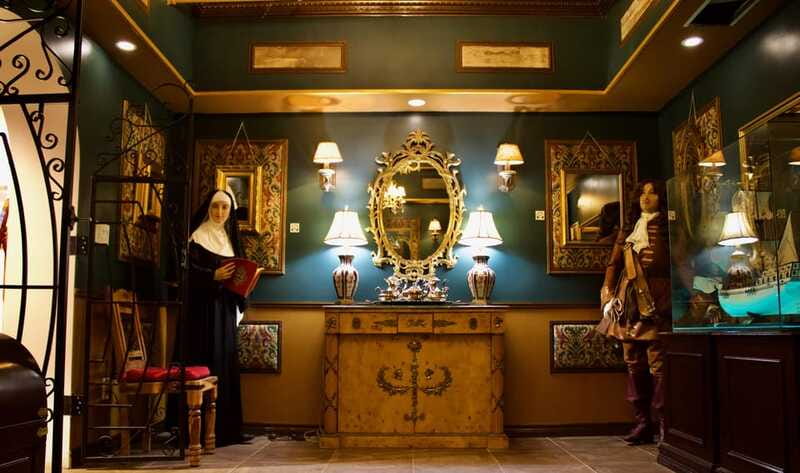
- Wax statues from the former Grévin Museum
- Using the audio guide in English or French
- How long to plan for a one-day visit
- Stairs, access, and practical limits
- Who will enjoy this Montreal art visit?
- Should you book the Montreal Art Center and Museum?
- FAQ
- Where is the Montreal Art Center and Museum located?
- What is included in the admission?
- Is the audio guide available in English?
- Can I visit the studios of local artists?
- How many floors does the building have?
- Is there an elevator?
- Is the experience suitable for wheelchair users?
- Are special events included?
- Can I cancel for a refund?
Key points at a glance
- A 1879 industrial building: See the former Caledonian Iron Works site, built to make parts for ship engines and trains.
- About 45 to 50 resident artists: Walk through studio spaces and get a look at the creative work taking place in the building today.
- Old European and international art: The collection includes 19th-century paintings and works on paper by Picasso, Monet, Rembrandt, and others.
- Unexpected wax figures: Historical statues from the former Grévin Museum add an unusual twist to the museum visit.
- English and French audio guides: Use the included guide along with a museum map as you explore.
- Three floors without an elevator: Plan for stairs and allow enough time to move through the building at a comfortable pace.
A former ironworks building in Griffintown
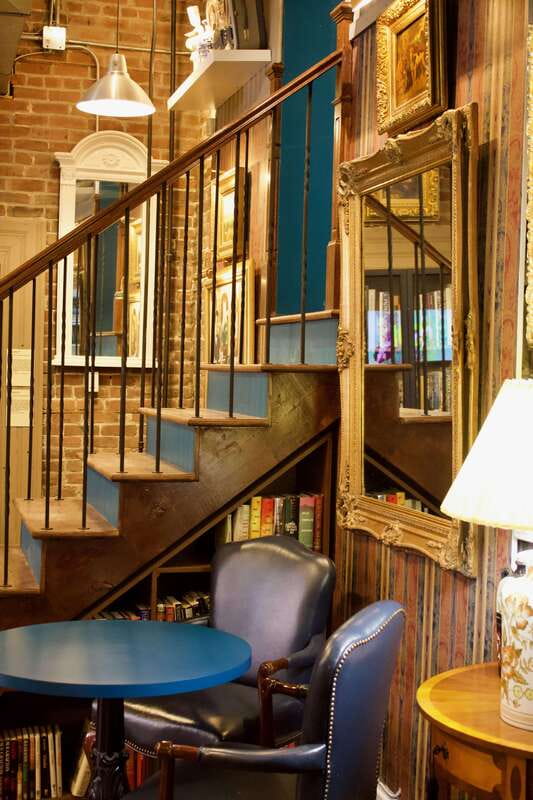
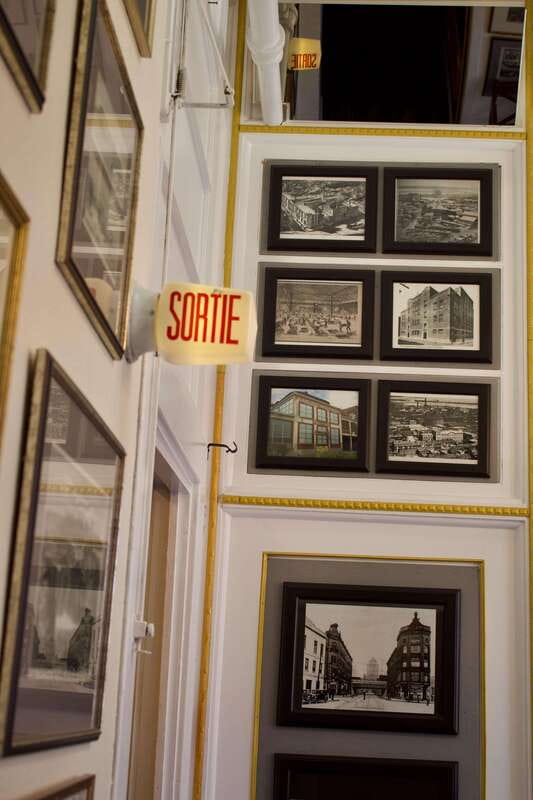
The setting gives this experience its strongest character. The building dates to 1879, when it belonged to the Caledonian Iron Works company. Its original industrial purpose was practical and heavy: the company produced parts for ship engines and trains.
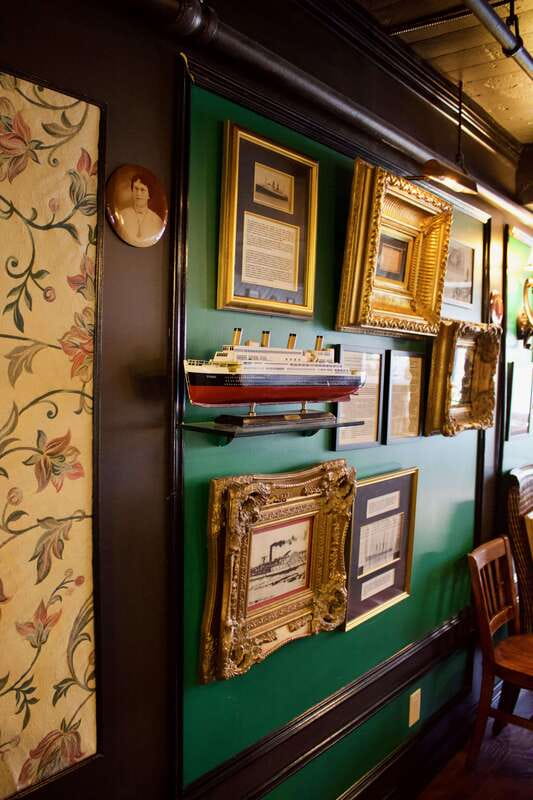
Today, the building has a different rhythm. Art studios and museum rooms occupy a place that still shows its working past. You can notice 140-year-old safes, antique furniture, display cases, and Douglas fir structural elements as you go. The result is not a polished white-box gallery. The building itself is part of what you came to see.
I like this kind of setting because it gives the art a physical context. You are not simply looking at framed works in a modern room. You are also reading the marks of an old workplace, with industrial details that help explain why the building feels distinct from a standard museum.
The tradeoff is that the building may feel less orderly than a purpose-built museum. One visitor described the experience as interesting but somewhat disorganized. That is useful advice. If you want a clearly numbered route with a smooth sequence from one major masterpiece to the next, this may feel loose. If you enjoy finding art in rooms with their own quirks, the unusual layout is part of the appeal.
A few more Montreal trips to weigh up
- Montreal: Museum of Illusions Entry Ticket
★ 4.6 · 25 reviews - Exporail, the Canadian Railway Museum
★ 4.2 · 5 reviews - Toronto: Royal Ontario Museum Admission Ticket
★ 4.6 · 1,237 reviews
Moving from resident studios to museum galleries
The visit includes access to the artist studio spaces, a feature that separates this experience from a basic museum admission. You can meet or see the work of more than 45 resident artists, with the broader description referring to about 50 local artists connected to the building.
That number matters because the studio visit is not just a small display about local art. You are entering a building that supports an active group of artists. The exact level of interaction can vary, but the format gives you a chance to encounter contemporary work in the place where it is produced.
You can also purchase artwork that speaks to you. That makes the visit useful for anyone who wants more than a look at finished museum pieces. You may find a local work that fits your taste, budget, or suitcase better than something from a large commercial gallery, although the information provided does not give price ranges or purchasing details.
I would allow time to look rather than rush through the studios. The audio guide is helpful for structure, but a studio building can reward attention to small details. Notice how the old industrial rooms, furniture, displays, and active work areas sit together.
The experience is also personal in scale. You are not being moved from room to room by a tightly timed group. A French visitor described it as original and curious to enter an artist’s workshop, which gets to the main point. The studios offer a look at the working side of art, not only the finished public side.
Nineteenth-century paintings and works on paper
The museum collection shifts the focus from local contemporary work to European and international art from the 19th century. This gives the visit a useful contrast. You start with artists connected to Montreal today, then encounter older works that belong to a wider art tradition.
The collection also includes 19th and 20th-century works on paper by Picasso, Monet, Rembrandt, and others. That list gives you a sense of the range, but it does not mean every artist has the same amount of space or that each work is a major masterpiece. You should approach this as a varied collection inside an unusual building, not as a substitute for a major national museum.
Works on paper deserve a slower look. They can show a different side of an artist than a large finished painting, with attention to line, process, and surface. If you already know Picasso, Monet, or Rembrandt from larger museum collections, you may enjoy seeing their names represented in a more intimate format.
The permanent European and international collection also adds weight to the local studios. Without it, the visit would be mainly a look at working artists. Without the studios, it might feel like an older collection placed in an industrial shell. The combination gives you two time periods and two ways of thinking about art in one stop.
One French visitor described the building as very interesting and beautiful, while another praised the mixture of modern art and representations of earlier periods. I would use that contrast as a guide to your expectations. The pleasure here comes from the variety, not from one single gallery or one tightly focused artistic theme.
Wax statues from the former Grévin Museum
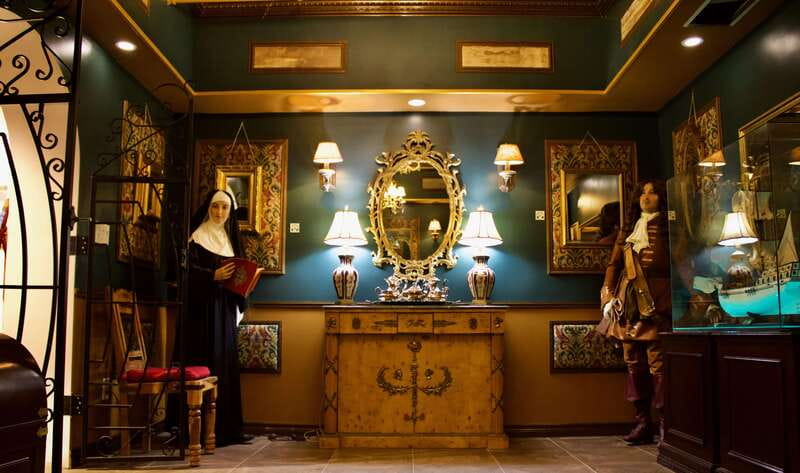
The historical wax figures are the surprise element. These statues come from the former Grévin Museum, and their presence adds a pop-culture and historical display to the art collections.
They may not be what you expect after reading about European paintings and artist studios. That is precisely why they can make the visit memorable. The wax figures add another layer to the building’s role as a time machine, moving you from industrial Montreal to modern studios, older European art, and a former museum tradition.
You should not book this experience expecting a full wax museum. The information describes the figures as part of the displays, not as the main focus. Think of them as an unusual collection within a broader art and building tour.
For families or visitors who like museums with a surprise around the corner, this variety may keep the visit lively. For someone seeking a strict fine-art collection, the wax statues may feel like a detour. I see them as a reason to stay curious and let the building set its own pace.
Same province, a completely different day out:
- Montreal: Guided Bus Tour
★ 4.4 · 3,064 reviews - Montreal: Hop-On Hop-Off Double-Decker Bus Tour
★ 4.1 · 2,760 reviews - From Montreal: Quebec City and Montmorency Falls Day Trip
★ 4.5 · 2,669 reviews - Montreal Mile End Authentic Food Tour with 7 Delicacies Tastings
★ 5.0 · 2,598 reviews
Using the audio guide in English or French
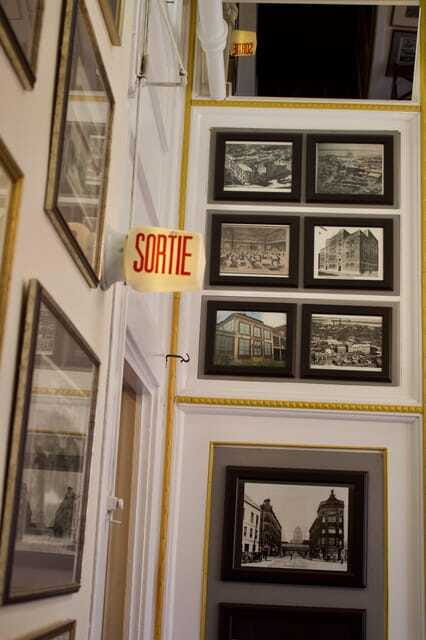
Your admission includes an audio guide in English or French, along with a museum map. That is important here because the building contains several different types of spaces: studios, galleries, historical displays, and structural features.
An audio guide can help connect these parts. It should give you a framework for understanding the building and collections without requiring a live guide to keep you moving. The available information does not name an individual guide, so you should not expect a personal tour led by a particular host. English and French hosts or greeters are available, while the recorded guide is offered in those same two languages.
The audio format suits you if you like to pause, look longer at one work, or move on quickly from another. One Canadian visitor particularly appreciated having enough time to go at their own pace. That is a useful advantage for solo visitors, couples, and anyone who dislikes being hurried.
The guide may not remove every bit of confusion from the layout. Because the building is historic and not designed as a modern museum, use the map as well as the audio commentary. If you find the route unclear, ask the staff for help rather than guessing which room comes next.
How long to plan for a one-day visit
The ticket is valid for one day, with starting times available according to the booking calendar. The experience is not described as a fixed-length guided walk, so your actual visit will depend on how closely you follow the audio material and how much time you spend in the studios and galleries.
At $12 per person, the price is modest for access to several types of content in one building. You are paying for the museum rooms, galleries, studio spaces, map, and audio guide. The value is strongest if you plan to explore all of them instead of making a quick pass through the main rooms.
I would avoid treating this as a five-minute stop between other plans. The art studios alone deserve time, and the historical building details are easy to miss if you are focused only on paintings. At the same time, the visit is flexible enough to suit a shorter art break if your schedule is tight.
Special events are not included. If an additional event interests you, you need to buy a separate ticket online or at the front desk. Check that distinction before booking if you are hoping to attend a program beyond the regular museum and studio access.
The building operates rain or shine, making it a useful indoor plan in Montreal. If the door is closed when you arrive, call 514-667-2270 so a staff member can come and meet you.
Stairs, access, and practical limits
The biggest practical issue is the building’s three floors and lack of an elevator. The experience is not suitable for wheelchair users or people with mobility impairments. If stairs are a concern, do not rely on the audio guide or the low price to make the visit workable. The physical layout is a firm limitation.
You should also wear comfortable shoes and give yourself time between floors. That advice is simple, but it matters more here than it would in a single-level gallery. The building’s old structure is part of the appeal, yet it also means modern access features are limited.
Alcohol and drugs are not allowed. No other dress or bag rules are provided, so check with the center directly if you have a special question about belongings or photography.
The booking details contain a conflict worth checking. The activity information says you can cancel up to 24 hours in advance for a full refund and reserve now while paying later. The important information also calls the tour non-refundable. Since those terms do not match, confirm the cancellation policy at the time of booking before you rely on the refund option.
Who will enjoy this Montreal art visit?
I would recommend this for you if you like several kinds of art in one stop and enjoy buildings with visible age. It is especially suitable if you want to support local artists, see studios rather than only exhibition rooms, or find a small museum with a less predictable mix.
It also works well for visitors who prefer an audio guide to a live group tour. You can listen in English or French and set your own rhythm. The format gives you room to spend more time with a painting, a wax figure, or a studio display that catches your eye.
You may want to skip it if you need step-free access, want a highly polished museum layout, or are looking for one narrow collection presented in strict chronological order. The mix of modern art, 19th-century works, industrial details, and wax statues is the point, but it may feel scattered if you prefer a single subject.
The price helps offset the uncertainty. At $12, this is a low-cost way to add local art and a historic building to your Montreal plans. You do not need to commit half a day to justify the ticket, yet the contents offer enough variety for a longer visit.
Should you book the Montreal Art Center and Museum?
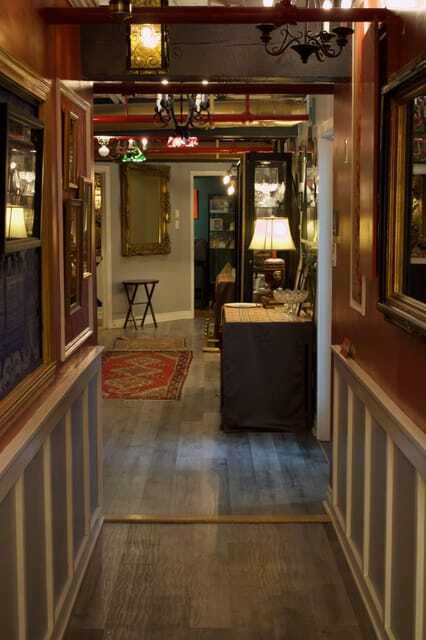
Book it if the idea of walking through a former ironworks building, seeing local artists at work, and finding older European art in the same visit appeals to you. The strongest parts are the setting, the studio access, the self-paced audio guide, and the unexpected Grévin wax figures.
Go with realistic expectations. This is not a grand museum with a perfectly ordered route, and one floor may feel less polished or more confusing than another. Still, at $12, it offers a distinctive look at Montreal’s art scene and its industrial past, provided you can manage three flights of stairs.
FAQ
Where is the Montreal Art Center and Museum located?
It is located in Griffintown in Montreal, Quebec, inside a historic building dating to 1879.
What is included in the admission?
Admission includes access to the museum rooms and galleries, a tour of the artist studio spaces, a museum map, and an audio guide.
Is the audio guide available in English?
Yes. The audio guide is available in English and French.
Can I visit the studios of local artists?
Yes. The experience includes access to the artist studio spaces, where you can encounter the work of more than 45 resident artists. The wider description refers to about 50 local resident artists.
How many floors does the building have?
The building has three floors.
Is there an elevator?
No. The building unfortunately has no elevator.
Is the experience suitable for wheelchair users?
No. It is not suitable for wheelchair users or people with mobility impairments because of the three-floor building and lack of an elevator.
Are special events included?
No. General admission does not include special events. You can buy separate event tickets online or at the front desk.
Can I cancel for a refund?
The booking information says cancellation up to 24 hours in advance may qualify for a full refund, but another notice describes the tour as non-refundable. Confirm the exact policy before booking.
More Audio Tours in Montreal
- Cabot Trail: a Smartphone Audio Driving Tour
★ 4.5 · 118 reviews - Icefields Parkway: a Smartphone Audio Driving Tour
★ 4.0 · 118 reviews - Niagara: Behind The Falls, Skylon Tower Ticket & Tesla Audio Tour
★ 3.5 · 69 reviews - Sea to Sky Highway: a Smartphone Audio Driving Tour
★ 4.0 · 32 reviews
Just added around Montreal
- Montreal: 3-Day Toronto, Niagara Falls, Thousand Islands★ 4.7 · 5 reviews
- Old Montréal Small-Group Christmas Tour★ 4.4 · 39 reviews
- Secret Food Tours: Montreal – Jean-Talon & Little Italy★ 4.0 · 4 reviews
- Montreal: Maple Syrup Tour with Sugar Shack & Local Cuisine★ 4.1 · 25 reviews
- Port of Montreal Glass Tower Entry★ 4.4 · 129 reviews
- Outdoor mini golf in Montreal★ 4.9 · 13 reviews
- Montreal: An unforgettable guided tour in a vintage 1930s convertible car★ 5.0 · 9 reviews
- Montreal: Private 2h Walking Tour RESO and Old Montreal★ 5.0 · 20 reviews
Museums, compared.

Art Gallery of Ontario General Admission Ticket
Read our review →



Browse the lists this tour appears in