
Reviewed · WALKING & GHOST TOURS
Montreal: Downtown and Old Montreal Highlights Bike Tour
Montreal reveals itself well from a bicycle, especially when you leave the postcard streets of Old Montreal and pedal into parks, quiet lanes, and working parts of the city. This 15-kilometre route gives you a broad first look without turning the day into a race.
I like the steady rhythm: ride for about 15 minutes, stop for a story, then continue. I also like the small groups, limited to 10 people, which make it easier to hear guides such as Rod, JF, Rene, Darren, and Martin. The main consideration is stamina. You will ride for about two hours, so this is not a sightseeing tour with only occasional pedaling.
I especially like the mix of major landmarks and local corners, plus the practical advice you get along the way. Guides have suggested places to eat and things to do later in the visit. Bring water, wear proper riding clothes and shoes, and do not show up in sandals or flip flops.
In This Review
- Key points to know before you book
- Starting in Old Montreal with a city bike
- Old Port and Old Montreal: the city’s opening chapter
- From downtown sights to Place des Festivals
- Habitat 67 and the changing waterfront
- Lachine Canal and the quieter side of Montreal
- Farine Five Roses and working Montreal
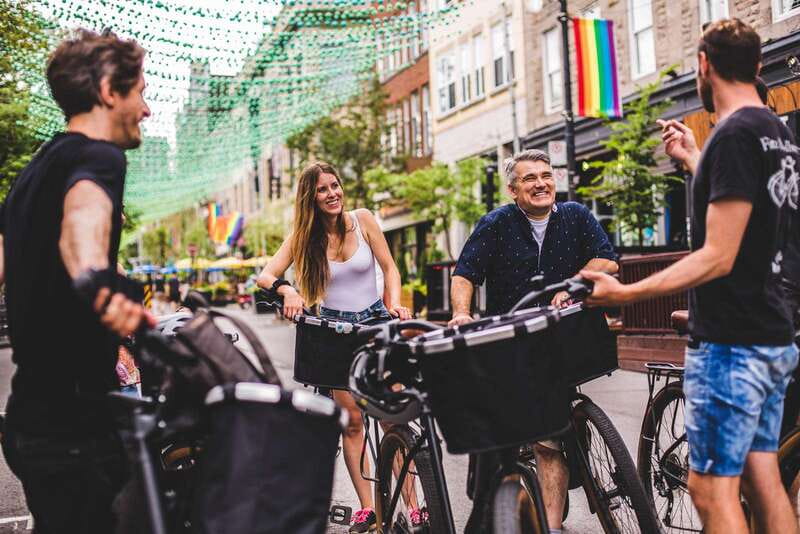
- The Gay Village and Montreal’s local rhythm
- How difficult is the 15-kilometre ride?
- Guides, safety, and the small-group advantage
- Is the $87 price fair?
- Who should book this Montreal bike tour?
- Practical details before you go
- Should you book it?
- FAQ
- Where does the Montreal bike tour meet?
- How long does the tour last?
- How far do you ride?
- How much of the tour is spent cycling?
- Is the route difficult?
- What is included in the price?
- Is hotel pickup included?
- What should I bring?
- Who can take part?
Key points to know before you book
- A wide Montreal sampler: Cover Old Montreal, the Old Port, downtown, the Gay Village, the Lachine Canal, Habitat 67, and more in three hours.
- Mostly flat bicycle paths: The route is suitable for all riders who are comfortable cycling for roughly 15 km.
- Stories, not just photo stops: Guides explain First Nations heritage, the city’s founding, French and British architecture, and Montreal’s economy.
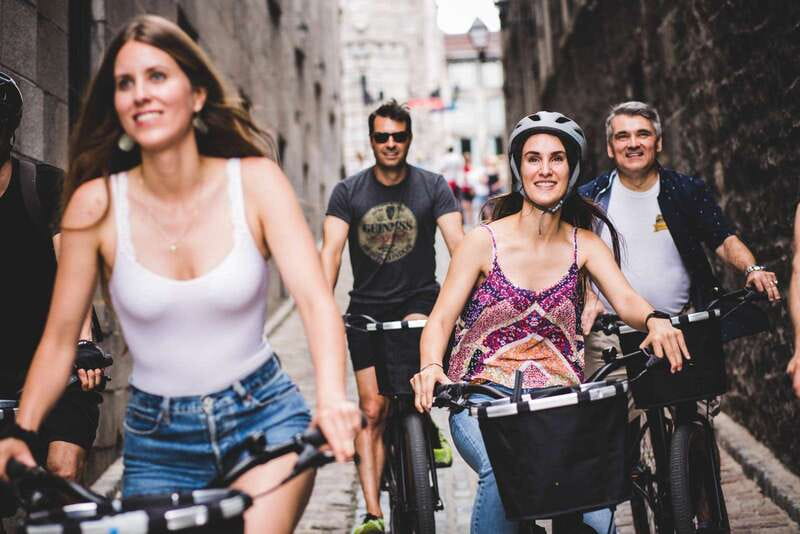
- Small groups make a difference: The maximum of 10 participants allows for clearer instructions and a more personal feel.
- Regular breaks keep the pace relaxed: Expect four or five short information stops and one longer 30-minute break.
- Useful on day one: The route helps you get your bearings, while guide tips can shape the rest of your Montreal stay.
Starting in Old Montreal with a city bike
The tour begins at 87 Rue de la Commune Est, in the heart of Old Montreal. You meet your English-speaking guide there, get fitted with a city bike and helmet, and receive a basket for small items.
That starting point puts you close to the Old Port and the historic core, so the tour gets to the city’s best-known setting quickly. It also means you should allow enough time to arrive before the ride begins. Hotel pickup is not included.
The bikes are described as stylish city bikes, and past participants have singled out the good condition of the bikes and the comfort of the helmets. That matters more than it may sound. A poorly adjusted bike can make even a flat route tiring, while a well-fitted city bike lets you pay attention to the streets and stories.
Your guide sets the pace and leads the group through the route. The group limit of 10 is a strong feature here. You are less likely to be lost at the back, and it is easier to ask a question during a stop. Guides have included Rod, JF, Rene, Darren, Martin, Jeff, Mahar, Catherine, and others, so the exact tone will depend on who leads your departure.
More Walking & Ghost Tours in Montreal
- The Original Old Montréal Walking Tour by Guidatour
★ 4.5 · 2,217 reviews - Old Montreal Small-Group Walking Tour | Max 10 | by MTL Detours
★ 5.0 · 2,088 reviews - Montréal: The Original Old Montréal Walking Tour
★ 4.8 · 911 reviews
Old Port and Old Montreal: the city’s opening chapter
The first part of the ride introduces the historic center and the Old Port. This is where Montreal’s past and present meet most clearly. You get the old stone streets and landmark buildings on one side, with the waterfront’s economic and civic role on the other.
The guide explains how the city was founded and why the Old Port has mattered to Montreal’s development. That context helps you read the streets as more than a collection of attractive facades. You begin to see how trade, transportation, religion, and government shaped this part of town.
Place d’Armes and Notre Dame Basilica are among the key landmarks included in the route. Place d’Armes gives you a strong view of Old Montreal’s architectural mix, while Notre Dame Basilica points to the importance of Catholic institutions in the city’s story.
One of the useful features of this tour is the explanation of how French and British architectural influences exist side by side. You do not need to be an architecture specialist to appreciate this. The guide gives you a simple way to notice the different layers of Montreal as you ride through them.
The Old Port can be busy, particularly at popular times, but the bike allows you to move through it efficiently. You are not spending the entire tour standing in one square. Instead, you get a series of stops connected by a moving view of the city.
From downtown sights to Place des Festivals
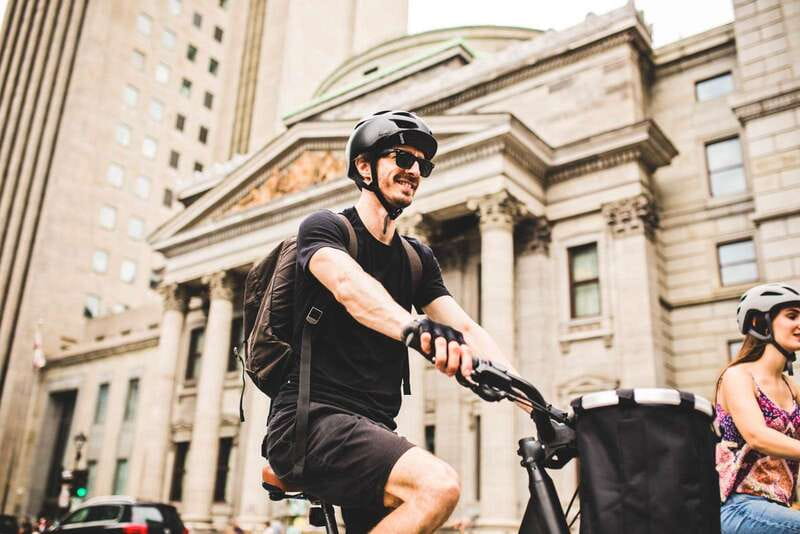
The route continues beyond the old quarter toward downtown and Place des Festivals. This shift is important because it shows you Montreal as a modern cultural center, not only as a historic district.
Place des Festivals is linked with the city’s public arts and event culture. The tour uses it as part of a larger look at Montreal’s creativity, food, and fun. You get a sense of how the city uses public space, not just what its museums and churches contain.
The guide shares stories during the ride and usually stops every 15 minutes or so. That pattern keeps the commentary from becoming a long lecture. You listen, look around, ride, and then stop again before the information begins to blur.
The route also touches on Montreal’s present and future. The commentary covers culture and the economy, so you hear more than dates and building names. Darren, for example, was praised for making Montreal’s culture, history, and economy interesting and easy to follow. That combination is useful if you want to understand how the city works today, not just photograph its older buildings.
Habitat 67 and the changing waterfront
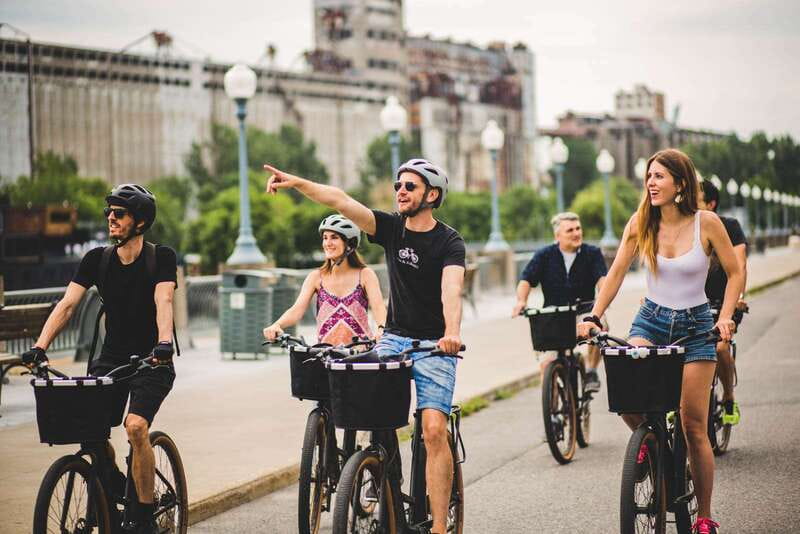
Habitat 67 is one of the tour’s more distinctive stops. Its unusual modular design gives the ride a different visual note after the older streets of Montreal. It also fits the tour’s larger theme: the city has a strong interest in design, architecture, and creative public ideas.
The stop helps break up the historic portion of the route. You move from Old Montreal’s older architectural traditions to a landmark associated with modern urban thinking. The contrast makes both parts easier to appreciate.
The waterfront also gives the guide a chance to explain the economic impact of the Old Port. This is a good example of why a bicycle tour can be more useful than a simple list of attractions. You are seeing places in relation to each other, following the city’s development instead of treating every landmark as an isolated stop.
Do not expect a long architectural tour of Habitat 67. The activity lasts three hours and includes many districts, so the emphasis is on a clear introduction rather than exhaustive detail at one site. If you want to study one building closely, you will need to return on your own.
Same province, a completely different day out:
- Montreal: Guided Bus Tour
★ 4.4 · 3,064 reviews - Montreal: Hop-On Hop-Off Double-Decker Bus Tour
★ 4.1 · 2,760 reviews - From Montreal: Quebec City and Montmorency Falls Day Trip
★ 4.5 · 2,669 reviews - Montreal Mile End Authentic Food Tour with 7 Delicacies Tastings
★ 5.0 · 2,598 reviews
Lachine Canal and the quieter side of Montreal
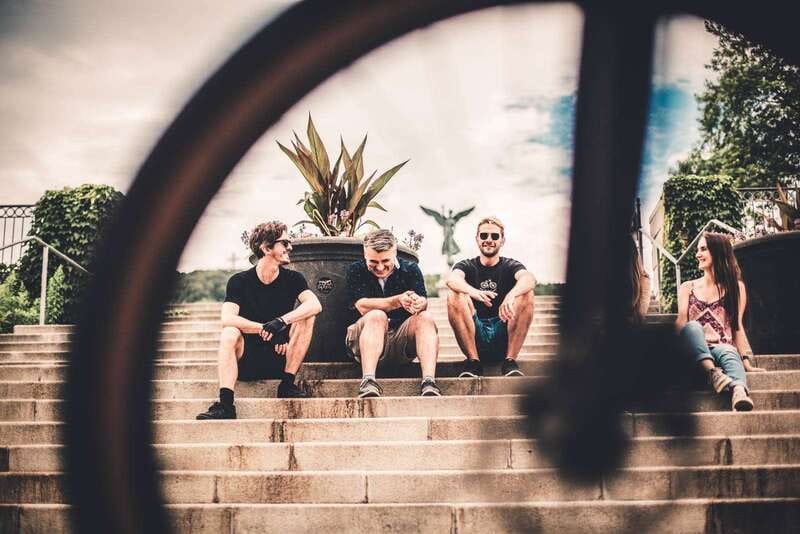
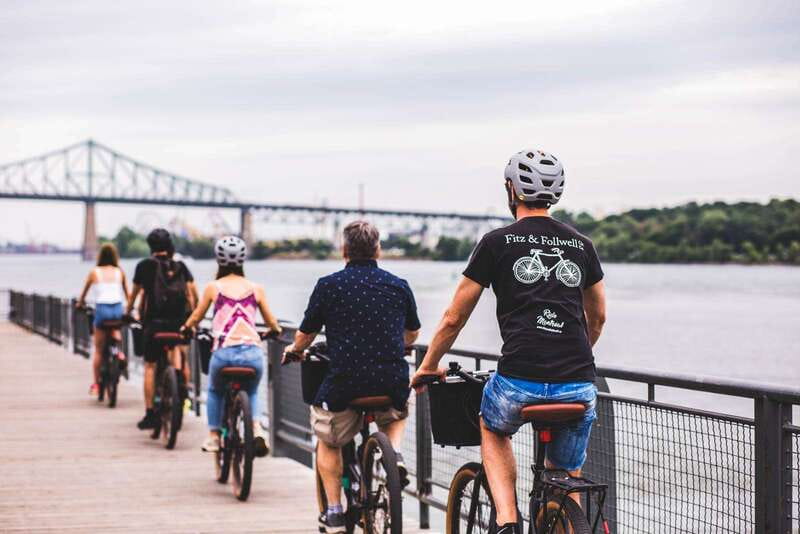
The ride includes the Lachine Canal, adding a calmer stretch to the route. Much of the cycling takes place on mostly flat bicycle paths, which makes this section easier to enjoy at a relaxed pace.
The canal is valuable as a change of setting. Instead of remaining among major squares and landmark streets, you get a sense of Montreal’s open spaces and working infrastructure. The route is not simply a loop of famous stops. It shows how the city connects districts through paths and quieter corridors.
This is also where the riding format makes sense. You are moving far enough to cover a large part of Montreal, but the flat terrain keeps the focus on sightseeing rather than hill climbing. The activity information describes the route as suitable for all riders, but you still need to be comfortable spending about two hours on a bicycle.
A longer break of about 30 minutes is built into the outing, along with four or five shorter stops. The break gives you time to rest and reset. One participant also appreciated having restroom breaks along the way, although you should still bring water and dress for the weather.
Farine Five Roses and working Montreal

The Farine Five Roses sign offers another view of the city. It is a familiar Montreal landmark tied to the working and industrial side of the waterfront. Including it makes the route feel broader than a standard Old Montreal circuit.
The sign also supports the tour’s focus on Montreal’s food identity. Food is part of the city’s cultural story, and guides may offer suggestions for places to eat near the meeting point or elsewhere in town. Maria, for example, received a local lunch recommendation close to the bike rental location.
That kind of advice can add real value to a first-day tour. You are not only collecting facts for the moment. You are building a short list of places and neighborhoods to explore after the ride.
The route’s variety is one of its best qualities. You see major architecture, public art, old streets, waterways, industrial traces, and local districts in one outing. The tradeoff is that no single section receives the attention it would get on a dedicated walking or architecture tour.
The Gay Village and Montreal’s local rhythm
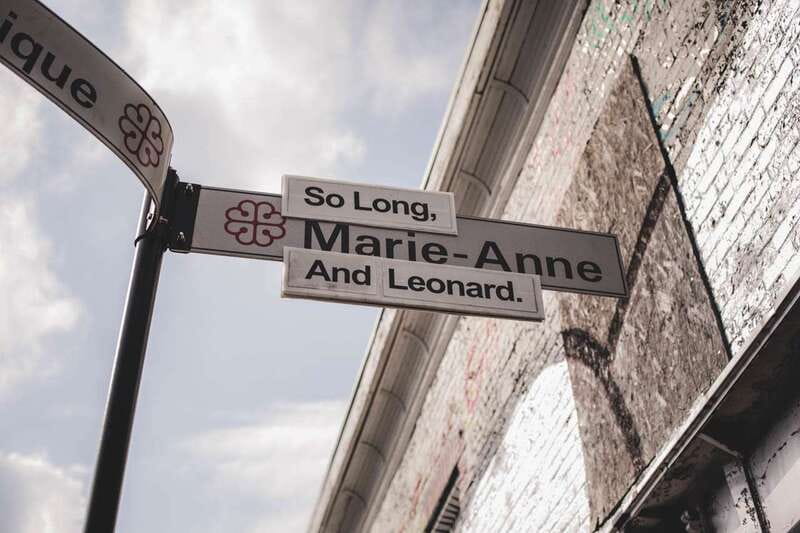
The Gay Village brings the tour into another important part of the city. Here, the focus turns toward community, public life, and the everyday character of Montreal.
The route is designed to show you more than the standard downtown postcard. You ride through parks, quiet streets, and laneways where the city feels more lived-in. These stretches are often the most useful part of a first visit because they give you a better sense of how different areas connect.
The guide’s stories are central here. The tour covers First Nations heritage, the founding of Montreal, cultural life, architecture, and the economy. You may not remember every detail, but you should finish with a clearer framework for understanding the city.
The Gay Village also adds social and cultural context to the historic landmarks earlier in the ride. Montreal is not presented as one single identity. The route moves through different communities and styles, helping you see the city as a collection of distinct areas.
How difficult is the 15-kilometre ride?
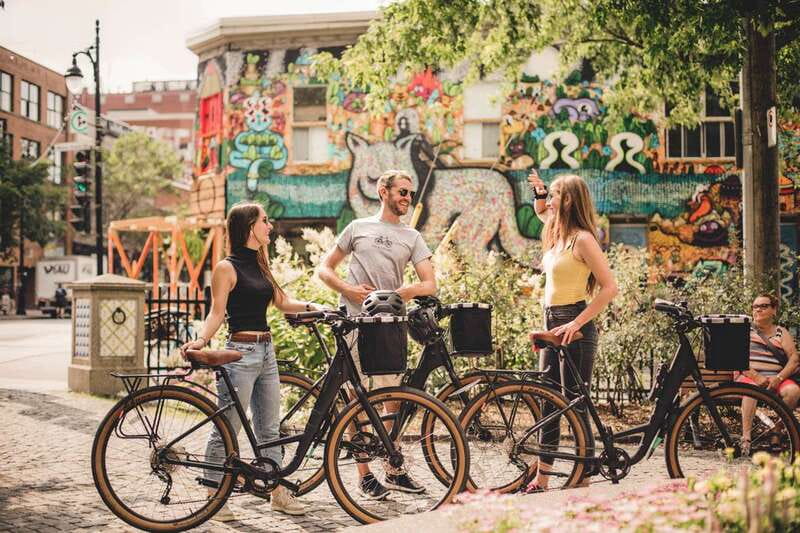
The route is mostly flat and uses bicycle paths for much of the journey. You will ride approximately 10 miles, or 15 kilometres, with about two hours spent pedaling and the rest divided among short commentary stops and one longer break.
That sounds manageable for most regular cyclists, but do not treat the tour as a vehicle-based sightseeing trip. You need to keep moving for a substantial part of the three hours. Comfortable clothes, proper shoes, and water will make a noticeable difference.
Sandals and flip flops are not allowed. That rule is practical, since secure footwear gives you better control of the pedals and more comfort over the full distance.
The pace is described as relaxed, and the regular stops help. You are not expected to race between landmarks. Still, the tour is best for anyone over 13 who can ride confidently in a city setting and handle a half-day outing on a bicycle.
Guides, safety, and the small-group advantage

The guides are a major part of the experience. Past departures have featured guides including JF, who was praised for his passion for Montreal and attention to safety, along with Rene, Darren, Martin, Catherine, Rod, Jeff, and Mahar.
The repeated praise for the guides focuses on three things: clear information, an entertaining approach, and a strong sense of care while riding. Those qualities matter because a city bike tour has two jobs. It must tell you something worthwhile, and it must keep the group together safely.
A maximum of 10 participants gives the guide room to manage both. You can hear the stories more easily than in a large group, and the guide can respond to the pace of the people on the ride.
The exact personality will vary. Some guides may lean toward history, others toward local anecdotes or practical tips. The format leaves room for those personal touches, including the sort of restaurant advice and later-visit suggestions that can be hard to get from a guidebook.
Is the $87 price fair?
At $87 per person, this is not the cheapest way to see Montreal. The value comes from the amount of ground covered and the combination of equipment, guiding, and local orientation.
Your price includes the bicycle, helmet, basket, local guide, and three-hour tour. You are also paying to connect several parts of the city without planning the route yourself. If you tried to reproduce the same outing independently, you would need to choose a rental bike, map a safe route, decide which districts to link, and research the background of each stop.
The tour makes the most sense early in your stay. You see enough of Montreal to decide where you want to spend more time later, and the food and activity suggestions can shape your next few days.
The price is less attractive if you only want a short ride around Old Montreal, or if you already know the city well. In that case, a basic bike rental may give you more freedom for less money. At $87, the guide and the city-wide route are the main reasons to book.
Who should book this Montreal bike tour?
I would choose this for an active first day in Montreal, particularly if you want a broad introduction before exploring individual neighborhoods on foot.
It suits:
- First-time visitors who want to get their bearings quickly
- Couples, families with participants over 13, and small groups
- Cyclists who prefer a flat route and regular breaks
- People interested in history, architecture, public art, food, and local culture
- Anyone who enjoys guide stories and practical restaurant suggestions
It is less suitable if you dislike cycling, have trouble riding for about two hours, or want a slow, detailed visit inside specific buildings. Notre Dame Basilica, Habitat 67, and the other landmarks are part of a moving city tour, not stand-alone visits with extended interior time.
The English-only format also matters. If you need another language, this departure will not meet that need.
Practical details before you go
The tour lasts three hours, with starting times varying by availability. You should check the departure time when booking and arrive at 87 Rue de la Commune Est in Old Montreal.
Bring a water bottle. Wear comfortable clothing, secure shoes, and a jacket if the forecast looks changeable. The bikes come with baskets, but the basket is best for small personal items rather than bulky luggage.
Free cancellation is available up to 24 hours in advance for a full refund, and you can reserve now and pay later. Those terms are useful if your Montreal plans are still shifting.
Should you book it?
Book this tour if you want to cover a lot of Montreal in one active outing and prefer local stories to a scripted ride past famous buildings. The flat paths, small group, regular stops, and wide route make it a strong orientation tour.
Skip it if you want a short, effortless look at Old Montreal or if cycling for 15 kilometres sounds tiring. For most visitors who are comfortable on a bike, the $87 cost is justified by the equipment, guide, safety support, and amount of city you see. I would schedule it near the start of your visit, then use the guide’s neighborhood and food tips to plan the days that follow.
FAQ
Where does the Montreal bike tour meet?
The meeting point is 87 Rue de la Commune Est, in the heart of Old Montreal.
How long does the tour last?
The tour lasts three hours.
How far do you ride?
The riding distance is approximately 10 miles, or 15 kilometres.
How much of the tour is spent cycling?
You will spend about two hours riding. The rest of the time includes four or five short breaks for information and stories, plus one longer break of about 30 minutes.
Is the route difficult?
Most of the ride uses bicycle paths that are mostly flat and suitable for all riders. You should still be comfortable cycling for about 15 kilometres.
What is included in the price?
The tour includes the bike tour, an English-speaking local guide, a bicycle, a helmet, and a basket.
Is hotel pickup included?
No. Hotel pickup is not included, so you need to reach the meeting point in Old Montreal yourself.
What should I bring?
Bring water. Comfortable clothes, suitable riding shoes, and a jacket are also practical choices. Sandals and flip flops are not allowed.
Who can take part?
The bike tour is suitable for participants over the age of 13. The group is limited to 10 participants, and the tour is conducted in English.
More Cycling Tours in Montreal
- Montreal eBike Sightseeing Tour
★ 5.0 · 573 reviews - Montreal: E-Bike Sightseeing Tour
★ 4.8 · 365 reviews - Non Touristy Pink Bike Tour by Spade & Palacio
★ 5.0 · 335 reviews - 3 Hour Montreal City Bike Tour with Wine or Beer (AM & PM)
★ 5.0 · 332 reviews
Just added around Montreal
- Montreal: 3-Day Toronto, Niagara Falls, Thousand Islands★ 4.7 · 5 reviews
- Old Montréal Small-Group Christmas Tour★ 4.4 · 39 reviews
- Secret Food Tours: Montreal – Jean-Talon & Little Italy★ 4.0 · 4 reviews
- Montreal: Maple Syrup Tour with Sugar Shack & Local Cuisine★ 4.1 · 25 reviews
- Port of Montreal Glass Tower Entry★ 4.4 · 129 reviews
- Outdoor mini golf in Montreal★ 4.9 · 13 reviews
- Montreal: An unforgettable guided tour in a vintage 1930s convertible car★ 5.0 · 9 reviews
- Montreal: Private 2h Walking Tour RESO and Old Montreal★ 5.0 · 20 reviews
Walking & Ghost Tours, compared.
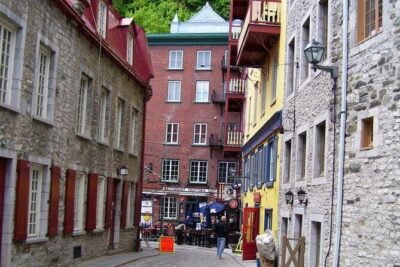

Old Quebec City: Grand Walking Tour with Private Option
Read our review →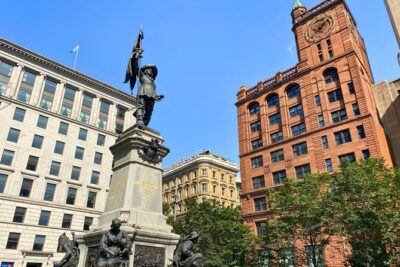
The Original Old Montréal Walking Tour by Guidatour
Read our review →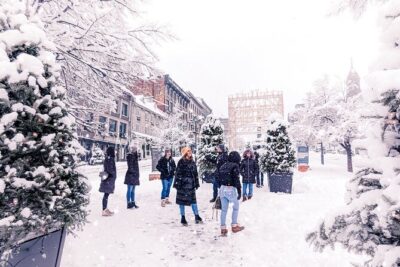
Old Montreal Small-Group Walking Tour | Max 10 | by MTL Detours
Read our review →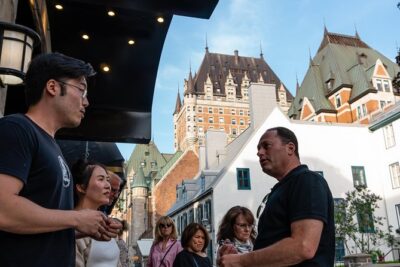
Old Quebec Classique Walking Tour with Funicular
Read our review →
Old Quebec City Food Tour with 10+ Autentic Local Tastings
Read our review →

Browse the lists this tour appears in