
Reviewed · WALKING & GHOST TOURS
Montreal: Old Montreal Guided Walking Tour
Old Montreal is best understood on foot, where a guide can connect a grand church, a narrow old street, and the riverfront in one clear story. This tour covers the district’s key sights in two hours, with stops at Place d’Armes, Notre-Dame Basilica, the Old Sulpicians’ Seminary, and other landmarks.
I like the small group limit of 15, which should make it easier to hear and ask questions. I also like the practical ending: guides such as Debbie, Chantal, Louise, and Eduardo have offered restaurant, museum, and sightseeing tips that can shape the rest of your visit. The drawback is simple: two hours goes quickly, and the tour focuses on exterior sights rather than giving you extended time inside each building.
In This Review
- Key points at a glance
- Why this two-hour walk works so well
- Starting at Place d’Armes
- Place d’Armes and the city’s beginnings
- The Old Sulpicians’ Seminary and historic architecture
- Notre-Dame Basilica and Place d’Armes
- Saint-Paul Street and the character of Old Montreal
- Place Jacques-Cartier and Bonsecours Market
- The Saint Lawrence River views
- The guides make the difference
- Is $25 a good value?
- Who should book this Old Montreal walk?
- Booking flexibility and meeting details
- Should you book the Old Montreal Guided Walking Tour?
- FAQ
- How much does the Old Montreal Guided Walking Tour cost?
- How long does the walking tour last?
- What language is the tour conducted in?
- How many people can join the tour?
- Where is the meeting point?
- Which places are included on the route?
- What should I bring?
- Can I cancel or pay later?
Key points at a glance
- A compact introduction to Old Montreal: Cover the district’s main streets, squares, buildings, and river views in two hours.
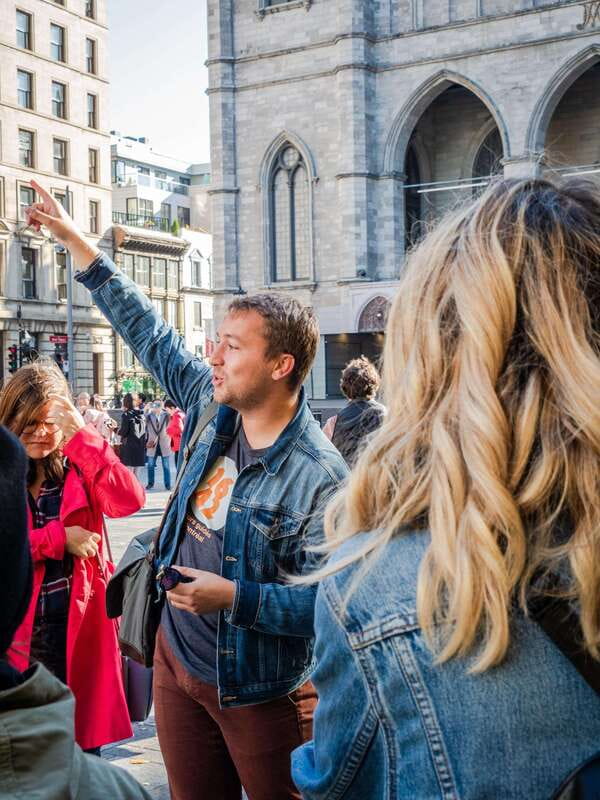
- A small group format: The tour accepts a maximum of 15 participants, though some departures may be much smaller.
- A strong guide-led history lesson: Learn how Montreal was founded and how it expanded into Canada’s second-largest city.
- Classic Old Montreal landmarks: See Notre-Dame Basilica, the Old Sulpicians’ Seminary, Bonsecours Market, Place Jacques-Cartier, and Saint-Paul Street.
- Useful advice for the rest of your stay: Your guide can suggest museums, restaurants, and additional places to visit.
- Good booking flexibility: The price is $25 per person, with free cancellation up to 24 hours before the tour and a reserve-now, pay-later option.
Why this two-hour walk works so well
Old Montreal can look easy to explore on your own. The streets are compact, the buildings are close together, and the main sights appear on nearly every city guide. But without context, you may see an attractive church, a market, and a square without understanding how they fit together.
This walk gives you that framework. Your guide explains how Montreal began, how the old district developed, and how the city grew far beyond its original core. That matters because Old Montreal is not just a collection of pretty facades. Its squares, religious buildings, commercial streets, and riverfront all point to different stages in the city’s growth.
The two-hour length is another advantage. You get enough time to learn the basics and see the main sights without giving up an entire morning or afternoon. I would use this as an early activity in a Montreal visit, then return later to the places that caught your attention.
The tour is conducted in English and has a maximum of 15 people. That is a useful middle ground. You get the energy of a shared walk, but you are not following a large crowd through narrow streets. Some departures have been especially small, including tours with only one or two people, which can lead to more direct conversation with the guide.
More Walking & Ghost Tours in Montreal
- The Original Old Montréal Walking Tour by Guidatour
★ 4.5 · 2,217 reviews - Old Montreal Small-Group Walking Tour | Max 10 | by MTL Detours
★ 5.0 · 2,088 reviews - Montréal: The Original Old Montréal Walking Tour
★ 4.8 · 911 reviews
Starting at Place d’Armes
The meeting point is on the steps of the BMO bank at Place d’Armes. This is a sensible place to begin because the square immediately puts you in the middle of Old Montreal’s major architectural story.
Expect to meet your guide here, receive the route, and start with an explanation of the area. Place d’Armes brings together several important views, so it works as more than a simple gathering point. It helps you see how religious, civic, and commercial buildings share the same urban space.
Your guide may also help you get oriented before the walking begins. That is valuable if Montreal is your first stop in Quebec or if you have arrived without much background on the city. You can ask about the route, the best places to return to, and what deserves more time after the tour.
The square can also be a busy setting, so listen carefully when the group gathers. A small group helps, but you should still arrive ready to identify the guide and stay close during the first explanation.
Place d’Armes and the city’s beginnings
The first part of the walk sets up Montreal’s origin story. You learn how the city was founded and how its early settlement developed around the old town and the river.
This is where a guide adds real value. Dates and names are easy enough to read on a plaque, but a good storyteller can show you how the city’s location shaped its future. The tour connects the physical setting of Old Montreal with the city’s later growth into the second-largest city in Canada.
The strongest guides bring both history and present-day Montreal into the conversation. Ioanna’s guide, for example, was praised for discussing both the city’s past and its current character, while other guides have mixed architecture, culture, personalities, and daily life into the walk.
Do not expect a long academic lecture. The style is more practical and conversational. You stop, listen, look around, and move on. That pace suits people who want a clear introduction rather than a specialist history seminar.
The Old Sulpicians’ Seminary and historic architecture
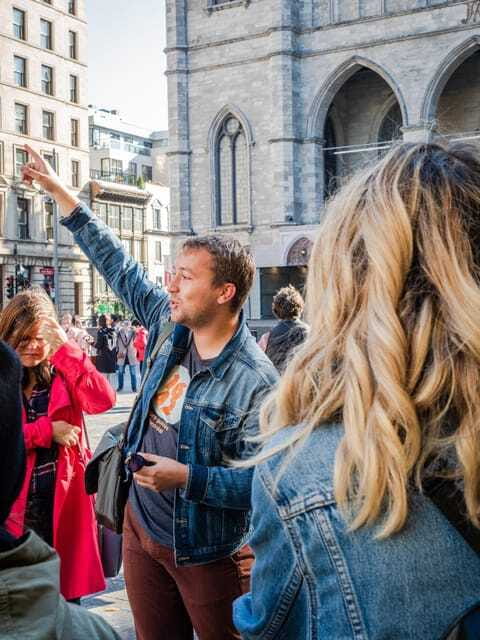
The Old Sulpicians’ Seminary is one of the important architectural stops. Your guide explains the building and its place in the development of Old Montreal, giving you more than a quick photo opportunity.
The value here is in learning how to look. Old Montreal’s buildings may seem to form one uniform historic district, but each site carries a different role and period. The seminary helps show the influence of religious institutions on early Montreal and gives the walking route a strong link to the city’s formative years.
Architecture lovers will appreciate the pauses at historic buildings. You can take photographs while hearing why a structure matters. At the same time, the tour does not appear designed as a specialist architecture walk, so expect a broad mix of history, design, culture, and local stories.
That mix is a strength for most visitors. If you already have a detailed understanding of Montreal’s architecture, you may want a more focused tour. For a first visit, the wider approach is more useful because it gives you several ways into the city.
Same province, a completely different day out:
- Montreal: Guided Bus Tour
★ 4.4 · 3,064 reviews - Montreal: Hop-On Hop-Off Double-Decker Bus Tour
★ 4.1 · 2,760 reviews - From Montreal: Quebec City and Montmorency Falls Day Trip
★ 4.5 · 2,669 reviews - Montreal Mile End Authentic Food Tour with 7 Delicacies Tastings
★ 5.0 · 2,598 reviews
Notre-Dame Basilica and Place d’Armes
Notre-Dame Basilica is one of the route’s headline sights. The tour includes a stop near this landmark, where you can admire the exterior and learn about its importance to Montreal.
The itinerary does not promise an extended interior visit or admission, so treat this as a guided sightseeing stop rather than a basilica tour. If you want to go inside, ask your guide about the best time to return and plan that separately.
This is one of the points where the two-hour schedule requires sensible expectations. A guide can explain the building, point out details, and place it in the story of Old Montreal. You will still need another visit if you want a quiet look around the interior.
I like having the basilica on the route because it gives the walk a memorable visual anchor. Even if you know little about Montreal before arriving, this is the kind of landmark that helps fix the old district in your mind.
Saint-Paul Street and the character of Old Montreal

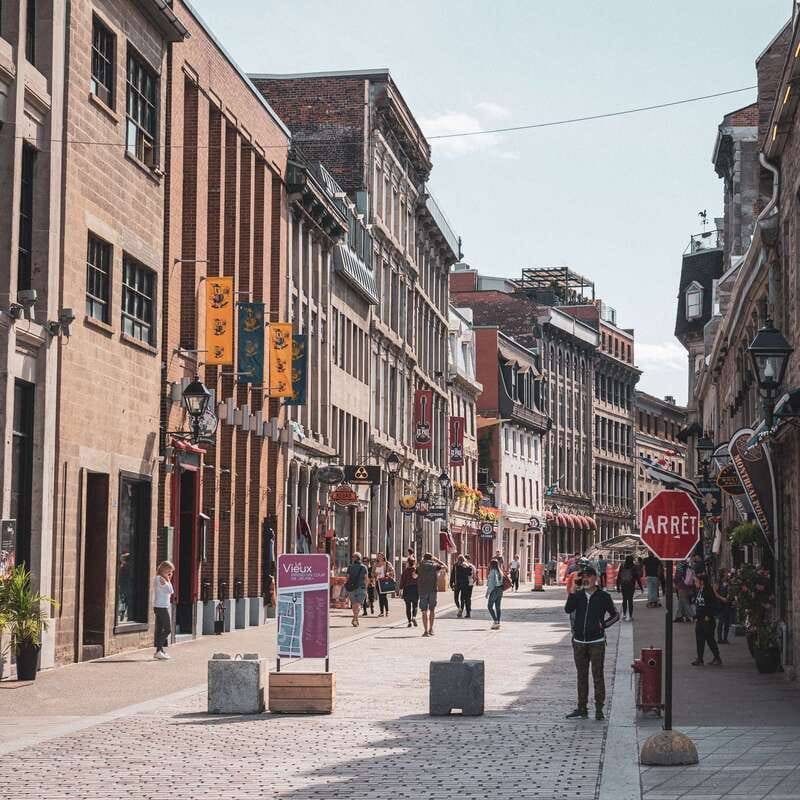
Saint-Paul Street brings the tour into the district’s street life. Here, the appeal is not one single monument. It is the combination of old facades, narrow streets, shops, restaurants, and the sense that this remains a place people use rather than a preserved film set.
Your guide points out buildings and shares smaller stories along the way. Those details can make the route feel personal. One guide led a visitor down a particular street that later became a favorite place for dinner, which shows why it pays to listen when the guide suggests where to return.
The walking surface and pace are worth considering. You are on your feet for two hours, so bring comfortable shoes. The route includes outdoor stops, and the weather can shape the experience. A spring departure was described as cold and rainy, while summer guides adjusted the pace and stopped in the shade during hot weather.
Bring water, a reusable bottle, and a snack. These are simple items, but they matter when you are walking between stops and spending time outdoors. Montreal weather can change the feel of a walking tour quickly.
Place Jacques-Cartier and Bonsecours Market
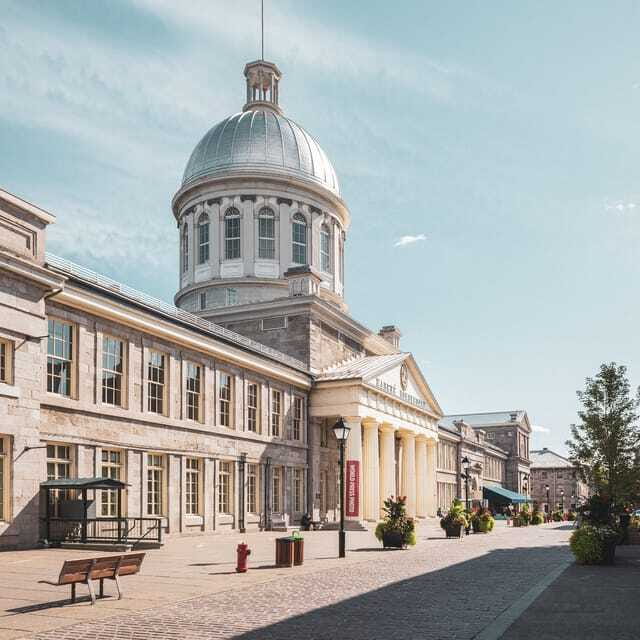
Place Jacques-Cartier is another central stop, offering a chance to see one of Old Montreal’s best-known public spaces and hear how it fits into the district’s life.
The square helps you understand the contrast between formal historic buildings and the more social side of the old town. Your guide can point out the surrounding architecture and explain the personalities and events tied to the area.
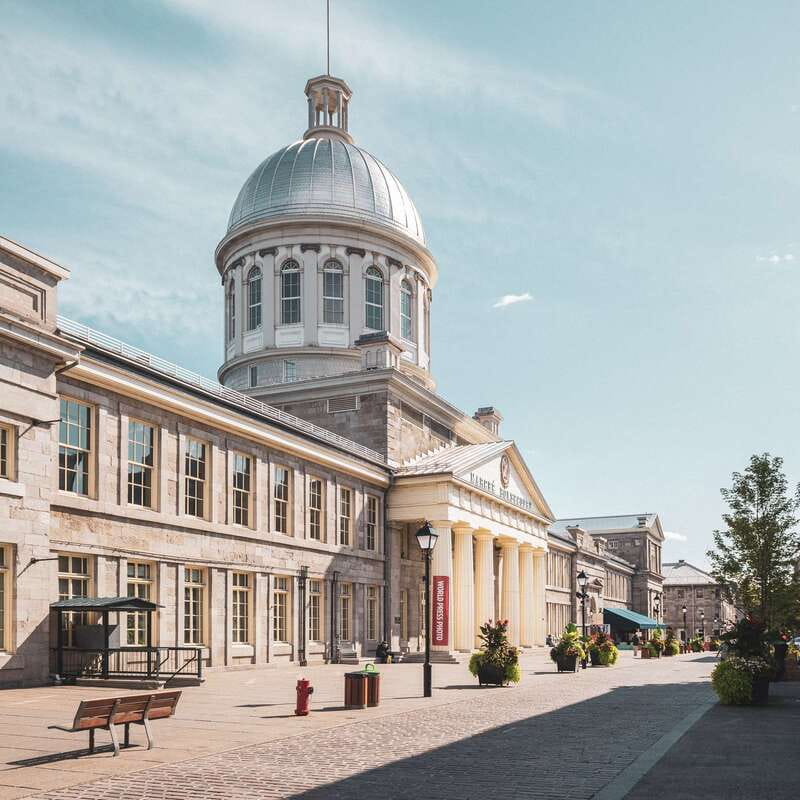
Bonsecours Market adds another layer. Its location near the river and its historic role make it a useful stop for understanding Old Montreal as a place of trade and public activity, not only worship and government.
The tour allows time for photographs and questions at these sites. That makes a difference for families and mixed-age groups. One guide kept children involved with creative explanations, while others made room for questions throughout the walk.
Still, the route moves at a steady pace. If you stop often for photographs, you may need to choose between taking pictures and staying fully engaged with the commentary. I suggest listening first at each stop, then taking your photographs before the group moves on.
The Saint Lawrence River views
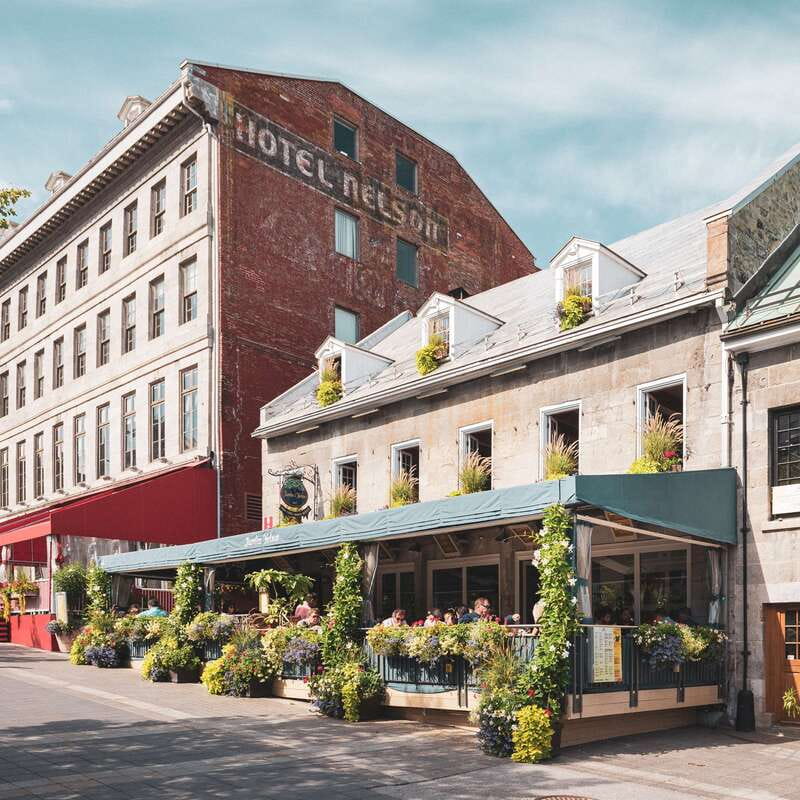
The walk includes views of the Saint Lawrence River, an important part of Montreal’s identity. The water helps explain why this location mattered from the beginning and why the old district developed as a major urban center.
This is a welcome change from the tighter streets. After several historic buildings and squares, the river opens the view and gives you a clearer sense of Montreal’s setting. Your guide uses the riverfront to connect the city’s past with its broader growth.
The river stop is also a natural pause in the route. You can take photographs, catch your breath, and ask questions. If you are visiting in warm weather, this open section may feel more exposed than the streets, so keep water handy.
Do not treat the river view as a separate cruise or waterfront excursion. It is one part of a walking route, included to help you understand the city and enjoy a change of scenery.
The guides make the difference
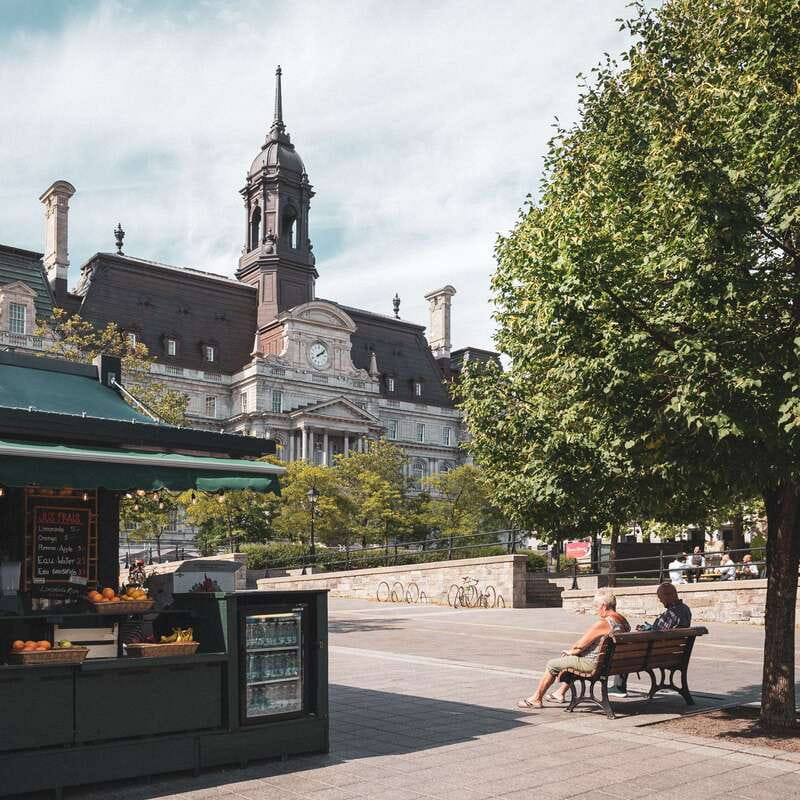
The experience depends heavily on the person leading it. The guide names associated with especially strong departures include Debbie, Chantal, Louise, Eduardo, Sandrine, Elise, Simona, Simone, Françoise, Madeleine, and others.
Several qualities appear again and again in the way the tour is delivered. Guides explain clearly, answer questions, keep the group moving, and add humor or personal stories. Chantal was praised for combining a strong grasp of the city with a lively sense of fun, while Debbie was repeatedly valued for practical suggestions about food, museums, and places to visit.
That local advice may be the most useful part for a short stay. You can ask where to spend an extra hour, which museum fits your interests, or where to eat after the walk. The suggestions are especially helpful because you are already standing in the part of the city being discussed.
Guide quality can vary from one departure to another, as it does with any human-led activity. The consistently high rating of 4.9 from 268 reviews suggests strong overall performance, but I would still judge the tour by its format and route, not by the promise of one particular guide.
Is $25 a good value?
At $25 per person, this is a modestly priced way to get a structured introduction to Old Montreal. You are paying for two hours of live English commentary, route planning, local orientation, and the chance to ask questions as you walk.
The price makes sense if you are new to the city and want to avoid spending your first day wandering without context. It also works well for solo visitors, couples, and families who want a shared activity without committing to a full-day excursion.
The value is lower if you prefer to move at your own speed or spend a long time inside each landmark. You will not get unlimited time for photographs, museum visits, or quiet exploration. The route is designed to show you a broad selection of sights, not to provide deep access to each one.
For the best return, schedule it near the start of your stay. Use the guide’s suggestions to plan later visits, then come back to Saint-Paul Street, the basilica, Bonsecours Market, or the riverfront with more time.
Who should book this Old Montreal walk?
I would recommend it to first-time visitors who want the basic story of Montreal in a short, manageable format. It is also a good fit if you enjoy architecture, city history, and walking but do not want a large coach tour.
Families can benefit from the steady route and the guide’s ability to explain historic subjects in an approachable way. The tour can also suit solo visitors because the small group creates an easy setting for questions and conversation.
You may want something else if you have limited walking ability, since the activity is a two-hour walk and no accessibility details are provided. You may also prefer a more specialized experience if your main goal is interior access to Notre-Dame Basilica, food tasting, or a detailed study of architecture.
For weather, dress for the day rather than the season. Bring comfortable shoes, water, a reusable bottle, and a snack. Summer heat, spring rain, and cold conditions have all affected departures, though guides have adjusted their pace and stopping places when needed.
Booking flexibility and meeting details
The tour costs $25 per person and lasts two hours. It is an English-language experience with a live guide and a maximum of 15 participants.
Meet on the steps of the BMO bank at Place d’Armes. Confirm the start time when you book, since available departures vary.
You can cancel for a full refund up to 24 hours before the tour. The reserve-now, pay-later option also helps if your Montreal schedule is still changing.
Should you book the Old Montreal Guided Walking Tour?
Book it if you want a well-priced first look at Old Montreal, clear explanations, and useful ideas for the rest of your stay. The combination of Place d’Armes, the Old Sulpicians’ Seminary, Notre-Dame Basilica, Place Jacques-Cartier, Bonsecours Market, Saint-Paul Street, and the Saint Lawrence River gives you a solid sense of the district in only two hours.
The main tradeoff is depth. You will see many important places, but you will not linger inside every landmark or explore each street at your own pace. For most first-time visitors, that is a fair exchange. Take the walk early, listen for the local recommendations, and save time afterward to revisit the places that speak to you.
FAQ
How much does the Old Montreal Guided Walking Tour cost?
The tour costs $25 per person.
How long does the walking tour last?
The tour lasts two hours.
What language is the tour conducted in?
The tour is conducted in English with a live English-speaking guide.
How many people can join the tour?
The group has a maximum of 15 participants.
Where is the meeting point?
Meet your guide on the steps of the BMO bank at Place d’Armes.
Which places are included on the route?
The route includes Place d’Armes, the Old Sulpicians’ Seminary, Notre-Dame Basilica, Place Jacques-Cartier, Bonsecours Market, Saint-Paul Street, and views of the Saint Lawrence River.
What should I bring?
Bring comfortable shoes, snacks, water, and a reusable water bottle.
Can I cancel or pay later?
You can cancel up to 24 hours in advance for a full refund. You can also reserve your spot and pay later.
More Walking Tours in Montreal
- Old Montreal: Traditional Ghost Walk of the Haunted City
★ 4.7 · 746 reviews - Old Montreal Ghost Walking Tour
★ 4.5 · 726 reviews - The Essential 101 Non-Touristy Walking Tour by Spade & Palacio
★ 5.0 · 716 reviews - Montreal: Top Rated Small Group Old Montreal Walking Tour
★ 4.9 · 611 reviews
Just added around Montreal
- Montreal: 3-Day Toronto, Niagara Falls, Thousand Islands★ 4.7 · 5 reviews
- Old Montréal Small-Group Christmas Tour★ 4.4 · 39 reviews
- Secret Food Tours: Montreal – Jean-Talon & Little Italy★ 4.0 · 4 reviews
- Montreal: Maple Syrup Tour with Sugar Shack & Local Cuisine★ 4.1 · 25 reviews
- Port of Montreal Glass Tower Entry★ 4.4 · 129 reviews
- Outdoor mini golf in Montreal★ 4.9 · 13 reviews
- Montreal: An unforgettable guided tour in a vintage 1930s convertible car★ 5.0 · 9 reviews
- Montreal: Private 2h Walking Tour RESO and Old Montreal★ 5.0 · 20 reviews
Walking & Ghost Tours, compared.
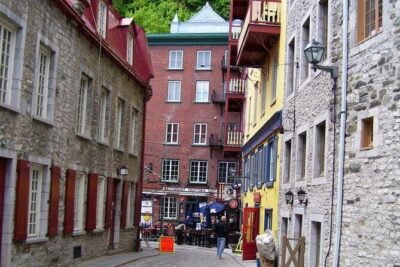

Old Quebec City: Grand Walking Tour with Private Option
Read our review →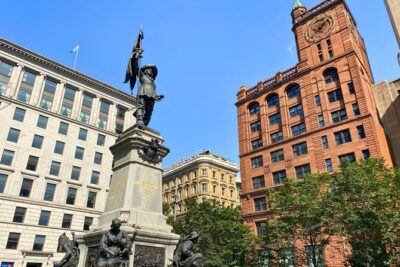
The Original Old Montréal Walking Tour by Guidatour
Read our review →
Old Montreal Small-Group Walking Tour | Max 10 | by MTL Detours
Read our review →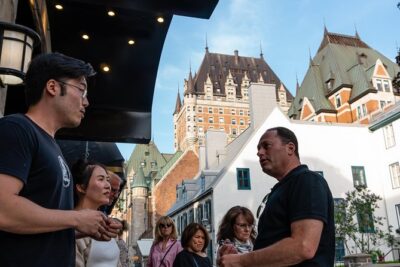
Old Quebec Classique Walking Tour with Funicular
Read our review →
Old Quebec City Food Tour with 10+ Autentic Local Tastings
Read our review →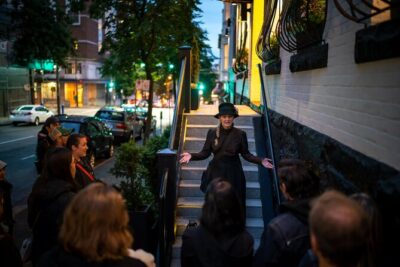

Browse the lists this tour appears in