
Reviewed · WALKING & GHOST TOURS
Montreal: RESO Underground City and Downtown Walking Tour
Montreal’s most unusual sight is partly underground. The RESO links offices, shops, Metro stations, cafés, hotels, art, and major buildings across more than 33 kilometres of interior passageways. This tour gives you a guided look at the most interesting sections, then brings you back above ground for downtown landmarks and city stories.
I like the small-group format, which makes it easier to ask questions and keep up in a maze of corridors. I also like the practical result: you leave with a better sense of how to use the RESO on your own, plus a printed list of places to eat and explore. The main drawback is physical access. Expect about three miles of walking, stairs, steep slopes, and escalators, with some outdoor time in all kinds of weather.
In This Review
- Key points to know before booking
- Why Montreal’s RESO is worth seeing with a guide
- Meeting your guide on McGill College Avenue
- Starting above ground in downtown Montreal
- Entering the RESO through corridors, escalators, and stairs
- This is more than an indoor mall walk
- Food, art, and navigation tips you can use later
- How much value do you get for $30?
- Weather, fitness, and who should skip it
- Book early in your Montreal stay
- Should you book the RESO and downtown walk?
- FAQ
- How long is the Montreal RESO and downtown walking tour?
- What language is the tour conducted in?
- Where does the tour meet?
- How early should I arrive?
- Is the tour entirely underground?
- What landmarks are included?
- Is the tour accessible for wheelchair users?
- Can children join the tour?
Key points to know before booking
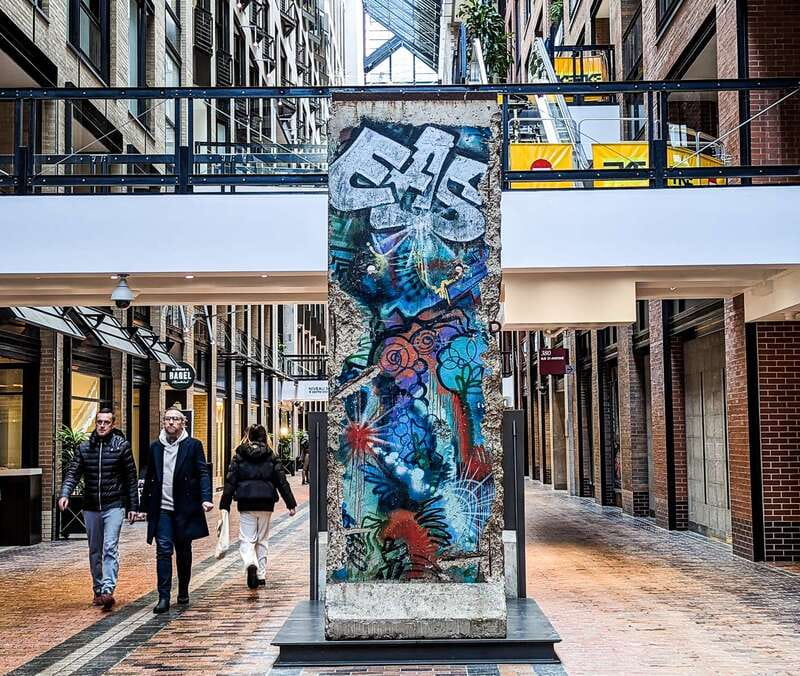
- The RESO is a working city network, not just an indoor shopping centre: You’ll see office towers, Metro connections, public art, food courts, shops, and unusual architectural spaces.
- The walk links underground and outdoor Montreal: Key sights include Place Ville-Marie, Christ Church Cathedral, and World Trade Centre Montreal.
- Licensed guides lead the experience: MTL Detours guides hold the mandatory City of Montreal guiding permit.
- The tour teaches navigation, not just sightseeing: You’ll learn how the Metro and RESO fit together so you can return below street level later.
- The timing works well in difficult weather: Two hours indoors and outdoors can be especially useful during Montreal’s cold, wet, or very hot days.
- The price is reasonable for an orientation tour: At $30 per person, you’re paying for local explanation, route finding, and a useful introduction rather than admission to a single attraction.
Why Montreal’s RESO is worth seeing with a guide
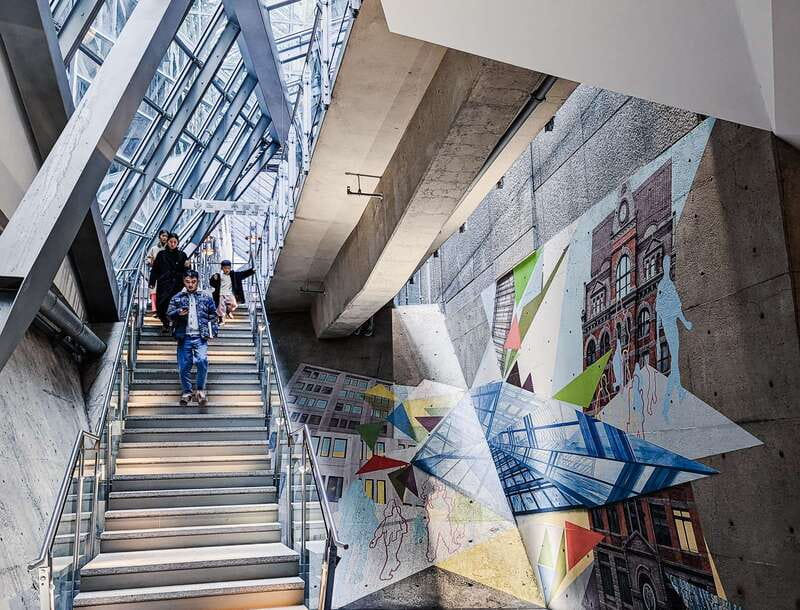
Montreal’s Underground City is easy to misunderstand. The name suggests one enormous underground mall, but the RESO is really a linked pedestrian system spread beneath and between downtown buildings. It includes shopping centres, office complexes, Metro stations, hotels, cafés, public art, and connections to historic and modern buildings.
On your own, you can certainly enter parts of it. The hard part is understanding how the pieces connect. Signs are useful, but the network can feel like a series of corridors that change character from one building to the next. A guide helps turn that confusion into a readable map.
The tour also puts the RESO in context. You hear how Expo 67 helped shape Montreal’s modern planning and how the city developed ways for people to move through downtown during severe winter weather. That background gives the corridors more meaning. You are not simply passing storefronts. You are looking at a city adapting its daily life to climate, transportation, commerce, and changing architecture.
I especially like that the walk does not stay underground for two hours. Montreal makes more sense when you see the relationship between the interior network and the streets above it. The outdoor portions help you connect the buildings, landmarks, and entrances that can otherwise seem unrelated.
More Walking & Ghost Tours in Montreal
- The Original Old Montréal Walking Tour by Guidatour
★ 4.5 · 2,217 reviews - Old Montreal Small-Group Walking Tour | Max 10 | by MTL Detours
★ 5.0 · 2,088 reviews - Montréal: The Original Old Montréal Walking Tour
★ 4.8 · 911 reviews
Meeting your guide on McGill College Avenue
The meeting point is outside the Humble Lion café at 1204 McGill College Avenue, between Sainte-Catherine Street and Cathcart Street. Plan to arrive 10 to 15 minutes early. The guide does not wait for late arrivals, and a busy downtown block is not the place to search calmly for a group at the last minute.
One practical note: the exact entrance can be less obvious if a nearby hotel entrance is closed. Look for the guide on the sidewalk outside the café rather than assuming the group will gather inside. This is a walking tour, so wear shoes that can handle several hours on hard surfaces.
The tour is conducted in English, and every participant needs a paid ticket. The minimum age is 12. The advertised group limit is 10 people, although the inclusion information also lists a maximum of 12, so it is sensible to confirm the group size when booking if that matters to you.
Starting above ground in downtown Montreal
The outdoor portion gives you a basic map of downtown before the route heads below street level. This is useful because the RESO is tied to specific towers, malls, transit stations, and public buildings. Once you know the street pattern, the underground turns feel less random.
Place Ville-Marie is one of the important reference points. It represents the modern downtown core and helps explain the way Montreal’s office towers became linked to interior pedestrian routes. Your guide may use buildings such as this to show how the network grew as downtown development spread.
Christ Church Cathedral adds a different layer. Its presence among office towers and commercial buildings shows how older Montreal institutions sit beside the city’s modern business centre. The contrast is one of the pleasures of this walk. You are not seeing a single period of the city, but several versions of Montreal pressed close together.
World Trade Centre Montreal provides another notable stop. It is one of the more distinctive downtown spaces and helps show how former industrial or historic structures have been folded into the modern city. The precise route can vary, but the goal is consistent: connect street-level landmarks with the spaces below them.
The walking pace is designed for explanation rather than speed. Guides such as Martin, Catherine, Elise, Isabelle, Gabriella, and Amelie have been praised for clear storytelling, warmth, patience, and good answers to questions. The individual guide makes a difference here because the route depends as much on explanation as on the buildings themselves.
Entering the RESO through corridors, escalators, and stairs
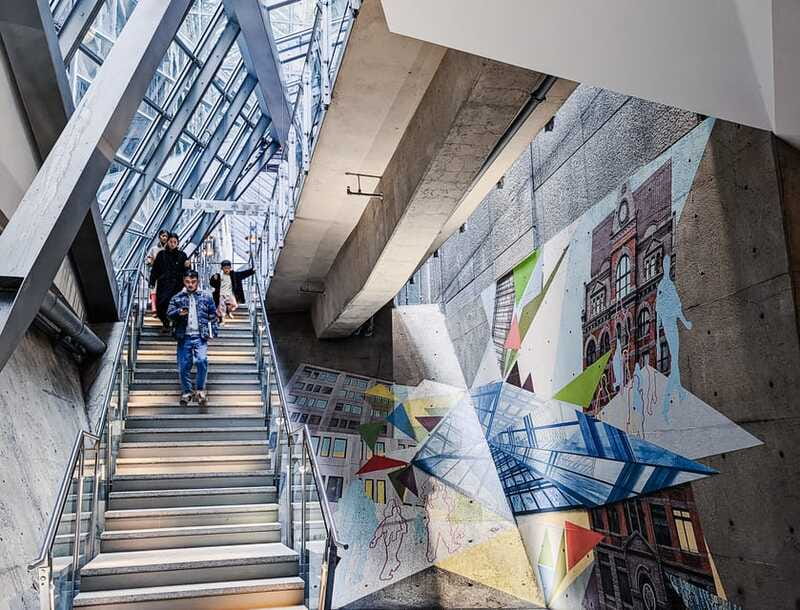
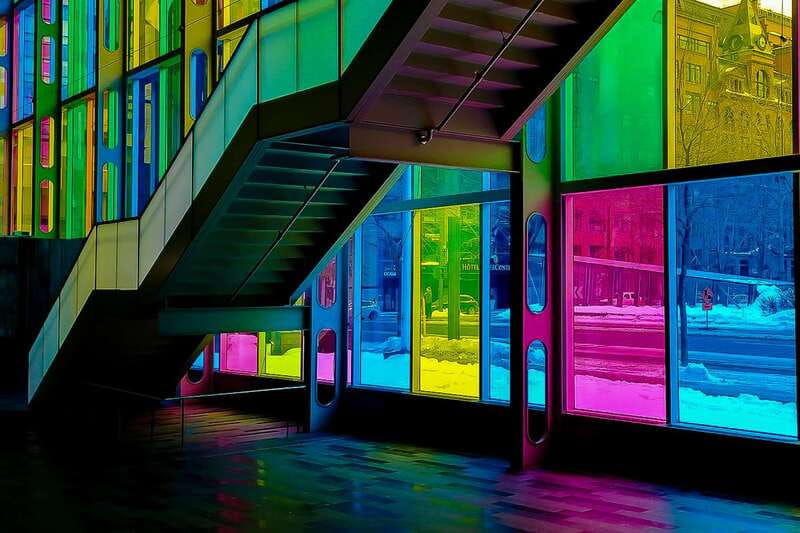
Once you head below street level, expect a mix of corridors rather than one continuous tunnel. Some parts feel commercial, with shops and food options. Other sections are more about architecture, public art, office access, or the practical links between Metro stations and downtown buildings.
The route includes staircases, mostly going down, as well as escalators and slopes. It covers about three miles in two hours, so this is active sightseeing even though much of it is indoors. You will want comfortable shoes and a coat that you can manage when moving between heated interiors and the street.
The guide selects sections that are interesting and photogenic instead of attempting to cover the entire 33-kilometre network. That is the right approach. Walking every branch would be exhausting and would not help you understand the system. A focused route gives you examples of the different spaces and shows you how to continue exploring independently.
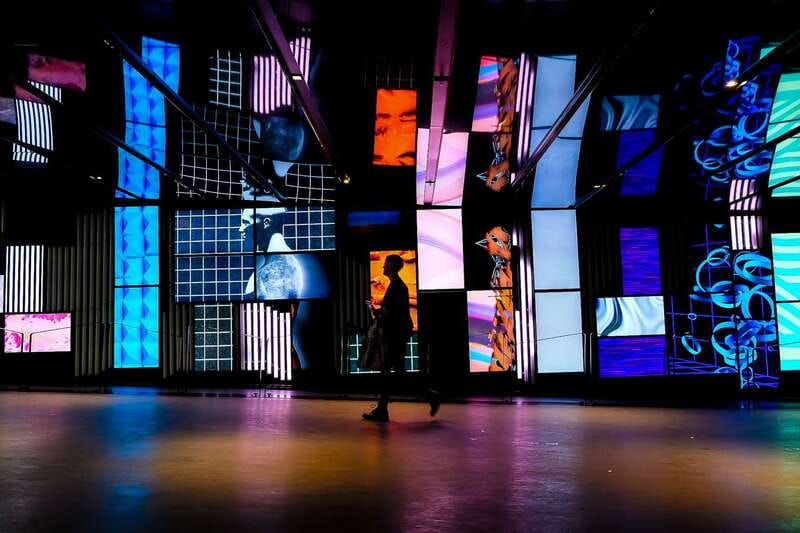
Public art is one of the best reasons to take the guided route. In a normal shopping or commuting trip, you might pass these works without noticing them. The guide draws attention to the artists, the design choices, and the role of art in making a practical transport network feel like part of the city rather than a collection of hallways.
You will also learn how the Metro integrates with the RESO. That lesson has real value. After the tour, you can use the underground network to move between selected parts of downtown, find food, reach shopping areas, or get out of bad weather without treating every corridor as a puzzle.
Same province, a completely different day out:
- Montreal: Guided Bus Tour
★ 4.4 · 3,064 reviews - Montreal: Hop-On Hop-Off Double-Decker Bus Tour
★ 4.1 · 2,760 reviews - From Montreal: Quebec City and Montmorency Falls Day Trip
★ 4.5 · 2,669 reviews - Montreal Mile End Authentic Food Tour with 7 Delicacies Tastings
★ 5.0 · 2,598 reviews
This is more than an indoor mall walk
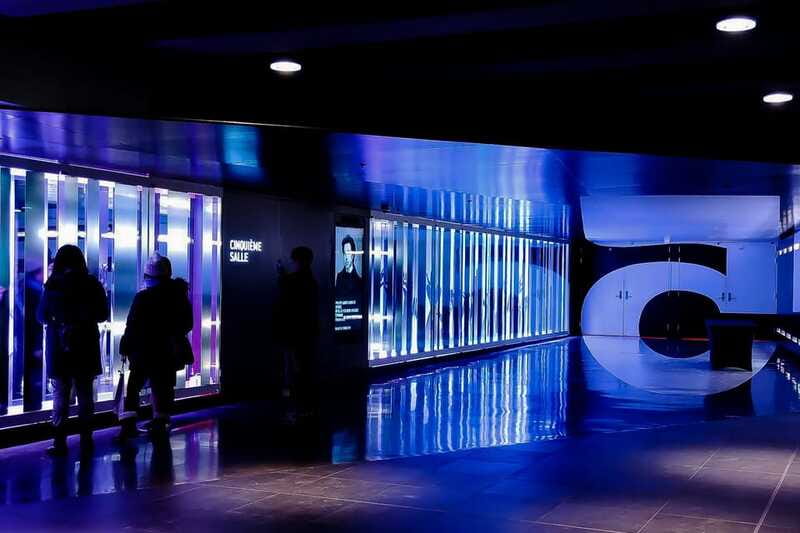
Some visitors may expect a grand underground attraction with dramatic caverns. That is not what the RESO offers. Much of it is a useful, modern pedestrian system, and some sections are plainly commercial or functional.
The appeal comes from the combination of urban planning, everyday life, and hidden connections. You see how people work, shop, commute, eat, and move through downtown without returning to the street at every step. In winter, that practical side becomes especially clear. The network is part of how Montreal handles its climate.
The tour also avoids treating the RESO as separate from the city above. Historical background covers Montreal’s past, while discussion of urban design and current use points toward the city’s future. The result is a broader look at Montreal’s identity, with the underground network as the thread holding the walk together.
That balance is important. If you only want a conventional downtown sightseeing walk, the RESO sections may feel like a detour. If you are curious about cities and how they function, the unusual setting is the main attraction.
Food, art, and navigation tips you can use later
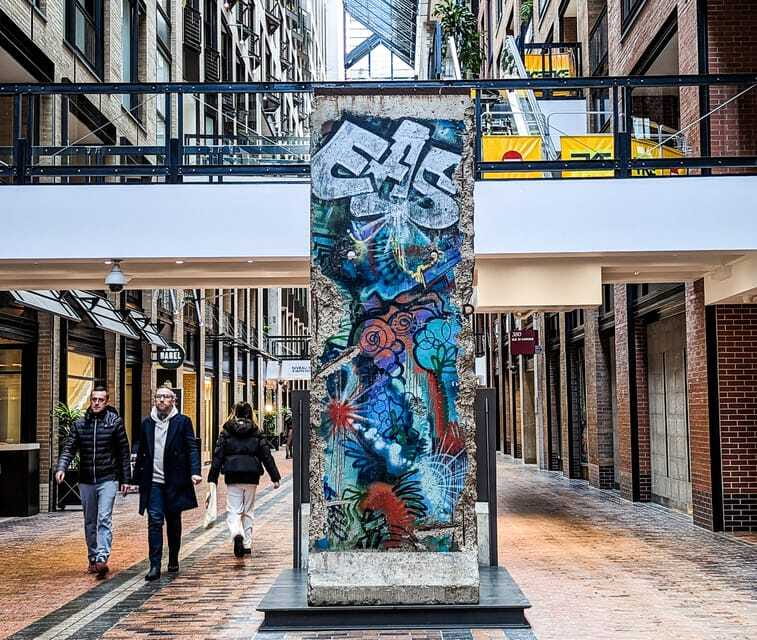
A printed recommendation list at the end adds practical value. It covers places to eat, drink, explore, and experience Montreal in a local way. You should not treat it as a full dining guide, but it gives you starting points for the rest of your stay.
One useful tip is Time Out Market Montreal, an upscale food hall connected to the RESO. It can be a convenient place to eat after the tour or later when you are already using the network. The tour can help you understand how to reach food options without wandering through unrelated corridors.
The recommendations are most useful if you take the tour early in your visit. You can use the rest of your time to return to places that caught your interest, try a suggested café or restaurant, or use the RESO as a practical route between downtown stops.
Several guides have also offered suggestions for lunch, bars, cafés, and places to visit. That personal exchange is one advantage of a small independent company. You can ask about the kind of meal or activity you want instead of receiving only a fixed speech.
How much value do you get for $30?
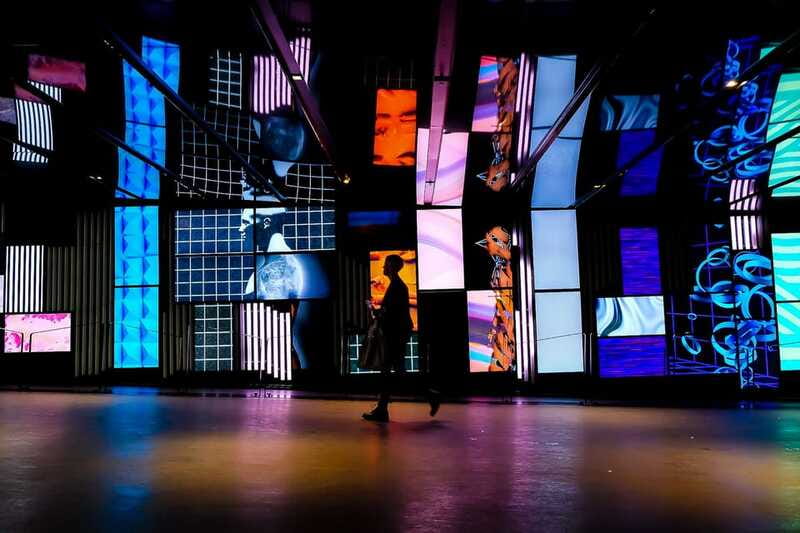
At $30 per person, this is fairly priced for a two-hour guided orientation in central Montreal. You are not paying for entry to a major museum or monument. You are paying for a licensed guide who knows how the network fits together, selects worthwhile sections, explains the city’s development, and answers questions along the way.
The value is strongest if you would otherwise feel lost underground. A self-guided walk might show you shops and passageways, but it would be harder to understand the origins of the system, the relationship between Metro stations and buildings, or the meaning of the public art.
The price also compares well with the time saved. You get a structured route in two hours instead of spending part of your day trying to work out which corridor leads where. The printed recommendations add a small but useful extra.
Still, you should choose the tour for its guidance, not because the RESO itself has a ticketed attraction at every turn. If you are comfortable navigating downtown and mainly want to shop indoors, you may prefer to explore independently. If you want stories, context, and a practical introduction, $30 is a sensible spend.
Free cancellation up to 24 hours before the start and the option to reserve now and pay later make it easier to fit into a changing itinerary. Hotel pickup and drop-off are not included, but the central meeting point is reachable on foot or by public transportation.
Weather, fitness, and who should skip it
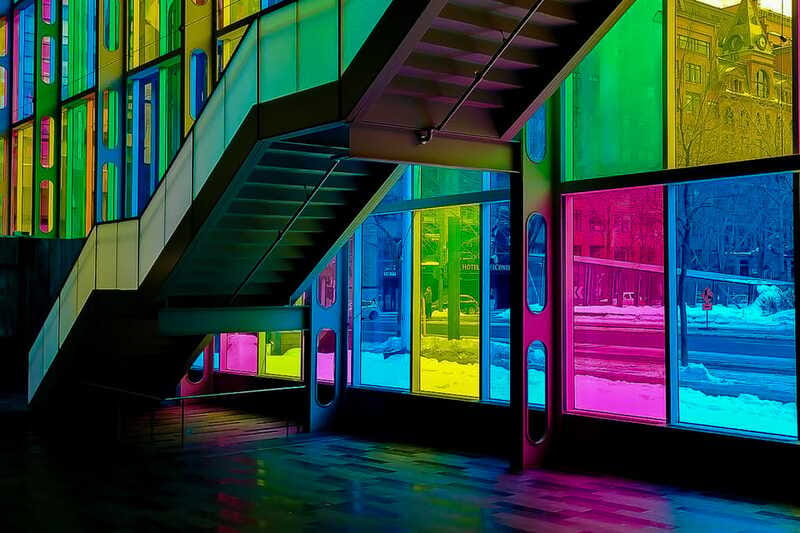
This is one of the better Montreal activities for a bad-weather day. The indoor sections protect you from much of the cold, rain, or heat, but the tour is not entirely indoors. Dress for the forecast and bring footwear suited to a long walk.
You need a moderate level of fitness. The route includes stairs, mostly descending, escalators, slopes, and about three miles of walking. The tour is not recommended for wheelchair users, people with mobility impairments, people with visual impairments, or those with serious medical conditions or impairments.
One guide was praised for being patient with participants who had some mobility concerns, but that should not be taken as a guarantee that the route is suitable for everyone. Ask the operator before booking if you are unsure about stairs, slopes, or the pace.
Children under 12 cannot attend. For families with teenagers, the tour may work well if they enjoy architecture, city planning, public art, or unusual ways of seeing a city. For younger children, the amount of walking and the functional nature of many corridors may be a poor match.
Book early in your Montreal stay
I would schedule this tour near the beginning of your visit. The city orientation helps you understand downtown street locations, Metro connections, and the RESO before you need them.
It also gives you a useful response to the weather. If a cold or rainy day arrives, you will already know how to use the network instead of seeing it as a confusing fallback. On a hot day, the indoor route offers a change of pace, though you still need to handle the outdoor sections.
The two-hour duration fits neatly into a morning or afternoon. You can follow it with lunch, continue exploring downtown, or use the recommendation list to plan the rest of your day. Since the route is in a central area, it works well as an introduction rather than a full-day commitment.
Should you book the RESO and downtown walk?
Book it if you want more than a shopping-centre visit and you enjoy understanding how a city works. The strongest parts are the licensed local guides, the small group, the connection between underground and outdoor Montreal, and the practical navigation lesson.
I would especially recommend it for first-time visitors, people visiting during winter, and anyone interested in architecture, public art, urban design, or local city life. Guides including Martin, Catherine, Elise, and Isabelle have been singled out for their clear explanations, humor, warmth, and useful suggestions.
Skip it if you want a purely outdoor historic walk, dislike stairs, or have limited walking ability. Also keep your expectations realistic: the RESO is a working network, not a single spectacular cavern.
For most visitors who want to see a side of Montreal that is easy to miss, this $30 tour earns its place early in the itinerary. You leave with a better map in your head, a handful of downtown stories, and enough practical advice to use the underground city with confidence.
FAQ
How long is the Montreal RESO and downtown walking tour?
The tour lasts two hours and covers about three miles of walking.
What language is the tour conducted in?
The live tour guide speaks English.
Where does the tour meet?
Meet your MTL Detours guide on the sidewalk outside Humble Lion café at 1204 McGill College Avenue, between Sainte-Catherine Street and Cathcart Street.
How early should I arrive?
Arrive 10 to 15 minutes before the scheduled start. The guide does not wait for late arrivals.
Is the tour entirely underground?
No. The route combines selected sections of the RESO with outdoor sightseeing around downtown Montreal.
What landmarks are included?
The tour includes landmarks such as Place Ville-Marie, Christ Church Cathedral, and World Trade Centre Montreal, along with public art and other downtown spaces.
Is the tour accessible for wheelchair users?
No. The tour is not suitable for wheelchair users, people with mobility impairments, or people with visual impairments. It includes stairs, escalators, and slopes.
Can children join the tour?
Participants must be at least 12 years old, and everyone attending needs a paid ticket.
More Walking Tours in Montreal
- Old Montreal: Traditional Ghost Walk of the Haunted City
★ 4.7 · 746 reviews - Old Montreal Ghost Walking Tour
★ 4.5 · 726 reviews - The Essential 101 Non-Touristy Walking Tour by Spade & Palacio
★ 5.0 · 716 reviews - Montreal: Top Rated Small Group Old Montreal Walking Tour
★ 4.9 · 611 reviews
Just added around Montreal
- Montreal: 3-Day Toronto, Niagara Falls, Thousand Islands★ 4.7 · 5 reviews
- Old Montréal Small-Group Christmas Tour★ 4.4 · 39 reviews
- Secret Food Tours: Montreal – Jean-Talon & Little Italy★ 4.0 · 4 reviews
- Montreal: Maple Syrup Tour with Sugar Shack & Local Cuisine★ 4.1 · 25 reviews
- Port of Montreal Glass Tower Entry★ 4.4 · 129 reviews
- Outdoor mini golf in Montreal★ 4.9 · 13 reviews
- Montreal: An unforgettable guided tour in a vintage 1930s convertible car★ 5.0 · 9 reviews
- Montreal: Private 2h Walking Tour RESO and Old Montreal★ 5.0 · 20 reviews
Walking & Ghost Tours, compared.

Old Quebec City: Grand Walking Tour with Private Option
Read our review →
The Original Old Montréal Walking Tour by Guidatour
Read our review →
Old Montreal Small-Group Walking Tour | Max 10 | by MTL Detours
Read our review →
Old Quebec Classique Walking Tour with Funicular
Read our review →
Old Quebec City Food Tour with 10+ Autentic Local Tastings
Read our review →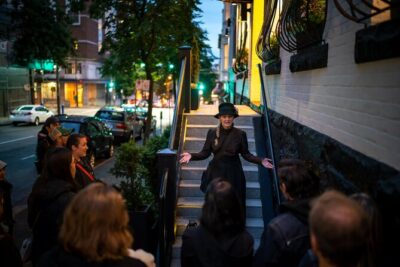

Browse the lists this tour appears in