
Reviewed · WALKING & GHOST TOURS
Toronto: City Walking Tour
Toronto’s PATH network is the surprise star of this walking tour. This mostly underground route connects downtown office towers, shops, restaurants, hotels, and subway stations, giving you a useful lesson in how to move around the city when the weather turns cold or wet. The tour begins in the Entertainment District and ends at St. Lawrence Market, so you get both modern Toronto and its older streets in one morning.
I like the way the tour mixes big sights with practical city skills. You see the CN Tower and Rogers Centre without paying for admission, then learn how to find the waterfront, Union Station, Brookfield Place, and the PATH. I also like the small-group format, limited to 10 people, which leaves room for questions and the kind of local tips that help you plan the rest of your stay.
The main consideration is the amount of walking. You need a moderate level of fitness, and the tour is not suitable for wheelchair users. Three hours can also feel long if you prefer a fast list of photo stops rather than pauses for stories, buildings, and Toronto’s changing neighborhoods.
In This Review
- Key points to know before you book
- Starting beneath Roy Thomson Hall
- The Entertainment District and Toronto’s modern face
- A short pause by Queen’s Quay Terminal
- Finding your way through the PATH
- Brookfield Place and Toronto’s architectural contrasts
- Old Toronto brings a different mood
- Finishing at St. Lawrence Market
- Guides, group size, and the feel of the walk
- Price, pace, and practical value
- Who will get the most from this Toronto walk
- Should you book Buzz Tours City Walking Tour?
- FAQ
- Where does the Toronto City Walking Tour begin?
- How long does the tour last?
- What language is the tour conducted in?
- How many people are in the group?
- What sights are included along the route?
- Does the tour include entry to the CN Tower or Rogers Centre?
- Is food included at St. Lawrence Market?
- Is the tour suitable for wheelchair users?
- Can I cancel for a full refund?
Key points to know before you book
- The route links new and old Toronto: Walk from the Entertainment District and CN Tower area to the waterfront, PATH, Brookfield Place, Old Toronto, and St. Lawrence Market.
- The PATH is more than a shortcut: Your guide explains how Toronto’s enormous underground pedestrian system works, including its shops, food spots, hotels, and subway links.
- The small group changes the feel: With no more than 10 participants, you can ask questions and speak with your guide throughout the walk.
- Guides bring local personality: Nick, Ken, Dave, Jason, Ram, Neil, and other Buzz Tours guides are known for stories, humor, city knowledge, and clear explanations.
- The ending works well for lunch: St. Lawrence Market gives you a natural place to keep exploring and sample Toronto foods after the tour.
- The tour is useful early in your stay: It gives you routes and landmarks you can use later, including directions for reaching the Toronto Islands.
Starting beneath Roy Thomson Hall
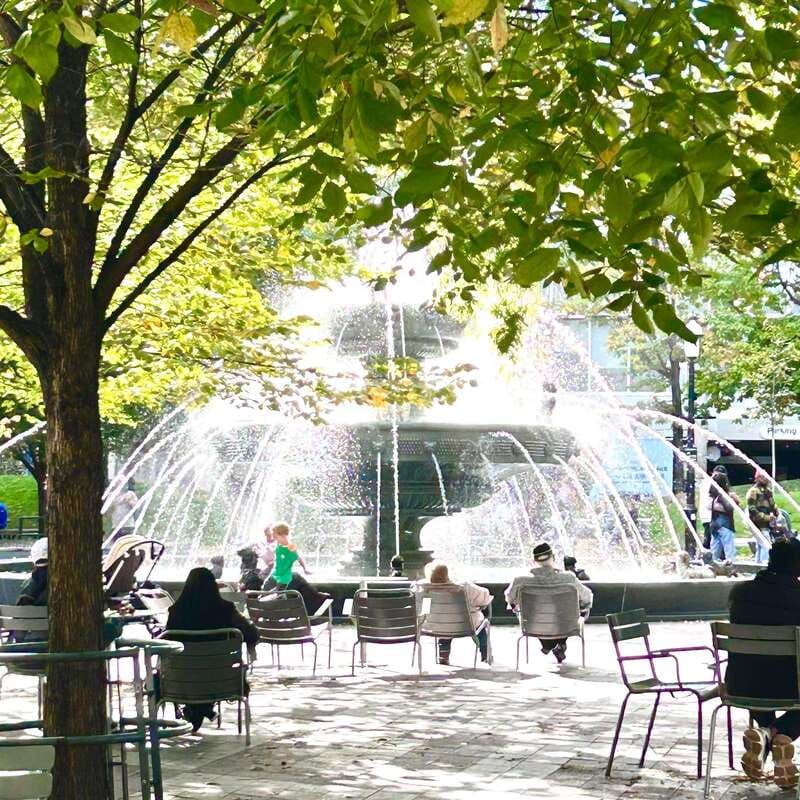
Meet your guide at the southwest corner of King Street West and Simcoe, beneath the small electronic billboard for Roy Thomson Hall. This is a central meeting point in Toronto’s Entertainment District, an area filled with theaters, restaurants, bars, nightclubs, and concert venues.
The opening location immediately shows you one side of downtown Toronto. The district is not a quiet historic quarter. It is a working and entertainment center, with large venues and a steady flow of people. Your guide begins by introducing the group, which helps a small collection of strangers feel more comfortable walking and talking together.
That social element is part of the tour’s appeal. Guides such as Ken and Nick have used introductions, photos, and conversation to make the walk feel relaxed rather than formal. If you are traveling alone, this is especially useful. You are not simply following a guide from one landmark to another. You have a chance to ask about restaurants, neighborhoods, sightseeing, and the rest of your Toronto plans.
More Walking & Ghost Tours in Toronto
- Show me the City! A Small Group Walking Tour of Toronto
★ 5.0 · 621 reviews - Toronto Distillery District Walking Tour
★ 5.0 · 327 reviews - Toronto: City Highlights Walking Tour | 3-Hour
★ 4.6 · 306 reviews
The Entertainment District and Toronto’s modern face
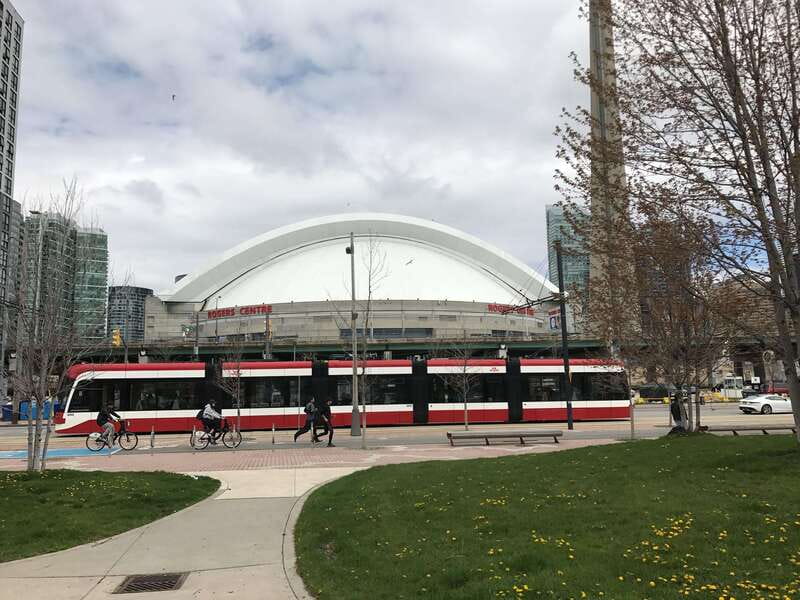
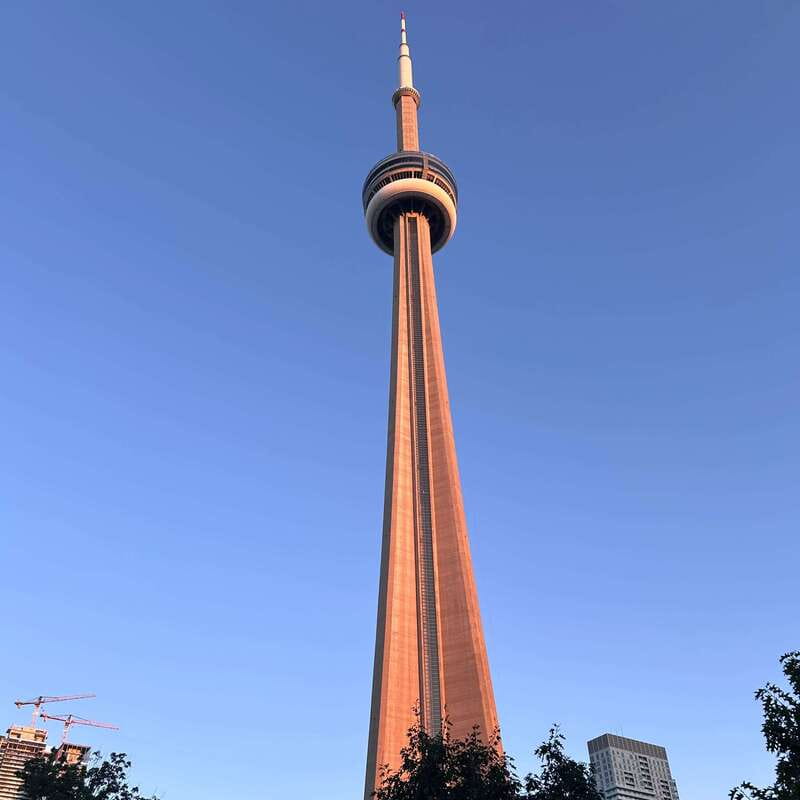
The first section takes you through central downtown toward the waterfront. Along the way, you pass two of Toronto’s best-known structures, the CN Tower and Rogers Centre.
The CN Tower once held the title of the world’s tallest freestanding structure. The tour does not include entry, so this is an outside look rather than a trip up the tower. That keeps the price down and suits anyone who already has separate plans for the observation levels. If the tower is a major priority, you will need to arrange that visit on your own.
Rogers Centre, still called the Skydome by many locals, offers another useful piece of Toronto context. The building is famous for its retractable roof and its role in the city’s sports and entertainment life. Your guide shares stories about the stadium, which adds more value than simply stopping for a photograph.
This is where a good guide matters. Nick, Ken, Dave, Jason, and the other Buzz Tours guides use humor, anecdotes, and visual material to explain how Toronto has changed. Several guides have used photo albums or flash cards to show the city’s earlier appearance. That can make a street corner or modern tower easier to understand than a list of dates.
The route also passes parks, concert venues, and a display of historic railroad cars. These are the kinds of details you might miss if you simply walk downtown with a map. The tour covers a fairly compact part of the city, but it fills that area with context.
A short pause by Queen’s Quay Terminal
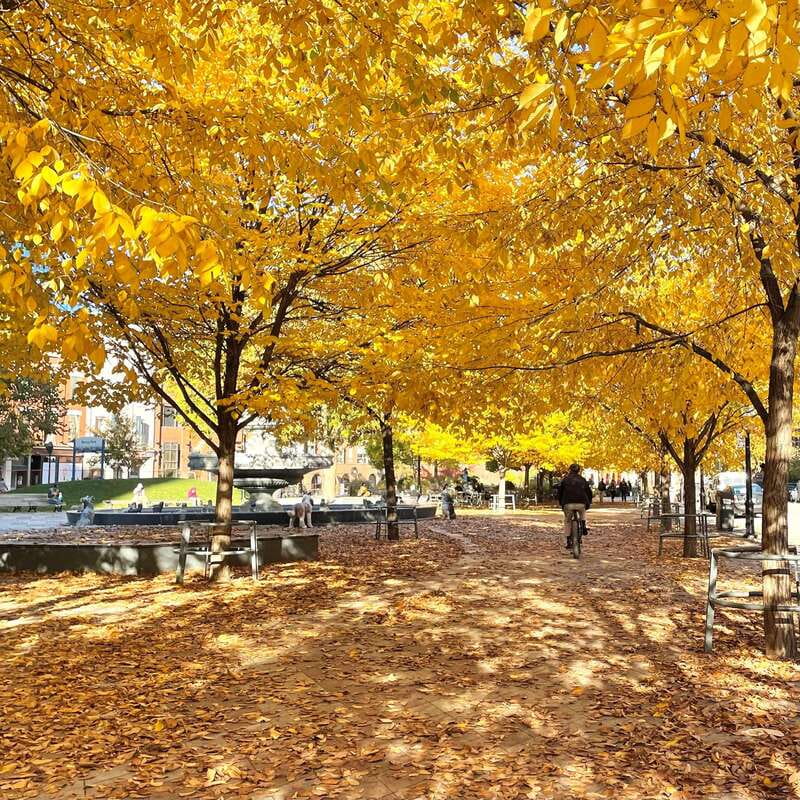
The route reaches Toronto’s waterfront and includes entry to Queen’s Quay Terminal. This gives you a change of pace after the denser streets of the Entertainment District and downtown core.
The waterfront stop is brief, with time to pause before continuing. Do not treat it as a full waterfront tour. The central purpose is to connect the downtown route with the lakefront and help you understand where the ferry area and Toronto Islands fit into the city.
Your guide explains how to get to the Toronto Islands and what you can do there. That is practical information for a later half-day, since the islands are not the main activity on this tour and ferry admission is not included. If the islands are on your list, pay close attention here and ask for current directions.
This stop also makes the city feel larger. Toronto’s core is dense and vertical, while the waterfront opens the view and gives you a clearer sense of the city’s position on Lake Ontario. You get the orientation without spending the whole tour at the lake.
Finding your way through the PATH
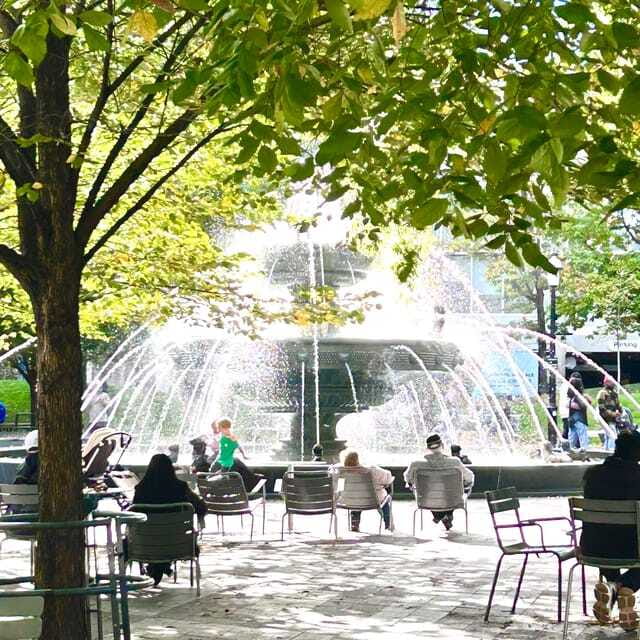
The most useful part of the tour for many first-time visitors is the move into the PATH. This is a mostly underground pedestrian system stretching more than 30 kilometers, or about 20 miles. It links much of downtown Toronto through a network of corridors and buildings.
The numbers help explain its scale. The PATH includes about 600 places to eat, more than 800 shops, six subway stations, and seven hotels. It is not one simple tunnel with a single entrance and exit. It is a system spread across the city, and the first attempt to use it can be confusing.
A guide gives you the basic logic behind it. You learn how the PATH connects office towers and how it can help you avoid winter wind, rain, and heavy snow. For a short visit, this is a real benefit. You may use the route to reach a restaurant, shopping area, hotel, or subway station without returning to street level.
The tour moves in and out of the PATH rather than staying underground for the entire section. That is important because you see how the system fits into Toronto’s streets and buildings. You are learning a route, not just inspecting an unusual piece of city infrastructure.
The PATH can also be busy at workday times, and signs may take concentration. Do not expect a leisurely underground stroll with open views. The appeal is practical: your guide helps you make sense of a system that can save time and keep you dry.
Same province, a completely different day out:
- Toronto: Niagara Falls Day Tour with Optional Boat Cruise
★ 4.6 · 3,178 reviews - Niagara Falls Day Tour from Toronto
★ 5.0 · 2,889 reviews - Toronto: Casa Loma Entry Ticket
★ 4.7 · 2,705 reviews - Niagara Falls Canada Day Tour From Toronto + Boat Cruise Option
★ 5.0 · 2,576 reviews
Brookfield Place and Toronto’s architectural contrasts

After using parts of the PATH, the tour enters Brookfield Place. Its design includes the dramatic Allen Lambert Galleria by Spanish architect Santiago Calatrava. The building is one of Toronto’s most striking indoor spaces, with tall white structural forms that create a cathedral-like effect.
Brookfield Place makes a strong transition in the itinerary. One moment you are in a utilitarian pedestrian network built around offices, and the next you are in a carefully designed public interior. The guide can point out details that are easy to miss when you are rushing between meetings or subway connections.
This section also helps explain Toronto’s mix of architecture. The city is not presented as one preserved historic center. Modern office towers, sports venues, underground walkways, and older commercial buildings sit close together. The tour’s value comes from showing how these parts relate to each other.
If you enjoy architecture, ask questions here. Guides have a good opportunity to explain the building, the architect, and the way the space works. The experience is not a specialist architecture tour, but it gives you enough detail to look more closely at Toronto’s buildings later.
Old Toronto brings a different mood
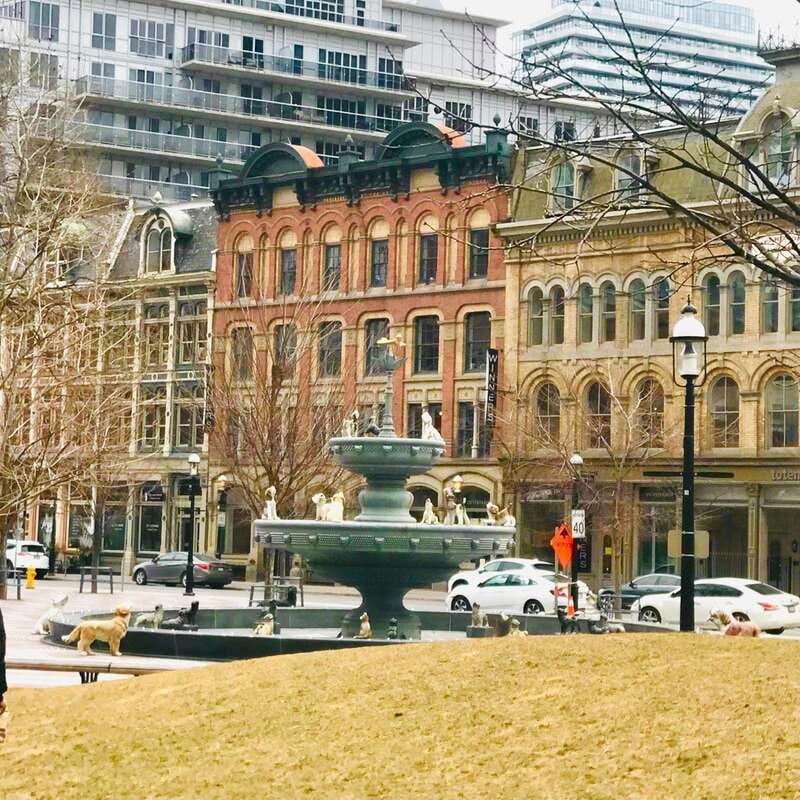
The final third of the walk moves into Old Toronto, where you see buildings dating from the city’s 19th-century growth. The atmosphere changes noticeably from the newer downtown core.
Here, the guide provides stories about Toronto’s founders, its development, and the people who shaped the city. The historical material is presented through buildings and streets, not just dates. That makes the past easier to connect with what you are seeing in front of you.
The change in surroundings is one of the strongest parts of the route. Toronto can feel like a wall of glass and steel in the financial district. Old Toronto gives you older facades, established streets, and a different pace. It is also an area with good restaurants, so take note of places your guide recommends.
The pace is steady, with frequent stops. This suits you if you want time to listen, take photographs, and ask questions. It is less suitable if you want to cover a huge geographic area. The tour gives you a well-explained introduction to central Toronto rather than an attempt to see every neighborhood.
Guides have also been praised for using humor without turning the tour into a comedy routine. That balance matters over three hours. A dry history lecture can drag, while a nonstop joke session may leave you without useful information. The strongest guides, including Nick, Ken, Dave, and Jason, appear to combine clear facts with personal stories and a warm manner.
Finishing at St. Lawrence Market
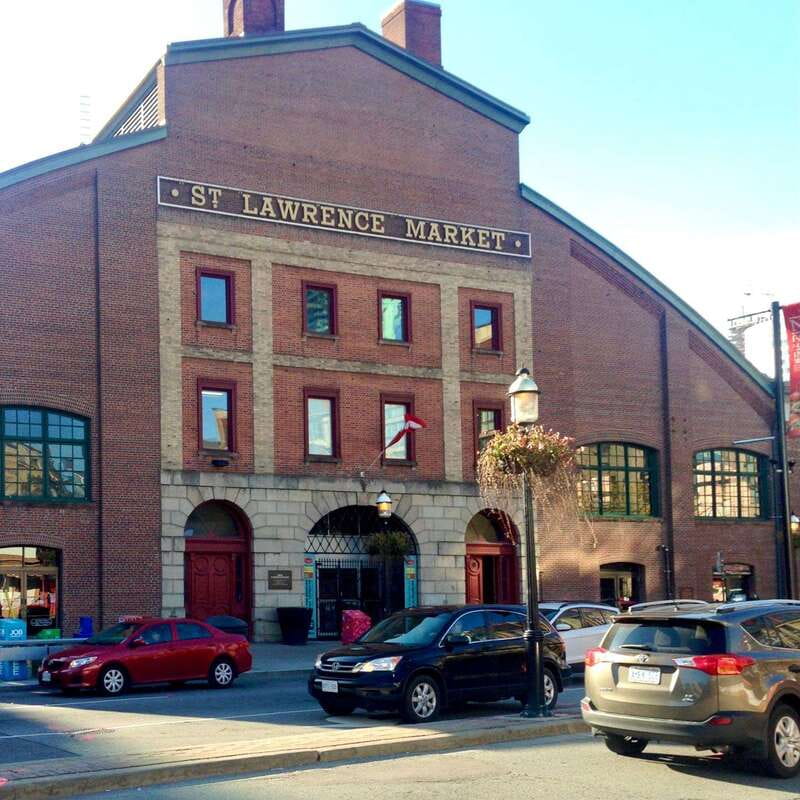
The tour ends at St. Lawrence Market, a fitting place to stop because it combines local food, history, and practical sightseeing. The guide points out popular foods and places to eat inside the market.
Food and drinks are not included, so plan to pay for anything you sample. That is not a problem here. The market is designed for browsing, and the end of the tour gives you time to continue at your own pace rather than being rushed from one included tasting to another.
The timing is useful if your tour ends around lunch. You can eat immediately, return to a favorite stall, or use the market as a base for exploring nearby Old Toronto. One participant particularly appreciated finishing at the market at lunchtime, and I can see why. It turns the last stop into part of your day rather than a place you simply photograph and leave.
The market also gives you a final chance to use your guide’s recommendations. Ask what to order, where to return, and which nearby areas deserve more time. The best benefit of a city tour is often not the three hours themselves, but the better choices you make afterward.
Guides, group size, and the feel of the walk
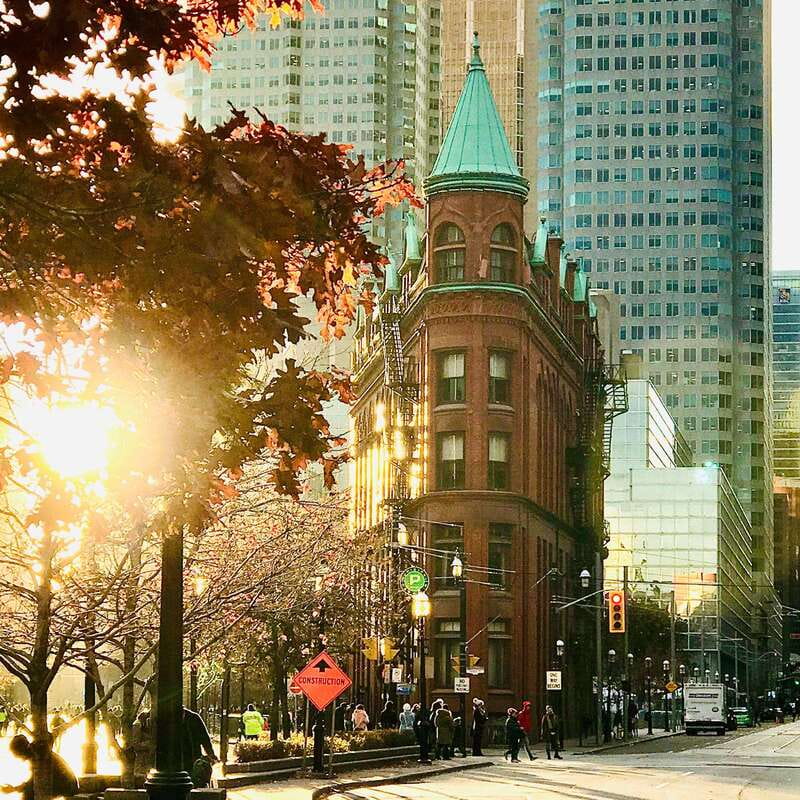
Buzz Tours has operated walking tours in Toronto for 10 years. The company uses local English-speaking guides who have lived in Toronto for a long time and explain the city through stories rather than reading a fixed script.
The guide assigned to your tour can vary. Nick has led many highly praised walks and is described as friendly, patient, and clear. Ken has used historical photos and flash cards, while Dave is known for humor and a strong grasp of Toronto’s past. Jason, Ram, Neil, and Justin have also led tours with an informal style.
That variation is worth understanding. The route is broadly the same, but the storytelling will have a personal touch depending on your guide. You may get more architecture, more local history, more jokes, or more practical recommendations. The small group gives you a good chance to shape the conversation with questions.
The group limit is 10 people. Some departures may be smaller, and a very small booking may still operate rather than being canceled. That can create an almost private experience, though you should not book on the assumption that you will have the guide alone.
The social side is a real plus. One guide has been known to introduce group members, and one group continued to a pub recommended by the guide after the walk. That is not an included part of the tour, but it shows how the conversational format can extend beyond the formal route.
Price, pace, and practical value
At $38 per person, this is a reasonable price for a three-hour guided introduction to central Toronto. You are paying for a local guide, a carefully connected route, and access through several major public and private spaces, including Queen’s Quay Terminal, the PATH, Union Station, Brookfield Place, and St. Lawrence Market.
The value is strongest if you are new to Toronto. On your own, you could visit the CN Tower area, waterfront, PATH, and market, but you might not understand how they fit together. You could also walk past buildings without learning why they matter. The guide supplies the connections.
The price does not include entry to the CN Tower or Rogers Centre, food, or drinks. That is worth keeping in mind when comparing this tour with sightseeing packages that include admissions. Here, the emphasis is on orientation and storytelling, not paid attractions.
The tour lasts three hours and requires steady walking. Wear comfortable shoes and bring a camera. Toronto weather can change, and the PATH helps in rain or winter conditions, but parts of the experience are outdoors. Children must be accompanied by an adult, pets are not allowed, and the activity is not suitable for wheelchair users or people with a low level of fitness.
You can cancel up to 24 hours before the tour for a full refund, and the reserve-now, pay-later option gives you some flexibility while planning.
Who will get the most from this Toronto walk
I would book this tour early in a Toronto visit, especially if you want to understand downtown before exploring on your own. The route gives you a useful mental map, and the PATH lesson may save you time during bad weather.
It suits first-time visitors, solo visitors, couples, families with older children, and anyone who prefers stories over a checklist of photo stops. It also works well for people who enjoy architecture and city planning, since the route moves through sports venues, office towers, historic buildings, underground corridors, and a major market.
You may want something else if you have limited mobility, dislike walking for several hours, or mainly want admission to the CN Tower and Rogers Centre. This is not a hop-on, hop-off substitute and does not attempt to cover Toronto’s far-flung neighborhoods.
For the best experience, keep the rest of the day flexible. You may want to eat at St. Lawrence Market, return to the waterfront, visit the Toronto Islands, or follow one of the restaurant and sightseeing suggestions you receive along the way.
Should you book Buzz Tours City Walking Tour?
Book it if you want a friendly, useful introduction to central Toronto with a local guide who can explain both the city’s past and its everyday systems. The PATH orientation, small group, Old Toronto section, and finish at St. Lawrence Market give the tour more practical value than a simple downtown landmark walk.
Skip it if you need a fully accessible route, want a low-effort sightseeing option, or prefer to spend three hours inside paid attractions. For most reasonably fit first-time visitors, $38 is a fair price for a well-paced overview that helps you feel less lost in a very large city.
FAQ
Where does the Toronto City Walking Tour begin?
The tour begins at the southwest corner of King Street West and Simcoe, beneath the small electronic billboard for Roy Thomson Hall.
How long does the tour last?
The walking tour lasts three hours.
What language is the tour conducted in?
The tour is conducted in English with a live English-speaking guide.
How many people are in the group?
The group is limited to 10 participants.
What sights are included along the route?
The route includes the Entertainment District, CN Tower, Rogers Centre, Toronto’s waterfront, Queen’s Quay Terminal, the PATH, Union Station, Brookfield Place, Old Toronto, and St. Lawrence Market.
Does the tour include entry to the CN Tower or Rogers Centre?
No. Entry to the CN Tower and Rogers Centre is not included.
Is food included at St. Lawrence Market?
No. Food and drinks are not included. The guide points out popular foods and places to eat in the market.
Is the tour suitable for wheelchair users?
No. The activity is not suitable for wheelchair users.
Can I cancel for a full refund?
Yes. You can cancel up to 24 hours in advance for a full refund. You can also reserve now and pay later.
More Walking Tours in Toronto
- Old Town Toronto Highlights 3 Hour Walking Tour | Gratuity-Based
★ 4.5 · 290 reviews - Toronto: Dark History Nighttime Walking Tour
★ 4.7 · 273 reviews - Toronto: Distillery District Historic Walking Tour
★ 4.8 · 267 reviews - Toronto: Private Walking Tour with a Local
★ 4.7 · 150 reviews
Just added around Toronto
- Toronto: Winter Niagara Falls Tour with Attractions Package★ 4.7 · 43 reviews
- Toronto Waterfront and Islands Guided Bicycle Tour★ 4.9 · 80 reviews
- Toronto: Toronto Raptors NBA Game Ticket at Scotiabank Arena★ 4.6 · 88 reviews
- Toronto: Toronto Zoo Entry Ticket★ 4.1 · 68 reviews
- Toronto: Toronto Maple Leafs Game Ticket at Scotiabank Arena★ 4.6 · 43 reviews
- Toronto: Craft Brewery Tour★ 5.0 · 8 reviews
- Toronto: Must Do NonTouristy Street Art Tour by local Artist★ 4.9 · 30 reviews
- Toronto: Splendours of Niagara Falls Small Group Tour w/Boat★ 4.8 · 5 reviews
Walking & Ghost Tours, compared.

Old Quebec City: Grand Walking Tour with Private Option
Read our review →
The Original Old Montréal Walking Tour by Guidatour
Read our review →
Old Montreal Small-Group Walking Tour | Max 10 | by MTL Detours
Read our review →
Old Quebec Classique Walking Tour with Funicular
Read our review →
Old Quebec City Food Tour with 10+ Autentic Local Tastings
Read our review →

Browse the lists this tour appears in