
Reviewed · WALKING & GHOST TOURS
Walking Tour Through Quebec City’s History
Quebec City’s story is written into its steep streets, stone walls, church towers, and river views. This small-group walk takes you from Dufferin Terrace down through Old Quebec to Place Royale, linking the sights with tales of French settlement, British rule, governors, bishops, and everyday life.
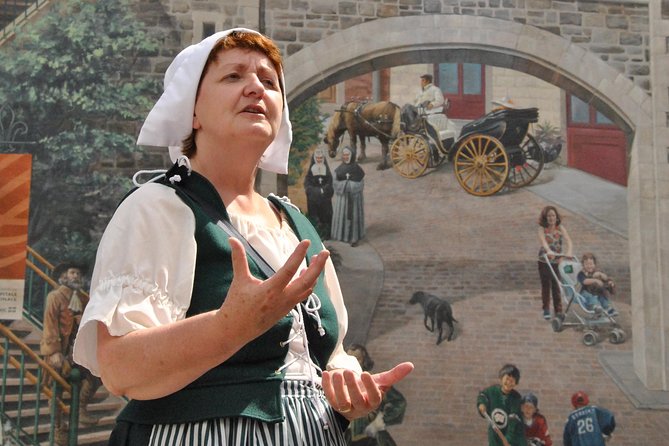
I like the route for two reasons: it gives you the city’s upper and lower levels in one go, and the costumed guide turns a standard sightseeing walk into a small piece of street theater. Guides such as Keven, Mark, Annabelle, Guy, Chantal, Louise, Gary, and Yves have each brought their own style to the telling.
The catch is the terrain. You will handle steep hills, cobblestones, and stairs, including a long descent toward the waterfront. The tour is a good value, but it is not a gentle stroll, and some older walkers may find the climbs and descents tiring.
In This Review
- Key points to know before you book
- Why this two-hour walk helps you understand Quebec City
- Dufferin Terrace sets the scene
- Notre-Dame de Québec adds the human story
- Place Royale marks the beginning of the city
- Petit-Champlain is the visual highlight
- Breakneck Steps are short but revealing
- Cost, group size, and overall value
- What the guide style is really like
- Who will enjoy this walk most
- My verdict on Walking Tour Through Quebec City’s History
- FAQ
- How long does the walking tour last?
- Where does the tour begin?
- Where does the tour end?
- Is the tour offered in English?
- What sights are included?
- Is the tour physically demanding?
- How large is the group?
- Can I cancel for a refund?
Key points to know before you book
- The route crosses both levels of Old Quebec, beginning near the upper town and ending at Place Royale below.
- A guide in period costume tells the story, often adopting the persona of someone from Quebec’s past.
- Dufferin Terrace offers the big opening view, with Château Frontenac and the St. Lawrence River setting the scene.
- Notre-Dame de Québec adds a quieter, more serious stop, with centuries of religious and political history inside.
- Petit-Champlain receives the most walking time, with about 45 minutes among its old streets and lanes.
- The $24.03 price is strong value if you want historical context, orientation, and a compact introduction to Old Quebec.
Why this two-hour walk helps you understand Quebec City
Old Quebec can look almost too pretty to be complicated. The stone façades, narrow lanes, and postcard views make it easy to admire the city without grasping how it developed. This tour gives those details a timeline.
You begin at 12 Rue Sainte-Anne, close to the historic upper town. From there, the route heads through some of the city’s best-known places before finishing at Place Royale, the site linked to Samuel de Champlain’s founding of Quebec in 1608.
I like this structure because the tour does more than point at attractive buildings. It connects the upper town, the lower town, the church, the river, and the old commercial quarter. By the end, you have a basic map in your head, which helps you decide where to return for a meal, a museum, photographs, or a slower look.
The group can include up to 20 people. That is still small enough for a guide to answer questions, though it is not an intimate private walk. The activity is offered in English, and the mobile ticket makes it easy to carry your booking on your phone.
More Walking & Ghost Tours in Quebec City
- Quebec City Walking Tour
★ 5.0 · 4,716 reviews - Old Quebec City: Grand Walking Tour with Private Option
★ 4.8 · 2,609 reviews - Old Quebec Classique Walking Tour with Funicular
★ 5.0 · 1,317 reviews
Dufferin Terrace sets the scene
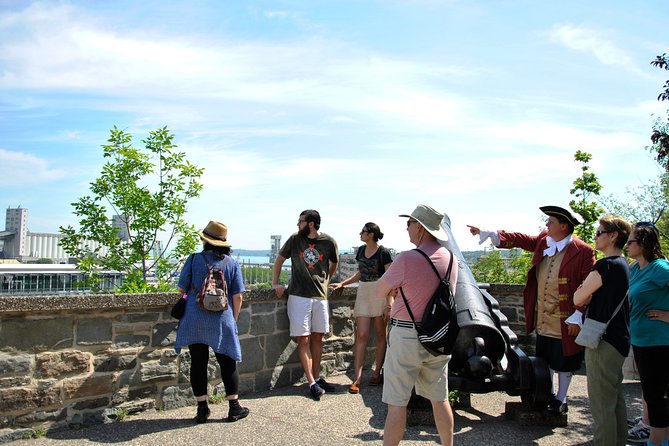
The first listed stop is Dufferin Terrace, a long wooden promenade beside Château Frontenac. You get a wide view over the St. Lawrence River and the surrounding area, making this a smart place to begin a history tour.
The stop is brief, about 10 minutes, so do not expect a long pause for photography or independent exploring. Instead, think of it as the opening page of the story. From here, you can see how Quebec’s position above the river shaped its military and commercial importance.
The terrace is also useful for orientation. You are looking across the river from the high part of the city, while the rest of the walk gradually takes you downward toward the older waterfront districts. If you arrive early, this is a pleasant spot to pause before meeting the guide.
The wooden surface itself is easy underfoot compared with the cobblestones and stairs later on. Still, the route’s first viewpoint may give you a false sense of how easy the whole walk will be. The harder physical section comes as you move between the upper and lower levels.
Notre-Dame de Québec adds the human story
The Basilica of Notre-Dame de Québec has occupied the same location since 1647 and is designated a Canada National Historic Site for its architectural value. It gives the tour a useful shift in tone, from broad city views to the people and institutions that shaped Quebec.
Inside, you can see works of art, archival pieces, and elaborate decoration. The cathedral is also associated with four governors of New France, bishops of the Diocese of Quebec, and a funerary chapel dedicated to François de Laval. A Holy Door may also be visible.
The supplied timing does not give a separate duration for this stop, and the exact amount of interior access can depend on conditions at the church. One useful point is that the tour can still work well if you prefer not to spend a long time indoors. The guide provides the setting and historical meaning, then you can decide how much further you want to explore afterward.
I especially like this stop for visitors who want more than military dates and founding stories. A church reveals how power, faith, art, and public life were tied together in early Quebec. It also gives you a chance to stand somewhere that has witnessed several centuries of the city’s changes.
Place Royale marks the beginning of the city
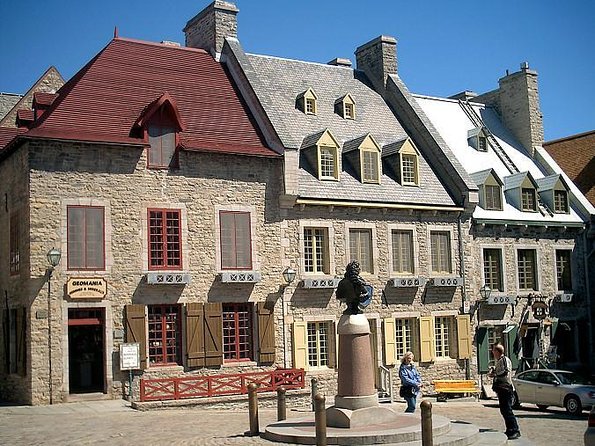
The route then reaches Place Royale, where Samuel de Champlain founded Quebec in 1608. This square is one of the most important points on the walk because it ties the city’s present-day charm to its earliest European settlement.
The buildings around the square show French and British influences. The oldest stone church in North America is also here, adding another layer to the compact setting. You have about 15 minutes at the stop, enough for the guide to explain the square and point out details you might miss when walking alone.
Place Royale rewards a slower look. Notice how the architecture feels different from the grand upper town, and how the square’s scale creates a more enclosed, old-world atmosphere. The guide’s explanation helps you read the buildings as evidence of changing rulers and changing uses, rather than as a row of pretty façades.
The walk ends at Place Royale, which is convenient. You are left at the birthplace of Quebec with the option to continue on your own. That makes the tour a practical first-day activity. Afterward, you can stay in the lower town, return uphill, or use the route as a starting point for further exploring.
Same province, a completely different day out:
- Quebec City: Guided Tour of Fairmont Le Château Frontenac
★ 4.7 · 3,027 reviews - Québec City: Guided Sightseeing River Cruise
★ 4.4 · 3,000 reviews - Half-Day Trip to Montmorency Falls and Ste-Anne-de-Beaupré from Quebec city
★ 4.0 · 2,718 reviews - Quebec City: Montmorency Falls with Cable Car Ride
★ 4.6 · 2,392 reviews
Petit-Champlain is the visual highlight
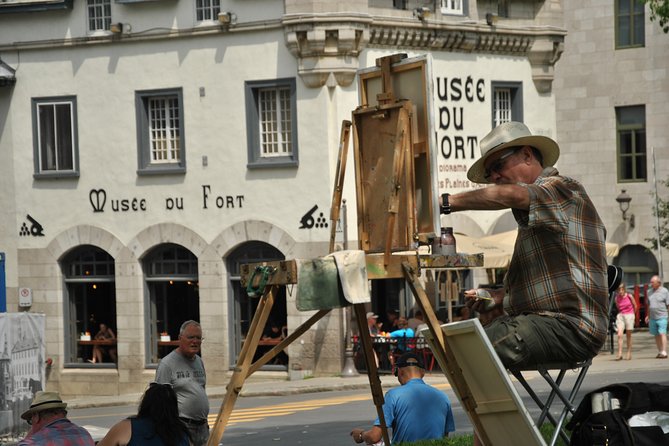
The Petit-Champlain district receives about 45 minutes, the longest portion of the route. That is appropriate. Its lanes, old buildings, and connection to Place Royale create the most immediately memorable part of the walk.
The streets are often described as having a fairytale quality, but the more useful way to think about them is as a surviving urban quarter shaped by the city’s early growth. You get a feel for how people moved, worked, traded, and lived close to the river.
This is also where the guide’s storytelling style matters most. A period character can make the old streets feel less like a museum display and more like a place with competing interests, hard work, family life, and political change. Some guides use humor and dramatic performance. Gary, for example, has presented the tour through the persona of a historical figure, while other guides have used a more conversational style.
That variety can be a strength, but it means the mood is not purely academic. One guide may be restrained and story-focused, while another may play the character strongly, even making pointed jokes about past customs and family life. If you prefer a formal lecture, the theatrical approach may occasionally feel like too much. If you enjoy history told as a living story, it adds energy.
Watch your footing here. Old streets can be uneven, and the route involves more than a flat promenade. Good walking shoes are not optional for most people.
Breakneck Steps are short but revealing
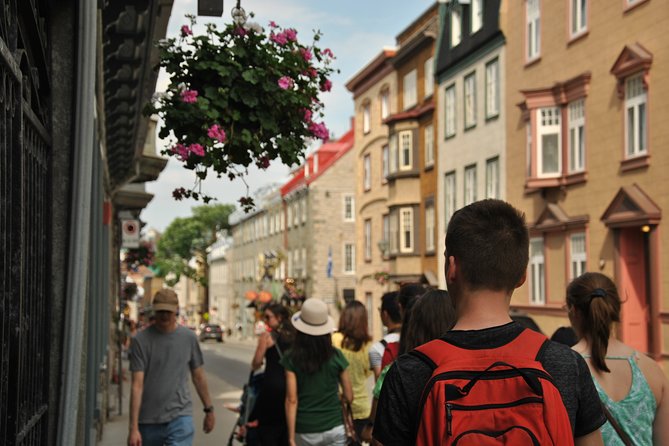
The final named stop is Breakneck Steps, or L’Escalier Casse-Cou. This outdoor staircase dates to the early French colony and is the oldest staircase in Quebec City.
The stop lasts about five minutes, but it gives you one of the classic views of rue du Petit-Champlain. The stairs also make the city’s vertical layout clear. Quebec is not simply an old town beside a river. It is a city built on a sharp division between the upper and lower levels.
The name tells you what you need to know about the physical challenge. The stairs are not a long sightseeing stop, but reaching them and continuing through the route requires balance and stamina. Several people have found the descents tiring, especially older members of a group.
If stairs are difficult for you, read the route description with care before booking. The activity requires a moderate level of physical fitness, and that phrase matters here. The walk includes hills, cobblestones, and a substantial downhill section from the upper terrace toward the waterfront.
Cost, group size, and overall value

At $24.03 per person, this is an inexpensive way to spend two hours in one of North America’s most historic urban areas. You are paying mainly for the guide’s interpretation, route planning, and ability to connect separate landmarks into one story.
The value is best if you are visiting Quebec City for the first time. A self-guided walk can show you the same streets, but it may not explain why Place Royale matters, how the upper and lower towns relate, or what the cathedral’s memorials represent. The tour also takes you to corners and lanes you might skip while wandering without a plan.
A group limit of 20 keeps the cost down while allowing some question time. Several guides have been praised for answering questions and adapting to the group. The strongest experiences appear to come when the guide combines clear facts with humor and a strong sense of character.
The two-hour length is another advantage. It is long enough to establish the city’s story without using up your whole day. Still, one point deserves attention: some people would prefer a one-hour option, especially if they have young children or limited stamina. This is a full walking introduction, not a quick orientation.
The tour is free to cancel up to 24 hours before the start time for a full refund. Changes made less than 24 hours in advance are not accepted, and the activity may be canceled for poor weather or if the minimum number of participants is not reached. In either case, a different date or a full refund is offered.
What the guide style is really like
The guide is the main reason to choose this experience instead of simply following a map. The historical character format gives the walk a clear voice, and guides have included period costumes and first-person storytelling.
Names connected with especially well-received departures include Keven, Mark, Annabelle, Guy, Yves, Chantal, Louise, and Gary. You should not assume you will receive a particular guide, but these examples show the range of personalities involved. Some are funny and lively. Others focus on a detailed account of rulers, events, and the city’s growth.
I would expect the best guide to do three things well: explain the facts, keep the group moving, and leave room for questions. The strongest comments describe guides who were personable, entertaining, and able to make complicated history easy to follow.
The performance can be dramatic. That is part of the appeal, but it is also the main style choice to consider. One guide may play the role with bold gestures and strong emotion. If you like a little theater with your history, you will likely enjoy it. If you want a quiet architectural walk, you may find the presentation overly dramatic at times.
Street noise can also affect the experience. Garbage collection and street cleaning have made it harder to hear on some walks. Staying close to the guide and asking for repetition when needed is sensible.
Who will enjoy this walk most
I would recommend it as one of your first activities in Quebec City if you enjoy learning how a place fits together. The route gives you orientation, major sights, and a usable historical framework before you explore on your own.
It is particularly suited to:
- Adults and families with older children who can listen for two hours
- First-time visitors who want the upper and lower town in one route
- People who enjoy history told through characters and stories
- Anyone who wants a guide to answer questions along the way
- Visitors comfortable with hills, stairs, cobblestones, and a long descent
The tour may be less suitable if you need a flat route, dislike theatrical presentations, or want extensive interior visits. The walk focuses mainly on outdoor streets and landmarks. The cathedral is included in the historical route, but the experience is not designed as a long church visit.
Service animals are allowed, and the meeting point is near public transportation. The tour is offered in English. Since it is a walking activity, wear sturdy shoes and plan for changing weather.
My verdict on Walking Tour Through Quebec City’s History
Book this tour if you want an affordable, story-led introduction to Old Quebec and can manage a hilly route. I like the balance of major sights and smaller streets, especially the progression from Dufferin Terrace to the cathedral, Place Royale, Petit-Champlain, and Breakneck Steps.
The best reason to go is the guide. A strong period-character guide can make four centuries feel immediate instead of distant. You also finish at Place Royale, where you can continue exploring without being rushed back to the starting point.
Skip it if stairs and downhill walking are a serious concern, or if you prefer to explore independently at a slow pace. For most first-time visitors who want history, orientation, and a bit of theatrical fun for $24.03, this is a sensible way to begin your Quebec City stay.
FAQ
How long does the walking tour last?
The tour lasts approximately two hours.
Where does the tour begin?
The meeting point is 12 Rue Sainte-Anne, Québec, QC G1R 3X3, Canada.
Where does the tour end?
The tour ends at Place Royale in Quebec City’s lower town.
Is the tour offered in English?
Yes. The experience is offered in English.
What sights are included?
The route includes Dufferin Terrace, the Basilica of Notre-Dame de Québec, Place Royale, the Petit-Champlain district, and Breakneck Steps.
Is the tour physically demanding?
You should have a moderate level of physical fitness. The route includes steep hills, cobblestones, stairs, and a long downhill walk from the upper terrace toward the waterfront.
How large is the group?
The maximum group size is 20 people.
Can I cancel for a refund?
Yes. You can cancel at least 24 hours before the start time for a full refund. Cancellations or changes made less than 24 hours before the start time are not accepted for a refund.
More Walking Tours in Quebec City
- Quebec: Crimes of New France Animated Walking Tour
★ 4.6 · 926 reviews - Quebec City: Old Quebec Classic Walking Tour with Funicular
★ 4.9 · 695 reviews - Uncover Old Quebec: Fun Walking Tour of the City with Local Guide
★ 5.0 · 667 reviews - Private Tour: Quebec City Walking Tour
★ 5.0 · 596 reviews
More Historical Tours in Quebec City
- Evening Gourmet Tour 5 Course Dinner – History and Food in Old Quebec City
★ 5.0 · 496 reviews - Quebec City: Old Quebec Historical Walking Tour
★ 4.8 · 409 reviews - Combo Historical and Food Tour of Old Quebec
★ 5.0 · 360 reviews - Quebec City: Historical Walking and Tasting Tour
★ 4.8 · 70 reviews
Just added around Quebec City
- Kingston: Skippered Sailing Charter★ 4.7 · 4 reviews
- Quebec: Private custom tour with a local guide★ 4.9 · 4 reviews
- Quebec Interactive Street Theatre: “Crimes in New France”★ 4.6 · 175 reviews
- Quebec : Old Town Walking Tour With A Local Guide★ 4.5 · 38 reviews
- Quebec: Christmas Interactive Walking Tour of New France★ 4.3 · 7 reviews
- Québec: Fortifications-of-Québec Guided Walking Tour★ 4.7 · 60 reviews
- Quebec: Cuivres A. Gilles – (Free Entry) Fee for Workshop★ 4.8 · 19 reviews
- Québec City: Weekend River Brunch Cruise★ 4.5 · 116 reviews
Walking & Ghost Tours, compared.
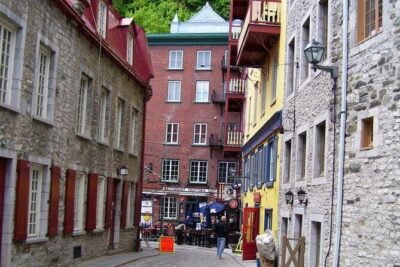

Old Quebec City: Grand Walking Tour with Private Option
Read our review →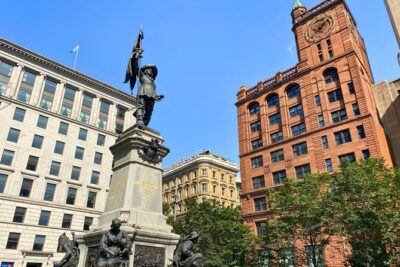
The Original Old Montréal Walking Tour by Guidatour
Read our review →
Old Montreal Small-Group Walking Tour | Max 10 | by MTL Detours
Read our review →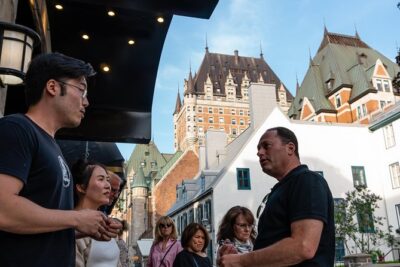
Old Quebec Classique Walking Tour with Funicular
Read our review →
Old Quebec City Food Tour with 10+ Autentic Local Tastings
Read our review →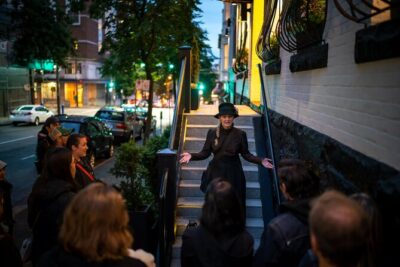

Browse the lists this tour appears in