
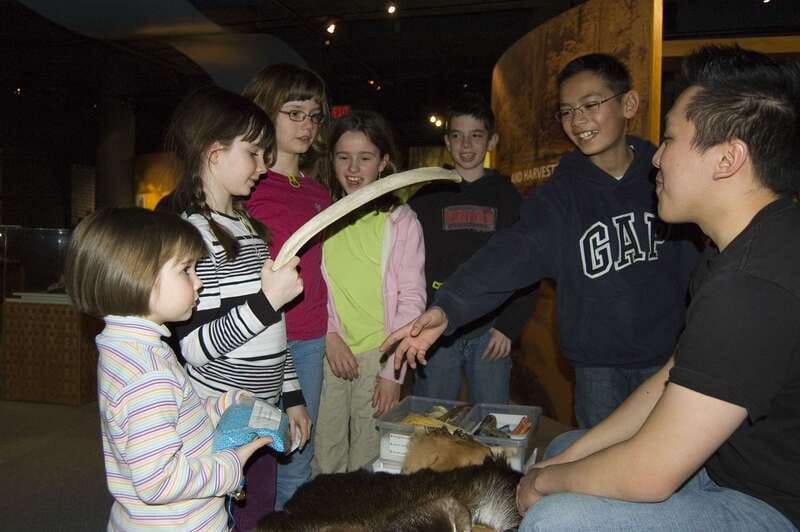
Reviewed · MUSEUMS
Toronto: Bata Shoe Museum Entrance Ticket
Toronto’s Bata Shoe Museum turns an everyday object into a surprisingly useful way to understand people, work, fashion, religion, and social customs. Inside Raymond Moriyama’s bright building, shaped like a shoebox, you can follow footwear across 4,500 years and see how shoes reflect the lives of the people who wore them.
I especially like the permanent All About Shoes exhibition, which gives the visit a clear historical backbone, and the four gallery spaces, where changing displays keep the museum from feeling fixed in one era. The main drawback is that the experience is largely self-guided in English, so people hoping for an audio tour, French text, or a named guide may find the interpretation a little basic.
- 4,500 years of footwear: Follow shoes from ancient examples to modern designs and learn how practical needs shaped their form.
- Four changing gallery spaces: Rotating displays bring fresh subjects, designers, artifacts, and social history into the museum.
- A memorable shoebox building: The contemporary structure by Canadian architect Raymond Moriyama is part of the experience.
- A compact Toronto stop: Plan on roughly one to two hours, making this easy to fit between other Bloor Street sights.
- Accessible and easy to reach: The museum is wheelchair accessible and can be reached by subway, car, or rideshare from downtown.
- Good value at $11: The ticket costs less than many major Toronto attractions, yet gives you a focused cultural experience.
In This Review
- Starting with a Building Shaped Like a Shoebox
- The Basement’s Long Story of Footwear
- Rotating Exhibitions Beyond the Main Collection
- Why Shoes Make Good Social History
- How Long to Spend Inside
- Labels, Language, and Self-Guided Touring
- The Value of an $11 Ticket
- Access, Comfort, and Practical Details
- Who Will Enjoy This Museum Most
- Should You Book the Bata Shoe Museum?
- FAQ
- Where is the Bata Shoe Museum located?
- How much does admission cost?
- How long is the ticket valid?
- What can I see inside the museum?
- Is the museum wheelchair accessible?
- Can I cancel my booking?
Starting with a Building Shaped Like a Shoebox
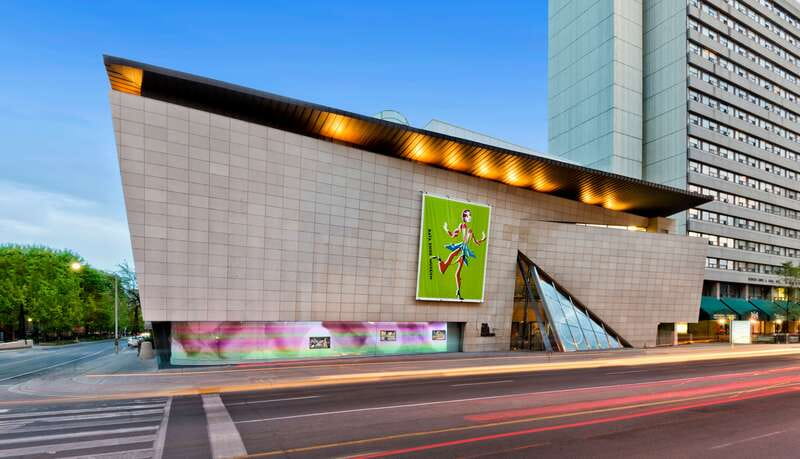
The first thing you notice is the architecture. The Bata Shoe Museum sits at 327 Bloor Street West in a light-filled contemporary building designed by Raymond Moriyama. Its angular form resembles a shoebox without turning the idea into a theme-park joke.
That matters because the museum feels purpose-built rather than squeezed into an old house or office block. The spacious layout gives the footwear room to be seen as design, craft, and historical evidence. I like this opening move: before you even reach the displays, the building tells you that shoes deserve serious attention.
The museum is close to central Toronto and easy to reach by subway. You can also use a car or Uber, though street and paid parking may be available rather than guaranteed. If you are already spending time around Bloor Street, the location makes this a simple addition to your day.
The Basement’s Long Story of Footwear
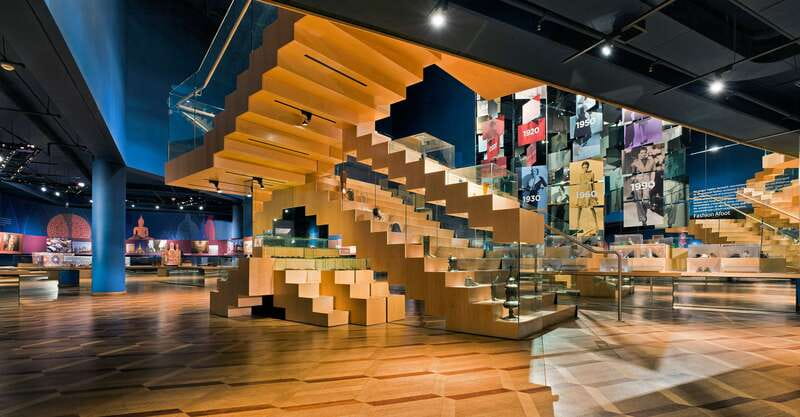
Make the permanent All About Shoes exhibition your anchor. It takes you through roughly 4,500 years of footwear history, showing how shoes changed as people faced different climates, jobs, customs, and ideas of status.
The strongest part of this display is its broad reach. You are not looking only at fashionable shoes from the last century. The collection includes footwear from around the world and from many periods, allowing you to compare how different societies solved the same basic problem: protecting and supporting the foot.
The exhibition also gives you a useful reminder that shoes are never just practical objects. A pair can point to a person’s occupation, social position, beliefs, climate, or local materials. That makes the display interesting even if you do not normally visit museums about fashion.
Several people who enjoyed the museum singled out the lower-level permanent exhibition as the place where the story came together best. I agree with that advice. If your time is limited, start there rather than rushing through the changing displays first.
The museum spans three floors, according to one detailed visit account, so allow time to move between levels. Washrooms are located in the basement, which is worth knowing before you begin a long look around. One practical criticism is that there are not additional washrooms on the middle floors.
A few more Canada trips to weigh up
- Toronto: Royal Ontario Museum Admission Ticket
★ 4.6 · 1,237 reviews - Royal Ontario Museum Admission
★ 4.5 · 411 reviews - Toronto: Art Gallery of Ontario General Admission Ticket
★ 4.6 · 251 reviews
Rotating Exhibitions Beyond the Main Collection
The four gallery spaces are designed for rotating exhibitions, so the exact contents depend on when you go. This is one of the museum’s strengths. A changing display might focus on a designer, a period, a region, a material, or the role of footwear in wider social history.
Past exhibitions have included a presentation of Manolo Blahnik designs. That display earned strong praise for the quality and visual appeal of the shoes, but you should not assume it is still on show. The museum changes its programs, and the current ticket does not promise any particular designer or temporary subject.
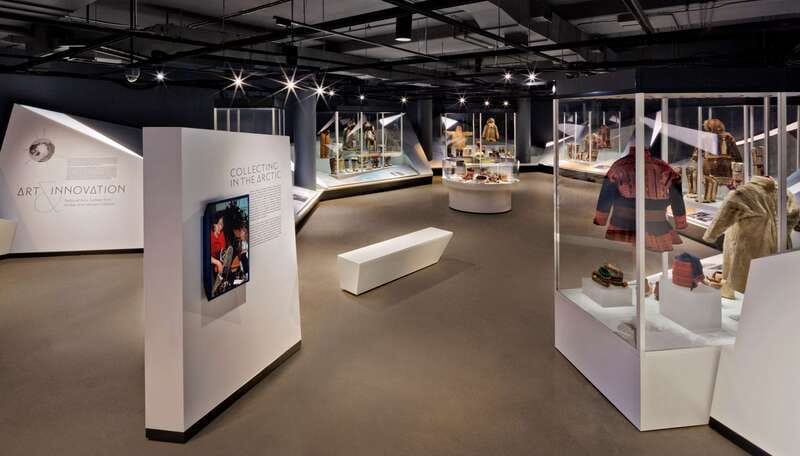
This changing format also gives the visit more depth than a simple chronological display. You might see shoes treated as art objects, evidence of cultural traditions, or clues to the way people lived. One past display also drew attention to traditional clothing and footwear from communities living above the Arctic Circle, showing that the museum’s interests reach beyond familiar Western fashion.
I would check the museum’s current exhibition information before booking if you have a special interest in a certain designer or culture. The permanent exhibition gives you a dependable reason to visit, while the temporary galleries provide the element of surprise.
Why Shoes Make Good Social History
The museum’s best idea is simple: footwear makes history personal. A shoe sits close to the body, yet it also reveals public choices about appearance, work, ceremony, gender, wealth, and belonging.
A beautiful object can attract your attention first, but the labels help place it in a larger setting. You may begin by noticing color, shape, or unusual materials, then start asking who wore it and why it looked that way. That shift from fashion display to social history is what gives the museum its staying power.
This is also why the collection works for people who do not consider themselves shoe enthusiasts. You do not need to know designers or follow fashion. The exhibits offer several ways in: design, technology, costume, trade, daily work, and cultural tradition.
The museum’s founder, Sonja Bata, collected footwear from around the world. Her collection forms the basis of this institution and explains its unusual range. The result is not a room of expensive shoes. It is a record of how people adapted footwear to their lives.
How Long to Spend Inside
The museum is a compact experience. A careful visit can take one to two hours, depending on how closely you read the labels and how much time you spend with the temporary galleries.
For a quick visit, give priority to All About Shoes and then walk through each rotating gallery. For a slower visit, read the social and cultural explanations, compare similar styles from different places, and take time with the collection’s more unusual examples.
The one-day ticket gives you flexibility on the day of your visit, but it does not turn the museum into an all-day attraction. I would not plan an entire Toronto afternoon around it unless you are particularly interested in footwear, costume, design, or material culture.
Instead, pair it with other nearby cultural stops or with time along Bloor Street. A past booking experience noted the possibility of combining the museum with the Textile Museum of Canada and the Gardiner Museum for better overall value. Check current combination-ticket arrangements before relying on that option, since offers can change.
Same province, a completely different day out:
- Vancouver Half-Day Whale Watching Adventure with Free Photos
★ 5.0 · 5,000 reviews - Quebec City Walking Tour
★ 5.0 · 4,716 reviews - Niagara Falls: Premium Tour, Boat & Journey Behind the Falls
★ 4.8 · 4,207 reviews - Banff: Banff Gondola Admission Ticket
★ 4.7 · 3,698 reviews
Labels, Language, and Self-Guided Touring
The ticket information identifies English as the language for the host or greeter and the activity. The museum is not presented as a guided tour with a named expert, so you should expect to explore at your own pace.
That freedom is useful. You can linger over the objects that interest you and move quickly through displays that do not. It also means the quality of your visit depends partly on how much you enjoy reading and making connections for yourself.
Some people would prefer a stronger audio or visual layer. One detailed comment specifically suggested an audio-visual presentation, while another wished for a museum app similar to the one at Casa Loma. Those are fair considerations if you like guided interpretation delivered through your phone.
French-language information is not promised in the supplied activity details. A past visit also noted that the labels were in English rather than French. If bilingual interpretation matters to you, confirm the current language options before you go.
The museum does offer complimentary WiFi, which is useful if you want to look up an exhibition detail, use your own guide materials, or share a quick photograph of the building. Do not assume, however, that an official app or audio guide is included with the ticket.
The Value of an $11 Ticket
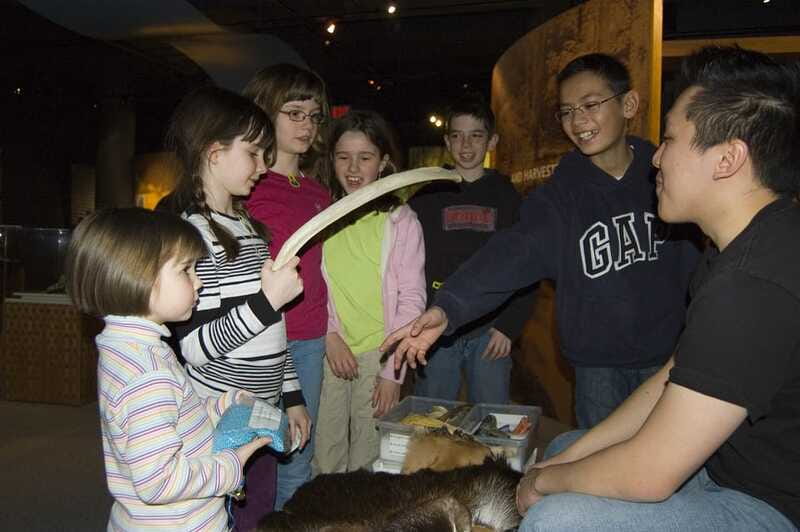
At $11 per person, this is one of the easier Toronto museum purchases to justify. The price is modest enough for a short cultural stop, and the collection offers more substance than the building’s playful theme might suggest.
Value depends on your expectations. If you want a full day of entertainment, live demonstrations, or a guided tour, this ticket may feel limited. If you want a focused museum visit with a strong permanent display and changing exhibitions, it is a sensible buy.
I also like the low commitment. You can fit the museum into a morning or afternoon without sacrificing a major part of your Toronto schedule. One particularly positive reaction described the collection as worth returning to and even suggested the experience felt worth more than the admission price.
The main limitation is that temporary exhibitions change. The museum may be a better value on one date than another if a subject matches your interests. Look at the current displays before you commit, especially if you are visiting Toronto mainly for fashion or design.
Access, Comfort, and Practical Details
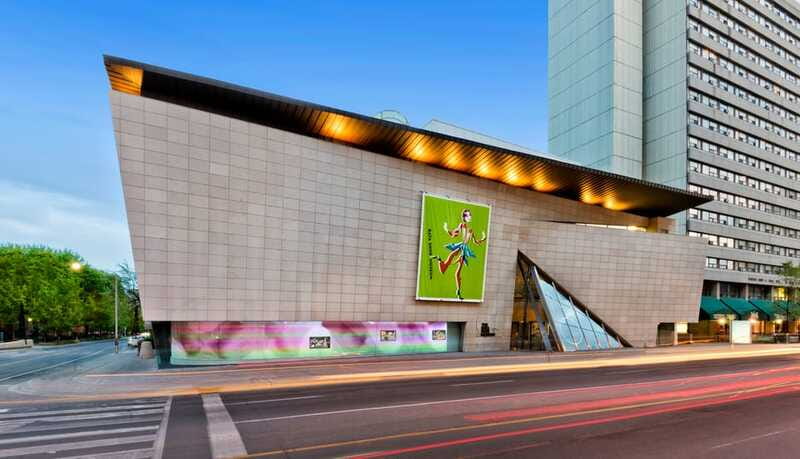
The Bata Shoe Museum is wheelchair accessible, which makes it a practical choice for many different visitors. The building is contemporary and spacious, and the galleries are arranged across multiple levels.
Smoking is not allowed. Complimentary WiFi is available on-site. Street and paid parking within walking distance may be available, but public transit is likely the simpler choice from downtown.
The booking terms are flexible. You can cancel up to 24 hours before the visit for a full refund, and the reserve-now, pay-later option lets you keep your plans open without paying at the time of booking. The ticket is valid for one day, with availability and starting times checked during booking.
Because this is an indoor museum, you do not need to build your schedule around weather. That makes it a useful backup for a rainy Toronto day, although the activity details do not promise special programs or guided events during your visit.
Who Will Enjoy This Museum Most
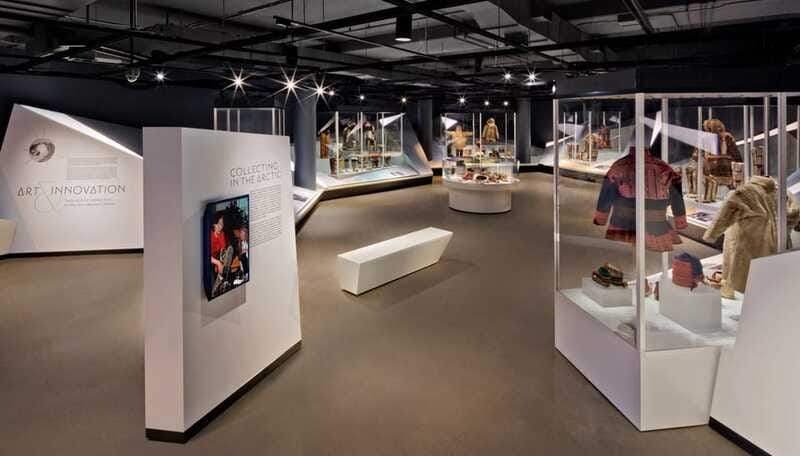
I would recommend the museum to anyone interested in design, costume, fashion, craft, cultural traditions, or everyday history. It also works well for families and mixed-interest groups because the objects are visually immediate, while the explanations give adults more to think about.
It is especially suitable for:
- People who enjoy unusual museums with a clear subject
- Anyone interested in clothing and traditional dress
- Design students and fashion followers
- Families looking for a manageable indoor activity
- Repeat Toronto visitors seeking something different from the major art museums
- Anyone with one or two free hours near Bloor Street
You may want to choose another attraction if you dislike reading labels or prefer highly interactive museums. The displays are visually engaging, but the supplied information does not indicate hands-on activities, performances, or an included audio guide.
Should You Book the Bata Shoe Museum?
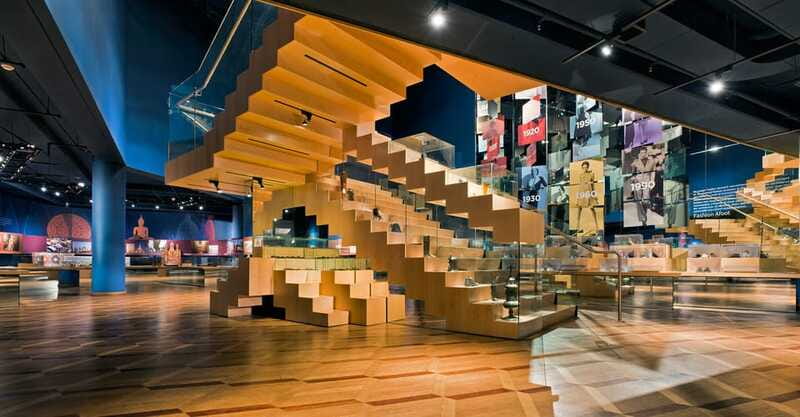
Yes, if you want an affordable and distinctive Toronto museum that gives everyday objects a wider meaning. The $11 admission, four gallery spaces, wheelchair access, and central location make this a low-risk choice, while All About Shoes provides enough historical range to reward a careful visit.
I would book it with two thoughts in mind. First, allow one to two hours rather than expecting a full-day attraction. Second, check the current rotating exhibitions if a particular designer, culture, or period is important to you.
The museum is at its best when you slow down and ask what each shoe tells you about the person who wore it. That is more interesting than simply admiring unusual shapes, and it is the reason this small Toronto institution deserves a place on your itinerary.
FAQ
Where is the Bata Shoe Museum located?
The museum is at 327 Bloor Street West in Toronto, Ontario.
How much does admission cost?
The listed price is $11 per person for general admission.
How long is the ticket valid?
The ticket is valid for one day. You should check availability and starting times when booking.
What can I see inside the museum?
You can explore four gallery spaces with rotating exhibitions and visit All About Shoes, a permanent presentation covering 4,500 years of footwear history.
Is the museum wheelchair accessible?
Yes, the activity information states that the Bata Shoe Museum is wheelchair accessible.
Can I cancel my booking?
Yes. You can cancel up to 24 hours in advance for a full refund. A reserve-now, pay-later option is also available.
Just added around Canada
- 2 Hour Banff Horseback Riding Adventure★ 4.0 · 145 reviews
- 1 Hour Spray River Ride★ 4.5 · 204 reviews
- Lake Minnewanka, Peyto Lake, Bow Lake , Icefields★ 4.5 · 63 reviews
- Along Icefields Parkway: Peyto Lake, Bow Lake & Columbia Icefield★ 4.0 · 19 reviews
- Moraine Lake Lake Louise Johnston Canyon Emerald Lake Day tour★ 5.0 · 4 reviews
- 3 Day Algonquin Park Canoe Trip – Moose & Beaver Safari★ 5.0 · 27 reviews
- 3 Hour Algonquin Park Bass & Trout Fishing (private- price is for 1 or 2 people)★ 5.0 · 5 reviews
- Moraine Lake and Lake Louise Sightseeing Half Day Tour★ 5.0 · 23 reviews
Museums, compared.
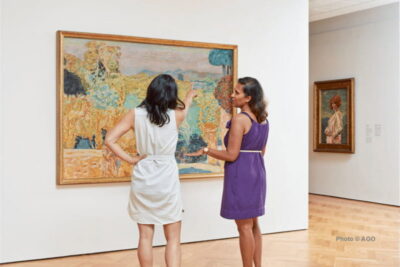
Art Gallery of Ontario General Admission Ticket
Read our review →


Browse the lists this tour appears in